































Jeans have long been a timeless wardrobe essential—not only for their versatility, but also for their ability to reflect personal style. With the right techniques, you can transform plain denim into a distinctive statement piece.
In this guide, we explore some of the most popular ways to customise jeans at home, and highlight how laser engraving is redefining modern denim design.

In this article:
- Part 1: Six Creative DIY Ways to Customise Jeans
- Method 1: Embroidery
- Method 2: Heat Transfer
- Method 3: Hand-Painting and Fabric Paints
- Method 4: Distressing and Sanding
- Method 5: Fabric Patching
- Method 6: Laser Engraving
- Part 2: Tips for Getting Custom Jeans Made
- FAQs Common Questions About Customising Jeans
Part 1: Six Creative DIY Ways to Customise Jeans
Customising jeans is an effective way to express personal style while creating a truly unique fashion piece. Whether you prefer a handcrafted aesthetic or a clean, modern finish, there is a suitable method for every skill level.
Below are six practical and creative ways to transform plain denim.
Method 1: Embroidery
Embroidery adds a timeless, handcrafted detail to denim. You can stitch patterns, initials, or decorative elements to create texture and visual interest. This method works best on thicker areas such as pockets or hems.
Pros:
Adds texture and dimension
Long-lasting and resistant to fading
Strong handcrafted aesthetic
Cons:
Time-intensive
Complex designs require skill and patience
Best for: Traditional craftsmanship and detailed decorative work
Method 2: Heat Transfer
Heat transfer allows you to apply printed graphics or vinyl designs onto denim using a heat press or household iron. It is ideal for bold, clean, and modern designs.
Pros:
Easy to use and beginner-friendly
Affordable and widely accessible materials
Cons:
May peel or fade after repeated washing
Limited durability over time
Best for: Quick DIY projects and bold graphic designs
Method 3: Hand-Painting and Fabric Paints
Fabric painting provides complete creative freedom, allowing you to apply custom artwork directly onto denim. Acrylic-based fabric paints are commonly used for long-lasting results.
Pros:
Highly creative and expressive
Each piece can be completely unique
Cons:
May crack or fade over time
Requires careful application and maintenance
Best for: Artistic and custom-designed pieces
Method 4: Distressing and Sanding
Distressing techniques create a worn, vintage look by manually altering the fabric using tools such as sandpaper or blades. Subtle application typically produces the best results.
Pros:
Creates a trendy, vintage or streetwear style
Simple and low-cost method
Cons:
Irreversible
May weaken the fabric over time
Best for: Fashion-focused, distressed denim styles
Method 5: Fabric Patching
Fabric patching introduces contrast and layered textures by adding additional materials to denim. Patches can be ironed on or sewn for increased durability.
Pros:
Adds texture and visual contrast
Suitable for both decoration and repair
Cons:
Requires sewing skills for a refined finish
May appear uneven if not properly applied
Best for: Upcycling, repairs, and creative layering
Method 6: Laser Engraving
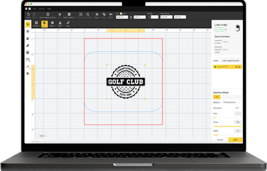
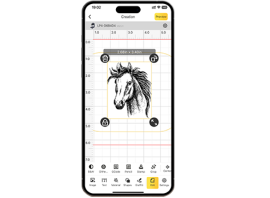
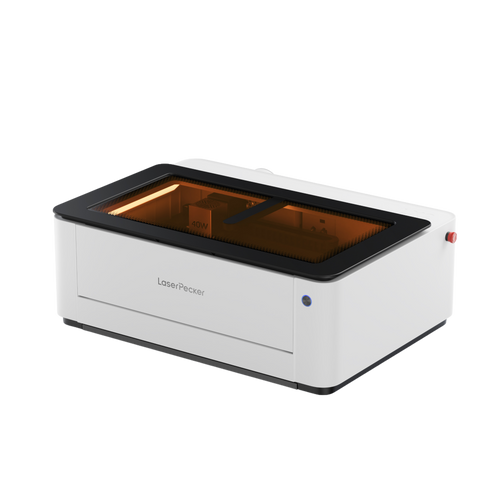
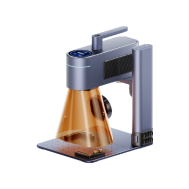
Laser engraving is a modern method that uses focused laser energy to create patterns on denim surfaces. Laser engraving machines such as the LaserPecker LP2 Plus enable precise and consistent results. For larger denim projects, the LaserPecker LX2 is also recommended, as it can engrave larger-size designs on jeans in a single pass.
Why choose LX2 for denim engraving:
The LaserPecker LX2 is recommended for larger denim projects.
- ⚡ Blazing HyperSpeed: Up to 1000 mm/s with 10,000 mm/s² acceleration for faster production on large denim areas
- 🔧 Tool-Free Quick Swap: Easily switch between 20W / 40W / 60W diode and 2W IR modules for flexible material processing
- 🎯 Dual Precision Alignment: Point-to-shape positioning with 12MP / 6K camera for accurate placement on jeans
- 📦 Large-Format Capacity, Compact Design: Dual-door access supports larger denim pieces without increasing workspace footprint
- 🔄 3D Rotary Ready: Supports curved or irregular denim items such as jackets, sleeves, or cuffs (optional rotary)
- 🛡️ Class-1 Safety Certified: Fully enclosed design for safe indoor operation

It is particularly effective for detailed designs, logos, and repeated patterns, offering a clean and professional finish without additional materials.
Pros:
- High precision and consistency
- No inks or consumables required
- Durable and long-lasting results
- Suitable for detailed and repeat designs
Cons:
- Requires specialised equipment
- Permanent process
- Best results on darker denim
Best for: Professional designs and detailed customisation
Comparison Table: Methods for Customising Jeans
| Method | Cost | Best For | Skill Level |
|---|---|---|---|
| Embroidery | Low–Medium | Decorative details, initials, patches | Medium |
| Heat Transfer | Medium | Logos, graphics, bold designs | Easy–Medium |
| Hand-Painting and Fabric Paints | Low | Artistic and custom illustrations | Easy–Medium |
| Distressing and Sanding | Very Low | Vintage styles and fashion edits | Easy |
| Fabric Patching | Low–Medium | Repairs, layering, contrast details | Easy–Medium |
| Laser Engraving | Medium–High | Intricate designs and professional finishes | Medium–Advanced |
Part 2: Tips for Getting Custom Jeans Made
Customising jeans can be both creative and rewarding, but following a few practical guidelines will help ensure your designs look refined and last over time.
-
Choose the Right Fabric
Denim varies in weight and composition. Heavier cotton denim is ideal for embroidery, distressing, and patching, as it can better support stitching and structural changes. Darker or blended fabrics tend to work more effectively with laser engraving and heat transfer methods, offering improved contrast and consistency. -
Plan Your Design in Advance
Sketch your ideas before starting. Consider placement, scale, and colour balance to avoid overcrowding and ensure a cohesive final look. -
Test Before Final Application
Always test your chosen method on a scrap piece of denim or a hidden area. This allows you to refine settings for painting, heat transfer, or laser engraving and avoid costly mistakes. -
Follow Proper Care Instructions
Wash customised jeans inside out on a gentle cycle, and avoid high temperatures or harsh detergents. This helps maintain both the fabric quality and the longevity of your design.
FAQs: Common Questions About Making Custom Jeans
Q1. Can I customise any type of jeans?
Most jeans can be customised, but the best method depends on the fabric. Heavier cotton denim is ideal for embroidery, painting, distressing, and patching, while darker or blended fabrics are more suitable for laser engraving and heat transfer due to better contrast and consistency.
Q2. Will customised designs last after washing?
Yes, when applied correctly. Heat-set paints and vinyl transfers can be durable, while embroidery and patches are naturally long-lasting. Laser engraving offers one of the most permanent results. Washing jeans inside out on a gentle cycle helps preserve the design.
Q3. Can I achieve professional-looking results at home?
Yes, many DIY methods can produce high-quality finishes. Techniques such as heat transfer, embroidery, and especially laser engraving allow users to create polished designs suitable for personal use or small business projects.
Q4. Do I need special equipment to customise jeans?
Basic methods such as embroidery, painting, and distressing require minimal tools. However, techniques like heat transfer and laser engraving require specialised equipment such as a heat press or laser engraver.
Q5. What is the easiest way to customise jeans for beginners?
Heat transfer and simple distressing are among the easiest methods for beginners, as they require minimal tools and offer quick results.
Q6. Does laser engraving damage denim fabric?
When properly configured, laser engraving does not significantly damage denim. It alters only the surface layer to create precise designs while maintaining the fabric's overall structure.
Conclusion
Traditional techniques will always carry a sense of heritage and craftsmanship, but denim fashion continues to evolve. With laser engraving, jeans can reflect a higher level of detail and precision—whether through bold graphics, personal messages, or distinctive branding.
More than just a wardrobe staple, jeans have become a creative canvas for self-expression. With the right tools and techniques, it is now possible to turn everyday denim into something truly individual and long-lasting.
So, what story will your customised jeans tell?