

































Key engraving is a practical and effective way to add personal identification, improve organisation, or enhance everyday security. In the UK, people commonly engrave keys to label house keys, distinguish spare sets, or add simple markings for easy recognition.
Whether you're engraving initials, numbers, or small decorative designs, key engraving can be both functional and creative.
In this guide, we'll explore four proven methods for engraving keys, each with its own tools, advantages, and ideal use cases — from precise laser engraving to accessible manual techniques. This will help you choose the best method based on your equipment, experience level, and budget.

In this article:
- Method 1: Engrave Keys with a Laser Engraving Machine
- Method 2: Engrave Keys with a Rotary Tool
- Method 3: Engrave Keys via Stamping
- Method 4: Engrave Keys with a Key Machine
Method 1: Engrave Keys with a Laser Engraving Machine
Laser engraving is one of the most precise and efficient ways to engrave metal keys. It uses a focused laser beam to mark text, numbers, or patterns onto the surface of a key without any physical contact. This results in a clean finish that won't fade or wear off easily.
In the UK, laser key engraving is commonly used by locksmiths, small workshops, and hobbyists for labelling house keys, numbering spare keys, or producing consistent markings for multiple keys.
What You'll Need for Laser Engraving a Key:
- A key laser engraving machine
- Design software (e.g., LightBurn, LaserPecker Software & App)
- Metal key blank (brass, steel, or coated)
Steps to Engrave a Key with a Laser Machine
Step 1: Prepare the Design
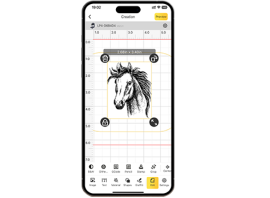
Create or import your design in the engraving software. Common options include initials, serial numbers, identification codes, or simple logos. Keep the design clear and appropriately sized for the limited surface area of a key.
Step 2: Choose the Right Laser Engraver for Keys
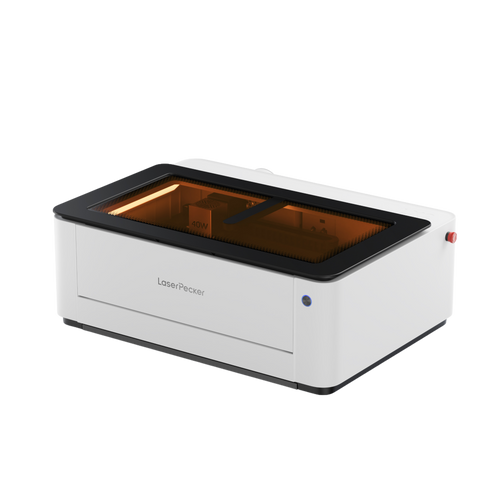
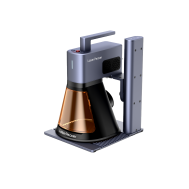
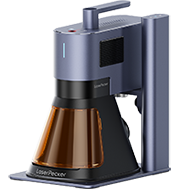
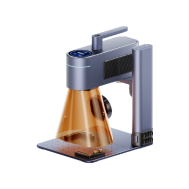
Engraving metal keys requires a fibre laser engraver with sufficient power, precision, and speed. The LaserPecker LP5 is well suited for this task, particularly for small metal items like keys.
With a 20W fibre laser, the LP5 can produce clear and durable engravings on metal keys. The higher power also allows for deeper engraving and, in some cases, metal cutting—making it suitable for applications such as key duplication or engraving new keys from blanks..
In addition, its engraving speed of up to 10,000 mm/s enables fast processing, which is especially useful when engraving multiple keys or handling repeat jobs efficiently. High engraving accuracy ensures that fine text and small details are reproduced clearly.
Step 3: Set Up the Machine
Place the key flat on the engraving platform and secure it firmly to prevent movement. For keys with curved or uneven surfaces, a rotary attachment may be used if supported.
Step 4: Adjust Laser Settings
Configure power, speed, and focus settings based on the key material to achieve clean, readable engraving results.
Step 5: Preview the Engraving
Use the framing or outline preview function to confirm positioning before starting.
Step 6: Start Engraving
Run the engraving job and monitor the process for accuracy.
Step 7: Inspect and Clean
After engraving, wipe away residue with a soft cloth or alcohol wipe and check the engraving depth and clarity.
Advantages and Limitations of Laser Key Engraving
👍Advantages:
Highly precise and professional engraving results
Ideal for small text, numbers, and detailed logos
Fast, consistent, and repeatable for batch engraving
👎Limitations:
Initial equipment cost is higher than manual engraving methods
Method 2: Engrave Keys with a Rotary Tool
Engraving keys with a rotary tool is a manual yet practical method for adding identification marks or personal details to metal keys. The tool uses a high-speed rotating engraving bit to cut letters, numbers, or simple symbols directly into materials such as brass or mild steel.
In the UK, this approach is popular among DIY users and home crafters who want flexibility and control without investing in professional engraving equipment. While it requires patience and a steady hand, it offers a distinctive handmade finish.
Required Tools:
- Rotary tool or electric engraving pen
- Clamp, vise, or non-slip mat
- Metal keys (preferably brass or soft metals)
Steps to Engrave a Key with a Rotary Tool
Step 1: Secure the Key
Place the key in a vise or clamp to keep it from moving while engraving.
Step 2: Mark the Design
Use a marker or stencil to outline the text or design you want to engrave on the key.
Step 3: Choose the Right Bit
Install a fine-point engraving bit or a diamond-tip bit on your rotary tool.
Step 4: Engrave Slowly
Power on the tool and begin engraving, gently following the guide lines. Keep the motion steady and pressure light to avoid mistakes.
Step 5: Clean the Key
After engraving, wipe off dust and marker ink with a soft cloth or rubbing alcohol.
Pros and Cons of Engraving a Key with a Rotary Tool
👍Pros:
Inexpensive and easy to get started
Great for personal, handmade touch
👎Cons:
Requires a steady hand and practice
Can be time-consuming for detailed work
Method 3: Engrave Keys via Stamping
Metal stamping is a traditional and fully manual method for engraving keys by applying force with steel character stamps. Instead of removing material gradually, this technique imprints letters or numbers directly into the metal surface using a hammer.
In the UK, key stamping is often used for simple identification purposes, such as marking initials or numbering spare keys. While it lacks the refinement of laser engraving, it remains popular due to its low cost, durability, and independence from electricity.
Required Tools:
- Metal stamping kit (includes alphabet/number stamps)
- Hammer (preferably metal or brass)
- Clamp or tape (to keep the key steady)
Steps to Engrave a Key via Stamping
Step 1: Secure the Key
Place the key on a steel block or hard surface and secure it with tape or a clamp to prevent movement.
Step 2: Align the Stamps
Use masking tape as a guide or mark the surface lightly to position your letters.
Step 3: Stamp the Characters
Hold the stamp vertically on the key surface, then strike it firmly once with the hammer. Repeat for each letter or number.
Step 4: Polish
Lightly polish the surface if needed to clean up around the stamped areas.
Pros and Cons of Hand Engrave a Key
👍Pros:
Low cost and no electricity required
Durable and long-lasting markings
👎Cons:
Limited to blocky text—no detailed designs
Can be hard to align precisely
Method 4: Engrave Keys with a Key Machine
Key cutting machines are primarily designed for duplicating keys, but many advanced or dual-function models can also engrave text or identification marks onto key blanks. These machines use mechanical or electronically guided engraving heads to create clean, consistent markings.
In the UK, this method is most commonly found in locksmith shops and professional key services, where speed, accuracy, and repeatability are essential — especially for engraving serial numbers, security labels, or basic company identifiers.
Required Tools:
- Engraving-capable key cutting machine (manual or electronic)
- Key blank or an existing key (depends on machine type)
- Clamp or holder
Steps to Engrave a Key with a Key Machine
Step 1: Set Up the Machine
Power on the machine and choose the engraving function or switch to the engraving head (if it's a dual-function machine).
Step 2: Secure the Key
Insert the key into the designated holder or clamp and tighten it firmly to prevent movement.
Step 3: Choose Text or Design
For manual machines: Insert the appropriate engraving template or type guide.
For digital machines: Input the text or design via touchscreen or connected software.
Step 4: Engrave the Key
Start the machine and let it engrave your design. This could be automatic (CNC-like machines) or manual (you guide the cutter along the template).
Step 5: Finish and Inspect
Remove the key, clean it, and inspect for clarity and accuracy.
Pros and Cons of Engraving a Pen Using a Key Machine
👍Pros:
High precision with clean lines
Fast and consistent engraving
👎Cons:
Expensive machines—not ideal for hobby use
FAQs about Key Engraving
1. What is the best way to engrave keys in the UK?
The best method depends on your needs. Laser engraving offers the highest precision and durability, while rotary tools or stamping are suitable for basic DIY marking at home. Locksmiths typically use key machines for speed and consistency.
2. Can house keys be laser engraved safely?
Yes. Laser engraving only affects the surface of the key and does not weaken its structure. It is safe for common house keys made from brass or steel.
3. Is key engraving permanent?
Yes. Laser engraving, key machine engraving, and metal stamping all create permanent markings. Manual rotary engraving is also permanent, though the depth and clarity depend on user skill.
4. Which engraving method is best for spare keys?
For spare keys, laser engraving or key machines are ideal for clear identification. For home use, stamping or rotary tools are sufficient for adding initials or numbers.
5. Can you engrave keys at home without special machines?
Yes. Rotary tools and metal stamping kits allow keys to be engraved at home without electricity or specialised equipment.
6. Does engraving affect how a key works in a lock?
No. Engraving is done on flat surfaces of the key and does not interfere with the key's cutting profile or lock function.
Conclusion
Engraving keys in the UK can be approached in several practical ways, depending on how the keys will be used. Laser engraving offers the highest level of precision and is well suited for workshops, small businesses, or situations where clear, repeatable markings are required. Key machines provide fast and consistent results in locksmith settings.
For home users and DIY projects, rotary tools and metal stamping remain accessible options for marking house keys or spare sets. Each method varies in cost, accuracy, and setup time, so choosing the right one depends on whether the goal is everyday organisation, security identification, or small-scale production.