































Cake toppers are a simple yet effective way to enhance any cake, whether it's for a birthday celebration, wedding reception, anniversary, or special event. A well-designed topper instantly becomes the focal point and ties the entire theme together.
With laser cutting technology, you can create customised cake toppers that look clean, professional, and far more precise than handmade alternatives. Intricate lettering, delicate silhouettes, and detailed patterns can all be produced with consistent accuracy.
In this guide, we'll cover the best materials for laser-cut cake toppers, provide step-by-step instructions for creating your own design, and explain why laser cutting is one of the most efficient methods for producing high-quality cake decorations.

In this article:
Part 1: Materials and Tools Needed to Laser Cut a Cake Topper
Before starting your project, make sure you have everything prepared: suitable materials, a properly configured Laser Cutter, design software ready to use, and appropriate safety equipment.
Material (Acrylic and Wood)
For laser-cut cake toppers, acrylic and wood remain the most popular material choices in the UK.
Acrylic:
Acrylic sheets are available in a wide range of finishes, including clear, mirror, pastel, and glitter styles. They are lightweight and produce clean, sharp edges when cut correctly.
For cake use, ensure the acrylic is suitable for decorative food-contact applications or use a protective food-safe barrier between the topper and the cake. Acrylic delivers a sleek, contemporary finish ideal for modern celebrations.

Wood:
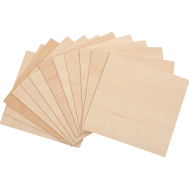
Basswood and birch plywood are commonly used for wooden cake toppers. Wood offers a natural, rustic appearance that pairs well with weddings, countryside themes, or vintage-style events. After cutting, the surface can be lightly sanded, painted, or stained for an enhanced finish.

Required Tools
To successfully laser cut a cake topper, you'll need:
-
Laser Cutter:
Essential for producing precise cuts and detailed lettering with smooth edges -
Design Software:
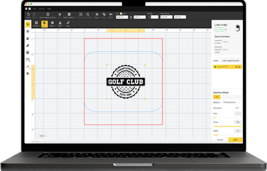
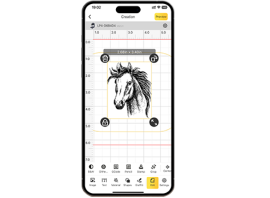
Use LightBurn, Adobe Illustrator, or LaserPecker Design Space to make your designs. -
Safety Equipment:
Always wear appropriate laser safety glasses and ensure proper ventilation when operating your machine indoors. -
Workholding Accessories:
Clamps, honeycomb working panels, and low-tack tape help keep materials flat during cutting, improving accuracy and reducing burn marks.
Part 2: Step-by-step Guide to Laser Cutting Cake Topper
Once your materials and tools are prepared, you're ready to begin creating your cake topper.
1. Create Your Design
Design your topper using vector design software. Popular choices include celebratory phrases such as “Happy Birthday”, names, initials, or wedding dates. Decorative elements like hearts, stars, florals, or simple frames can enhance the overall look.
Be sure to include a stem or support spike so the topper can be inserted securely into the cake. Save the file in a vector format (SVG, DXF, or AI), as laser cutters require vector paths for accurate cutting.
2. Prepare Your Material
Choose acrylic or wood depending on your desired finish.
- For acrylic, remove the protective film on the cutting side if required.
- For wood, lightly sand the surface to ensure smooth engraving and reduce surface debris.
Place the sheet flat on the laser cutter bed and secure it if necessary.
3. Configure the Laser Settings
Adjust power, speed, and focus according to the material type and thickness. Thinner materials require lower power to prevent scorching or melting. Always perform a small test cut on scrap material before proceeding with the final piece.
4. Engrave Before Cutting
Engrave text, patterns, or decorative details first. Engraving prior to cutting helps maintain alignment and ensures sharp detailing. Once engraving is complete, proceed to cut the outer shape of the topper.
5. Finishing and Preparation
Remove any remaining protective film. Smooth acrylic edges if needed, or lightly sand wooden surfaces. You may paint or stain wood for added contrast.
Before placing the topper on a cake, ensure the stem section is clean and free from dust or residue. For added food safety, some users choose to wrap the insertion stem with food-safe film.
Part 3: Why Laser Cutting Is Better Than Other Methods for Cake Toppers
While some DIY cake toppers are made using craft cutters or manual tools, laser cutting offers several clear advantages.
Reason 1: High Precision and Fine Detail
Laser systems can produce extremely fine lettering, delicate curves, and intricate decorative borders with consistent accuracy. Small fonts and detailed flourishes that may tear or distort when cut by hand remain sharp and readable when laser processed.
Reason 2: Clean, Smooth Edges
Laser-cut acrylic and wood typically have smooth, polished edges immediately after cutting. This reduces the need for additional sanding or edge correction. Manual cutting tools often leave rough or uneven edges that require extra finishing time.
Reason 3: Ideal for Layered and Complex Designs
Laser cutting handles layered construction efficiently. It can engrave details, cut outlines, and produce decorative shapes in a single workflow. Multi-layer toppers align more accurately, reducing assembly time and minimising the risk of warping or misplacement.
Reason 4: Consistency for Repeat Production
Once settings are properly configured, a laser system can reproduce identical designs consistently. This is particularly useful when producing multiple toppers for events or small business orders. Manual methods can result in slight variations between pieces.
Reason 5: Greater Material Compatibility
Laser cutters can process thicker wood, acrylic, and composite materials that are difficult to manage with traditional craft tools. This allows for broader design flexibility and stronger finished toppers.
Reason 6: Reduced Post-Processing
Because the cutting process is computer-controlled, there is less handling and fewer manual corrections required. The result is a cleaner workflow, reduced material waste, and a more professional finish.
For makers seeking precise, reliable, and repeatable results, laser cutting provides clear advantages over manual crafting methods — particularly for designs that go beyond simple shapes.
Part 4: Recommended Laser Cutter for Cake Topper Projects
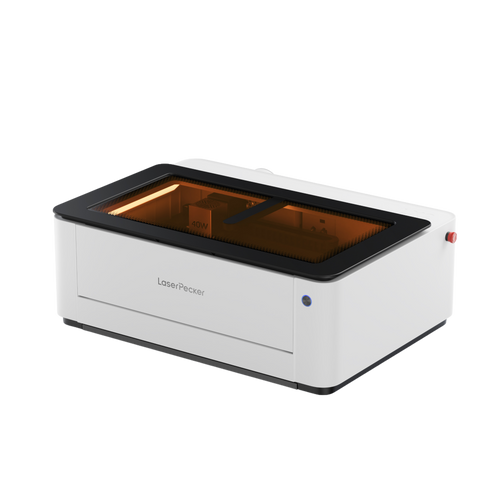
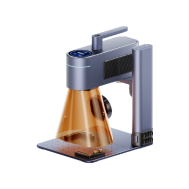
If you're planning to produce detailed cake toppers with a laser system, the LaserPecker LP5 is a practical option to consider.
The LP5 features a dual-laser configuration: a 20W diode laser and a 20W fibre laser. The diode laser is suitable for cutting materials such as wood and acrylic (typically up to 15–20mm depending on density and settings), making it well suited for producing smooth-edged cake toppers. The fibre laser enables precise engraving of fine details, including delicate floral patterns, monograms, and decorative borders.
With engraving speeds of up to 10,000 mm/s, the system allows efficient production while maintaining detail accuracy — useful when preparing multiple toppers for events or customer orders.
If a larger working area is required, the Slide Extension. expands the workspace to 160 × 300 mm. This is helpful for oversized topper designs or batch production layouts.
For indoor use, safety is an important consideration. When operated with its its safety enclosure, the LP5 functions as a Class 1 laser system. This configuration supports safe use in home workshops, classrooms, and small studios in line with UK safety practices.
Thanks to its combination of precision, speed, and configurable safety setup, the LP5 is suitable for hobbyists, event planners, and small businesses creating customised cake toppers.
Alternatively, users who prioritise high-powered diode cutting for thicker materials may consider the LaserPecker LX2, available in 20W, 40W, and 60W configurations for larger-scale cutting applications.
Part 5: FAQs about Laser Cutting Cake Topper
Q1. Acrylic or Wood Cake Toppers: Which One Should You Choose?
Both materials work beautifully, but they create different visual effects.
Acrylic offers a modern finish and comes in a wide range of colours, including clear, mirrored, and glitter styles. It is lightweight, easy to clean, and ideal for intricate designs.
Wood provides a natural or rustic appearance, making it especially popular for weddings and vintage-style celebrations. It has a slightly heavier, sturdier feel and can be painted or stained to match a theme.
If your design includes very fine lettering, acrylic is often easier to cut cleanly. For a handcrafted aesthetic, wood is an excellent choice.
Q2. Is It Safe to Place Laser-Cut Toppers on Cakes?
It can be safe when used correctly.
For best practice, only the stem or pick should come into contact with the cake. Many users wrap the stick in food-safe tape or insert it into a straw before placing it into the cake.
Always clean the topper thoroughly to remove dust or residue before use.
Q3. Can I Add Small or Detailed Elements?
Yes — laser cutting is particularly good at producing fine details.
However, very thin sections may become fragile. To improve durability, consider:
- Slightly increasing stroke thickness
- Using layered acrylic
- Combining wood and acrylic for reinforcement
This helps the topper remain sturdy when inserted into a cake.
Q4. Can Cake Toppers Be Reused?
Absolutely.
Acrylic toppers are durable and easy to wipe clean, making them suitable for multiple events. Wooden toppers require more care but can be reused or kept as keepsakes.
Applying a light varnish to wood can improve longevity. Store toppers flat in a dry place to prevent warping.
Additional FAQs
Q5. What Thickness Is Best for a Laser-Cut Cake Topper?
For most designs, 3mm acrylic or 3mm–4mm plywood provides a good balance between strength and weight. Thinner sheets may flex, while thicker materials can appear heavy on smaller cakes.
Q6. How Do You Prevent Burn Marks on Wooden Cake Toppers?
Use proper power and speed settings, enable air assist, and apply masking tape to the surface before cutting. Light sanding after cutting can also remove minor scorch marks.
Q7. Do I Need Special Settings for Cutting Acrylic?
Yes. Acrylic requires appropriate power, slower speeds, and proper ventilation. Keeping the protective film on during cutting can help reduce surface marks.
Conclusion
Laser-cut cake toppers add a thoughtful, personalised touch to any celebration. With the right tools and materials, you can create custom decorations for birthdays, weddings, anniversaries, and other special occasions.
Using a system such as the LP5 laser cutter allows the process to be both precise and efficient. Fine lettering, decorative borders, monograms, and themed designs can be produced with a level of detail that would be difficult to achieve by hand.
For projects that require larger formats or thicker materials, the LaserPecker LX2 is a strong alternative. Compared with the LP5, it offers a larger working area and higher power options, making it better suited for cutting bigger cake toppers or handling thicker wood and acrylic with consistent results.
Whether you're making a one-off topper for a friend or producing designs for customers, laser cutting offers flexibility and creative freedom. You can experiment with different materials, layering techniques, and finishes to suit various themes and styles.
With practice and careful setup, a laser cutter becomes a reliable tool for creating cake toppers that feel polished, personal, and memorable — helping make each event that little bit more special.