
































Building a dollhouse at home is a rewarding DIY project for hobbyists, parents, teachers, and makers. Depending on your budget, tools, and desired level of detail, there are several ways to create a dollhouse, from simple cardboard designs to wooden structures and precision laser-cut models.
Each method offers different benefits in terms of cost, durability, customisation, and ease of assembly. In this guide, we'll compare three popular dollhouse-making methods, explain their pros and cons, and help you choose the best option for your needs. If you're looking for professional-quality results with maximum accuracy and creative freedom, laser cutting may be the most effective solution.

In this article:
- Method 1: Make a Cardboard Dollhouse with a Craft Knife
- Method 2: Make a Wooden Dollhouse with a Jigsaw
- Method 3: Make a Dollhouse with a Laser Cutter
- FAQs: Hot Questions about Making a Dollhouse
Method 1: Make a Cardboard Dollhouse with a Craft Knife
A cardboard dollhouse is one of the simplest and most budget-friendly ways to start a DIY dollhouse project. It is ideal for beginners, school activities, or parents looking for a creative craft project that requires minimal tools and materials. While cardboard is easy to work with, it is best suited to temporary or decorative models rather than long-lasting dollhouses.
Materials and Tools Needed
- Cardboard sheets or recycled cardboard boxes
- Craft knife
- Metal ruler
- Glue or hot glue gun
- Pencil
- Paint, decorative paper, or stickers
Steps to Make a Cardboard Dollhouse with a Craft Knife
-
1. Plan Your Dollhouse Design
Sketch the overall layout, including room placement, wall dimensions, doors, windows, and roof sections. -
2. Cut the Cardboard Components
Use a craft knife and metal ruler to cut out the walls, floors, roof panels, doors, and window openings according to your design. -
3. Assemble the Structure
Glue the individual pieces together and allow sufficient drying time to ensure the structure remains stable. -
4. Add Decorative Details
Paint the exterior, add wallpaper, and create miniature furniture or accessories to personalise the dollhouse.
Pros and Cons of Using a Craft Knife for a Cardboard Dollhouse
Pros
- Low-cost and widely accessible materials
- Beginner-friendly and easy to learn
- Suitable for quick DIY projects
- Flexible design options
Cons
- Limited durability compared with wood
- Hand-cut edges may lack precision
- Difficult to create intricate details consistently
- Cardboard can warp or weaken over time
Method 2: Make a Wooden Dollhouse with a Jigsaw
A wooden dollhouse offers greater durability, stability, and realism than a cardboard model. Using a jigsaw allows you to cut plywood or MDF into custom shapes, making it a popular option for DIY enthusiasts who want a more permanent dollhouse. While this method produces stronger results, it requires more tools, time, and woodworking experience than building with cardboard.
Materials and Tools Needed
- Plywood or MDF boards
- Jigsaw
- Measuring tape
- Pencil
- Wood glue
- Screws or nails
- Sandpaper
- Paint and decorative materials
Steps to Make a Wooden Dollhouse with a Jigsaw
-
1. Design the Dollhouse Layout
Plan the overall dimensions, room arrangement, window placement, and roof structure before cutting any materials. -
2. Cut the Wooden Components
Use a jigsaw to cut the walls, floors, roof panels, doors, and window openings according to your measurements. -
3. Assemble the Structure
Secure the wooden pieces using wood glue, screws, or nails to create a strong and stable frame. -
4. Sand and Finish the Surface
Smooth rough edges with sandpaper before painting, decorating, or adding miniature furnishings.
Pros and Cons of Using a Jigsaw for a Wooden Dollhouse
Pros
- Strong and durable construction
- More realistic appearance than cardboard
- Suitable for long-term use and display
- Can support larger dollhouse designs
Cons
- Requires woodworking tools and experience
- Cutting accuracy depends on user skill
- More time-consuming than simpler DIY methods
- Difficult to achieve highly detailed or intricate cuts consistently
Method 3: Make a Dollhouse with a Laser Cutter
For makers who want professional-quality results, laser cutting is one of the most efficient and accurate ways to build a dollhouse. Unlike manual cutting methods, a laser cutter follows a digital design file to produce highly precise parts with clean edges and consistent dimensions.
In addition to cutting structural components, laser cutters can engrave decorative details directly onto the material. This makes it easy to create realistic brickwork, wooden textures, floor patterns, window frames, and personalised elements that would be difficult to achieve by hand.
Materials and Tools Needed
- Laser cutter
- Plywood, basswood, or MDF sheets
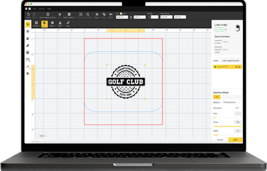
- Vector design software
- Wood glue
- Sandpaper
- Paint and decorative materials
Steps to Make a Dollhouse with a Laser Cutter
-
1. Create the Design File
Design the dollhouse components using vector-based design software and prepare the files for laser cutting. -
2. Prepare the Material
Place the wood sheet into the laser cutter and select the appropriate settings for the material thickness and type. -
3. Cut and Engrave the Components
Use the laser cutter to produce precise wall panels, floors, roof sections, doors, windows, and decorative engravings. -
4. Assemble the Structure
Join the cut pieces together using wood glue to create a sturdy dollhouse frame. -
5. Paint and Add Finishing Touches
Decorate the dollhouse with paint, wallpaper, miniature furniture, and accessories to complete the project.
Pros and Cons of Using a Laser Cutter for a Dollhouse
Pros
- Exceptional cutting accuracy and repeatability
- Clean edges with minimal finishing work
- Ideal for intricate designs and miniature details
- Fast production compared with manual cutting
- Easy to customise and reproduce designs
- Combines cutting and engraving in a single workflow
Cons
- Requires access to a laser cutter
- Higher initial equipment investment
- Basic design software knowledge is recommended
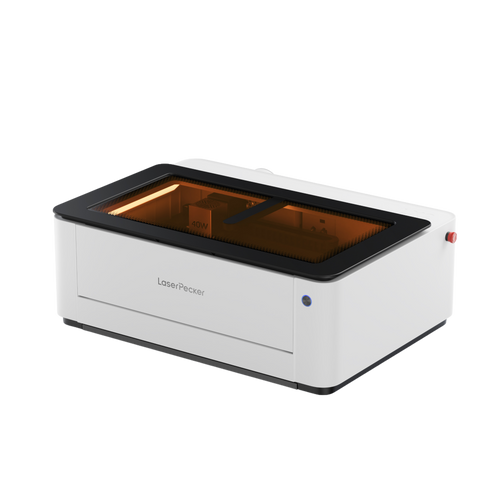
Recommended Laser Cutter for Dollhouse Projects: LaserPecker LX2
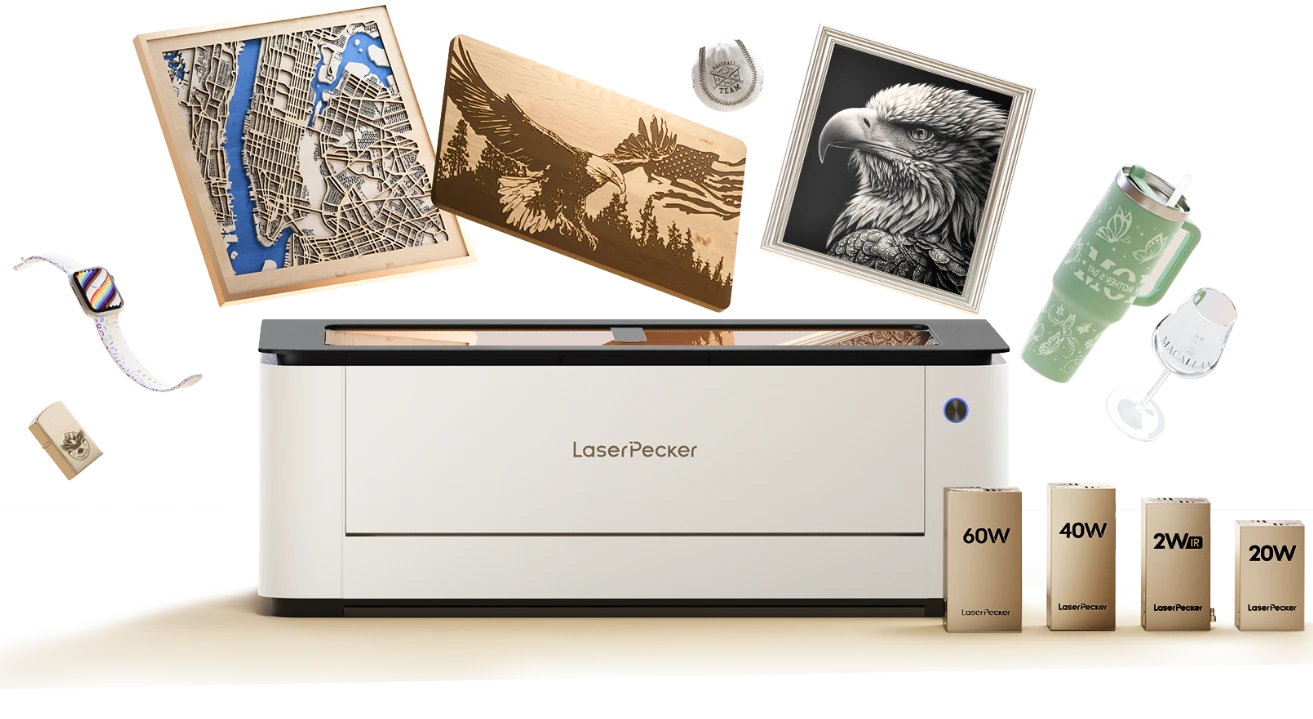
If you regularly create dollhouses, miniature models, or craft projects, a desktop laser cutter can significantly improve both efficiency and build quality. The LaserPecker LX2 combines laser cutting and engraving capabilities, allowing makers to transform digital designs into highly detailed dollhouse components with minimal manual effort.
-
High-Precision Laser Cutting
The LX2 produces accurate cuts that are ideal for miniature walls, windows, staircases, roof sections, furniture pieces, and other detailed dollhouse components. -
Integrated Engraving Function
In addition to cutting, the LX2 can engrave decorative details such as brick patterns, wood grain textures, floor tiles, window trims, and personalised names directly onto the material. -
Dual-Laser Technology
Featuring both a 450nm diode laser and a 1064nm infrared laser, the LX2 supports a wide range of materials, providing greater creative flexibility for custom dollhouse projects. -
Consistent Digital Accuracy
By following digital design files, the LX2 enables users to reproduce matching dollhouse parts accurately and efficiently, which is particularly useful for larger or multi-room designs. -
Large Working Area
With a working area of up to 500 mm × 305 mm (19.7" × 12"), multiple panels and miniature accessories can be processed in a single job, helping to reduce production time. -
Class 1 Laser Safety for Home Use
The LaserPecker LX2 is designed with Class 1 laser safety protection, helping to provide a safer operating environment for home workshops, studios, classrooms, and maker spaces. -
Compatible with the LaserPecker Desktop Smoke Purifier
For indoor use, the LX2 can be paired with the LaserPecker Desktop Smoke Purifier. The purifier helps filter smoke, odours, and airborne particles generated during laser cutting and engraving, creating a cleaner and more comfortable workspace.
Comparison of Dollhouse-Making Methods
| Method | Cost | Difficulty | Precision | Customisation | Durability |
|---|---|---|---|---|---|
| Cardboard + Craft Knife | Low | Easy | Low | Medium | Low |
| Wood + Jigsaw | Medium | Medium | Medium | Medium | High |
| Laser Cutter | Medium-High | Easy-Medium | High | High | High |
FAQs: Hot Questions about Making a Dollhouse
Q1: How much does it cost to make a dollhouse?
The total cost depends on the materials, tools, and level of detail involved. A cardboard dollhouse can be made for very little money using recycled materials, while wooden dollhouses typically cost more due to plywood, MDF, and hardware requirements. Laser-cut dollhouses may require a higher initial investment, but they offer greater precision, faster production, and improved consistency.
Q2: What is the best material for building a dollhouse?
The best material depends on your project goals. Cardboard is affordable and easy to work with, making it suitable for beginners. Plywood is a popular choice for durable dollhouses because it is lightweight, strong, and easy to finish. MDF is also widely used thanks to its smooth surface and clean cutting performance.
Q3: Is laser cutting better than hand cutting for dollhouses?
For most projects, laser cutting provides superior accuracy and repeatability. It can produce intricate details, clean edges, and matching components directly from a digital design file. Hand cutting remains a practical option for simple DIY projects but may be less accurate for complex designs.
Q4: Can beginners use a laser cutter to make a dollhouse?
Yes. Many modern desktop laser cutters are designed for beginners and include user-friendly software. Once a design file is prepared, the machine can handle much of the cutting and engraving process automatically, making it easier to create professional-looking dollhouse components.
Q5: What size should a dollhouse be?
The ideal size depends on the scale of the dolls and furniture you plan to use. A 1:12 scale is the most common choice because it offers realistic proportions and ample space for miniature accessories. Compact 1:24 scale dollhouses are also popular when space is limited.
Q6: Where can I find dollhouse plans and design files?
Dollhouse plans can be found through craft websites for laser & diy, woodworking communities, design marketplaces, and laser-cutting project libraries. Many makers also create their own custom layouts using vector design software, allowing them to personalise room layouts, architectural styles, and decorative details.
Conclusion
Making a dollhouse is a rewarding DIY project that combines creativity, craftsmanship, and design. Whether you choose a simple cardboard model or a more durable wooden construction, each method offers unique benefits depending on your budget, experience level, and project goals.
For hobbyists, educators, and makers across the UK who want greater precision, cleaner cuts, and more design flexibility, laser cutting offers the most efficient approach. Compared with traditional hand-cutting methods, laser cutters can produce highly accurate components, intricate decorative details, and repeatable results with less manual effort.
Compact desktop laser cutter such as the LaserPecker LX2 combine precision cutting, detailed engraving, and broad material compatibility, making them a practical solution for home workshops, classrooms, craft studios, and small-scale creative businesses throughout the UK.