

































Making leather earrings may look simple, but achieving clean shapes, matching pairs, and precise hole placement can be surprisingly difficult. Different crafting methods also affect the final quality, production speed, and design flexibility.
Today, two of the most popular methods are hand cutting and laser cutting. Handcrafted leather earrings offer a personal, handmade feel, while laser cutting provides higher precision, cleaner edges, and better consistency for detailed designs.
This guide explores both methods, compares their pros and cons, and explains why many UK makers and small business owners now prefer laser cutting machines for creating professional leather earrings with less effort.

In this article:
- Part 1: Why Do Leather Earrings Stand Out
- Part 2: Two Popular Methods for Making Leather Earrings
- Method 1: Hand Cutting
- Method 2: Laser Cutting
- Part 3: How to Make Leather Earrings with Laser Cutting
- Part 4: Tips for Making Leather Earrings with Laser Cutting
- Part 5: FAQs about Making Leather Earrings
Part 1: Why Do Leather Earrings Stand Out?
Leather earrings have become increasingly popular in the UK because they combine stylish designs with lightweight comfort. Unlike heavier metal jewellery, leather feels soft and easy to wear throughout the day, making it suitable for both casual outfits and special occasions.
Key Benefits of Leather Earrings
Leather earrings stand out for several reasons:
- Lightweight comfort: even oversized designs remain comfortable for long periods
- Flexible material: leather is easy to cut, shape, and layer into detailed patterns
- Design versatility: works well with paint, engraving, textures, and mixed materials
- Personalised styles: ideal for customised jewellery and handmade gifts
Another advantage is that leather is highly compatible with modern crafting tools. For UK hobbyists and small business owners, laser cutting allows cleaner edges, more accurate shapes, and faster production compared to manual cutting methods.
Who Should Wear Leather Earrings?
Leather earrings appeal to a wide range of users, including:
- Handmade jewellery enthusiasts
- People who prefer lightweight accessories
- DIY crafters and Not On The High Street sellers
- Small jewellery businesses and market vendors
Because leather earrings can range from minimalist to bold statement styles, they suit different fashion preferences and age groups.
Part 2: Two Popular Methods for Making Leather Earrings
There are two common ways to make leather earrings: hand cutting and laser cutting. Each method differs in cost, learning curve, production speed, and final quality. Choosing the right option depends on whether you prefer casual DIY crafting or more professional, repeatable results.
Method 1: Hand Cutting
Hand cutting uses simple tools such as craft knives, scissors, leather punches, and paper templates. The design is first drawn onto the leather, then cut manually before holes are added for the earring hooks. Finally, the edges are cleaned and smoothed by hand.
This method remains popular among beginners because it is affordable and requires very little equipment. It also offers a more handmade crafting experience without relying on software or digital tools.
However, hand cutting also has several limitations:
- Precision depends heavily on skill and experience
- Matching symmetrical earrings can be difficult
- Intricate patterns take longer to complete
- Batch production is slow and less consistent
For UK crafters making occasional DIY jewellery, hand cutting can still be a practical starting point.
Method 2: Laser Cutting
A laser cutter uses a focused laser beam to cut leather based on a digital design file. Shapes, hook holes, and decorative details can all be completed in a single process, producing smooth edges and highly consistent results.
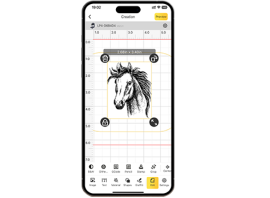
A laser cutter used for leather projects typically supports both laser cutting and laser engraving. Besides cutting precise shapes, it can also engrave textures, patterns, initials, or logos directly onto the leather surface. Because the process is digitally controlled, designs can be resized, duplicated, and adjusted easily without redrawing templates by hand.
For leather earrings, laser cutting offers several major advantages:
- High precision for delicate cut-outs and intricate patterns
- Clean and professional-looking edges
- Faster workflow with less manual effort
- Excellent consistency for matching earring pairs
- Efficient batch production for small businesses
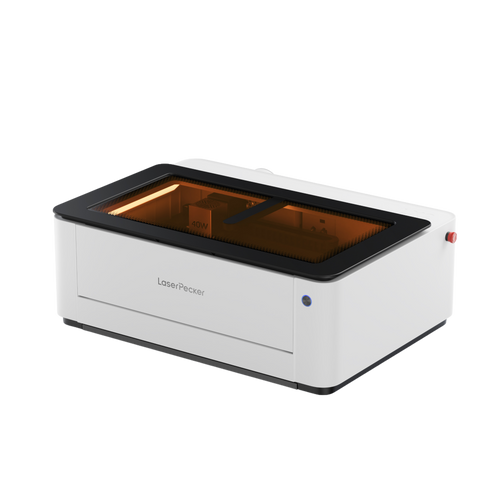
The learning process is also simpler than many beginners expect. Even users with limited crafting experience can quickly create detailed designs using beginner-friendly machines such as the LaserPecker LP2 Plus.
For users in the UK, compact laser machines are especially suitable for home workshops and small creative businesses because they save time while maintaining professional-quality results.
Hand-Cut vs Laser Cutting: How to Choose?
| Aspect | Hand-Cut Method | Laser Cutting Method |
|---|---|---|
| Precision | Depends on skill | Very high and consistent |
| Design Complexity | Limited | Supports intricate patterns |
| Speed | Slower for batches | Fast and repeatable |
| Consistency | Varies between pieces | Excellent uniformity |
| Customisation | Manual detailing only | Cutting + engraving |
| Best For | Casual DIY projects | Professional or scalable production |
From this comparison, laser cutting is generally the recommended method for making leather earrings.
Compared with traditional hand cutting, using a laser cutter such as the LaserPecker LP2 Plus not only improves cutting precision but also allows personalised engraving on the same machine. This combination makes it easier to produce refined, repeatable jewellery designs while still maintaining creative flexibility.
Part 3: How to Make Leather Earrings with Laser Cutting
Laser cutting combines precision technology with creative crafting, making it much easier to produce detailed leather earrings with professional-looking results. Instead of relying on scissors or manual cutting tools, a laser cutter can accurately cut shapes, hook holes, and decorative patterns in just a few passes.
For leather earrings and other small accessories, this means:
- Cleaner edges with less manual finishing
- More accurate and symmetrical designs
- Faster production for multiple pairs
- Easier creation of delicate cut-out patterns
- Consistent results across every piece
Even beginners can quickly create refined leather jewellery without advanced handcraft skills.
Why the LP2 Plus Works Well for Leather Earrings
Choosing the right machine is one of the most important parts of leather laser crafting. The LaserPecker LP2 Plus is especially suitable for UK hobbyists, Not On The High Street sellers, and small jewellery businesses because it combines portability, precision, and beginner-friendly operation.
Key advantages include:
- Precision Cutting: The high-resolution laser module creates sharp edges and detailed hollow patterns
- Multi-Material Support: Works with different leather thicknesses by simply adjusting settings
- Laser Cutting + Engraving: Cut shapes while also engraving textures, initials, or logos
- Portable & Flexible: The handheld mode and adjustable angles support different project sizes and surfaces
- Batch-Friendly Workflow: Helps maintain consistent quality across repeated designs and small production runs
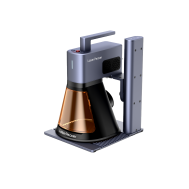
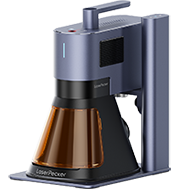
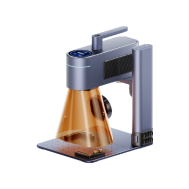
For users concerned about indoor safety, the LP2 Plus can also be paired with the LaserPecker Standard Enclosure, allowing it to operate under Class 1 Laser Safety conditions. In addition, pairing it with the LaserPecker Desktop Smoke Purifier helps filter smoke, odours, and airborne particles generated during engraving and cutting, making indoor crafting cleaner and safer for home workshops.
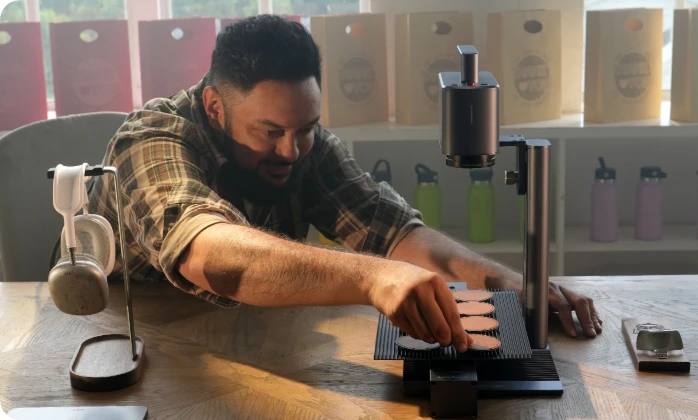
With these features, leather laser cutting becomes not only faster and more precise but also far more creative and scalable.
Step 1: Choose the Right Leather
Natural leather or vegetable-tanned leather is usually the best choice for laser cutting. Thin leather between 0.8 mm and 1.5 mm works particularly well because it keeps earrings lightweight and comfortable to wear.
Avoid heavily coated leather or PVC-based materials, as they may produce harmful fumes during cutting.
Step 2: Create Your Design
Use design software to create your earring patterns. You can keep the design minimal or experiment with layered shapes, hollow details, geometric styles, or engraved textures.
Personalised engraving such as names, initials, or decorative patterns can also add a more premium handmade look.
Step 3: Prepare the Leather
Place the leather flat inside the machine and ensure it stays smooth and stable during the cutting process. Proper positioning helps improve cutting accuracy and edge quality.
Step 4: Adjust the Laser Settings
Set the laser power, speed, and focus based on the leather thickness.
General recommendations:
- Thin leather: lower power with faster speed
- Engraving: lighter settings for cleaner surface details
- Thicker leather: slower speed with slightly increased power
Step 5: Test on Scrap Leather
Before cutting the final design, run a small test on scrap leather. This helps fine-tune the settings and reduces the risk of damaging your main material.
Step 6: Start Cutting and Engraving
Once the settings are ready, begin the cutting and engraving process. A laser cutter creates smooth edges, precise hook holes, and highly consistent shapes with minimal manual effort.
Step 7: Inspect the Pieces
After cutting, check the edges and engraved details. Most laser-cut leather pieces require very little clean-up compared with hand-cut designs.
Step 8: Assemble the Earrings
Use pliers to attach jump rings, hooks, or studs. Layered elements can be glued or stacked to create more dimensional designs. Once assembled, the earrings are ready to wear or sell.
Part 4: Tips for Making Leather Earrings with Laser Cutting
Laser cutting makes leather earring production faster and more precise, but material preparation and safety still play an important role in achieving professional-quality results.
Tip 1: Avoid Synthetic Leather Containing PVC
Not all artificial leather is suitable for laser cutting. Some synthetic materials contain PVC, which can release harmful fumes during the cutting process and may also damage the machine.
Before starting, always check the material specifications and choose laser-safe leather whenever possible. Natural leather and vegetable-tanned leather are usually the safest and most reliable options.
Tip 2: Ensure Proper Ventilation
Laser cutting leather naturally produces smoke, odours, and airborne particles. Maintaining proper ventilation helps improve both safety and cutting quality.
For UK home workshops or indoor crafting spaces, many users pair the LP2 Plus with the LaserPecker Desktop Smoke Purifier to help filter smoke and reduce unpleasant smells during engraving and cutting. Combined with the LaserPecker Standard Enclosure, this setup also helps create a cleaner and safer indoor working environment with Class 1 Laser Safety protection.
Tip 3: Choose the Right Leather Thickness
Thin leather is generally better for earrings because it keeps the finished jewellery lightweight and comfortable to wear.
Recommended thickness:
- Around 0.8 mm to 1.5 mm for most earring projects
- Thin materials also cut faster and more cleanly
- Thick leather may increase cutting time and produce heavier earrings
Choosing the correct thickness improves both comfort and production efficiency.
Tip 4: Test Materials and Settings Before Production
Before cutting the final design, always run a small test on scrap material first. Different leather types may react differently to laser power and speed settings.
A quick test helps you check:
- Cutting depth
- Edge quality
- Engraving clarity
- Smoke marks or burn effects
This simple step can reduce material waste and improve the consistency of your final leather earrings.
Part 5: FAQs about Making Leather Earrings
Q1. What supplies are needed to make leather earrings?
Traditional Hand-Cut Method – Tools Needed
- Leather sheets
- Scissors or craft knives
- Hole punch tools
- Earring hooks or studs
- Jump rings
- Jewellery pliers
- Optional edge burnishing tools or leather conditioners
This method relies heavily on manual accuracy and is generally best for small DIY jewellery projects.
Laser Cutting Method – Tools Needed
- PVC-free leather sheets
- Earring hooks, studs, and jump rings
- A laser cutter (such as the LaserPecker LP2 Plus)
- Design software
- Proper ventilation or smoke filtration equipment
- Optional leather finishing products
Laser cutting supports highly precise patterns, smooth edges, and repeatable production quality, making it ideal for UK Not On The High Street sellers, craft businesses, and customised jewellery production.
Q2. Can synthetic or faux leather be used for laser cutting?
Yes, some faux leather materials can be laser cut successfully. However, it is important to avoid materials containing PVC or unknown chemical coatings, as they may release harmful fumes during processing.
Always check the manufacturer's material information and test a small sample before full production.
Q3. Why do leather edges turn dark after laser cutting?
Darkened edges are a natural result of heat exposure during laser cutting, especially when using genuine leather. Many makers actually prefer this effect because it creates a finished and slightly burnt decorative look.
If you prefer lighter edges, you can:
- Lightly sand the edges
- Apply leather edge paint or conditioner
- Reduce laser power settings during cutting
Q4. What type of leather works best for laser-cut earrings?
Vegetable-tanned leather and natural leather are usually the best choices because they cut cleanly and engrave well.
For earrings, thinner leather between 0.8 mm and 1.5 mm is generally recommended because it remains lightweight and comfortable to wear.
Q5. Is laser cutting leather safe for indoor use?
Yes, laser cutting leather can be safe indoors when proper safety equipment and ventilation are used.
Many UK users pair the LP2 Plus with the LaserPecker Standard Enclosure for Class 1 Laser Safety protection. Using the LaserPecker Desktop Smoke Purifier also helps reduce smoke, odours, and airborne particles during cutting and engraving.
Q6. Can beginners use a laser cutter for leather earrings?
Absolutely. Modern laser cutters are much more beginner-friendly than many people expect.
Machines such as the LaserPecker LP2 Plus simplify the process through digital design control, allowing beginners to create detailed leather jewellery without advanced crafting skills.
Q7. Is laser cutting better than hand cutting for leather earrings?
For most users, laser cutting offers better precision, cleaner edges, and faster production compared with hand cutting.
Hand cutting may still suit casual DIY crafting, but laser cutting is usually the preferred option for intricate designs, personalised jewellery, and small business production.
Q8. Can a laser cutter engrave patterns on leather earrings?
Yes. Besides cutting shapes, a laser cutter can also engrave names, logos, textures, and decorative patterns directly onto leather surfaces.
This makes it easier to create personalised earrings and professional-looking jewellery collections.
Conclusion
Leather earrings combine lightweight comfort with creative style, making them a popular choice for handmade jewellery lovers. While hand cutting can still work well for casual DIY projects, laser cutting offers a much more precise, efficient, and professional approach.
With a laser cutter, users can create clean edges, intricate cut-out patterns, and personalised engravings far more easily than with manual tools. It also improves consistency, which is especially valuable for small businesses, Not On The High Street sellers, and batch production.
Whether you are creating your first pair of earrings or building a jewellery brand in the UK, choosing the right cutting method can make a huge difference in both quality and workflow. Machines such as the LaserPecker LP2 Plus help makers produce detailed leather earrings more efficiently while maintaining creative flexibility.