































Shoes do more than protect your feet — they are a key part of personal style. From trainers to boots, customised footwear allows you to move beyond standard designs and create something that truly reflects your personality.
Whether you're working with a brand-new pair or refreshing old favourites, shoe customisation offers a creative way to stand out. In this guide,

In this article:
- Part 1: Introduction to Customising Shoes
- Part 2: Customise Shoes Before Purchasing
- Part 3: Customise Shoes After Purchasing
- Method 1: Painting
- Method 2: Dyeing
- Method 3: Embroidery
- Method 4: Laser Engraving
- Part 4: How to Customise Shoes by Laser Engraving
- Part 5: FAQs about Customising Shoes
Part 1: Introduction to Customising Shoess
Customising shoes goes far beyond simply changing colours. It's about expressing personality, creativity, and individuality through footwear. From painting and embroidery to colour treatments and even laser-based techniques, there are many ways to transform ordinary shoes into something personal and distinctive.
Custom designs can tell a story, reflect personal interests, or simply add a unique visual touch. Some brands allow customisation before purchase through online tools, while others prefer the hands-on approach of modifying shoes after buying them. Each option offers its own appeal, giving you the freedom to create footwear that genuinely stands out.
Why Customise Shoes?
Choosing customised shoes means you're no longer limited to what's available on the shelf. Instead of wearing the same styles as everyone else, customisation allows you to take control of colours, patterns, and small details that reflect your own style.
Beyond appearance, customised shoes often carry personal meaning. They can represent creativity, identity, or even a specific moment or idea—turning everyday footwear into something closer to wearable art.

Benefits of Customizing Shoes
Custom shoe design offers several clear advantages:
- Make it You: Custom shoes reflect who you are, allowing you to choose colours, materials, and designs that match your style.
- Stand Out: Custom shoes are one of a kind. You won't catch anyone else wearing the same pair.
- Rad Gifts: Personalised shoes make thoughtful gifts for birthdays, holidays, or special occasions, especially when paired with custom messages or designs.
- Creative Freedom: Shoe customisation encourages creativity, whether through painting, stitching, colour work, or experimental design techniques.
Part 2: Customise Shoes Before Purchase
Some footwear brands offer built-in customisation options before you buy, allowing you to personalise shoes directly through their official platforms. This approach lets you select colours, materials, patterns, and sometimes add custom text or graphics—ensuring the final product arrives exactly as designed, without the need for post-purchase modification.
Pre-purchase customisation is ideal for those who want a clean, factory-finished result while still enjoying creative control over the design.
Method 1: Nike
Nike By You allows customers to design their own trainers by customising individual components of the shoe. You can choose materials, colours, and finishes for areas such as the upper, sole, swoosh, and laces.
Selected models also support personalised text, making this option suitable for name-based designs or special messages, all while maintaining Nike's original construction and quality standards.
Method 2: Vans
Vans offers a highly creative customisation programme focused on its classic silhouettes. Users can select from a wide range of colours, patterns, and prints, or upload original artwork to be applied directly to the shoe.
Method 3: Adidas
Adidas provides customers with the ability to customise selected sneaker models before purchase. Options typically include colour selection, material choices, and personalised text.
This method combines adidas' performance-oriented design with individual styling preferences, resulting in footwear that feels both personal and professionally finished.
Part 3: Customise Shoes After Purchasing
Once you've bought a pair of shoes, customisation options become even more flexible. Post-purchase shoe customisation allows you to adapt footwear based on material, design goals, and available tools, giving you full creative control over the final look.
From hand-applied finishes to advanced engraving techniques, the following methods are among the most practical and commonly used ways to customise shoes after purchase.
Method 1: Painting
Painting is one of the most accessible shoe customisation methods. Using acrylic paints, fabric paints, or specialised sneaker paints, you can transform plain shoes into visually striking designs.
This method works well for both bold artistic styles and detailed illustrations, depending on skill level and preparation.
Method 2: Dyeing
Dyeing allows you to change the base colour of shoes, particularly those made from leather, canvas, or certain synthetic fabrics. Light-coloured shoes generally produce the best results, as darker colours may limit colour absorption.
Dyeing is best suited for full-colour transformations rather than detailed patterns.
Method 3: Embroidery
Embroidery adds stitched designs directly onto the shoe surface, creating a refined and textured appearance. This method is often used for initials, logos, or decorative motifs, and works best on fabric-based shoes.
While more time-consuming, embroidery offers durability and a premium, handcrafted feel.
Method 4: Laser Engraving
Laser engraving enables precise and permanent customisation on materials such as leather, PU, and certain synthetic uppers. Designs are engraved directly into the surface, resulting in clean lines and long-lasting detail.
This method is particularly suitable for intricate graphics, logos, or personalised text.
Comparison Table
| Aspect | Painting | Dyeing | Embroidery | Laser Engraving |
|---|---|---|---|---|
| Precision | Medium | Low | High | Very High |
| Durability | Medium | High | High | Very High |
| Materials Supported | Canvas, leather | Leather, fabric | Fabric | Leather, synthetic materials |
| Design Complexity | Medium | Low | Medium–High | Very High |
| Cost | Low–Medium | Medium | Medium–High | Medium–High |
Laser engraving stands out for its exceptional precision, durability, and ability to handle complex designs, making it a strong option for high-end shoe customisation.
Part 4: How to Customise Shoes Using Laser Engraving
Laser engraving is a powerful customisation technique that uses a focused laser beam to engrave designs directly into the shoe surface. It allows for extremely fine detail, clean edges, and long-lasting results that are difficult to achieve with manual methods such as painting or stitching.
Step-by-Step Guide: Laser Engraving Shoes
Step 1. Grab your shoes
Leather and coated synthetic shoes work best for laser engraving. Natural fabrics such as cotton or polyester may not produce consistent results and often require alternative methods.
2. Choose Your Design
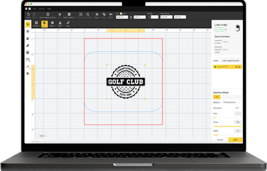
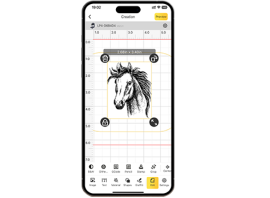
Use graphic design software (like LaserPecker Design Space, or LightBurn) to make or upload your design.
3. Prep the Machine
Configure laser speed and power settings based on the shoe material to ensure clean engraving without damage.
4. Let it Engrave
Put the shoe in the machine and get the engraving going.
5. Clean Up
Throw on some leather conditioner or protective spray to keep the design looking fresh, if needed.
What you get is a clean, long-lasting design that makes your shoes look totally custom and pro.

Best Laser Engraving Tool for Shoe Customisation
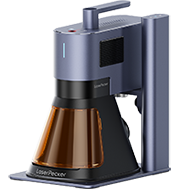
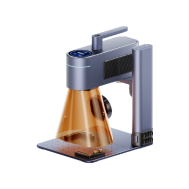
For those serious about customising shoes, the LaserPecker LP4 is a compact and versatile option suitable for both beginners and experienced users. Its portable design makes it practical for home studios, small workshops, or mobile customisation setups.

TWith engraving speeds of up to 4000 mm/s and 8K resolution, the LP4 delivers sharp text, detailed logos, and complex artwork in a short amount of time.

Its touchscreen interface allows easy switching between laser types, while features such as Engrave Again support quick repetition of designs. Compatibility with LightBurn and LaserPecker Cloud also makes workflow setup straightforward.
For larger designs on trainers or boots, the optional slide extension makes sure everything lines up perfectly and looks clean. This makes it easy to create designs that would be hard to do with painting or sewing.
The LaserPecker LP4 lets anyone do professional laser engraving, so you can make strong, detailed, and different designs that make your custom shoes pop.
Part 5: Common Questions About Customising Shoes
Q1. Can any type of shoe be customised?
Most shoes can be customised, but results depend heavily on the material. Leather and canvas are the most versatile, while heavily perforated or textured surfaces can be more challenging. Laser engraving works best on smooth, coated materials.
Q2. Is laser engraving safe for shoes?
Yes, when done correctly. Using the appropriate power and speed settings, laser engraving does not damage leather or coated synthetic shoes. Always test on a small area first, especially with softer materialsYes, laser engraving is safe for shoes when performed correctly and with proper safety measures. Using suitable power and speed settings, laser engraving will not damage leather or coated synthetic shoe materials. As with any laser process, it is strongly recommended to test on a small, hidden area first—especially when working with softer leather or layered materials.
For users in the UK, safety should always be a priority when laser engraving shoes made from leather, synthetic materials, or fabric components.
- LP2 Plus, LP2, and LP4 users: We recommend pairing your machine with the LaserPecker Standard Enclosure when operating in home or workshop settings across the eruope. This accessory enhances protection, complementing the machines' Class 4 Laser Safety compliance under guidelines.
- LP5 users: The LP5 Safety Enclosure is required for proper protection during operation. It ensures adherence to UK safety regulations, safeguarding against accidental exposure in residential or small business environments.
- LX2 users: No additional enclosure is needed. The LX2 is a Class 1 laser system, meaning it is safe to use without extra protective equipment under normal operating conditions.
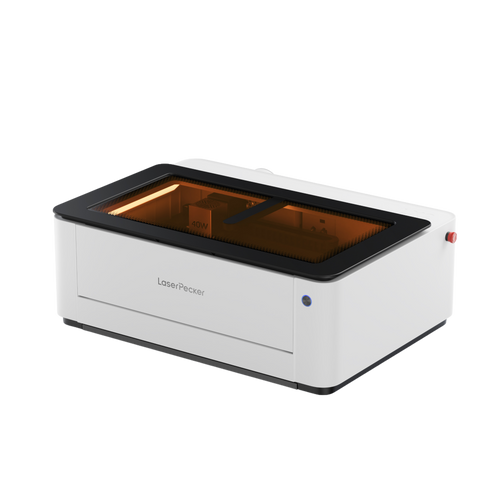
Beyond laser safety, air quality is a key consideration for indoor workshops. Laser processing generates fumes and fine particles that may impact respiratory health. To meet indoor air quality guidelines and maintain a clean, safe workspace, we strongly recommend using the LaserPecker Desktop Air Purifier , particularly for enclosed or well-insulated homes and studios.
Q3. How Long Does This Take?
All depends:
Ordering from big names, like Nike or Adidas? It could be days or weeks because of making and shipping.
Doing some painting yourself? You could be done in hours if you let it dry.
Adding stitches might take hours; it just depends on your design.
Lasers are fast. Easy designs? Minutes. Complicated ones? Maybe an hour.
Q4. Can I Do It Myself if I'm a Total Beginner?
For sure! Easy stuff, such as painting or adding stitches, is easy to pick up. Lasers are easy too, especially with machines such as the LaserPecker LP4. With designs ready to go, phone apps, and changeable settings, total newbies can make stuff that looks pro. Just start with something small, practice first, and then go big.
Conclusion
Customising shoes is about more than keeping up with trends — it's a creative way to express individuality and transform everyday footwear into something personal. Whether you choose to customise shoes before purchase through brand platforms or redesign a pair you already own, there are options to suit every style and skill level.
From simple painting and embroidery to advanced laser engraving, each method offers a different balance of creativity, precision, and durability. For those seeking clean, long-lasting, and highly detailed results, laser engraving stands out as a particularly effective solution. With tools such as the LaserPecker LP4, even home users can achieve professional-quality customisation.
Ultimately, shoe customisation turns footwear into wearable art — a practical yet expressive way to elevate personal style and make every step your own.