





























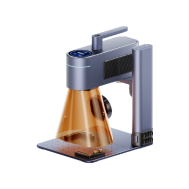


A hoodie does more than just keep you warm — it's a way to express your personality. A customised hoodie lets you showcase your style, promote your brand, or create a thoughtful and unique gift. With tools such as the LaserPecker LP4, creating your own personalised hoodie designs at home has become more accessible than ever. You can easily transform a simple hoodie into a distinctive statement piece.
In this guide, we'll explore why customised hoodies are so popular, compare several common hoodie personalisation methods, and walk you through how to customise a hoodie using a laser engraver.

In this article:
- Part 1: Why Are Custom Hoodies So Popular
- Part 2: 7 Ways to Customise Hoodies
- Method 1: Laser Engraving
- Method 2: Direct to Garment
- Method 3: Direct to Film
- Method 4: Screen Printing
- Method 5: Embroidery
- Method 6: Sublimation
- Method 7: Hand Painting
- Part 3: How to Make Your Own Custom Hoodie with LaserPecker LP4
- Part 4: Common Mistakes to Avoid
- Part 5: FAQs for Making a Custom Hoodie
Part 1: Why Are Custom Hoodies So Popular
Custom hoodies have become increasingly popular in recent years, and it's easy to see why. They're comfortable, versatile, and offer a simple way to express your personality. Think of a hoodie as a blank canvas for your ideas — whether you add a favourite quote, a creative graphic, or a small business logo, a customised hoodie can reflect your identity or message.

Social media trends and the growing interest in personalised fashion have also played a major role in their popularity. Many people in the UK enjoy wearing clothing that feels unique and stands out from the crowd, especially for events, group activities, or personalised gifts. For small businesses and independent creators, customised hoodies are also a practical way to increase brand visibility, turning everyday clothing into mobile promotion.
Another reason custom hoodies are so accessible today is the availability of modern personalisation technologies. With tools such as laser engraving and direct-to-garment printing, it's now possible to create professional-looking hoodie designs from home or small creative workspaces.
Part 2: 7 Ways to Customise Hoodies
There are several effective ways to add text, graphics, or branding elements to a hoodie. Each customisation method offers different advantages in terms of durability, setup cost, material compatibility, and design flexibility. Below is a comparison of seven widely used techniques to help you choose the most suitable approach for your project.
Method 1: Laser Engraving
Laser engraving is a precise and modern way to personalise hoodies by using a focused laser beam to remove a thin layer of fabric and create long-lasting contrast designs. It works especially well for minimalist artwork, text-based layouts, logos, and decorative textures.
Here are some design ideas:
1. Text – Names, quotes, or typography designs that remain sharp over time
2. Logos – Ideal for clubs, teams, and small brands requiring clean outlines
3. Illustrations – Icons or stylised artwork with subtle shading effects
4. Patterns – Borders, textures, or geometric elements for a modern finish
5. Signatures – Personal handwriting designs for meaningful gifts
Laser engraving is also an environmentally conscious customisation method because it does not require inks, dyes, or solvents. Once a desktop laser engraver is set up, ongoing operating costs remain low, making it a practical solution for hobbyists and small creative businesses.
Method 2: Direct to Garment
Direct to Garment (DTG) printing applies ink directly onto the fabric surface, similar to an inkjet printer designed for textiles.
It is especially suitable for detailed artwork, gradients, and photo-style designs because the ink absorbs into the fibres rather than sitting on top of the fabric. This creates a smooth finish without a raised texture.
DTG works best on cotton hoodies and is widely used for creative illustrations, portraits, and colourful graphic layouts. Although setup and ink costs can be higher than some other methods, it remains a popular choice for high-quality small production runs.
Method 3: Direct to Film
Direct to Film (DTF) printing is a flexible and widely used technique in modern custom apparel production.
The design is printed onto a transfer film, coated with adhesive powder, and heat pressed onto the hoodie surface. This method produces strong, vibrant colours and works across a wide range of fabrics, including cotton and polyester blends.
Because DTF supports small batch production and print-on-demand workflows, it is especially useful for small clothing brands and independent creators.
Method 4: Screen Printing
Screen printing is a traditional and reliable technique for producing bold and durable hoodie designs.
Each colour layer is applied using a separate stencil, resulting in vibrant prints that remain consistent across large production runs. Once the screens are prepared, this method becomes highly cost-effective for bulk orders.
It is commonly used by schools, organisations, and businesses producing promotional hoodies or uniforms.
Method 5: Embroidery
Embroidery adds a premium and structured appearance to hoodie designs by stitching coloured thread directly into the fabric surface.
Because the thread becomes part of the garment, embroidered elements remain highly durable even after repeated washing. This method is especially suitable for logos, initials, and branding elements that require a refined finish.
Embroidery is often preferred by companies, clubs, and fashion labels seeking a professional and long-lasting look.
Method 6: Sublimation
Sublimation printing uses heat to convert dye into gas, allowing it to bond directly with synthetic fibres.
This creates lightweight, full-colour prints that do not crack, peel, or fade easily. Sublimation works best on polyester or polyester-blend hoodies, particularly lighter-coloured garments that enhance colour vibrancy.
It is widely used for sportswear, performance clothing, and graphic-heavy hoodie designs.
Method 7: Hand Painting
Hand painting offers a highly creative and artistic way to customise hoodies using fabric paints or permanent textile markers.
Because each design is applied manually, every hoodie becomes a unique piece. This method allows for expressive brushwork, shading techniques, and experimental layouts that are difficult to reproduce with digital production methods.
Although time-intensive, hand-painted hoodies are valued for their originality and artistic character.
Comparison Table: Hoodie Customisation Methods
| Method | Durability | Setup Cost | Long-Term Cost | Suitable For | Key Feature |
|---|---|---|---|---|---|
| Laser Engraving | ★★★★★ | Medium | Low | Personal projects, small batches | Precise and permanent finish |
| DTG | ★★★★☆ | High | Medium | Detailed artwork | Photo-level detail |
| DTF | ★★★★☆ | Medium | Medium | Multiple fabrics | Strong colour performance |
| Screen Printing | ★★★★★ | High | Low (bulk) | Large production runs | Cost-efficient at scale |
| Embroidery | ★★★★★ | High | Medium | Logos and initials | Premium stitched texture |
| Sublimation | ★★★★☆ | Medium | Medium | Polyester garments | Bright full-colour printing |
| Hand Painting | ★★☆☆☆ | Low | High (time investment) | Artistic projects | Fully handmade results |
In short: while several methods are effective, laser engraving stands out as one of the most practical solutions for personalised hoodie projects. It offers excellent precision, long-lasting results, and low ongoing operating costs, making it particularly suitable for hobbyists and small creative businesses.
Part 3: How to Make Your Own Custom Hoodie with LaserPecker LP4
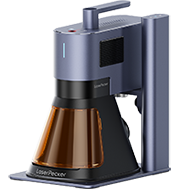
The LaserPecker LP4 makes it easy to create professional-looking laser-engraved hoodie designs from home or small creative workspaces. With the right setup and preparation, you can personalise hoodies with clean contrast effects that are suitable for gifts, branding, or everyday wear.
Step 1: Design Preparation
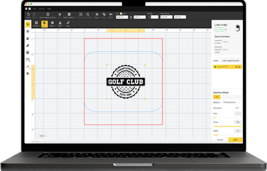
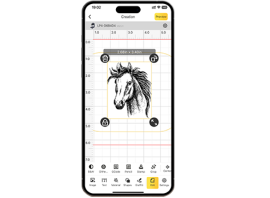
Create your design using software such as Adobe Illustrator, Canva, or the LaserPecker Design Space app. Simple line artwork and clearly defined shapes usually produce the best engraving results on hoodie fabric. Make sure your layout fits the intended engraving area, such as the chest, sleeve, or back panel.
Step 2: Set Up the LaserPecker LP4
Place the hoodie flat on a stable surface and smooth out any folds before engraving. Adjust the LP4 focus carefully to ensure the laser beam is sharp and consistent.
Then connect the device to your phone or computer using Bluetooth or USB via the LaserPecker app.
Step 3: Test Engraving Settings
Always test your design on a spare piece of fabric with a similar material composition to your hoodie. Adjust laser power and speed settings gradually until you achieve a clear contrast effect without damaging the fabric.
Step 4: Start Engraving
Keep the hoodie steady during the engraving process and start engraving using the LaserPecker app. The LP4 will reproduce your design with consistent detail and precision.
Step 5: Final Finishing Touches
Once engraving is complete, gently brush away any remaining residue from the surface. Your customised hoodie is now ready to wear or gift.
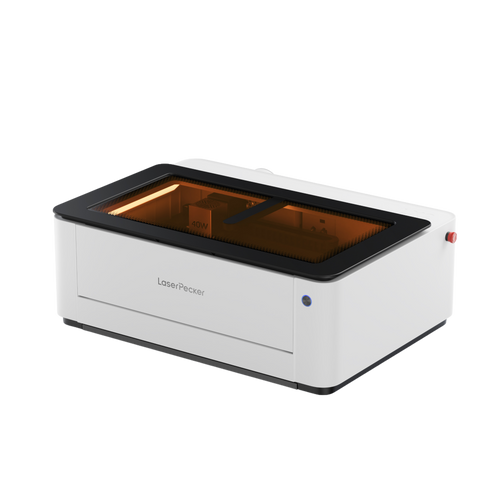
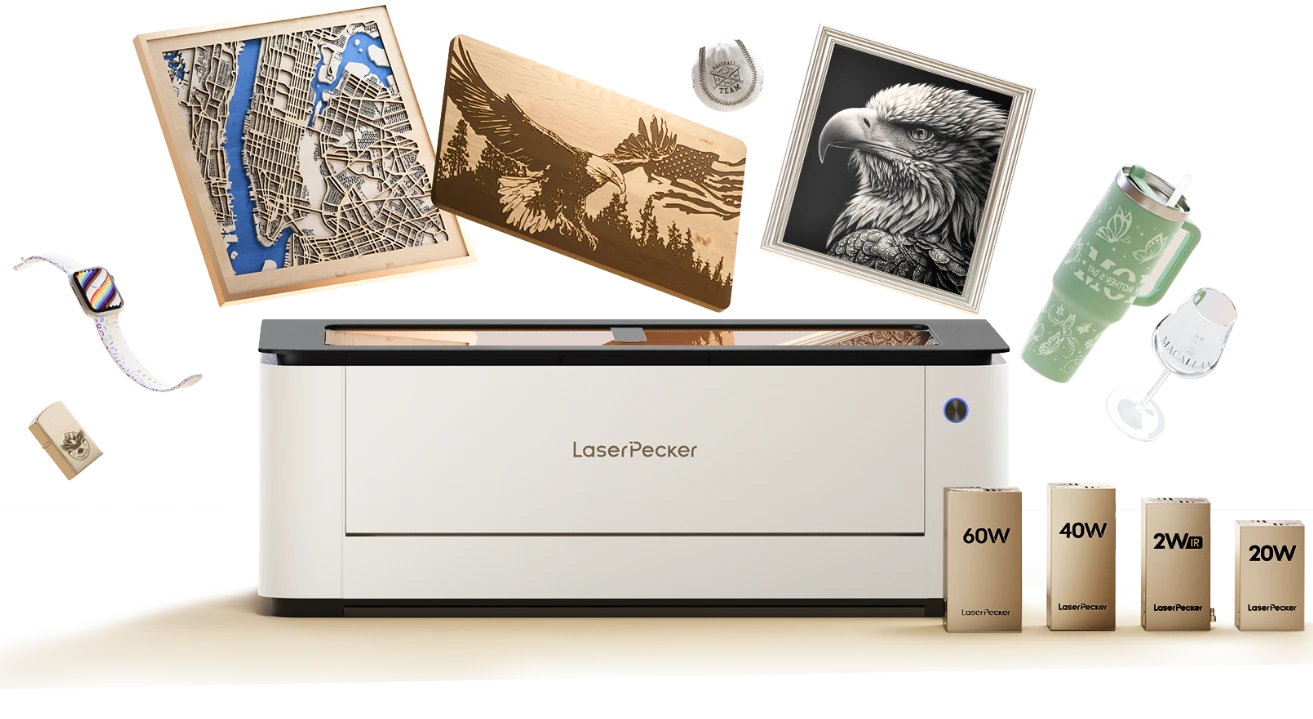
For users in the UK, choosing the right engraving machine often depends on workspace size and project scale. The LaserPecker LP4 remains a practical option for compact home crafting environments, while the LaserPecker LX2 is especially suitable when working with larger hoodie graphics or batch-style creative projects.
Why consider the LaserPecker LX2 for hoodie personalisation:
- ⚡ High-speed engraving performance
With engraving speeds up to 1000 mm/s and optimised motion control, the LX2 supports efficient creation of larger hoodie graphics. - 🔧 Tool-free laser module switching
Easily switch between 20W, 40W, or 60W diode modules and a 2W infrared module depending on hoodie fabric types, coated materials, or accessory components. - 🎯 Precision alignment with camera assistance
Point-to-Shape positioning combined with a 12MP / 6K camera helps ensure accurate placement when engraving centred chest artwork or large back designs. - 📦 Large-format engraving capability
The expanded working area makes it easier to engrave larger hoodie graphics in a single setup without repositioning the material. - 🔄 Rotary-ready flexibility
Optional rotary extensions allow engraving on curved accessories such as zipper pulls, tags, or matching promotional items. - 🛡️ Class-1 safety-certified enclosure design
Suitable for home studios, school maker spaces, and small creative workshops where safety compliance is important.
Part 4: Common Mistakes to Avoid
When customising hoodies with laser engraving, avoiding a few common mistakes can help improve both engraving quality and safety. Keep the following tips in mind before starting your project:
1. Choose Suitable Fabric Materials
Avoid pure polyester or very lightweight fabrics that can melt easily during engraving. For more reliable results, hoodies made from 100% cotton or cotton-blend fleece usually produce clearer contrast and more consistent engraving finishes.
2. Always Test on a Sample First
Test your engraving settings on a spare fabric sample with a similar material composition before working on the final hoodie. Different textiles respond differently to laser settings.
3. Select High-Contrast Hoodie Colours
Engraving on very light-coloured fabrics may reduce visibility. Mid-tone or darker hoodies typically create stronger contrast for clearer design results.
4. Start with Lower Laser Power Settings
Using excessive laser power can damage the fabric surface or create burn-through marks. Begin with lower power settings and adjust gradually for the best outcome.
5. Follow Basic Laser Safety Practices
Always ensure good ventilation while engraving and wear appropriate protective eyewear when required. Many enclosed desktop laser engravers with built-in safety protection are suitable for home crafting environments when used correctly.
Part 5: FAQs for Making a Custom Hoodie
Q1. Does laser engraving work on every hoodie fabric?
Laser engraving works best on natural fabrics such as cotton or cotton-blend fleece, as these materials produce clearer contrast results. Synthetic fabrics like polyester may react differently to heat and can sometimes melt or discolour. It's always recommended to test on a small fabric sample before engraving your final hoodie.
Q2. Can I safely use a laser engraver at home?
Yes — compact enclosed desktop laser engravers such as the LaserPecker LP4 are designed for home crafting environments and small creative workspaces. They include built-in safety protection features that make them suitable for indoor personalisation projects like engraving hoodie graphics, accessories, or small items.
For users working with larger textile layouts or multi-item projects, the LaserPecker LX2 is another suitable option. Its Class-1 safety enclosure, camera-assisted positioning, and larger engraving area make it practical for home studios where more workspace flexibility is needed.
As with any indoor engraving setup, good ventilation and correct machine positioning remain important when working on fabric or coated materials.
Q3. How long does it take to laser engrave a hoodie?
Engraving time depends on the size and complexity of your design. Small text or simple logos may take around 3–5 minutes, while larger or more detailed artwork can take 10–15 minutes. Portable high-speed laser engravers like the LaserPecker LP4 help reduce engraving time while maintaining clean results.
Q4. Can I customise a hoodie online before engraving it myself?
Yes. Many online design platforms allow you to prepare your hoodie artwork in advance by choosing colours, layouts, and graphic placement. Once your design is ready, you can download the file and engrave it locally using a compatible laser engraving machine.
Q5. What is the best method for adding pictures to a hoodie?
Printing methods such as DTF, DTG, or screen printing are ideal for colourful photo-style images. Laser engraving works best for contrast-based artwork and produces a durable textured finish that won't peel or fade over time.
Q6. Is laser engraving better than printing for custom hoodies?
Laser engraving is ideal for long-lasting contrast designs without inks or dyes. Printing methods are better suited for multi-colour graphics. Many hobbyists and small creative businesses choose laser engraving when durability and a premium engraved look are the priority.
Conclusion
Custom hoodies are more than everyday clothing — they offer a practical way to express personal style, promote a brand, or create meaningful gifts. With several customisation methods available, including printing, embroidery, and laser engraving, it's easier than ever to transform simple garments into distinctive statement pieces.
For creators looking for a durable and low-maintenance customisation method, laser engraving is a reliable option. Compact desktop devices such as the LaserPecker LP4 make it possible to produce precise hoodie designs from home crafting setups or small creative studios without complex equipment.
Whether you're experimenting with DIY projects, preparing personalised gifts, or developing a small clothing brand, laser engraving provides a flexible and professional-looking solution for long-lasting hoodie customisation.