

































Cutting a slot in wood is a fundamental skill for any woodworker. Whether you're making furniture, storage boxes, signage, or even functional mechanical parts, slots play a key role in improving how components fit together, guiding movement, and enhancing both strength and appearance.
With modern tools such as laser cutters becoming increasingly accessible, achieving precise and consistent results is now easier than ever.
In this guide, we'll walk you through how to cut a slot in wood using several popular methods. We'll compare the pros and cons of each approach and provide step-by-step instructions—including how to use modern laser cutters for clean, accurate cuts with minimal effort.

In this article:
- Part 1: Why Do You Need to Cut a Slot in Wood?
- Part 2: Four Ways to Cut a Slot in Wood
- Method 1: Cutting a Slot with a Handsaw and Chisel
- Method 2: Using a Router to Cut a Slot in Wood
- Method 3: Using a Drill Press and Chisel to Cut a Slot
- Method 4: Cutting a Slot in Wood with a Laser Cutter
- Part 3: Why Laser Cutting Is a Great Way to Cut a Slot in Wood
- Part 4: Tips to Cut a Slot in Wood with Laser Cutting
- Part 5: FAQs about Cutting a Slot in Wood
Part 1: Why Do You Need to Cut a Slot in Wood?
Wood slots—also known as grooves, channels, or dado cuts—serve a wide range of practical and decorative purposes in woodworking. In UK homes, where space efficiency and bespoke furniture are highly valued, slots are often used in both modern DIY projects and traditional joinery work. From fitted wardrobes in Victorian terraces to custom shelving in new-build flats, slot cutting plays an important role in everyday woodworking.
Here are some of the most common uses:
#1: Joinery support
Slots are frequently used to create strong joints for shelves, bookcases, kitchen cabinets, and storage units, improving stability and alignment. This is especially useful in fitted alcove shelving, a popular feature in many UK living rooms.
#2: Decorative details
Grooves can add clean lines, panel effects, or inlays that enhance the overall appearance of furniture. They're often seen in shaker-style cabinet doors and bespoke dining tables.
#3: Functional components
Slots are incorporated into practical builds such as home office desks, media units, and toy storage, helping guide or secure moving parts within a design.
#4: Sliding mechanisms
They allow components to slide smoothly, such as wardrobe doors, under-stair storage panels, or adjustable shelving systems commonly used to maximise space in UK homes.
#5: Hardware accommodation
Slots provide discreet channels for cables behind wall-mounted TVs, LED lighting strips in kitchen units, or recessed fittings in custom-built furniture, helping maintain a tidy and organised finish.
Part 2: Four Ways to Cut a Slot in Wood
Woodworkers commonly use four main methods to cut slots in wood. Each method differs in precision, speed, required skill level, and suitability for different types of projects. Below is a breakdown of the most popular approaches in 2026, along with their advantages and limitations.
Method 1: Cutting a Slot with a Handsaw and Chisel
Using a handsaw and chisel is a traditional woodworking technique that has been used for generations. The process involves sawing along the edges of the slot and then removing the waste material with a chisel.
This method offers a high level of manual control and gives the final piece a handcrafted character. It requires only basic tools, making it ideal for beginners, small adjustments, or situations where power tools are not available.
However, it demands a steady hand to maintain consistent width and depth. Achieving perfect accuracy can be challenging, and mistakes are more likely compared to machine-based methods.
Best suited for: rustic furniture, simple joinery, and small-scale DIY projects.
Method 2: Using a Router to Cut a Slot in Wood
Routers are one of the most popular tools for cutting slots thanks to their versatility and efficiency. By selecting the appropriate bit, you can create grooves, joints, or decorative details quickly and consistently.
A router produces smooth edges and allows precise depth control, making it ideal for cabinetry and fine woodworking. To cut a slot, secure the wood, install the correct bit, and guide the router along a straight edge for accuracy.
That said, routers can be noisy and require some experience to handle properly. Vibration may affect long or narrow slots, so multiple passes are often recommended.
Best suited for: furniture making, cabinetry, and projects requiring clean, consistent slots.
Method 3: Using a Drill Press and Chisel to Cut a Slot
This method combines the strength of a drill press with the precision of a chisel. The drill press removes most of the material, while the chisel is used to refine the slot and square the edges.
It is particularly useful for cutting deeper slots or mortises where consistent depth is important. Compared to fully manual methods, it offers better control and repeatability.
However, it is slower than using a router and still requires manual finishing. Achieving perfectly smooth slot walls can be difficult.
Best suited for: mortise-and-tenon joints, hardwood projects, and structural woodworking tasks.
Method 4: Cutting a Slot in Wood with a Laser Cutter
Laser cutting has become a go-to solution for producing highly precise wood slots. It delivers exceptionally clean and consistent edges that often require no sanding or post-processing.
Because the laser follows a digital design, every slot is identical, making it ideal for batch production and detailed work. Laser cutting is especially effective for signs, boxes, inlays, and intricate patterns that are difficult to achieve with traditional tools.
The process is fast, quiet, and capable of handling tight curves and fine details with ease. However, material thickness is a key consideration Many desktop lasers perform best on wood up to around 10–20 mm thick, depending on their power.
Best suited for: precision work, detailed designs, and repeatable production.
Comparison Table: Slot Cutting Methods
| Method | Precision | Speed | Skill Required | Best For |
|---|---|---|---|---|
| Handsaw + Chisel | Low–Medium | Slow | High | Rustic joinery, small DIY tasks |
| Router | Medium–High | Fast | Medium | Furniture, cabinetry, curved slots |
| Drill Press + Chisel | Medium | Medium | Medium | Deep slots, mortises |
| Laser Cutter | Very High | Very Fast | Low | Thin–medium wood, precision slots, batch work |
Part 3: Why Laser Cutting Is a Great Way to Cut a Slot in Wood
Laser cutting has become one of the most effective methods for woodworkers who prioritise precision, consistency, and design flexibility. Unlike traditional tools, a laser cutter follows digital instructions, ensuring every slot is identical in size and shape. This makes it ideal for professionals producing product lines, signage, architectural models, or precision-fit joints.
Another major advantage is cut quality. Laser cutting eliminates tear-out, rough edges, and pressure marks commonly caused by mechanical tools. Because the laser does not physically contact the wood, the material remains stable during cutting—even when working with thin plywood or intricate designs.
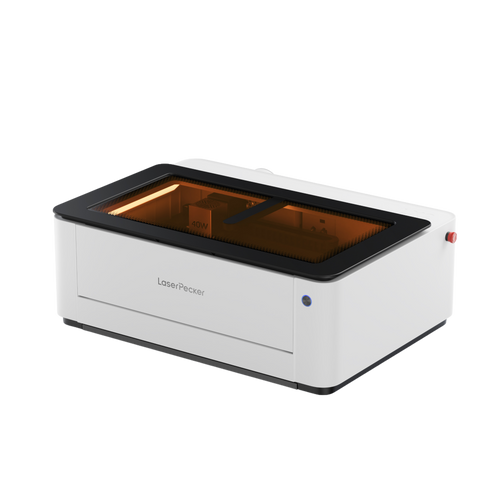
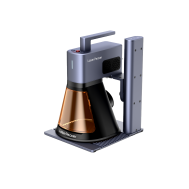
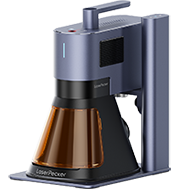
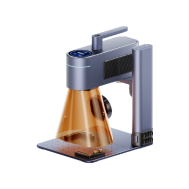
That's why the LaserPecker LX2 laser cutter stands out. It is specifically designed to handle detailed wood cutting tasks with both efficiency and precision.
The LX2 features a large working area (500 × 305 mm), allowing you to process longer pieces or multiple parts in a single run. It supports interchangeable laser modules—including 20W and 40W diode lasers and a 2W IR laser—making it adaptable to different wood types and thicknesses.
Alignment is made easy with a 12MP camera system and a point-to-shape positioning feature, ensuring accurate placement every time. With cutting speeds up to 1000 mm/s and fast acceleration, the LX2 helps maximise productivity.
It also offers adjustable software settings to minimise burn marks, and it integrates smoothly with LightBurn and LaserPecker Design Space. Combined with its portable design, the LX2 is suitable for both workshops and small studios.
In short, the LX2 delivers speed, precision, flexibility, and ease of use—making it a top choice for cutting wood slots in 2026.
Steps to Cut a Slot in Wood with LX2
The LaserPecker LX2 is designed for creators, hobbyists, and small studios who need reliable and high-quality results. Its stable motion system and large workspace make it ideal for producing clean, professional slots in wood.
Tools and Materials You Need to Prepare
- LX2 laser cutter
- Software that works with the cutter (like LightBurn or LaserPecker Design Space)
- The right kind of wood (basswood, birch plywood, or hardwood, depending on what you're building)
- Honeycomb panel or something to use as a cutting surface
- Air assist to keep the edges clean
- Tools to measure the width of slots
- Clamps or blocks to hold things down, if you need them
Situation 1: Cut-Through Slots in Wood
Step 1: Get Your Wood Ready
Make sure the wood is even and firm. Then, measure how wide and long you want the slot to be. Planning saves mistakes.
Step 2: Design Your Slot Online
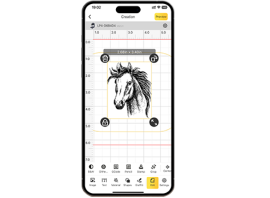
Use a program to draw a vector line or rectangle for your slot. Change the kerf settings to fit your project size.
Step 3: Ready Your LX2
Put the wood on the honeycomb panel. Turn on air assist and be sure the LX2 is focused. Getting the focus right reduces burn marks and keeps things accurate.
Step 4: Pick Your Cutting Settings
Choose power, speed, and the number of passes based on how thick the wood is. LX2 can handle basswood up to 20 mm thick with a few passes.
Step 5: Do a Small Test Cut
Testing stops wasted stuff. Change the power or speed until the edges are clean.
Step 6: Cut the Slot
Let the LX2 finish the slot. Watch it, but don't touch the wood.
Step 7: Look at the Finished Slot
The cut should come out easily with smooth edges that don't need sanding.
Situation 2: Cutting a 1/4-Inch Slot in Wood
Step 1: Draw a 1/4 inch slot in your design software
Ensure the rectangle's width equals exactly 0.25 inches and adjust kerf offset if needed.
Step 2: Select optimal cutting settings.
Thicker hardwoods may need slower cutting speeds. LX2 users often cut 1/4-inch slots with 2–6 passes depending on material density.
Step 3: Perform the cut and verify the width.
Use a calliper to confirm the slot is exactly 1/4 inch. If not, adjust kerf settings and re-cut for a perfect fit.
Part 4: Tips to Cut a Slot in Wood with Laser Cutting
Achieving clean, accurate slots with laser cutting isn't just about the machine—it also depends on technique and setup. Here are some practical tips to help you get consistent, high-quality results:
1. Run Kerf Tests Before Final Cutting
Always test your kerf (material removed by the laser) before starting the final cut. Even small differences can affect how well parts fit together, especially for joints or tight slots.
2. Use Air Assist for Cleaner Cuts
Air assist plays a key role in improving cut quality. It reduces burn marks, prevents excessive darkening, and stops resin or debris from building up on the surface and lens.
3. Reduce Speed for Thicker Materials
When cutting thicker wood or deeper slots, slow down your cutting speed and increase the number of passes if needed. This helps ensure full penetration without excessive charring.
4. Manage Heat Build-Up
Avoid cutting too many lines close together in one go. Spacing out your cuts allows the material to cool, reducing burn marks and preventing warping.
5. Secure Lightweight Materials
Thin plywood or lightweight boards can shift during cutting. Use clamps, magnets, or positioning blocks to keep the material stable and maintain accuracy.
6. Consider Wood Grain Direction
Wood grain can influence how smooth your edges appear. Cutting along the grain typically produces cleaner edges, while cutting across it may require slight setting adjustments.
Part 5: FAQs about Cutting a Slot in Wood
Q1. What Tool Is Best for Cutting Slots in Wood?
The best tool depends on the level of precision you need. For most woodworking tasks, a router offers a strong balance between speed, control, and versatility.
However, if you require extremely high accuracy or repeatability—especially for batch production—laser cutting is the preferred solution in 2026. Laser cutters deliver clean edges, consistent results, and minimal post-processing, making them suitable for both beginners and professionals.
Q2. How Do You Make a Deep Slot in Wood?
To create a deep slot, tools such as a drill press combined with a chisel or a plunge router are commonly used. These provide better depth control and stability.
For thicker or harder wood, it's best to make multiple shallow passes rather than cutting all at once. This improves edge quality and reduces strain on tools.
Laser cutters can also be used for deeper slots by running multiple passes, particularly for non-structural or decorative applications.
Q3. How Do You Cut a Slot in Wood Without a Router?
If you don't have access to a router, you can still use a handsaw and chisel, a drill press, or a laser cutter.
Hand tools are suitable for simple or rustic projects, while a drill press improves depth consistency. Laser cutters, on the other hand, offer highly precise and clean results, especially for thinner wood and detailed designs.
Q4. Can You Use a Laser Cutter to Cut Slots in Wood?
Yes, laser cutters are highly effective for cutting slots in wood. They excel at producing fine details, tight tolerances, and complex shapes that are difficult to achieve with traditional tools.
For example, machines like the LaserPecker LX2 can cut basswood up to around 20 mm thick with multiple passes, delivering consistent and repeatable results—ideal for both prototyping and production.
Q5. What is the most accurate way to cut a slot in wood?
The most accurate method is laser cutting, as it follows a digital design and ensures consistent dimensions across every cut. CNC routing is also highly accurate, but laser cutting typically provides cleaner edges with less finishing required.
Q6. How do you ensure a tight fit when cutting slots in wood?
To achieve a tight fit, you need to account for kerf (material removed during cutting). Running test cuts and adjusting your design dimensions slightly can help ensure precise joins, especially for interlocking parts.