



































Rust is a common issue that can make metal items—such as tools, bicycles, household appliances, and DIY projects—look worn out and unusable. The good news is that, in most cases, rust can be removed and the metal restored, even when corrosion appears severe. You simply need to choose the right removal method.
In this guide, you'll learn how to remove rust from metal using a range of approaches, from simple household solutions to more advanced industrial techniques. No matter the level of corrosion, there's a suitable method to help you restore your items.

In this article:
- Part 1: What is rust and what causes it?
- Part 2: How to remove rust from metal at home
- Method 1: Remove rust with a potato
- Method 2: Remove rust with citric acid
- Method 3: Remove rust with lemon and salt
- Method 4: Remove rust with baking soda
- Method 5: Remove rust with Coca-Cola
- Method 6: Remove rust with rust converters
- Method 7: Remove rust with fibre laser
- Part 3: How can you prevent rust?
- Part 4: FAQs about removing rust
Part 1: What is rust and what causes it?
Rust forms when iron reacts with oxygen and moisture in the air, creating iron oxide—the reddish-brown substance that gradually corrodes metal surfaces. If left untreated, rust can weaken structural integrity, damage tools and equipment, and lead to costly repairs.
Common causes of rust include:
- Frequent exposure to rain or damp conditions.
- Salty air, particularly in coastal areas across the UK.
- Lack of paint, coating, or protective finish.
- Prolonged outdoor exposure.
- Improper or poorly ventilated storage.
For users in the UK, where humidity and frequent rainfall are common throughout the year, metal items are especially vulnerable to rust if not properly protected.
Because rust can spread over time, addressing it early is essential to prevent further damage and extend the lifespan of your metal items.
Part 2: How to remove rust from metal at home
Below are seven effective ways to remove rust from metal, ranging from simple household remedies to more advanced solutions. Choosing the right method depends on how severe the rust is and the type of metal you're working with.
Method 1: Remove rust with a potato
It may sound unusual, but this method genuinely works. Potatoes contain oxalic acid, which reacts with rust. When combined with salt, it becomes a mild yet effective natural cleaner.
How to use it:
- Cut a potato in half.
- Sprinkle salt onto the cut surface.
- Rub it over the rusted area.
- Leave it for 15–30 minutes.
- Gently scrub and rinse clean.
This method is ideal for small rust spots on kitchen tools, metal accessories, or household items. It's simple, safe, and perfect for quick fixes.
Method 2: Remove rust with citric acid
If you need a stronger solution, citric acid is an excellent option. It effectively breaks down rust while remaining less aggressive than industrial chemicals.
How to use it:
- Mix citric acid powder with hot water in a container.
- Submerge the rusted item.
- Leave it to soak overnight.
- Scrub, rinse thoroughly, and dry.
This approach works particularly well for screws, bolts, and small metal components.
Method 3: Remove rust with lemon and salt
This natural method is both effective and easy to apply. Lemon juice provides acidity, while salt acts as a gentle abrasive.
How to use it:
- Cover the rusted area with a layer of salt.
- Squeeze lemon juice over it until soaked.
- Leave for 2–3 hours.
- Scrub, rinse, and dry.
It's ideal for garden tools, kitchenware, and lightly rusted decorative items.
Method 4: Remove rust with baking soda
Baking soda offers a gentle cleaning solution, making it suitable for delicate metal surfaces.
How to use it:
- Mix baking soda with water to form a paste.
- Apply it to the rusted area.
- Leave for 1–2 hours.
- Scrub, rinse, and dry thoroughly.
This method is especially useful for stainless steel and chrome finishes.
Method 5: Remove rust with Coca-Cola
Coca-Cola contains phosphoric acid, which helps dissolve rust. It's most effective on light to moderate corrosion.
How to use it:
- Submerge the item or pour Coca-Cola over the surface.
- Leave for several hours.
- Scrub, rinse, and dry.
This technique works well for bicycle parts, tools, and small mechanical components.
Method 6: Remove rust with rust converters
For more stubborn rust, commercial rust removers provide a reliable solution. These products are designed to act quickly with minimal effort.
Common types include:
- Rust converters: transform rust into a stable, paintable surface.
- Abrasive powders: remove surface rust mechanically.
- Heavy-duty liquid removers: dissolve thick corrosion.
These are ideal for vehicles, machinery, and heavily rusted equipment.
Method 7: Removing rust with fibre laser
Fibre laser cleaning is a modern, chemical-free solution. A high-energy laser beam removes rust by vaporising it while preserving the underlying metal.
For users in the UK, fibre laser systems are becoming increasingly popular in home workshops and small businesses due to their precision, efficiency, and reduced need for chemical handling.
Fibre lasers are suitable for:
- Tools.
- Automotive parts.
- Metal artwork.
- Restoration projects.
- Thick or stubborn rust.
These options are ideal for cars, machinery, tools, and equipment with serious rust buildup.
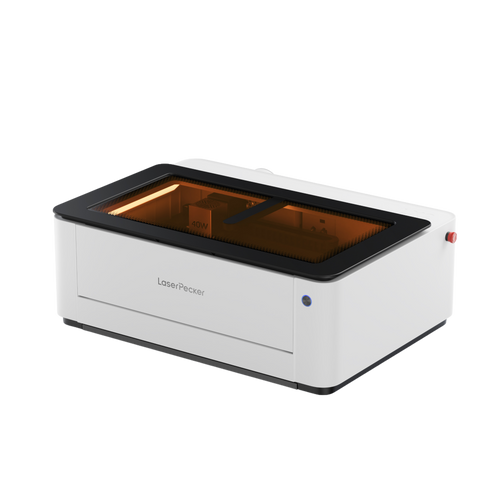
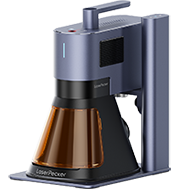
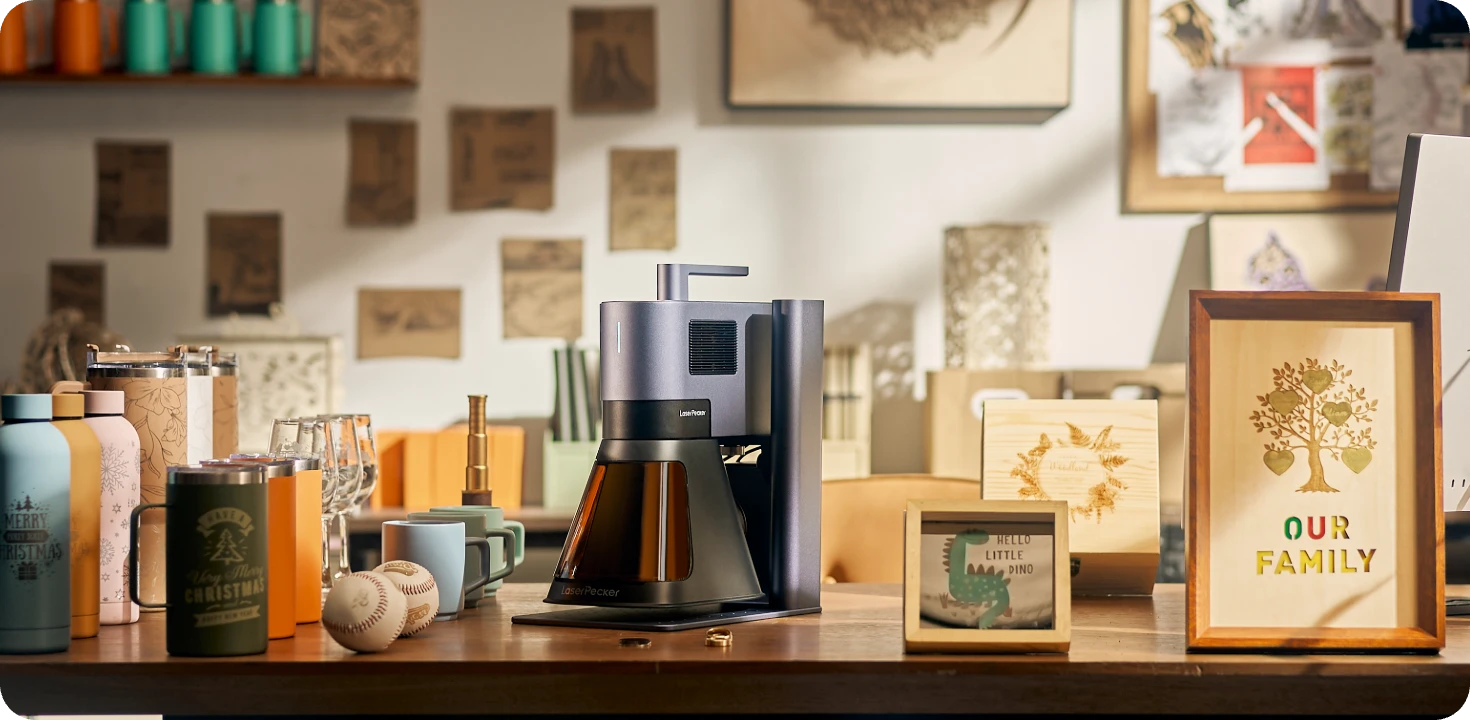
Recommended Laser Rust Removal Machine: LaserPecker LP5 with Slide Extension
The LaserPecker LP5 with the Slide Extension is a compact yet powerful laser system designed for fast, precise rust removal on metal tools, automotive parts, machinery, and fabrication projects.
-
Powerful 20W Fiber Laser
Delivers concentrated energy to remove rust, oxidation, and surface contaminants quickly, often requiring only a single pass for light to moderate corrosion. -
High-Speed Cleaning up to 10,000 mm/s
Cleans metal surfaces rapidly, reducing project time and improving efficiency for both professionals and DIY users. -
Slide Extension for Larger Workpieces
Expands the working area, making it easier to clean longer metal parts and larger surfaces while improving overall workflow and productivity. -
Smart Software/App Control
The LP5 supports app and desktop software control for precise positioning, allowing you to remove rust accurately without affecting surrounding areas.
Comparison: Rust removal methods
| Method | Difficulty | Best For | Speed | Eco-Friendly |
|---|---|---|---|---|
| Potato + Salt | Easy | Light rust | Slow | Yes |
| Citric Acid | Easy | Small metal items | Moderate | Yes |
| Lemon + Salt | Easy | Household items | Slow–Medium | Yes |
| Baking Soda | Easy | Delicate metals | Moderate | Yes |
| Coca-Cola | Easy | Tools, bicycles | Moderate | No |
| Chemical Removers | Moderate | Heavy rust | Fast | Varies |
| Fibre Laser | Easy–Moderate | Tools, vehicles, machinery | Very Fast | Yes |
For light rust on everyday household items, natural solutions such as lemon, baking soda, or citric acid are often sufficient. For more advanced corrosion, chemical removers can provide quicker results.
However, for demanding tasks or large-scale projects, fibre laser cleaning offers the most efficient and precise solution. If you want to remove deep rust without chemicals and achieve long-lasting results, using a fibre laser system like the LaserPecker LP5 with a Slide Extension is one of the most effective approaches available today.
Part 3: How can you prevent rust?
Preventing rust is always more effective—and more cost-efficient—than removing it after it forms. By taking a few simple precautions, you can significantly extend the lifespan of your metal items.
Here are practical ways to prevent rust:
- Keep metal surfaces clean and dry to reduce moisture exposure.
- Apply protective coatings such as oils, waxes, or anti-rust sprays.
- Paint or seal exposed metal to create a barrier against air and water.
- Avoid leaving metal items outdoors for extended periods.
- Store tools properly in dry, well-ventilated spaces.
- Use dehumidifiers or silica gel in storage areas to control humidity.
- Inspect items regularly and maintain them to prevent early corrosion.
For users in the UK, where frequent rainfall and high humidity are common, proper storage and moisture control are especially important to minimise the risk of rust.
By following these steps, you can keep your metal items in excellent condition and reduce the need for frequent rust removal.
Part 4: FAQs about removing rust
Q1. Does WD-40 remove rust?
WD-40 can help loosen light rust, especially when combined with gentle scrubbing. It penetrates the rust layer and helps separate it from the metal surface.
However, it works best on thin or surface-level rust and is not a substitute for stronger removal methods. One advantage is that it leaves a protective film, which can help prevent rust from forming again. This makes it a useful product for regular maintenance.
Q2. How do you remove rust from stainless steel?
Although stainless steel is corrosion-resistant, it can still develop rust under certain conditions.
For safe removal:
- Use mild abrasives such as baking soda paste or lemon and salt.
- Always scrub in the direction of the grain to avoid scratches.
- For tougher stains, use citric acid or a dedicated stainless steel cleaner.
For industrial components or precision parts, fibre laser cleaning offers a non-contact solution that removes rust without damaging the surface finish.
Q3. Can Bar Keepers Friend remove rust?
Yes, Bar Keepers Friend contains oxalic acid, which is effective at removing rust stains. It works well on stainless steel, chrome, ceramic, and cookware.
Avoid using it on:
- Cast iron.
- Non-stick coatings.
- Painted surfaces.
While effective for most household rust issues, it may not be strong enough for heavy corrosion.
Q4. Is vinegar or CLR better for rust removal?
Vinegar is a natural and mild acid, making it suitable for light rust and delicate items. It works best when soaking items over time.
CLR, or Calcium, Lime, Rust remover, is a stronger chemical cleaner that removes rust more quickly and is better suited for stubborn buildup.
- Use vinegar for gentle, eco-friendly cleaning.
- Use CLR for faster results on tougher rust, with proper ventilation and safety precautions.
Q5. Can toothpaste remove rust?
Toothpaste contains mild abrasives that can help remove very light rust and polish metal surfaces. It's suitable for:
- Chrome.
- Jewellery.
- Small stainless steel items.
However, it is not effective for deep or heavy rust and should be considered more of a polishing solution.
Q6. What is the fastest way to remove heavy rust from metal?
For heavy rust, the fastest methods include chemical rust removers or advanced solutions like fibre laser cleaning.
While chemicals work quickly, they often require safety precautions. Fibre laser cleaning, on the other hand, removes rust efficiently without chemicals and with high precision, making it ideal for tools, machinery, and restoration projects.
Q7. How do you prevent rust from coming back after cleaning?
After removing rust, prevention is essential:
- Dry the metal thoroughly.
- Apply protective coatings such as oil or wax.
- Store items in low-humidity environments.
- Use silica gel or dehumidifiers where needed.
In the UK, where moisture and rainfall are frequent, proper storage and protective coatings are particularly important to prevent recurring rust.
Conclusion
Dealing with rust on metal doesn't have to be complicated. From simple household solutions—such as lemon juice and baking soda—to specialised rust removers and advanced laser cleaning, there's an option to suit every situation and budget. For small, everyday tasks, home remedies are often more than sufficient.
However, when it comes to valuable tools, hardware, or items you want to preserve long term, fibre laser cleaning offers a faster, more precise, and longer-lasting solution. Systems like the LaserPecker LP5, especially when paired with a Slide Extension, allow you to remove rust efficiently while maintaining the integrity of the metal surface.
For users in the UK, where moisture and frequent rainfall can accelerate corrosion, combining effective rust removal with proper protection is essential for long-term results.
No matter which method you choose, the key is to act early. Remove rust thoroughly, then apply protective measures to prevent it from returning. With the right approach and tools, you can restore metal surfaces and keep them in excellent condition for years to come.