

































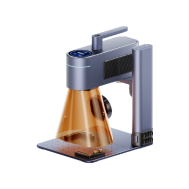


Acrylic sheet is widely used in signage, retail displays, craft projects, and interior décor. Its optical clarity, strength, and lightweight properties make it a popular alternative to glass. However, achieving clean edges and accurate dimensions requires selecting the correct cutting method.
In this guide, we examine four reliable methods for cutting acrylic sheets — from advanced laser cutters to more accessible tools such as rotary tools, saws, and scoring knives. Each method offers distinct advantages depending on your project scope and production volume.

In this article:
- Method 1: Cut Acrylic with a Laser Cutter
- Method 2: Cut Acrylic with a Rotary Tool
- Method 3: Cut Acrylic with a Saw
- Method 4: Cut Acrylic with a Scoring Knife
Method 1: Cut Acrylic with a Laser Cutter
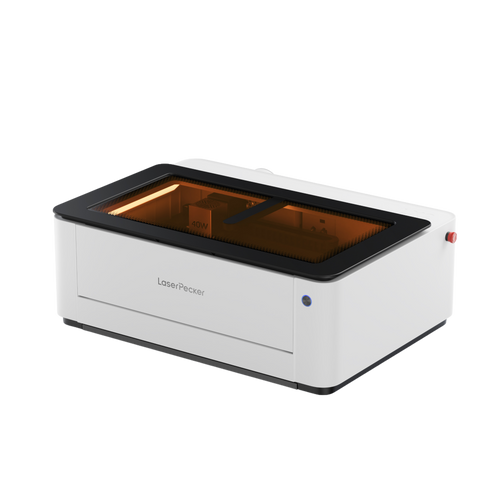
A laser cutter uses a highly focused beam to cut acrylic sheets with exceptional precision. The laser melts and vaporises the material along the programmed path, resulting in smooth, accurate cuts with minimal mechanical stress.
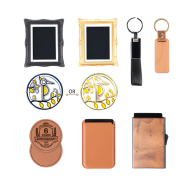
Laser cutting acrylic is widely used in:
- Professional signage
- Retail displays
- Custom craft projects
- Personalised engraved items
Because the process is contactless, there is no blade pressure or material vibration, reducing the risk of cracking.
Best for:
- Intricate, detailed designs
- Projects needing smooth, polished edges straight from the machine
- Cutting and engraving in the same process
Precision Level of Cutting Acrylic with a Laser Cutter
Very High:
Can create fine details and sharp corners with exact repeatability.
Edge Finish Quality of Cutting Acrylic with a Laser Cutter
High:
Produces a smooth, flame-polished edge without sanding; finish quality depends on material type and laser settings.
Best Thickness Range
Typically best for thin to medium sheets: 1.5 mm – 12 mm (1/16″ – 1/2″)
Can cut thicker acrylic with higher-power lasers, but slower and may require multiple passes.
Pros and Cons of Cutting Acrylic with a Laser Machine
Pros
- Exceptional accuracy and repeatability
- Clean, polished edges
- Handles intricate shapes and fine details
- Can cut and engrave in one setup
Cons
- Limited cutting depth on lower-power machines
- Produces fumes — requires proper ventilation
- Not ideal for very large sheets without an oversized bed
Method 2: Cut Acrylic with a Rotary Tool
Cutting acrylic with a rotary tool is a practical solution for small projects and detailed shaping work. A handheld rotary tool, such as a Dremel, uses interchangeable bits to cut, grind, sand, and polish acrylic sheets.
While it is not the most efficient option for large panels, it offers flexibility and creative control for smaller tasks.
Best for:
- Small acrylic pieces and detailed cuts
- Shaping edges or making decorative patterns
- Adjusting or modifying pre-cut acrylic parts
Precision Level of Cutting Acrylic with a Rotary Tool
Medium–High:
Offers good control for small cuts and curves, but requires a steady hand to keep lines perfectly straight.
Edge Finish Quality of Cutting Acrylic with a Rotary Tool
Medium
Edges may appear rough or melted if speed and pressure aren't controlled; may require sanding or flame polishing afterward for a smooth finish.
Best Thickness Range
Thin to medium sheets: 1.5 mm – 6 mm (1/16″ – 1/4″)
Not ideal for cutting thick acrylic in one pass
Pros and Cons of Cutting Acrylic with a Rotary Tool
Pros
- Highly versatile — can cut, grind, sand, and polish
- Ideal for curves, cutouts, and intricate shapes
Cons
- Heat buildup can melt acrylic if speed is too high
- Requires a steady hand and some practice for clean results
- Edges often need post-processing
When to Choose a Rotary Tool
A rotary tool is ideal for hobbyists and small DIY projects where flexibility matters more than production speed. For large-scale or highly precise acrylic sheet cutting, automated methods such as laser cutting may provide more consistent results.
Method 3: Cut Acrylic with a Saw
Cutting acrylic with a saw is one of the most accessible and widely used methods. Both DIY users and professional workshops rely on saws for processing large acrylic sheets quickly and efficiently.
Best for:
- Straight cuts on large acrylic sheets
- Rough shaping before precision finishing
- Both DIY and professional workshop use
Precision Level of Cutting Acrylic with a Saw
Medium–High:
High accuracy is possible with proper guides and jigs, but less suited for extremely fine, intricate shapes.
Edge Finish Quality of Cutting Acrylic with a Saw
Medium:
Edges may show saw marks and require sanding or polishing; risk of chipping or melting if the wrong blade speed is used.
Best Thickness Range
Works well for thin to thick sheets: 2 mm – 25 mm (1/16″ – 1″)
Very thin sheets may crack if not supported properly
Pros and Cons of Cutting Acrylic with a Saw
Pros
- Cuts large pieces quickly
- Handles thicker acrylic with ease
Cons
- Edges usually need post-processing
- Not ideal for very intricate patterns
- Loud and creates dust/debris
Saw cutting is ideal for structural or large-format work where speed and thickness capacity are priorities. For decorative detail or polished edges straight from the machine, alternative methods may provide cleaner results.
Method 4: Cut Acrylic with a Scoring Knife
A scoring knife (also known as an acrylic cutter) is a simple and cost-effective hand tool used to cut thin acrylic sheets. Instead of cutting all the way through, it works by repeatedly scoring a straight line until the material can be cleanly snapped along the groove.
This method is quiet, produces no dust, and requires very little setup—making it ideal for quick jobs and small-scale projects where only straight cuts are needed.
Best for:
- Thin acrylic sheets and panels
- Quick, straight cuts without power tools
Precision Level of Cutting Acrylic with a Scoring Knife
Medium:
Works well for straight lines but not for curves or intricate shapes. Accuracy depends on using a ruler or guide.
Edge Finish Quality of Cutting Acrylic with a Scoring Knife
Medium–Low:
The snapped edge may be slightly rough and often needs sanding or polishing for a smooth finish.
Best Thickness Range
Best for thin sheets: up to about 3–5 mm (1/8″–3/16″)
Not effective on thick acrylic
Pros and Cons of Cutting Acrylic with a Scoring Knife
Pros
- Inexpensive and portable
- Great for beginners and small jobs
Cons
- Limited to thin acrylic
- Only works for straight cuts
- Not suited for complex designs or curves
FAQs: Cutting Acrylic
Q1: What is the best way to cut acrylic sheets at home?
For thin acrylic sheets, tools such as a scoring knife or fine-tooth saw can work for straight cuts. However, for cleaner edges and more precise shapes, a laser cutter is often the preferred option, especially for detailed DIY or craft projects.
Q2: Can you laser cut acrylic safely in a home workshop?
Yes, laser cutting acrylic can be done safely in a home workshop when using an enclosed system with proper ventilation or an air purification unit. Always follow manufacturer safety guidelines and ensure good airflow to manage fumes.
Q3: What thickness of acrylic can be laser cut?
The maximum thickness depends on the laser's power. Lower-power desktop systems are typically suited for thinner sheets, while higher-power machines can cut significantly thicker acrylic in a single pass under optimal settings.
Q4: Does laser cutting acrylic leave rough edges?
No, laser cutting usually produces smooth, polished edges on cast acrylic due to the heat of the beam. This often reduces or eliminates the need for additional finishing compared to mechanical cutting methods.
Q5: Is cast or extruded acrylic better for laser cutting?
Cast acrylic is generally better for laser cutting because it produces clearer, flame-polished edges and engraves with a frosted white finish. Extruded acrylic can still be cut, but edge quality and engraving contrast may differ.
Q6: Why does acrylic sometimes melt during cutting?
Melting can occur if the cutting speed is too slow or the power setting is too high. Correct calibration of speed and power, along with proper air assist, helps prevent excessive melting and ensures cleaner results.
Q7: Is laser cutting better than using a saw for acrylic?
For straight cuts on thick sheets, saws can be practical. However, for intricate designs, tight curves, repeat production, and high edge quality, laser cutting provides superior precision, consistency, and overall finish.
Conclusion:
Whether you need the flawless, polished edges of laser cutter or the simplicity of a scoring knife for a quick straight cut, there's a method to suit every acrylic project. Each approach offers its own advantages in terms of precision, finish quality, and material compatibility.
By understanding how these techniques work, you can choose the most suitable tool for your needs and achieve clean, accurate results every time. From simple DIY tasks to more refined applications, selecting the right method makes all the difference in the final outcome.