
































Jewellery making combines creativity with practical skill, allowing you to craft personalised pieces that reflect your style. From minimalist everyday accessories to intricate statement designs, there are multiple ways to bring your ideas to life.
In this guide, we explore five popular methods for making jewellery — ranging from precision tools like laser machines and Cricut makers to hands-on techniques such as beading and plier work. Each approach offers different materials, levels of detail, and creative flexibility, helping you choose the method that best suits your experience and design goals.

In this article:
- Method 1: Make Jewellery with a Laser Machine
- Method 2: Make Jewellery with a Rotary Tool
- Method 3: Make Jewellery with a Cricut Maker
- Method 4: Make Jewellery via Beading
- Method 5: Make Jewellery via Plier
Method 1: Make Jewellery with a Laser Machine
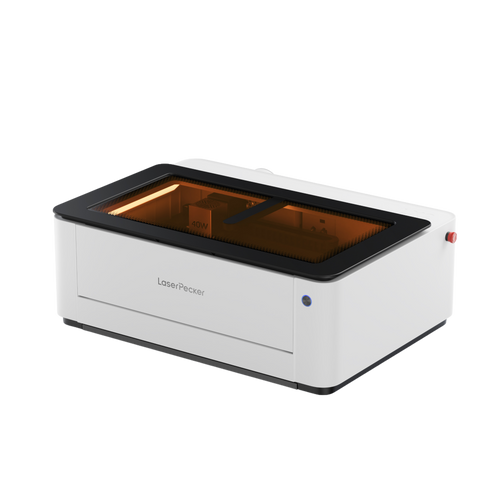
Using a laser machine for jewellery making allows for highly precise cutting and engraving across a range of materials, including acrylic, wood, leather, and certain coated metals.
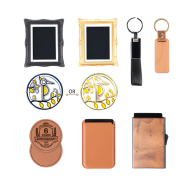
This method is particularly suited to intricate patterns, detailed line work, and custom shapes that would be difficult to achieve by hand. Laser processing produces clean edges and consistent results, making it ideal for pendants, charms, earrings, keyrings, and other decorative accessories.
It is a fast, accurate, and highly customisable technique suitable for both beginners and experienced jewellery makers.
Best for:
- Acrylic
- Wood
- Leather
- Certain coated metals
① Make Acrylic jewellery with a Laser Machine
Acrylic is lightweight, durable, and available in a wide variety of colours and finishes, including mirrored and translucent options.
Laser cutting enables precise outlines, layered components, and intricate decorative patterns. Engraving can add texture, names, or personalised details, making each piece unique.

Source: Project from LaserPecker CraftZone
Acrylic jewellery is especially popular for statement earrings, layered pendants, and contemporary designs.
② Make Wood Jewellery with a Laser Machine
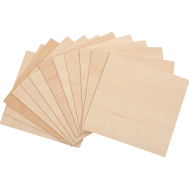
Thin wood sheets such as balsa or plywood can be cut and engraved to produce jewellery with a natural, organic aesthetic.
Laser cutting allows delicate cut-outs and smooth edges, while engraving highlights patterns, illustrations, or text. Wood jewellery is often chosen for its warm appearance and lightweight feel.
③ Make Leather Jewellery with a Laser Machine
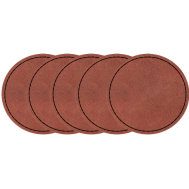
Laser machines can cut and engrave both natural and synthetic leather. This makes it possible to create lightweight bracelets, earrings, pendants, and layered designs.
The precision of the laser reduces fraying compared to manual cutting, and engraved patterns or monograms add decorative depth.
④ Make Metal Jewellery with a Laser Machine
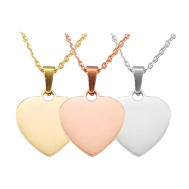
Laser engraving works well on brass, stainless steel, or anodised aluminium surfaces, creating durable, modern-looking pendants, tags, and charms.
The LP5 Laser Cutter can process thin metal sheets effectively for engraving and light cutting. Cutting thicker metal generally requires higher-powered or specialised laser systems.
Even when cutting is not required, laser engraving allows precise text, logos, and fine decorative detailing on metal jewellery components.
Method 2: Make Jewellery with a Rotary Tool
A rotary tool is a compact, high-speed device capable of cutting, grinding, drilling, carving, sanding, and polishing. Its versatility makes it a popular choice for jewellery makers working with metal, stone, and wood.
By changing attachments, you can adapt the tool for shaping metal components, refining gemstones, or carving decorative details in wood. It is especially useful for detailed finishing work and small-scale custom pieces.
① Make a Metal Jewellery with a Rotary Tool
Examples: Rings, pendants, bracelets, stamped charms
Step 1: Cut and shape - Use a cutting wheel or metal cutting bit to trim the metal to the desired shape.
Step 2: Drill holes - Use a small drill bit to create holes for jump rings or chains.
Step 3: Engrave or texture – Swap to an engraving bit or diamond burr for patterns and details.
Step 4: Polish – Use polishing wheels with compound to give a smooth, shiny finish.
Tips:
- Keep the tool speed moderate to avoid overheating the metal.
- Wear eye protection and gloves.
② Make a Stone Jewelry with a Rotary Tool
Examples: Stone pendants, cabochons, decorative beads
Step 1: Shape the stone – Use a diamond grinding wheel or burr to rough out the shape.
Step 2: Smooth the surface – Switch to finer grit diamond bits to refine edges.
Step 3: Drill holes – Use a diamond-coated drill bit with water as a coolant to avoid cracks.
Step 4: Polish – Use a felt polishing wheel with diamond paste for a glossy surface.
③ Make a Wood Jewelry with a Rotary Tool
Examples: Wooden earrings, carved pendants, inlay work
Step 1: Cut to shape – Use a small saw or cutting bit to create the basic form.
Step 2: Carve details – Use carving or engraving bits for patterns and designs.
Step 3: Sand – Switch to sanding drums to smooth surfaces.
Step 4: Drill holes – Use small drill bits for earring hooks or stringing.
Step 5: Finish – Apply wood oil, varnish, or resin for durability and shine.
Method 3: Make Jewellery with a Cricut Maker
A Cricut Maker is a computer-controlled cutting machine designed for thin and flexible materials. It is particularly well suited for creating lightweight, intricate jewellery pieces from faux leather, natural leather, cardstock, vinyl, and thin wood sheets such as balsa.
Using its design software, you can create or import custom patterns and allow the machine to cut them with precision that would be difficult to achieve manually. This makes it ideal for earrings, charms, pendants, and layered decorative designs — especially when producing multiple identical pieces.
Although it is limited to thinner and softer materials, its ease of use, speed, and repeatability make it a practical choice for modern jewellery projects.
① Make Faux Leather Jewellery with a Cricut Maker
Faux leather is lightweight, flexible, and easy to cut, making it popular for statement earrings, layered pendants, and bracelet cuffs.
The Cricut Maker cuts cleanly without fraying, and you can enhance designs with textured finishes, layered shapes, or foil accents for a more polished look.
② Make Cardstock Jewellery with a Cricut Maker
Cardstock is affordable and available in a wide range of colours and patterns.
While not as durable as other materials, it works well for lightweight fashion pieces such as geometric earrings, paper pendants, or costume jewellery. Applying sealant or lamination can improve durability.
③ Make Wood Jewellery with a Cricut Maker
Thin wood sheets like balsa or basswood can be cut into natural-style jewellery pieces, including minimalist pendants and decorative charms.
Because the material is delicate, designs should avoid overly thin connectors to reduce the risk of breakage.
④ Make Vinyl Jewellery with a Cricut Maker
Vinyl offers vibrant colours and smooth finishes, making it suitable for bold, contemporary designs.
It can be used on its own or layered onto sturdier materials such as acrylic or leather to improve durability. Vinyl is commonly used for decorative charms, personalised name pieces, and statement jewellery.
Method 4: Make Jewellery via Beading
Beading is one of the most accessible and versatile jewellery-making techniques. It involves threading beads of different shapes, sizes, and materials onto wire, thread, or elastic cord to create decorative pieces.
This method is suitable for everything from simple bracelets and necklaces to layered, multi-strand designs. By combining colours, textures, and bead types — such as glass, gemstone, wood, or metal — you can create jewellery that reflects your personal style.
Beading requires only basic tools, making it an excellent starting point for beginners while still offering plenty of room for creative experimentation.
Best for:
- Gemstones and semi-precious stones
- Glass beads
- Wood beads
- Plastic/acrylic beads
Method 5: Make Jewellery via Plier
Plier work is a core jewellery-making technique focused on shaping, bending, and connecting wire, chain, and small components known as findings. It forms the foundation of many handmade pieces and is often used to assemble and finish designs.
With tools such as round-nose pliers, chain-nose pliers, and flat-nose pliers, you can create wire-wrapped pendants, form loops, attach clasps, open and close jump rings, and assemble earrings, bracelets, and necklaces.
This method offers excellent control and flexibility. It is frequently combined with beading, gemstone setting, or metal components to complete a finished piece.
Best for:
- Metals (wire, chain)
- Beads (glass, crystal, plastic, gemstone)
- Jump rings, clasps, and other findings
FAQs: Common Questions About Making Jewellery
Q1. What Is the Easiest Way to Start Making Jewellery?
Beading and basic plier work are usually the easiest starting points. They require minimal tools and materials, making them ideal for beginners. Once you're comfortable with simple designs, you can explore more advanced methods such as laser cutting or rotary tools.
Q2. What Tools Do I Need to Make Jewellery at Home?
For basic projects, you'll need pliers (round-nose and chain-nose), wire cutters, beads or wire, and findings such as jump rings and clasps. More advanced techniques may require tools such as a rotary tool, a Cricut Maker, or a laser engraving and cutting machine depending on the materials you want to use.
Q3. Can I Make Jewellery Without Expensive Equipment?
Yes. Many jewellery designs can be created using affordable hand tools and simple materials. Beading and plier techniques are low-cost methods. Digital tools like cutting machines or laser systems are helpful for precision work but are not essential for beginners.
Q4. What Materials Are Best for Beginner Jewellery Makers?
Lightweight materials such as acrylic beads, glass beads, thin wire, faux leather, and elastic cord are beginner-friendly. They are easy to shape and assemble while still offering creative flexibility.
Q5. How Do I Make My Handmade Jewellery Look Professional?
Focus on neat finishing techniques, secure loops, aligned components, and smooth edges. Polishing metal parts and trimming excess wire carefully can significantly improve the final appearance.
Q6. Which Method Is Best for Selling Handmade Jewellery?
The best method depends on your target market. Beading and plier work are great for personalised or artisan styles. Laser cutting and Cricut-based methods are better suited for producing consistent designs in small batches.
Conclusion:
Choosing the right jewellery-making method depends on your materials, the complexity of your design, and your personal creative preferences. From precision cutting and engraving with a laser engraver and cutter to the hands-on flexibility of beading or wire work with pliers, each technique offers its own advantages and character.
Exploring different methods allows you to develop new skills and discover which approach best suits your style. Whether you prefer digital tools or traditional handcrafting, combining techniques can open up even more creative possibilities.
By experimenting and refining your process, you can create unique, custom jewellery pieces that reflect your ideas and craftsmanship.