





































Plastic is a highly versatile material used across DIY projects, craft work, signage, prototyping, and small-scale manufacturing. Achieving clean edges and accurate shapes requires selecting the correct cutting method for the specific type of plastic, its thickness, and the precision level needed.
Different plastics — such as acrylic, polycarbonate, PVC, or polypropylene — respond differently to cutting tools. Some materials require controlled heat, while others are better suited to mechanical cutting. Choosing the appropriate method helps prevent cracking, melting, rough edges, or material waste.
In this guide, we explore four effective ways to cut plastic, ranging from precision laser cutting to straightforward manual scoring techniques. Each method has its advantages, depending on your tools, experience, and project requirements.

In this article:
- Method 1: Cut Plastic with a Laser Cutter
- Method 2: Cut Plastic with a Utility Knife
- Method 3: Cut Plastic with a Saw
- Method 4: Cut Plastic via String Slicing
Method 1: Cut Plastic with a Laser Cutter
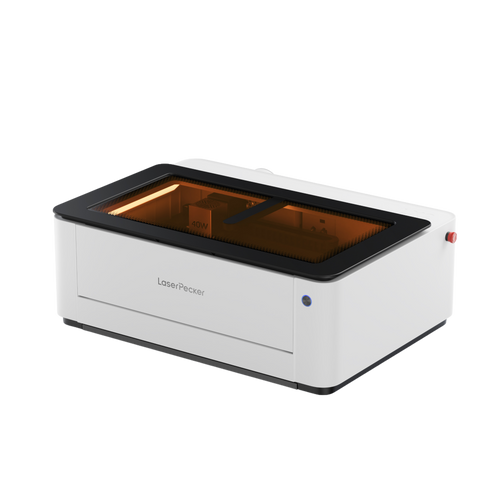
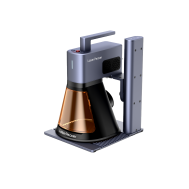
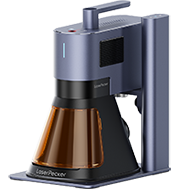
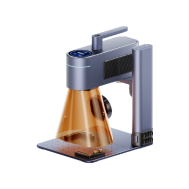
A laser cutter uses a concentrated beam of light to cut through plastic with exceptional precision. The heat generated by the beam melts or vaporises the material along the cutting path, producing clean edges and accurate shapes. This method is particularly suitable for detailed designs and components that require minimal post-processing.
Laser cutting performs well with many thermoplastics, including acrylic (PMMA) and certain engineering plastics. However, materials such as PVC must never be processed, as they release hazardous fumes when exposed to laser heat.
Best for:
- Thin to medium plastic sheets
- Intricate designs, patterns, and custom shapes
- Projects requiring smooth, polished edges straight from the machine
Precision Level of Cutting Plastic with a Laser Cutter
Very High: Capable of fine detailing with consistent, repeatable accuracy across multiple pieces.
Edge Finish Quality of Cutting Plastic with a Laser Cutter
High: Produces smooth, sealed edges that often require little to no additional finishing.
Best Thickness Range of Cutting Plastic with a Laser Cutter
Typically 1 mm – 12 mm (1/32″ – 1/2″): depending on laser power and type of plastic. Thicker plastics may require multiple passes or higher-powered machines.
Pros and Cons
Pros
- Extremely precise and repeatable
- Clean, polished edges with minimal finishing
- Can cut complex shapes and designs easily
Cons
- Not suitable for plastics that release toxic gases (e.g., PVC)
- Produces fumes — requires proper ventilation
Method 2: Cut Plastic with a Utility Knife
Cutting plastic with a utility knife is a simple, low-cost method best suited for thin sheet materials. The process typically involves scoring along a straight line multiple times and then snapping the plastic along the scored groove.
This method requires minimal equipment, generates no power tool noise, and is well suited to small-scale projects or quick adjustments on site. It works particularly well with softer plastics.
Best for:
- Thin sheet plastics like acrylic, polystyrene, PVC, or PETG
- Straight cuts on small projects
- Quick adjustments or on-site trimming
Precision Level of Cutting Plastic with a Utility Knife
Medium — Accurate for straight lines when used with a ruler or guide; not suitable for curves or intricate shapes.
Edge Finish Quality of Cutting Plastic with a Utility Knife
Medium–Low — Snapped edges are functional but may require sanding for a clean, smooth finish.
Best Thickness Range
Up to 3 mm (1/8″) for most plastics. Some softer plastics can be cut up to ~5 mm with patience and repeated scoring
Pros and Cons of Cutting Plastic with a Utility Knife
Pros
- Portable and easy to use
- Quiet and dust-free
Cons
- Limited to thin plastics
- Only practical for straight cuts
- Requires multiple passes and effort on harder materials
Method 3: Cut Plastic with a Saw
Cutting plastic with a saw is a practical and versatile method suitable for a broad range of plastic materials and thicknesses. Common tools include hand saws, circular saws, jigsaws, and table saws fitted with fine-tooth blades designed specifically for plastic or other soft materials.
This approach is well suited to straight cuts, larger panels, and projects where moderate precision is required. Using appropriate guides or fences improves accuracy and helps maintain consistent results.
Best for:
- Medium to thick plastic sheets or blocks
- Straight or slightly curved cuts
Precision Level of Cutting Plastic with a Saw
Medium–High: Accurate with proper guides, fences, or jigs; less suitable for intricate, detailed shapes.
Edge Finish Quality of Cutting Plastic with a Saw
Medium: Edges may show saw marks and require sanding or polishing; risk of chipping if the wrong blade or feed rate is used.
Best Thickness Range
Works well for thin to thick plastics: 2 mm – 25 mm (1/16″ – 1″). Very thin sheets may crack if not properly supported
Pros and Cons of Cutting Plastic with a Saw
Pros
- Handles larger and thicker pieces efficiently
- Can make straight or basic curved cuts
- Suitable for a wide variety of plastic types
Cons
- Edges usually need post-processing
- Not ideal for intricate or highly detailed shapes
- Produces dust and noise
Method 4: Cut Plastic via String Slicing
String slicing is a heat-based cutting technique primarily used for soft plastics. A thin metal wire or strong string is heated and drawn across the material, melting through it along a guided line. This method is simple and requires minimal equipment, but it is only suitable for certain plastic types.
Because it relies on heat rather than mechanical force, it works best on softer thermoplastics. It is not recommended for rigid or thick plastic sheets.
Best for:
- Soft thermoplastics such as thin PVC, polyethylene, or polypropylene
- Small-scale cuts where precision is less critical
Precision Level of Cutting Plastic via String Slicing
Low–Medium: Works for simple straight cuts, but fine details or curves are difficult to control accurately.
Edge Finish Quality of Cutting Plastic via String Slicing
Low–Medium: Edges may be rough, slightly melted, or uneven; usually requires sanding or filing afterward.
Best Thickness Range
Up to 5 mm (1/4″) for most soft plastics. Not suitable for hard or thick sheets
Pros and Cons of Cutting Plastic via String Slicing
Pros
- Inexpensive and simple setup
- No power tools needed
- Quick for small or thin pieces
Cons
- Limited to soft, thin plastics
- Edges often need finishing
- Produces fumes — requires ventilation
FAQs about Cutting Plastic
Q1. What is the easiest way to cut plastic at home?
For thin plastic sheets, scoring with a utility knife and snapping along the groove is often the simplest method. It requires minimal tools and works well for straight cuts. Thicker or more rigid plastics may require a saw or laser system for better control.
Q2. Can all types of plastic be laser cut?
No. Many thermoplastics such as acrylic (PMMA) cut well with a laser. However, materials like PVC must not be laser cut because they release harmful fumes. Always confirm material compatibility before using thermal cutting methods.
Q3. How do you prevent plastic from cracking when cutting?
Proper support is essential, especially for thin sheets. Using sharp blades, correct feed speed, and avoiding excessive force reduces the risk of cracking. For brittle plastics, scoring first or using a fine-tooth blade can improve results.
Q4. Why does plastic melt instead of cut cleanly?
Melting usually occurs when too much heat is generated or when the cutting speed is too slow. Adjusting laser speed, reducing friction, or optimising laser power settings can help produce cleaner edges.
Q5. What is the cleanest method for cutting plastic?
Laser cutting typically produces the smoothest and most polished edges, especially on acrylic. For mechanical methods, using fine-tooth blades and proper support improves edge quality.
Q6. Do I need ventilation when cutting plastic?
Yes. Thermal methods such as laser cutting or string slicing produce fumes that should not be inhaled. Adequate ventilation or extraction systems are strongly recommended. Even mechanical cutting can generate fine dust that should be managed properly.
Conclusion:
Each plastic cutting method offers distinct advantages depending on material type, thickness, and precision requirements. Laser cutting delivers high accuracy and smooth, polished edges, making it well suited to detailed designs and professional applications. Utility knives provide a quick and cost-effective solution for thin sheets, particularly for straight cuts and small adjustments.
Saws are effective for processing thicker or larger pieces, offering versatility across many plastic types. String slicing, while more limited, remains a simple heat-based option for soft plastics and light-duty tasks.
By understanding the strengths and limitations of each technique, you can select the most appropriate method for your project and achieve clean, accurate, and reliable results.