










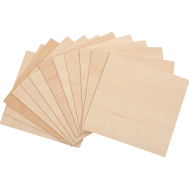



























Plywood is one of the most commonly used materials in woodworking, cabinetry, home renovation, and DIY projects across the UK. However, achieving clean cuts can be challenging. Without the right tools and technique, plywood edges may splinter, chip, or tear—especially when working with veneer-faced sheets.
In this guide, we explain two reliable ways to cut plywood: using traditional saws and using laser cutters. Whether you're completing a straightforward DIY task or working on a more detailed design project, understanding the strengths of each method will help you choose the right approach.

In this article:
- Method 1: Cut Plywood with a Saw
- Method 2: Cut Plywood with a Laser Cutter
- FAQs: Hot Questions about Cutting Plywood
Method 1: Cut Plywood with a Saw
Using a saw is the most traditional and widely used method for cutting plywood. It is practical, accessible, and suitable for everything from home DIY tasks to professional joinery work. The key to achieving clean results lies in selecting the correct blade and maintaining steady, controlled cutting.
Different saw types serve different purposes. Choosing the right one for your project will significantly reduce splintering and improve edge quality.
Tools Needed:
- Circular saw, table saw, jigsaw, or hand saw
- Fine-tooth or plywood-specific blade to reduce chipping
- Clamps to secure the sheet
- Straight edge or guide rail for accurate cuts
- Sandpaper for finishing
Steps to Do
1. Place the plywood sheet on a stable, supported surface and secure it firmly with clamps.
2. Measure carefully and mark the cutting line using a pencil and straight edge.
3. Select the appropriate saw for your task:
Circular saw – for long, straight cuts.
Table saw – ideal for precise, repeatable cuts.
Jigsaw – for curves or irregular shapes.
Hand saw – convenient for quick, small cuts without power tools.
4. Align the blade precisely with the marked cutting line.
5. Cut slowly and evenly, allowing the saw to do the work without forcing it.
6. Lightly sand the edges if necessary to achieve a smoother finish.
Pros and Cons of Plywood with a Saw
Pros
- Versatile and widely available
- Works for plywood of most thicknesses
- Different saws suit different types of cuts
Cons
- Produces dust; safety gear is essential
- Risk of splintering if blade is dull or inappropriate
Method 2: Cut Plywood with a Laser Cutter
Laser cutting is a highly precise method for processing thin plywood sheets and producing intricate shapes or decorative patterns. It is particularly suitable for hobbyists, model makers, and professional design projects that require accuracy and repeatability.
However, not all plywood is appropriate for laser processing. Thicker sheets may be difficult to cut effectively, and proper extraction is essential because burning plywood generates smoke and fumes.
Tools Needed
- Laser cutter (with enough power for Plywood)
- Computer or Mobile Devices with design software (to prepare patterns)
- Ventilation or fume extraction system (since cutting Plywood produces smoke and odor)
- Protective eyewear if recommended by your machine's safety guidelines
Steps to Do
1. Prepare your design in the software and upload it to the laser cutter.
2. Place the plywood sheet flat on the machine bed and secure it.
3. Adjust the laser settings (power, speed, and focus) according to the thickness of the plywood.
4. Run a small test cut to check results and avoid burning.
5. Start the cutting process and monitor it carefully.
6. Remove the cut plywood and clean any residue or charred edges if needed.
Best For
- Thin plywood sheets (usually ≤6mm)
- Detailed patterns, lettering, and decorative elements
- Projects that require clean, repeatable cuts
Pros and Cons of Cutting Plywood with a Laser Engraver
Pros
- Extremely precise and clean cuts
- Minimal physical effort required
- Repeatable results for multiple pieces
Cons
- Limited to thinner plywood sheets
- Slightly burned edges possible if settings are not correct
FAQs: Hot Questions About Cutting Plywood
Q1. What Is the Best Tool to Cut Plywood?
The best tool depends on the type of cut and the thickness of the plywood. For most home and workshop projects, saws such as a circular saw, table saw, or jigsaw are the most practical choice. They handle various sheet sizes and thicknesses effectively. For intricate patterns or thinner sheets, a laser cutter can provide cleaner, more detailed results.
Q2. How Do You Cut Plywood Without a Machine?
You can cut plywood manually using a hand saw for thicker sheets or a utility knife for very thin panels. Secure the sheet firmly, mark your cutting line clearly, and cut slowly along a straight edge to maintain accuracy. Taking your time helps reduce splintering.
Q3. Can I Cut Plywood by Hand?
Yes, plywood can be cut by hand. A hand saw works well for straight or rough cuts, especially on small pieces. Thin plywood can sometimes be scored repeatedly with a sharp knife and snapped along the line. Hand cutting is most suitable for small DIY tasks or minor adjustments.
Q4. How Do You Prevent Plywood from Splintering?
To minimise splintering:
- Use a fine-tooth blade
- Apply masking tape along the cut line
- Cut with the good face down when using a circular saw
- Support the sheet fully during cutting
Sharp blades and steady feed speed make a significant difference.
Q5. What Thickness of Plywood Is Easiest to Cut?
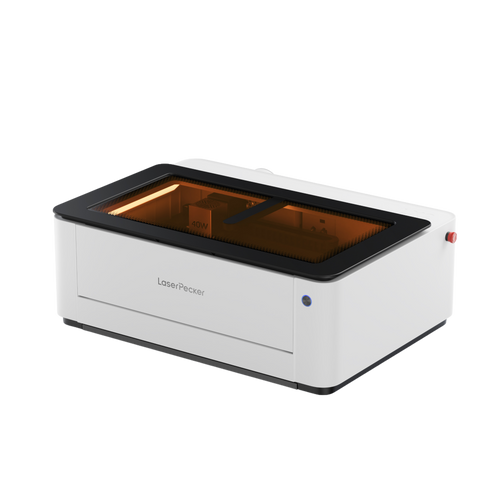
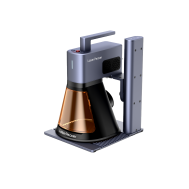
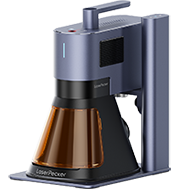
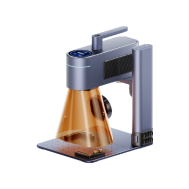
Sheets between 6mm and 12mm are generally easier to handle for most DIY tools. However, more powerful laser systems such as the LaserPecker LX2 are capable of cutting wood up to 22mm thick in a single pass under optimal settings, making them suitable for thicker plywood while still maintaining clean and precise edges.
Q6. Is Laser Cutting Better Than Saw Cutting for Plywood?
It depends on the project. Saw cutting is faster and more suitable for structural or large sheet cuts. Laser cutting is ideal for decorative work, small components, and detailed designs. Each method has its place in woodworking.
Conclusion:
There are several effective ways to cut plywood, and the best choice depends on the thickness of the sheet and the complexity of your project. Traditional saws remain the go-to option for straight cuts, curved shapes, and general woodworking tasks around the home or workshop.
For thinner sheets and detailed decorative work, a laser cutter like LaserPecker LX2 offers excellent precision and repeatability. It allows for clean lines and intricate designs that would be difficult to achieve manually.
By selecting the right cutting method and using proper technique, you can reduce splintering, improve edge quality, and achieve a more professional finish in your plywood projects.