































Engraved pens are more than simple writing tools — they are personal, meaningful, and often valued as gifts, keepsakes, or branded products. Whether you want to personalise a metal pen with initials, engrave a logo onto a wooden barrel, or create a truly one-of-a-kind design, selecting the right engraving method makes a noticeable difference.
In this guide, we'll explore four effective ways to engrave pens, ranging from advanced options such as laser and CNC engraving machines to more hands-on techniques like rotary and hand engraving. This will help UK users choose a method that best suits their materials, skill level, and creative goals.

In this article:
- Method 1: Engrave a Pen with a Laser Engraving Machine
- Method 2: Engrave a Pen with a Rotary Tool
- Method 3: Engrave a Pen via Hand Engraving
- Method 4: Engrave a Pen with a Small CNC Machine
- FAQs: Hot Questions About Engraving Pens
Method 1: Engrave a Pen with a Laser Engraving Machine
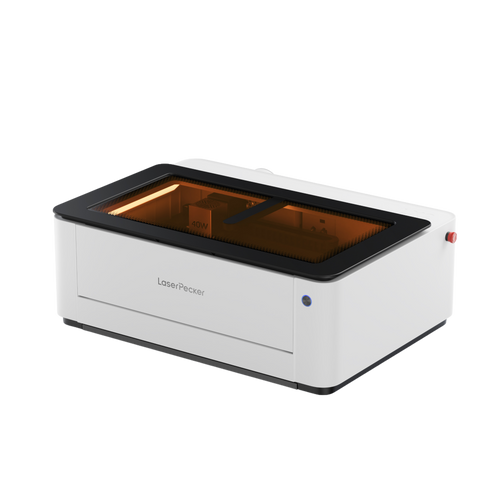
Laser engraving is one of the most popular and precise methods for customising pens in the UK. It uses focused laser energy to mark or etch the surface, making it ideal for engraving names, logos, or intricate patterns on metal, wood, acrylic, or coated pens.
What You'll Need for Laser Engraving a Pen:
- A laser engraving machine suitable for desktop or workshop use
- Pens with an engravable surface (metal, wood, acrylic, or coated plastic)
- Design software (e.g., LightBurn, LaserPecker Software & App)
- Rotary attachment (recommended for cylindrical pens)
Steps to Engrave a Pen with a Laser Machine
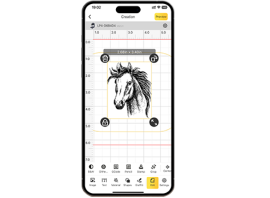
Step 1: Create or Import the Design
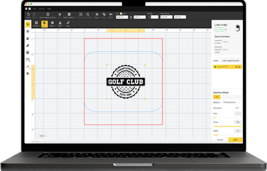
Use design software to prepare the name, logo, or pattern. Match the design size to the engravable area of the pen barrel.
Step 2: Choose a Suitable Laser Engraver for Pens
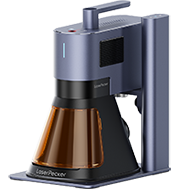
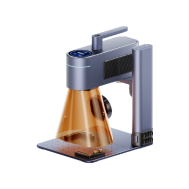
Select a laser engraver that is capable of handling cylindrical objects and fine details. For home users and small workshops, compact machines with rotary support, such as the LaserPecker LP4, are well suited for pen engraving, offering precision on materials like metal, wood, and coated surfaces.
Step 3: Secure the Pen
Place the pen into a rotary attachment so the laser can engrave evenly around the cylindrical surface. For flat or clip-style pens, secure them directly onto the laser bed.
Step 4: Set the Laser Parameters
Adjust the laser power, speed, frequency, and focus according to the pen material. Running small test engravings is recommended to achieve clean, consistent results.
Step 5: Preview the Engraving Area
Use the frame or outline function to preview the engraving position. This helps ensure proper alignment before starting.
Step 6: Start Engraving
Begin the engraving process and monitor it closely for accuracy and safety. Using fume extraction or air assist is advised, especially for indoor workshops.
Step 7: Clean and Inspect the Result
After engraving, gently wipe away any residue or soot with a soft cloth. Check the engraving for clarity and uniform depth.
Advantages and Limitations of Laser Engraving a Pen
👍Advantages:
Delivers highly precise, professional-quality engraving results suitable for personalised gifts and branded pens in the UK market
Ideal for detailed logos, fine text, and small graphics commonly used for corporate gifts and promotional items
Compatible with a wide range of materials, including metal, wood, acrylic, and leather
👎Limitations:
Requires a laser engraving machine with sufficient power and adequate working space, which may be a constraint for small home workshops or flats
Method 2: Engrave a Pen with a Rotary Tool
Engraving a pen with a rotary tool is a practical, hands-on method well suited to DIY enthusiasts and hobbyists in the UK. With the appropriate engraving bits, you can add names, initials, or simple designs to metal, wood, or plastic pens. This approach is particularly popular for creating one-off personalised gifts or small creative projects at home.
Required Tools:
- Rotary tool or electric engraving pen
- Clamp, vise, or non-slip mat
Steps to Engrave a Pen with a Rotary Tool
Step 1: Mark the Design
Draw your design or initials directly on the pen with a fine-tip marker, or apply a stencil for guidance.
Step 2: Secure the Pen
Use a clamp, soft-jaw vise, or foam pad to keep the pen from moving while you work.
Step 3: Choose the Right Bit
Attach a diamond or carbide engraving bit, depending on the pen's material.
Step 4: Start Engraving
Turn on the rotary tool and gently follow your design using light pressure. Let the tool do the cutting—don't force it.
Step 5: Refine and Clean
Go over any uneven lines again for depth or consistency. Then wipe the pen with a cloth to remove dust and debris.
Advantages and Limitations of Engraving a Pen with a Rotary Tool
👍Advantages:
Affordable and easy to start, making it suitable for beginners and home users
Ideal for creating one-off personalised gifts without investing in large equipment
👎Limitations:
Offers less precision than laser or CNC engraving methods
Requires steady hands and patience to achieve neat, professional-looking results
Method 3: Engrave a Pen via Hand Engraving
Hand engraving is a traditional and highly skilled technique that involves manually carving into a pen's surface using precision engraving tools. In the UK, this method is often associated with craftsmanship and heritage, making it ideal for creating elegant, personalised, and artistic engravings on luxury or collectible pens.
Required Tools:
- Hand graver
- Engraving vise or clamp (to secure the pen)
- Magnifying glass or jeweler's loupe (for fine detail work)
Steps to Hand Engrave a Pen
Step 1: Plan the Design
Sketch your design or lettering onto the pen's surface using a fine-tip marker or pencil.
Step 2: Secure the Pen
Use a jeweler's vise or a padded clamp to hold the pen firmly and avoid movement during engraving.
Step 3: Select and Prepare the Graver
Choose the appropriate graver shape for your design. Make sure it's sharp for clean cuts.
Step 4: Begin Engraving
Hold the graver at a consistent angle and push or scoop it along your traced lines. Take your time and work in small sections.
Step 5: Clean Up
Brush off any metal shavings or dust. Optionally polish the engraved area for a smooth finish.
Advantages and Limitations of Hand Engraving a Pen
👍Advantages:
Produces elegant, artisan-quality results with a strong sense of craftsmanship
Ideal for luxury pens, bespoke commissions, and heirloom-quality gifts
👎Limitations:
Requires a high level of skill and practice, with a steep learning curve
Time-consuming and unsuitable for bulk or commercial production
Mistakes are difficult to correct once material is removed
Method 4: Engrave a Pen with a Small CNC Machine
Using a small CNC machine is a precise and repeatable method for engraving pens, making it well suited for small-scale production or projects that require consistent, professional results. In the UK, CNC engraving is often used by small workshops and makers producing branded or personalised pens in batches. The process combines digital design with automated cutting, allowing for deep and permanent engraving on materials such as metal, wood, and acrylic.
Required Tools:
- CNC machine
- Brick (clay or concrete, preferably flat and smooth)
- Design & CAM software
- Clamp, vacuum table, or jig to hold the brick
Steps to Engrave a Pen Using a CNC Machine
Step 1: Create Your Design
Use design software to create or import your pattern, name, or logo. Generate the toolpaths with CAM software suited to your machine.
Step 2: Secure the Pen
Use a custom jig, rotary fixture, or soft-jawed clamp to hold the pen steadily and precisely in place on the CNC bed.
Step 3: Select the Right Bit and Settings
Install the appropriate engraving bit and set the correct spindle speed, feed rate, and depth per pass based on the material.
Step 4: Run a Test Pass
Always test on a scrap or sample pen to check alignment and cut quality.
Step 5: Begin Engraving
Start the job and monitor for vibrations, misalignment, or tool wear. Use dust control as needed.
Step 6: Clean and Inspect
Remove the pen, brush off debris, and inspect the engraving. Optional: polish or seal the engraved surface.
Advantages and Limitations of Engraving a Pen with a CNC Machine
👍Advantages:
CNC engraving delivers a high level of precision and consistency, making it well suited for engraving multiple pens with the same logo or design. It is particularly useful for small batch production where repeatability and uniform quality are important, such as for corporate gifts or event items.
👎Limitations:
CNC machines generate dust and continuous noise during operation, which often requires proper dust extraction and thoughtful workspace planning. Without adequate collection systems, debris can quickly build up and affect both cleanliness and engraving accuracy.
In addition, CNC machines are typically larger and heavier than other engraving tools. They take up a significant amount of space, which may not be ideal for home workshops or smaller studios—especially when working on compact items like pens, where the machine footprint can feel disproportionate to the task.
FAQs: Common Questions About Engraving Pens
1. Can any type of pen be engraved?
Engraving is most effective on pens with smooth and flat surfaces. Ideal materials include metal, wood, high-quality plastic, and leather-wrapped pens. However, intricate designs may vary based on the material, so it's essential to choose pens compatible with engraving techniques.
2. What types of messages can be engraved on pens?
Engraved messages can range from names, dates, and quotes to intricate designs and company logos. The versatility of engraving allows for personalization according to the occasion and recipient.
3. How deep does the engraving go on a pen?
The depth of engraving depends on the chosen method and settings. Laser engraving, for example, can achieve varying depths based on the machine's power and speed settings. It's important to consider the material and purpose when determining the appropriate engraving depth.
4. Can pens with intricate designs be engraved?
Yes, laser engraving technology allows for intricate and detailed designs on pens. However, the complexity of the design may affect the engraving time and require careful calibration of the laser settings.
5. Are there limitations on the size of pens that can be engraved?
Most laser engraving machines come with adjustable settings to accommodate different pen sizes. It's essential to check the specifications of your specific engraving machine and, if applicable, use a rotary attachment for cylindrical objects.
6. How do I clean and maintain an engraved pen?
Cleaning engraved pens involves gentle wiping with a soft, damp cloth to remove any residue. To maintain the engraving's longevity, avoid abrasive cleaners or harsh chemicals. Store engraved pens in a protective case or pouch to prevent scratches.
7. Can fountain pens be engraved?
Yes, fountain pens can be engraved, but extra care is required due to their delicate structure. Laser engraving on the pen barrel is generally the safest option, avoiding the nib and internal components.
8. Is it possible to engrave multiple pens simultaneously?
Some laser engraving machines support batch engraving using rotary attachments. Each pen must be securely positioned and aligned to ensure consistent results.
9. Can I engrave pens at home, or do I need professional services?
Desktop laser engraving machines are suitable for home use and small projects. For complex designs or larger quantities, professional engraving services may offer greater consistency and efficiency.
10. Are there restrictions on the use of copyrighted designs for engraving?
Yes, engraving copyrighted designs without permission may violate intellectual property laws. It's best to use original designs, licensed artwork, or content in the public domain.
Conclusion
Pen engraving can be as simple or as advanced as you choose. Laser engraving machines offer speed and precision, making them ideal for detailed logos or batch engraving. Rotary tools are well suited to DIY projects and hands-on personalisation, while hand engraving adds a distinctive, artisan character. For those seeking consistency and deeper cuts, a small CNC machine can deliver professional results with reliable, repeatable accuracy.
Whichever method you prefer, engraving transforms an ordinary pen into a meaningful and memorable item. Choose the right tool, plan your design carefully, and start engraving your creativity into every detail.