































Engraved pencils offer a simple yet meaningful way to personalise everyday writing tools with creativity, branding, or identity. From custom pencils for students and schools to wedding favours, promotional giveaways, and handmade craft products, the engraving method you choose plays a crucial role in both quality and visual appeal.
In this guide, we explore five practical methods for engraving pencils — ranging from high-precision laser and CNC engraving to hands-on techniques such as stamping and rotary engraving.
Each method involves different tools, workflows, and application scenarios, making them suitable for different creative and commercial needs. This guide will help you identify the most effective solution for your specific use case.

In this article:
- Method 1: Engrave Pencils Using a Laser Engraving Machine
- Method 2: Engrave Pencils with a Rotary Tool
- Method 3: Engrave Pencils Using a Small CNC Machine
- Method 4: Engrave Pencils with Cricut Maker
- Method 5: Engrave Pencils via Stamping
- FAQs: Top Questions About Pencil Engraving
Method 1: Engrave Pencils with a Laser Engraving Machine
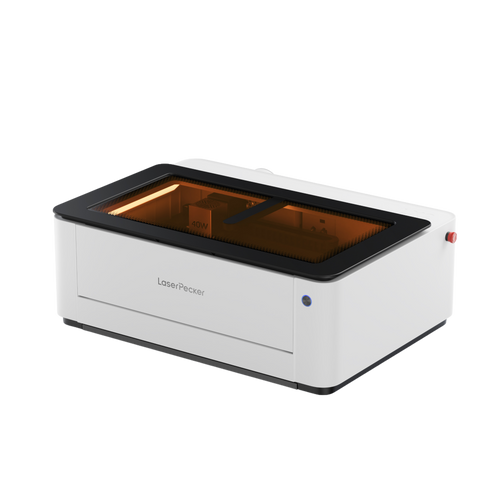
Laser engraving is one of the most precise and efficient ways to personalise pencils for gifts, branding, educational use, and retail products. The process uses focused laser energy to burn or etch the surface of wooden or painted pencils, creating clean, permanent, and highly detailed markings.
For users in the UK, laser engraving is especially popular in home workshops, schools, and small craft businesses due to its accuracy, repeatability, and low material waste. It allows creators to produce consistent results across large batches while maintaining a high-quality finish.
What You'll Need for Laser Engraving Pencils:
-
A laser engraving machine
Suitable for fine-detail engraving and consistent batch production. -
Pencils with an engravable surface
Laser engraving works best on pencils made from compatible materials, including wood, metal, acrylic, and coated plastic. These surfaces allow the laser to produce clean, durable, and clearly visible engraving results. -
Design software
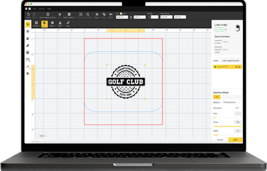
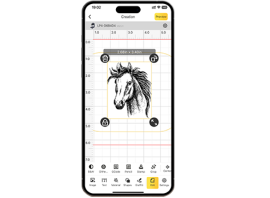
To create layouts and manage engraving settings, you will need dedicated engraving software such as LightBurn or the LaserPecker Software & App. These tools help control power, speed, and precision while ensuring consistent engraving quality.
Steps to Engrave a Pencil with a Laser Engraving Machine
Step 1: Design Your Layout
Use engraving software to create your text, name, phrase, or logo. Resize the design to fit the pencil barrel, typically around 5–8 mm in height, ensuring good visibility and clean proportions.
Step 2: Position the Pencil
Place the pencil securely on the laser bed. For round pencils, a rotary attachment helps maintain rotation and alignment. For hexagonal pencils, position them flat in a jig to prevent rolling during engraving.
Step 3: Set Engraving Parameters
Adjust the laser power, speed, and focus based on the pencil material. Wooden, coated, and metal surfaces require different parameter settings for optimal engraving quality.
Step 4: Preview the Engraving Area
Use the frame or outline function to confirm the engraving position is correctly aligned with the pencil surface before starting.
Step 5: Start Engraving
Begin the engraving process and monitor the job for safety. Make sure the pencil remains stable and does not shift during operation.
Step 6: Clean and Finish
Wipe away smoke marks and debris using a soft cloth. If needed, apply light sanding or a surface finish to enhance clarity and appearance.
Pros and Cons of Laser Engraving a Pencil
👍Pros:
Laser engraving delivers highly precise and professional-quality results, making it ideal for both personal and commercial use.
It can handle detailed content such as logos, names, serial numbers, and fine typography with excellent consistency.
The process works across a wide range of materials, including wood, metal, acrylic, leather, and coated surfaces.
As a non-contact method, laser engraving applies no physical pressure, which significantly reduces the risk of damaging or deforming the pencil.
👎Cons:
Laser engraving machines can require a higher initial investment, which may be a barrier for beginners or hobby users starting on a limited budget.
Method 2: Engrave Pencils with a Rotary Tool
Using a rotary tool is a hands-on and budget-friendly method for engraving pencils. It is especially suitable for DIY enthusiasts who want to personalise small batches of wooden pencils with names, simple designs, or decorative patterns. Although it is less precise than laser engraving, this method offers a more personal, handcrafted finish that many makers value.
Required Tools:
- Rotary tool or electric engraving pencil
- Clamp, vise, or non-slip mat
- Pencil (preferably wooden or painted; avoid soft rubber coatings)
Steps to Engrave a Pencil with a Rotary Tool
Step 1: Plan and Mark Your Design
Sketch the name, initials, or pattern directly onto the pencil using a fine marker, or apply a stencil for better accuracy.
Step 2: Secure the Pencil
Fix the pencil in place using a soft-jawed vice, or wrap it in foam or cloth to protect the surface and prevent movement.
Step 3: Choose and Attach the Engraving Bit
Select a fine engraving bit. Diamond tips are ideal for clean, thin lines, while burr tips are better for deeper etching.
Step 4: Start Engraving
Set the rotary tool to a medium-to-high speed and follow the guide marks using light, steady pressure. Allow the tool to do the work rather than forcing the bit into the surface.
Step 5: Clean and Touch Up
Wipe away dust with a soft cloth. For better visibility, paint or ink can be applied into the engraved grooves to enhance contrast.
Pros and Cons of Engraving a Pencil with a Rotary Tool
👍Pros:
This is a low-cost and accessible engraving method suitable for beginners. It works well for one-off personalised gifts and small creative projects, offering a handmade and unique appearance.
👎Cons:
Rotary engraving is less precise than laser or CNC engraving. It requires steady hands, patience, and practice to achieve neat results, and it is not suitable for batch production or commercial-scale engraving.
Method 3: Engrave Pencils with a Small CNC Machine
A small CNC machine enables high-precision engraving through automated cutting, making it ideal for producing deep, repeatable marks on pencils. This method is particularly suitable for small workshops, makerspaces, and creators producing customised products in batches. With the correct clamping setup, CNC engraving works effectively on wooden pencils in flat, round, and hexagonal shapes.
Required Tools:
- Small CNC
- Custom pencil jig or clamp (to hold pencils securely)
- Wooden or painted pencils
Steps to Engrave a Pencil with a Small CNC Machine
Step 1: Create or Import the Design
Design your text or logo using CAD software and generate toolpaths with CAM software. Adjust the size to fit the pencil surface, typically around 5–8 mm in height, to ensure clarity and proportional balance.
Step 2: Secure the Pencil
Fix the pencil in a custom jig, rotary attachment, or soft clamp to prevent movement. For round pencils, a rotary fixture or V-block can improve stability and alignment.
Step 3: Select the Bit and Machine Settings
Install a fine engraving bit. Set spindle speed, feed rate, and depth of cut according to material.
Step 4: Test and Align
Run a test pass on scrap wood or a spare pencil. Use the CNC zeroing function to ensure accurate alignment before starting the main job.
Step 5: Start Engraving
Launch the engraving process and monitor performance, checking for accuracy, tool wear, and smooth cutting throughout the operation.
Pros and Cons of Engraving a Pencil with CNC Machine
👍Pros:
CNC engraving offers high precision and excellent consistency across multiple items. It supports deeper engraving than laser methods, making it ideal for long-lasting marks and durable product branding.
👎Cons:
This method requires knowledge of design software and CNC operation. Setup and alignment can be time-consuming, and it is not well suited for one-off or fast turnaround projects.
Method 4: Engrave Pencils with Cricut Maker
Although the Cricut Maker is primarily known for cutting materials such as paper, vinyl, and leather, it can also lightly engrave soft surfaces using its engraving tip. This method produces surface etching rather than true deep engraving, but it works well for decorative and personalised designs—especially on painted or foil-covered pencils.
Required Tools:
- Cricut Maker
- Adhesive (e.g., painter's tape or glue dots) to hold the pencil in place
- Pencils with soft coatings (e.g., painted or foil-wrapped pencils; not raw wood)
Steps to Engrave a Pencil with Cricut Maker
Step 1: Create Your Design
Open Cricut Design Space and design your name, logo, or text. Keep it small (approx. 5–8 mm high) and set it to “Engrave” as the operation type.
Step 2: Prepare the Mat
Place the pencil on the StrongGrip mat. Use tape or glue dots to keep it from shifting. Flat or hexagonal pencils work best for this.
Step 3: Align and Frame the Are
Use the grid in Design Space to align your design to the pencil's position on the mat.
Step 4: Start Engraving
Click “Make It” and let the Cricut lightly etch the design into the pencil coating. Monitor to ensure the pencil stays in place.
Step 5: Clean the Surface
Gently wipe the pencil to remove dust or flakes. Optionally, fill in the engraving with paint or metallic marker for better visibility.
Pros and Cons of Engraving a Pencil Using a Cricut Maker
👍Pros:
This method is easy and accessible for existing Cricut users. It is ideal for decorative projects, craft-based designs, and home use, offering a safe and user-friendly engraving experience.
👎Cons:
The engraving is limited to surface etching and does not produce deep, permanent marks. It does not work effectively on bare wood and is unsuitable for curved pencils.
Method 5: Engrave Pencils via Stamping
Stamping is a traditional and highly effective method for marking pencils with names, logos, or serial numbers, and is widely used in mass production environments.
This technique involves pressing or striking a metal stamp into the pencil surface to create a permanent impression. It is most suitable for flat or hexagonal wooden pencils, where the surface allows clean and stable stamping results.
Required Tools:
- Metal letter or logo stamp set
- Hammer or mallet (preferably brass or dead blow)
- Pencil (wooden and uncoated or lightly coated are ideal)
Steps to Engrave a Pencil via Stamping
Step 1: Choose and Align the Stamp
Select the appropriate letter or logo stamp. Position it on the flat side of the pencil where you want the mark to appear.
Step 2: Secure the Pencil
Lay the pencil flat on a hard surface or stamping block. Optionally, use a jig or clamp to keep it from moving.
Step 3: Strike the Stamp
Hold the stamp vertically and strike it firmly with a hammer. A single, controlled hit gives the best results. Repeat for each letter if stamping by hand.
Pros and Cons of Engraving Pencils via Stamping
👍Pros:
Stamping is a simple, manual method that requires no software or electricity. It produces deep, permanent markings and works especially well on flat or hexagonal wooden pencils.
👎Cons:
This method is not suitable for round pencils without specialised jigs. Excessive force can crack or damage soft or brittle pencils, especially during repeated stamping.
FAQs: Popular Questions About Engraving Pencils
1. What is pencil engraving?
Pencil engraving is the process of permanently marking designs, text, names, or patterns onto a pencil's surface using methods such as laser engraving, CNC engraving, rotary tools, stamping, or manual carving techniques.
2. What types of pencils can be engraved?
Wooden pencils are the most suitable for engraving due to their stable and natural surface. Painted, coated, and foil-wrapped pencils can also be engraved using specific methods. Mechanical pencils and plastic-coated pencils require specialised techniques.
3. What is the difference between pencil engraving and embossing?
Engraving removes material to create recessed markings, while embossing raises the surface to form a raised design. Engraving creates permanent indented marks, whereas embossing forms surface relief patterns.
4. How to engrave a name on a pencil?
A name can be engraved using laser engraving, CNC machines, rotary tools, stamping, or manual engraving. Digital methods usually involve creating a design file and engraving it directly onto the pencil surface using a machine.
5. What tools are needed to engrave pencils?
Common tools include laser engraving machines, CNC machines, rotary tools, metal stamps, engraving software, clamps, jigs, cleaning materials, and basic safety equipment.
6. Is pencil engraving permanent?
Yes. When done correctly, engraving creates permanent markings that will not fade or peel, making it ideal for long-term personalisation and branding.
7. Can the same design be engraved on multiple pencils?
Yes. Laser engraving and CNC engraving systems support batch processing, allowing the same design or text to be engraved consistently across multiple pencils.
8. Are there any limitations to what can be engraved on pencils?
Design complexity depends on the engraving method and equipment precision. Most methods can handle logos, text, serial numbers, and decorative patterns, although very fine details may require laser or CNC engraving.
9. What are some creative uses for engraved pencils?
Engraved pencils are widely used as personalised gifts, school supplies, promotional products, wedding favours, branded stationery, and custom craft items.
10. How can pencils be personalised for gifts?
Personalised pencils can be created by engraving names, messages, quotes, logos, or special dates onto the surface, making them meaningful, unique, and memorable gifts.
Conclusion
Engraving pencils is a creative and practical way to personalise everyday items, whether for gifting, branding, education, or craft projects. Each engraving method offers its own unique advantages and use cases.
- Laser engraving is ideal for fast, clean, and professional-quality results.
- Rotary tools are perfect for hands-on, DIY-style customisation.
- CNC machines deliver precision and consistency for small-scale production.
- Cricut engraving adds a decorative finish to coated and painted pencils.
- Stamping provides a traditional, durable solution for bulk marking and industrial use.
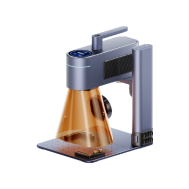
For most users, laser engraving is the most efficient and professional way to engrave pencils, especially when consistency, speed, and clean results matter. A compact machine like the LaserPecker LP2 Plus 10W diode laser engraver is particularly well suited for pencil engraving, offering fast setup, stable performance, and excellent detail on wooden surfaces.
When paired with the versatile electric roller, pencils can rotate automatically during engraving. This allows for uniform, 360-degree engraving, significantly improving efficiency while ensuring text and patterns remain even, sharp, and well aligned—ideal for batch projects, gifts, or small business use.
For users who prioritise safety and indoor usability, adding the standard safety enclosure helps isolate the laser working area and reduce potential risks, making home use more reassuring. Combined with an air purifier, smoke and fine particles generated during engraving are effectively filtered, keeping indoor air clean and safe for families, children, and pets.
With the right laser setup and accessories, pencil engraving becomes not only easier and faster, but also more consistent and professional—turning everyday pencils into high-quality personalised products suitable for both creative and practical use.