





























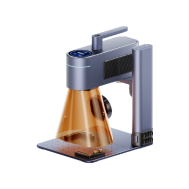


Creating physical letters from digital fonts with a laser cutter is both satisfying and highly practical. It delivers clean, sharp edges, allows for easy duplication, and works across a wide range of materials such as acrylic, wood, and metal.
In this guide, you'll explore material options, practical techniques, and key tips to help you achieve precise, professional results when laser cutting letters.

In this article:
Part 1: Introduction to Laser Cutting Letters
Laser cutting is a modern and precise way to create letters for signage, décor, branding, or personalised gifts. Compared with traditional cutting methods, it delivers sharper edges, smoother curves, and consistent results across different materials.
What are Laser-Cut Letters
Laser-cut letters are shapes or text created by using a laser to cut through materials such as wood, acrylic, metal, or cardboard. Depending on the design, they can be flat, layered for a 3D effect, or combined with engraving to add extra detail and depth.

Cons and Pros of Laser-Cut Letters
Pros:
- Clean, professional-looking results
- Supports intricate fonts and detailed designs
- Compatible with a wide range of materials
- Easy to reproduce for batch production
Cons:
- Requires access to a laser cutter
- Some materials may need post-processing (e.g. sanding or cleaning)
- Finding the right settings can take some trial and error
Part 2: Choosing the Right Materials for Laser-Cut Letters
The material you choose plays a key role in how your final letters look and perform. Different materials react differently to laser cutting, so understanding their properties helps you achieve the right finish and durability for your project.
Acrylic
Acrylic is ideal for a clean, modern appearance. It is widely used for business signage, branding, and event displays. Laser cutting produces smooth, polished edges that usually require no additional finishing. You can also layer different colours or thicknesses to create depth. Acrylic is durable and suitable for indoor use or sheltered outdoor environments.
Wood
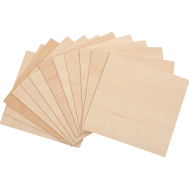
Wood offers a natural and warm aesthetic, making it perfect for home décor, crafts, and wedding signage. It can be engraved for added detail and easily painted or stained. Different types of wood provide varied finishes—birch and maple are smooth and refined, while reclaimed wood gives a more rustic look.
Metal
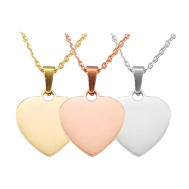
Metal letters are highly durable and well-suited for industrial designs or outdoor applications. After cutting, they can be polished, brushed, or powder-coated for an enhanced finish. Materials such as aluminium and brass can also be engraved with logos or text, making them suitable for both functional and decorative uses.
Leather
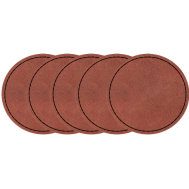
Leather provides a soft yet premium feel. It is commonly used for fashion items, patches, bags, and branding elements. Laser engraving allows for detailed patterns without damaging the material. Its flexibility makes it easy to apply to curved surfaces or combine with other materials.
Cardboard
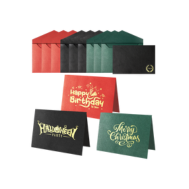
Cardboard is a cost-effective and lightweight option. It is ideal for prototyping, temporary signage, educational projects, or large-scale lettering for short-term use. It can be painted, layered, or decorated easily, making it great for testing designs before moving to more expensive materials.
Part 3: Step-by-step Guide to Laser Cutting Letters
To produce clean, professional letters, follow these practical steps. This guide walks you through preparation, design setup, machine operation, and finishing. Even beginners can achieve consistent, high-quality results by following a structured process.

Source: LaserPecker CraftZone
Tools and Preparation
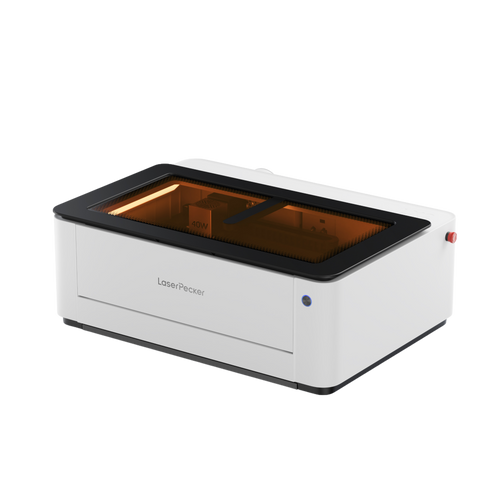
- Laser cutter fibre or diode, depending on your material
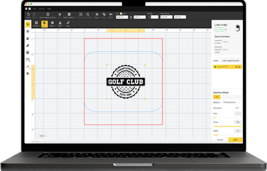
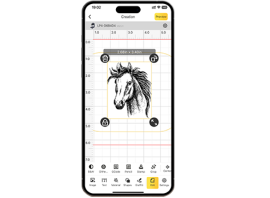
- Computer with design software (like LaserPecker Design Space, Illustrator, CorelDRAW, or LightBurn)
- Acrylic sheets, wood panels, leather pieces, metal sheets, or cardboard
- Safety glasses, gloves, and a ventilation system
Your Letters Design (vector files, fonts, layouts)
1. Create your design as a vector file (SVG, DXF, or AI).
2. Choose fonts that are thick since thin lines can break.
3. Arrange your designs to minimize material waste.
Laser Cutting Process
Setting up the machine
Place the material flat on the laser bed. Secure it using clamps or magnets to prevent any movement during operation.
Adjusting power, speed, and focus
Start by setting the correct focus using the machine's focus tool. Then adjust power and speed settings based on the material.
Always test on scrap material first to fine-tune parameters and avoid mistakes on your final piece.
Cutting and engraving steps
- With the settings dialled, start the cut.
- The laser will follow your design to cut each letter.
- If you're engraving details inside the letters, do that before cutting the outline.
Finishing touches (polishing acrylic edges, painting wood, etc.)
- Acrylic: Clean the shiny edges and use a flame to polish them more, if desired.
- Wood: Lightly sand off any burn marks, then paint or varnish.
- Metal: Brush or polish the edges.
- Cardboard: Usually, no finish is needed, but you can paint it to make it more durable.
To care for leather after engraving, wipe away any leftover material. Then, use a leather conditioner or wax to keep the leather soft and prevent it from drying out.
Part 4: Creative Applications of Laser-Cut Letters
Laser-cut letters are incredibly versatile and can be used across a wide range of creative and commercial applications. From home styling to professional branding, here are some practical and inspiring ways to use them:
Home Decor
Large laser-cut letters are ideal for spelling out names, quotes, or initials. Combining materials—such as layering acrylic over wood—creates a modern, premium look. They are lightweight and easy to mount on walls.
Event Signage
Custom lettering works perfectly for weddings, parties, and exhibitions. Use them for welcome signs, table numbers, or directional signage that matches your event theme.
Retail Displays
Cut letters from acrylic or metal can enhance shop signage and product displays. They offer a cleaner, more professional appearance compared to printed alternatives.
Office Branding
Laser-cut letters are commonly used for reception signage, wall logos, and engraved nameplates. They can be painted or finished to align with your brand identity.
Art and Creative Projects
Artists often incorporate laser-cut typography into installations or mixed-media artwork. Layering, repetition, or combining materials can produce striking visual effects.
Educational Use
Alphabet letters, classroom labels, and door nameplates are practical uses in schools. Materials like cardboard or thin plywood make them affordable and easy to produce.
Personalised Gifts
Custom letter magnets, plaques, or decorative initials make thoughtful gifts. Laser cutting ensures clean edges and precise detailing for a polished finish.
Packaging Design
Laser-cut lettering can elevate premium packaging. Wooden cut-out logos or names can be added to gift boxes for a distinctive, handcrafted feel.
Outdoor Signage
Weather-resistant materials such as acrylic or coated metal are suitable for outdoor signs, including house numbers and shop branding.
Prototyping
Designers can quickly test different fonts, sizes, and layouts by cutting samples in low-cost materials before committing to final production.
FAQs: Hot Questions about Laser Cutting Letters
Q1. I'm a beginner. What material should I pick first?
Acrylic or MDF are ideal starting materials. Acrylic produces smooth, polished edges straight from the cut and is widely used for signage. MDF and birch plywood are cost-effective, easy to sand or paint, and help you understand how wood reacts to heat. Avoid PVC, as it releases harmful fumes unless you have proper ventilation and filtration.
Q2. What are the basic settings I need to know (power, speed, focus)?
Power controls the laser's energy output, while speed determines how long the laser interacts with the material. Higher power with lower speed results in deeper cuts, whereas lower power with higher speed is better for engraving. Focus affects beam sharpness—correct focus ensures clean, precise edges. Always test on scrap material before final cutting.
Q3. How can I make letters stand up without falling over?
Use a wider base or design slot-in stands for stability. For heavier materials, consider brackets or mounting letters onto a backing panel. For lightweight materials like cardboard, attaching them to a thicker base improves balance.
Q4. Can I cut large letters without a large-format laser?
Yes. You can divide letters into sections and assemble them after cutting. This approach also makes transportation and storage easier, especially for signage projects.
Q5. Do I need special software to prepare designs?
Basic knowledge of vector design software is helpful. Tools like LaserPecker Design Space, Adobe Illustrator, Inkscape, or LightBurn allow you to convert text into outlines and optimise cutting paths. Always ensure vectors are closed and properly aligned.
Q6. What thickness of material is best for laser-cut letters?
For most projects, 3–6 mm thickness offers a good balance between strength and ease of cutting. Thinner materials are easier to cut but less durable, while thicker materials may require multiple passes or higher power.
Q7. Why do my laser-cut letters have burn marks?
Burn marks usually result from excessive power, slow speed, or poor airflow. Adjust your settings, use air assist, and ensure proper ventilation to minimise scorching.
Q8. Can I paint or finish laser-cut letters after cutting?
Yes. Wood letters can be sanded, painted, or varnished. Acrylic can be polished, and metal can be brushed or coated. Finishing improves both appearance and durability.
Conclusion
Laser-cut letters are an excellent way to turn digital designs into tangible results with clean edges and consistent quality. Whether you choose acrylic, wood, or metal, each material offers a distinct look suited to different applications.
Beyond appearance, their versatility makes them ideal for home décor, personalised gifts, business signage, and branding projects. With proper preparation and finishing, laser-cut letters can achieve a professional look while maintaining long-term durability. This makes them a reliable choice for both hobbyists and small businesses alike.