































Bag charms are more than simple accessories — they reflect personality, creativity, and individual style. From handcrafted embroidery to precision laser cutting, there is a method suited to every aesthetic preference and skill level.
Some people prefer the warmth of handmade techniques, while others appreciate the clean finish and accuracy of modern fabrication tools. Each approach offers its own balance of craftsmanship, efficiency, and visual impact.
In this guide, we explore five practical and creative methods for making custom bag charms, helping you choose the technique that best fits your design goals and production needs.

In this article:
- Part 1: Why Are Custom Bag Charms So Popular
- Part 2: Five Common Methods to Customise Bag Charms
- Method 1: String & Beads Bag Charm
- Method 2: Hand-Embroidery Bag Charm
- Method 3: Metal Wire Weaving Bag Charm
- Method 4: Laser Engraved/Cut Bag Charm
- Method 5: 3D Printed Bag Charm
- Part 3: How to Make a Bag Charm with a Laser Engraver and Cutter
- Part 4: FAQs about Making Bag Charms
Part 1: Why Are Custom Bag Charms So Popular?
Custom bag charms have seen strong growth in popularity across the UK, particularly as consumers look for more personal and meaningful accessories. Rather than opting for mass-produced high street items, many shoppers now prefer personalised pieces that reflect their identity, interests or creative flair.
In cities such as London and Manchester, and at local craft markets throughout the country, handmade accessories have become especially sought-after. Platforms like Etsy UK and independent online boutiques have also contributed to the rise in demand for custom-designed bag charms.
A handmade or personalised bag charm can:
- Add character to everyday handbags, backpacks or tote bags
- Serve as a thoughtful, personalised gift for birthdays, Christmas or graduations
- Commemorate special occasions such as hen parties, baby showers or milestone celebrations
- Support UK-based small creative businesses and side hustles
Unlike generic retail accessories, a personalised bag charm feels intentional and distinctive. Whether handcrafted using traditional techniques or produced through digital fabrication methods such as laser engraving or 3D printing, custom charms offer full control over materials, colours, shapes and engraved details.
The UK's growing interest in DIY culture, sustainability, and supporting independent makers has further driven this trend. For many creators, making custom bag charms is not only a creative hobby but also a realistic entry point into small-scale accessory production and online selling.
Part 2: Five Common Methods to Customise Bag Charms
There are many ways to make a custom bag charm, ranging from traditional handmade techniques to modern digital fabrication. The best method depends on whether you prioritise craftsmanship, speed, scalability, or design precision.
Method 1: Make a Bag Charm with String & Beads (Traditional Way)

This traditional method uses thread, cords, and decorative beads to create colourful and expressive charms. It is ideal for hobbyists who enjoy hands-on crafting and complete creative freedom.
Best suited for:
- Personal DIY projects
- Playful, layered designs
- Low-cost materials
Limitations include time investment and manual assembly effort.
Method 2: Hand-Embroidery Bag Charms (Traditional Way)

Hand embroidery allows detailed stitching on fabric or felt surfaces. This technique highlights craftsmanship and is well suited to soft-texture, textile-based designs.
Best suited for:
- Fabric charms
- Classic or vintage aesthetics
- Artistic one-of-a-kind pieces
It requires skill and patience, making large-scale production more challenging.
Method 3: Metal Wire Weaving Bag Charms (Traditional Way)

Metal wire weaving creates durable, sculptural charms with a metallic finish. The technique produces strong, visually striking accessories.
Best suited for:
- Structured designs
- Minimalist metallic styles
- Long-lasting accessories
However, it requires technical skill and precise hand control.
Method 4: Make a Bag Charm with a Laser Engraver & Cutter (Modern Way)
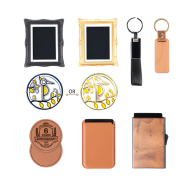
Laser engraving and cutting allow for precise designs on materials like wood, acrylic, and leather. They're good for detailed, modern styles and quickly producing identical items. You can add names, initials, designs, or logos for personalisation or branding.

Laser cutting allows complex shapes and intricate cut-outs that are difficult to replicate manually. It is particularly suitable for small businesses producing identical designs efficiently.

Method 5: Make a Bag Charm with a 3D Printer (Modern Way)
3D printing produces three-dimensional forms that cannot easily be created by hand.

Comparison Table of Charms Making Methods
| Method | Material | Ideal Use | Advantages | Disadvantages |
|---|---|---|---|---|
| String & Beads | Thread, beads | Hobbyists | Creative freedom, low cost | Time-consuming, skill required |
| Laser Engraving & Cutting | Wood, acrylic, leather | Batch production | High precision, fast, scalable | Equipment cost |
| 3D Printing | PLA, resin, filament | Innovative design | Complex structures, customizable | Slow, limited materials |
| Hand-Embroidery | Fabric, thread | Traditional crafts | Fine details, unique | Time-consuming, requires skill |
| Metal Wire Weaving | Metal wire | Durable, artistic | Sturdy, visually striking | Technical skill required, challenging |
Laser engraving and cutting stand out for their speed, accuracy, and professional finish. They allow creators to produce consistent, polished bag charms with minimal manual correction, making them suitable for both personal projects and small-scale commercial sales.
Next, we will look at how to make a bag charm using a laser engraver.
Part 3: How to Make a Bag Charm with a Laser Engraver and Cutter
Laser engravers and cutters provide exceptional precision and consistency when producing bag charms. They allow detailed engraving and clean-cut outlines on materials such as wood, acrylic, leather, and selected metals, making them suitable for both personal projects and small-scale commercial production.
Tools and Materials Needed to Prepare
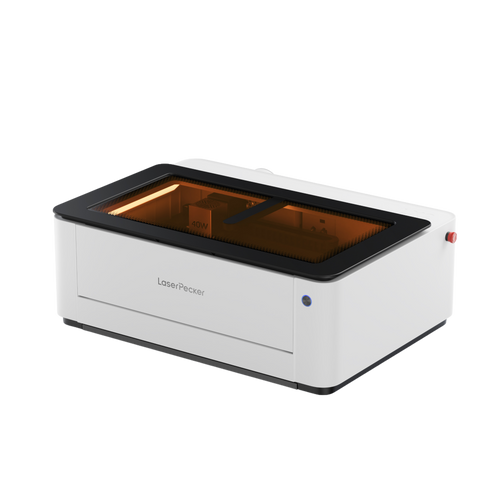
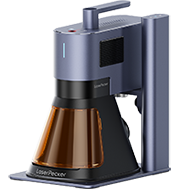
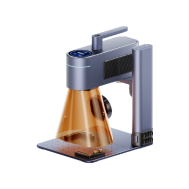
- Laser engraver & cutter (recommended: LaserPecker LP4)
- Design software (Inkscape, Adobe Illustrator, or LaserPecker Design Space)
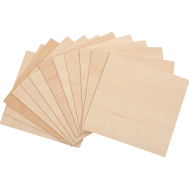
- Materials: wood, acrylic, leather, or other laser-compatible materials
- Safety equipment: glasses, air purifer, or a fume extractor
Steps to Customise Bag Charm by LP4
Making a personalised bag charm with the LP4 laser engraver is a cool way to make your stuff stand out. The LP4 lets you cut and engrave with care on different things such as wood, plastic, leather, or metal. This means you can make simple designs or go wild with the details. Here's how to make your own charm.
Step 1. Picking Your Stuff
The LaserPecker LP4 features a dual-laser system that supports a wide range of materials.
For Marking:
Diode laser (10W, 450nm) – suitable for wood, bamboo, leather, coated metals, painted aluminium, stainless steel, plastics, and paper.
IR laser (2W, 1064nm) – optimised for metals, plastics, leather, and coated surfaces.
For Cutting:
The diode laser can cut up to 8 mm balsa wood and approximately 5 mm dark acrylic, depending on settings.
Choose materials based on the desired finish and durability of your personalised bag charm.
Step 2. Charm Design
There are two primary processes: engraving and cutting.
Engraving:
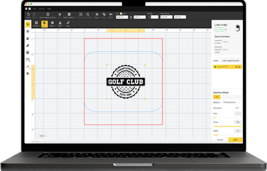
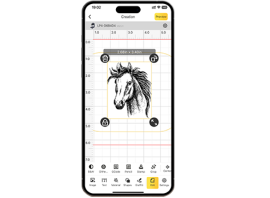
Engraving is perfect for adding that personal touch-logos, words, little pictures, you name it. It's all about marking the surface of your charm. You can use all sorts of files, like JPG or SVG. Design your charm in something easy to use, like Adobe Illustrator or even Inkscape. Then, pop it into LaserPecker Design Space. You can make your design right inside LaserPecker Design Space, too.
Cutting:
Cutting is how you create the charm's shape-circles, squares, or any outline you can imagine. SVG or DXF files work best here. Create your shapes in Adobe Illustrator, Inkscape, or something similar, upload them to LaserPecker Design Space, or just draw online there.
Step 3. LP4 Setup
- Put your material on the base plate.
- Use pegs or tape to hold down warped stuff.
- Adjust focus with the tool provided – refocus whenever you change materials.
- Pick the right laser (Diode or IR) for your material.
- Set the marking/cutting speed and power for what you're using.
Step 4. Marking & Cutting
Start by framing your design—let the laser trace the outline to confirm proper positioning. Once everything looks right, mark the details first, especially when working with materials like wood, MDF, or acrylic, before proceeding to cut the final shape.
Step 5. Cleaning
Begin by wiping off any soot from the marked wood using baby wipes or a damp cloth. If you plan to add color, use acrylic paint, paint pens, or specialty paints like Unicorn Spit, and apply tape to protect areas where you don't want paint. Allow the paint to dry completely before removing the tape.
Step 6. Putting It Together
Use chains, key rings, or loops to attach the charm to zippers, bags, or keys. This way, people can take the charm off if they want.
Material Ideas
- Wood: Use thick wood with a polyurethane coat for charms that last.
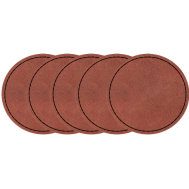
- Acrylic: Black or yellow acrylic works best. See-through or glitter acrylic might not cut all the way through with diode lasers.
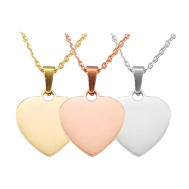
- Stainless Steel: LP4 can mark stainless steel with color using the diode laser—great for dog tags or metal charms.
Or, you can choose the LaserPecker LX2. With powerful 20W/40W/60W diode laser options, it's built to cut through larger materials effortlessly—making it the ultimate choice for large-scale bag charm making.
Part 4: FAQs about Making Bag Charms
Q1. How to Make Bag Charms?
Bag charms can be made using traditional handcrafted methods such as string and beads, embroidery, or metal wire weaving. Modern approaches include laser engraving, laser cutting, and 3D printing.
The best method depends on the desired style, material, and durability. Beginners often start with simple shapes and gradually incorporate layered designs, engraving details, or mixed materials to create a more personalised bag charm.
Q2. What Thickness Acrylic Is Best for Laser Cut Bag Charms?
For most laser-cut bag charms, acrylic between 2 mm and 4 mm provides a balance between durability and lightweight comfort. Thinner sheets may bend, while thicker sheets can add unnecessary weight.
Opaque or dark acrylic generally produces cleaner cuts with diode lasers.
Q3. What Materials Are Best for Making Bag Charms?
- Wood: It's simple to mark up, has a cool, earthy vibe, and you can seal it to make it last.
- Acrylic: Think bright and bold! It's got a totally modern feel. Solid colors usually cut the best.
- Leather: Want something classy that lasts? Leather looks awesome when laser-engraved.
- Metal: Stainless steel or that colorful anodized aluminum are the way to go if you want pro-level, long-lasting charms.
- Fabric or Thread: These materials are awesome for designs with embroidery and soft feels.
Q4. What Makes a Bag Charm Truly Stand Out?
A great bag charm? It's got to show off your vibe. Forget just the materials - it's all 'bout mixing cool ideas, tiny cool details, and what “you” think is important. Toss in some personal stuff, like your name, fave color, or a shape that means something to you. Play around with textures, looks, and shine so it looks cool and well-made. Truthfully, let it tell a story - that's what makes a regular charm amazing.
Conclusion
Creating personalised bag charms can be either simple or highly detailed, depending on your preferred method and level of craftsmanship. From traditional handmade techniques such as beadwork and embroidery to modern processes like laser engraving, laser cutting, and 3D printing, each approach offers distinct creative advantages.
Selecting the right materials and production method allows you to produce custom bag charms that are visually striking, durable, and meaningful. Whether you are designing for personal use, thoughtful gifts, or small-scale sales, combining thoughtful design with the appropriate technique ensures professional results.
By exploring these five methods, you can develop bag charms that reflect individuality while maintaining quality and longevity. With the right tools and materials, your ideas can move from concept to finished product with confidence.