










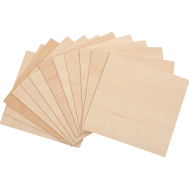
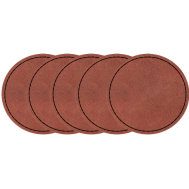






















Custom stamps are a great way to add a personal touch to letters, parcels, craft projects, and even your business branding. Instead of relying on generic store-bought stamps, making your own allows you to control the design, materials, and purpose. Whether you're looking to create a classic rubber stamp, a wooden stamp, or even a durable metal stamp, there's a method to suit your needs.

In this article:
- Part 1: Why Make Your Own Custom Stamp?
- Part 2: Top 4 Methods to Make Custom Stamps
- Method 1: Make a Rubber Stamp with a Carving Tool
- Method 2: Make a Custom Rubber Stamp with a Cricut Machine
- Method 3: Engrave a Custom Stamp with a Laser Engraver
- Method 4: Other Modern Approaches
- Part 3: Creative Uses for Custom Stamps
- Part 4: Tips for Making the Best Custom Stamp
- FAQs Questions about Making Custom Stamps
Part 1: Why Make Your Own Custom Stamp?
Creating your own custom stamps means you're no longer limited to standard, store-bought designs. You can turn any logo, illustration, or text into a stamp that fits your exact needs. Making stamps yourself can help reduce costs, encourage creativity, and give you the freedom to create truly one-of-a-kind items—whether for personal projects or professional use.
Part 2: Top 4 Methods to Make Custom Stamps
Custom stamps are a practical and creative way to add unique designs to cards, packaging, and craft projects. From traditional hand-carving techniques to modern laser engraving, there are several effective ways to make your own stamps. Below are four popular methods to help you choose the best option based on your project, skill level, and budget.
Method 1: Make a Rubber Stamp with a Carving Tool (Traditional Way)
Hand-carved rubber stamps are a popular choice for hobbies and small businesses. This traditional method is simple, affordable, and does not require much equipment, making it ideal for beginners who enjoy hands-on crafting.
Advantages and Limitations
Advantages:
Low cost and minimal tools required
No complex equipment needed
Full creative control over the final design
Limitations:
Time-consuming compared to machine-based methods
Requires steady hands for clean and consistent results
Tools and Materials
- A rubber block or even just an eraser
- Carving tools - or a craft knife will do.
- An ink pad.
- Pencil and tracing paper.
Step-by-Step Guide
Step 1: Sketch your design on paper or print it.
Step 2: Move that design over to the rubber using your tracing paper.
Step 3: Grab those carving tools and cut away whatever you don't want.
Step 4: Give it a whirl with some ink and tweak anything that looks off.
Step 5: Smooth and polish the edges with a smoother, burnisher, and some wax.
This method? Golden for newbies who dig old-school crafts and just want to whip up some small, easy designs.
Method 2: Make a Custom Rubber Stamp with a Cricut Machine (Modern DIY Way)
If you already enjoy crafting and own a Cricut machine, you can use it to make custom stamps quickly and easily. This method works by cutting stamp designs out of rubber sheets, offering more consistency than hand carving.
Advantages and Limitations
Advantages:
Faster and more precise than hand carving
Suitable for detailed stamp designs
Limitations:
Limited cutting depth
Requires ownership of a Cricut machine
Tools and Materials
- Cricut Maker or Cricut Explore
- Rubber stamp sheets
- StrongGrip mat
- Cutting blade
- Ink pad
Step-by-Step Guide
Step 1: Upload your design to Cricut Design Space.
Step 2: Stick the rubber sheet to the mat and load it into the machine.
Step 3: Set how deep you want to cut, and let the Cricut do its thing.
Step 4: Stick the stamp to a wooden block, so it's easier to handle.
This way of making stamps is great for DIY fans who want good results but don't need anything too professional.
Method 3: Engrave a Custom Stamp with a Laser Engraver (Professional Way)
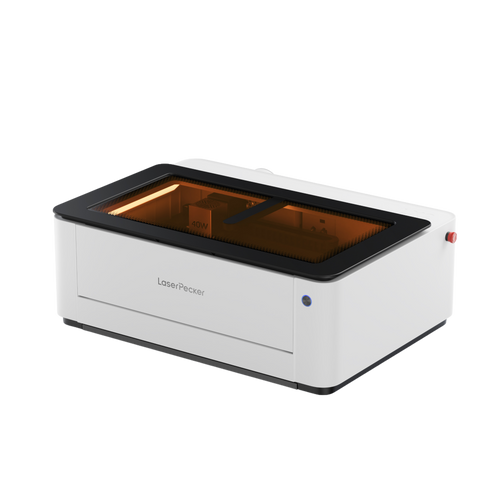
Laser engraving is a powerful method for making custom stamps from rubber, wood, and metal. It offers high precision, fast processing, and consistent results, making it suitable for both hobbyists and professionals. With a laser engraving machine like the LaserPecker LP5, you can switch between a 20W fibre laser and a 20W diode laser, allowing you to engrave, cut, or press designs on a wide range of materials.

Advantages and Limitations
Advantages:
Works with multiple materials, including rubber, wood, and metal
High level of detail and accuracy
Fast production and suitable for batch work
Limitations:
Higher initial investment
Requires time to learn settings and safety procedures
Tools and Materials
- Laser engraver (such as the LP5)
- Rubber sheets, wood blocks, or metal blanks
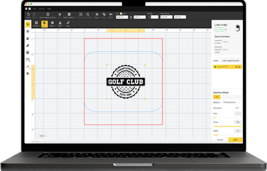
- Design software (LightBurn or LaserPecker Design Space)
- Ink pad (for rubber or wood) or hammer (for metal)
Step-by-Step Guide to Making a Rubber Stamp
Rubber is one of the most commonly used materials for stamps. Laser engraving is faster and more precise than hand carving.
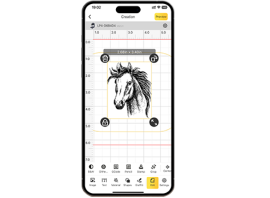
Step 1: Get your design ready on the PC software or mobile app and flip it around so the stamp prints right.
Step 2: Put a rubber sheet in the machine and get it in focus.
Step 3: Set how deep you want to engrave so the design stands out and the background is burned away.
Step 4: Once engraved, cut around the stamp with the laser.
Step 5: Stick it onto a wood block to make it easy to hold, and start stamping.
Step 6: This is good for logos, words, or designs that would take too long to carve by hand.
Step-by-Step Guide to Making a Wood Stamp
Wood stamps have a natural look. They can also be used to decorate.
Step 1: Pick a flat piece of wood (maple or beech are good).
Step 2: Bring in your design and flip it before marking.
Step 3: Use the laser to mark the design deeply into the wood, so the design sticks up for stamping.
Step 4: Sand the edges smooth if you need to.
Step 5: Try it with an ink pad-wood holds ink differently from rubber, so the print looks older.
Step 6: Wood stamps are great for crafts, packaging, or when you want something that looks handmade.
Step-by-Step Guide to Making a Metal Stamp
Metal stamps are for pressing into harder stuff like leather, clay, or soft metals. They can also double as wax seals for letters, invitations, or packaging, just heat the stamp slightly, press it into sealing wax, and you get a classy, old-school touch.
Step 1: Get your design ready on the PC software or mobile app and flip it around so the stamp prints right.
Step 2: Put a rubber sheet in the machine and get it in focus.
Step 3: Set how deep you want to engrave so the design stands out and the background is burned away.
Step 4: Once engraved, cut around the stamp with the laser.
Step 5: Stick it onto a wood block to make it easy to hold, and start stamping.
Step 6: This is good for logos, words, or designs that would take too long to carve by hand.
Why the LP5 Stands Out
The LP5 is made to work with many materials. Its 20W Fibre Laser + 20W Diode Laser lets you mark rubber and wood well while also doing hard jobs like cutting brass or steel. It can go up to 10,000mm/s and mark deeply. You can make anything from rubber stamps to metal tools. Add-ons like the Rotary Extension even let you mark round stamps for cool projects.
Method 4: Other Modern Approaches
In addition to carving, Cricut cutting, and laser engraving, there are other ways to create custom stamps. These include 3D printing moulds and casting stamps in rubber or silicone, as well as ordering stamps from online custom stamp services. Some makers also combine techniques, such as using a Cricut for the base and refining details by hand. These options are useful if you want to experiment or avoid committing to a single method.
Part 3: Creative Uses for Custom Stamps
Custom stamps are not just for decorating envelopes. For small businesses, they offer an affordable way to add branding to packaging, bags, and cards without investing in expensive printed materials.
For crafters and scrapbookers, stamps can be used to add texture and visual interest to journals, planners, and memory books. Teachers also find stamps useful for marking assignments or adding positive, encouraging messages for students.
Custom stamps can even be used with fabric ink to decorate clothing or tote bags. For more distinctive projects, metal stamps can be used to emboss leather and clay, giving items such as wallets, belts, and pottery a unique, handmade appearance.
Part 4: Tips for Making the Best Custom Stamp
Make it clear:
Go for thick lines and fonts that are easy to read. Fancy stuff might look cool on your computer, but it might get messy when you actually stamp it.
Test it out:
Stamp on some junk paper first. That way, you can change how deep you cut, how your laser is set, or what ink you use before it really counts.
Mount it well:
Put your rubber or whatever you used to carve on a wood or plastic block. This makes your stamps come out cleaner, mostly if you use them a lot.
Pick the right ink:
Pigment ink is good for paper. But if you're stamping fabric or plates, you will want special ink. Matching the ink to what you're stamping keeps it from smearing or fading.
Keep it clean:
Clean your stamps after you use them. This is really important if you're using permanent or fabric ink. A soft brush and a little bit of cleaner will keep gunk from building up and ruining your stamps.
FAQs: Questions about Making Custom Stamps
Q1. What are the best stamp materials to use in the UK?
Rubber is the most commonly used stamp material in the UK because it is flexible, affordable, and holds ink well. Wood is often used as a backing material and provides a classic look, while metal stamps are mainly used for embossing or stamping into materials such as leather rather than for ink-based designs.
Q2. Do I need special software to laser engrave stamps?
Yes, dedicated laser engraving software is strongly recommended. Tools such as LightBurn or LaserPecker Design Space allow you to import designs, mirror artwork for stamp-making, and control engraving depth and speed, helping achieve clean and consistent results.
Q3. Can I make money selling custom stamps in the UK?
Yes, many small UK businesses and online sellers offer custom stamps for weddings, small brands, and personalised stationery. To sell legally, ensure your designs are original and do not infringe on copyright or trademarked content.
Q4. Are laser-engraved stamps better than hand-carved stamps?
Laser-engraved stamps offer higher precision and consistency, especially for detailed text or logos. Hand-carved stamps provide a more traditional, handmade appearance. The best choice depends on your design preferences.
Q5. Is laser engraving safe for making a custom stamp at home?
Yes, laser engraving can be safe for making a custom stamp at home when proper safety precautions are followed. Common stamp materials such as rubber, wood, acrylic, and metal are well suited for laser engraving, provided the correct power, speed, and focus settings are used. As materials can vary in density and composition, it is always recommended to test your settings on a spare piece before engraving the final stamp.
Safety Notes:
For users across Europe, safety is paramount when laser engraving on rubber stamp or other delicate materials.
- LP2 Plus, LP2, and LP4 users: We recommend pairing your machine with the LaserPecker Standard Enclosure when operating in home or workshop settings across the eruope. This accessory enhances protection, complementing the machines' Class 4 Laser Safety compliance under guidelines.
- LP5 users: The LP5 Safety Enclosure is required for proper protection during operation. It ensures adherence to UK safety regulations, safeguarding against accidental exposure in residential or small business environments.
- LX2 users: No additional enclosure is needed. The LX2 is a Class 1 laser system, meaning it is safe to use without extra protective equipment under normal operating conditions.
Beyond laser safety, air quality is a key consideration for indoor workshops. Laser processing generates fumes and fine particles that may impact respiratory health. To meet indoor air quality guidelines and maintain a clean, safe workspace, we strongly recommend using the LaserPecker Desktop Air Purifier , particularly for enclosed or well-insulated homes and studios.
Conclusion
Making your own stamp is a rewarding way to combine creativity with everyday practicality. Whether you choose traditional rubber carving, use a Cricut machine, or explore more advanced options like laser engraving on wood or metal, each method offers a different level of control and finish.
One of the biggest advantages of creating your own stamp is longevity — a well-made stamp can be used repeatedly for years. For craft enthusiasts, it's an enjoyable way to personalise projects and add a unique touch. For small business owners, custom stamps offer a simple but effective way to reinforce branding and create a consistent, professional identity.