































Custom door mats are a simple way to add personality to your space. Whether you're welcoming guests, showcasing your brand, or enhancing your home décor, a personalised door mat brings character right to your doorstep.
With modern engraving, printing, and resin techniques, creating your own door mat is more accessible than ever.
This guide walks you through practical methods, explains how to laser engrave designs, and shares useful tips to make your door mats last longer.

In this article:
- Part 1: 5 Ways to Customise Door Mats
- Method 1: Handmade Custom Doormats
- Method 2: Laser-Engraved Doormat
- Method 3: Screen Printing or Digital Printing
- Method 4: Molded Base with Personalized Finishing
- Method 5: Resin Pouring / Epoxy Encapsulation
- Part 2: How to Laser Engrave Text and Designs on Door Mats
- Part 3: Practical Tips for Making Long-Lasting Door Mats
- Part 4: FAQs about Making a Personalised Door Mat
Part 1: 5 Ways to Customise Door Mats
In the UK, door mats are a practical essential thanks to the country's frequent rain and muddy weather. From traditional Victorian terraces to modern new-build homes, a well-chosen mat helps keep interiors clean while adding character to the entrance.
Door mats available across Britain are made from a variety of materials — including coir (a popular natural fibre made from coconut husk), rubber, recycled plastic and woven fabric — each offering a different look and level of durability. Coir mats, in particular, are commonly seen at UK front doors because they are sturdy and effective at scraping off dirt.
If you want something that reflects your personal style, seasonal décor or even a small business brand, there are several practical ways to customise a door mat. Whether for a London flat, a countryside cottage or a retail shopfront on the high street, personalised mats can make an entrance feel more welcoming and distinctive.
Method 1: Handmade Custom Doormats
Handmade door mats are one of the simplest ways to personalise your entrance. Using stencils and outdoor paint, you can create custom messages, patterns, or graphics.
This method is especially popular among DIY enthusiasts and small businesses selling handcrafted items. While these mats may not be the most durable, they offer a rustic and authentic aesthetic—ideal for gifts or seasonal décor.

Method 2: Laser-Engraved Doormat
Laser engraving provides high precision and long-lasting results. It works by removing or burning the top layer of materials such as coir, cork, or rubber to create permanent designs.
This method produces clean, professional finishes that can withstand outdoor conditions. It's ideal for both businesses and individuals who want consistent, high-quality results across multiple mats.

Method 3: Screen Printing or Digital Printing
Printing methods apply ink directly onto the mat surface. Screen printing is best for bold colours and simple graphics, while digital printing allows for more detailed and complex designs.
However, prints may fade over time with heavy foot traffic or prolonged sun exposure, so sealing or protective coating is recommended.

Method 4: Molded Base with Personalized Finishing
This method involves manufacturing mats with custom moulds, typically using rubber or PVC. Logos, text, or patterns are embedded directly into the mat structure.
It is commonly used in commercial environments such as hotels, offices, and retail spaces. While the upfront cost is higher due to mould production, the durability and precision are excellent.
Method 5: Resin Pouring / Epoxy Encapsulation
Resin pouring involves embedding decorative elements—such as text, images, or glitter—under a clear epoxy layer. The result is a glossy, waterproof surface with strong visual appeal.
This method is best suited for indoor or decorative use, as it may not perform well under heavy outdoor wear.
Comparison Table
| Method | Suitable Materials | Design Precision | Durability | Best For | Skill Level |
|---|---|---|---|---|---|
| Laser Engraving (Recommended) | Coir, Rubber, Cork, PVC | ★★★★★ | ★★★★★ | Businesses, premium gifts | ★★☆☆☆ |
| Handmade Painting | Coir, Fabric | ★★☆☆☆ | ★★☆☆☆ | DIY users, casual makers | ★★★☆☆ |
| Screen/Digital Printing | Fabric, Rubber | ★★★★☆ | ★★★☆☆ | Marketing, colourful designs | ★★★☆☆ |
| Moulded Custom Base | Rubber, PVC | ★★★★★ | ★★★★★ | Hotels, corporate branding | ★★★★★ |
| Resin/Epoxy Pouring | MDF, Wood, Acrylic | ★★★☆☆ | ★★★★☆ | Indoor décor, creative projects | ★★★☆☆ |
Laser engraving stands out as one of the most balanced options—it offers precision, durability, and efficiency at a relatively accessible cost. Machines such as the LaserPecker LP4 use dual-laser technology, making them suitable for a wide range of materials and applications.
In the next section, we'll walk through the step-by-step process of creating a custom door mat using a laser engraver or cutter.
Part 2: How to Laser-Engrave Designs and Text on Doormats
Laser engraving is a fast and precise method for creating professional, long-lasting designs on a wide range of doormats. Follow the steps below to engrave both designs and text effectively.
Tools and Materials Prepare
Before starting, gather these items:
- A diode laser engraver
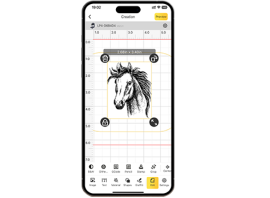
- Design software like LightBurn or LaserPecker Design Space
- Masking tape or protective sheet
- Flat mats made of coir, rubber, cork, or PVC
- AirPurifier or a fume extractor
- Cleaning brush or compressed air
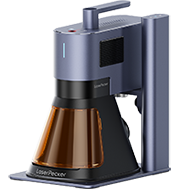
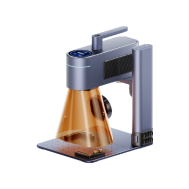
Choosing a versatile laser engraver is important. The LP4 Laser Engraver is a solid choice. As a dual-laser machine, it has a 10W blue diode laser (450nm) and a 2W infrared laser (1064nm). It works well on soft materials, rubber, or coated PVC, creating even designs without burn marks. It's simple to use with a touchscreen and can engrave at different angles, making it great for beginners and professionals alike.
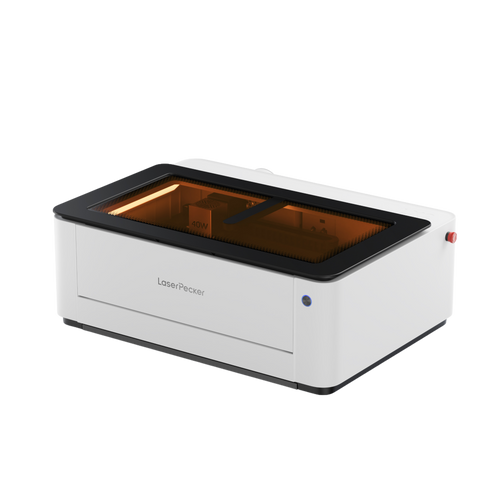
Or, you can choose the LaserPecker LX2. With powerful 20W/40W/60W diode laser options, it's built to cut through larger materials effortlessly—making it the ultimate choice for large doormat engraving projects.
Steps for Creating Personalised Doormats with a Laser Engraver
Step 1: Design Time
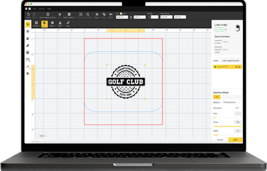
Start by creating your design using LightBurn or LaserPecker Design Space. Aim for bold, clear graphics—very fine lines may not engrave well due to the textured surface of most mats. Test different fonts and spacing to ensure readability. Black-and-white designs typically deliver the best results, and centred layouts give a more professional finish.
Step 2: Prepare the Mat
Clean the surface thoroughly to remove dust and debris, then lay the mat flat to avoid distortion. Secure it using tape or clips to prevent movement during engraving. If the mat has been rolled, flatten it with weights beforehand. Double-check alignment in your software to ensure the design is correctly positioned.
Step 3: Laser Settings
Different materials respond differently to laser engraving. Coir and cork generally require low to medium power with slower speeds to achieve darker results without burning. Rubber and PVC can tolerate slightly higher power. Always run a small test first and record your optimal settings. Machines like the LP4 allow real-time adjustments, helping you fine-tune without restarting the job.
Step 4: Engraving
Begin engraving and monitor the process closely. Machines such as the LP4 provide consistent depth and clean edges. Ensure proper ventilation to remove smoke and prevent residue build-up. For larger mats, consider engraving in sections to maintain accuracy. Allow the material to cool before handling.
Step 5: Final Touches
Once engraving is complete, remove debris with a brush or compressed air and wipe the surface with a dry cloth. Applying a light coat of clear outdoor sealant can enhance contrast and improve durability against weathering. Inspect the final result under good lighting—if certain areas appear too light, re-engrave them using features like the LP4's “Engrave Again” function.
Part 3: Tips for Making Door Mats
- Choose strong materials like coir, rubber, or PVC. They hold up outside and show off engravings well.
- Go for bold designs. Small details get lost in rough materials.
- Make sure surfaces are clean and dry before you start engraving for even results.
- If you paint or print on the mat, seal it with outdoor polyurethane to keep the colors from fading.
- Use templates to line up logos or borders perfectly.
- If you're using epoxy resin, pour it slowly and gently heat it to get rid of bubbles.
- Add names or house numbers to give your mat a personal and inviting touch.
- Always test your settings on scrap material first to get the right depth and look.
- Keep your mat clean by shaking or brushing it each week to keep the engraved parts clear.
With the right combination of design, laser settings, and quality materials, you can create doormats that are durable, visually appealing, and uniquely yours. They are ideal for homes, offices, or showcasing your brand.
Part 4: FAQs about Making a Personalised Door Mat
Q1. What materials are best for laser-engraved doormats?
Coir, cork, and rubber are among the best choices. These materials respond well to heat and retain clear, long-lasting engravings. Coir offers a natural, rustic look, while rubber provides a cleaner, more modern finish. Avoid thin fabrics, as they can scorch easily. For durability and detail, a coir mat with a rubber backing is often ideal.
Q2. How long does a custom laser-engraved doormat last?
With quality materials and proper sealing, a laser-engraved doormat can last around 3–5 years or longer. Unlike printed designs, engravings do not peel or fade easily. While outdoor exposure may wear the surface over time, the engraved design usually remains visible. Regular cleaning and occasional sealing help extend its lifespan.
Q3. Is laser engraving safe to do at home?
Yes, provided proper safety measures are followed. Modern desktop engravers, such as the LP4, include built-in safety features. Always ensure good ventilation, avoid leaving the machine unattended, and follow manufacturer guidelines. Using an enclosure can further improve safety by reducing exposure to laser light and fumes.
Q4. What size and thickness of doormat works best for engraving?
Standard doormat sizes (such as 40 × 60 cm or 45 × 75 cm) are ideal for most laser engravers. In terms of thickness, mats between 10–20 mm generally work best, as they provide enough depth for clear engraving without affecting stability. Always check your machine's working area and focus range before starting.
Conclusion
Custom doormats combine practicality with personal style, helping you create a strong first impression at any entrance. Whether you prefer hand-painted designs, vibrant printed graphics, or precise laser engraving, each method offers its own unique appeal.
Among these options, laser engraving stands out for its accuracy, durability, and efficiency—especially when using advanced dual-laser machines like the LP4. With the right tools, a bit of creativity, and careful execution, you can create personalised doormats that not only welcome guests but also reflect your style for years to come.