































Custom belt buckles are widely used by leatherworkers, metal artists, designers, and small businesses across the UK—and for good reason. Whether you're crafting a Western-style buckle, adding branding to a product line, or creating a meaningful, personalised gift, modern tools make the process more accessible than ever.
In this guide, you’ll discover the best materials for durability and finish, the most effective tools for shaping and engraving, and why laser engraving has become a preferred method for high-precision personalisation. We’ll also walk you through how to create a custom belt buckle step by step, whether for a hobby project or small-scale production.

In this article:
- Part 1: Best materials for making custom belt buckles
- Part 2: Best tools for making custom belt buckles
- Tool 1: Laser engraver
- Tool 2: CNC router
- Tool 3: Rotary tool (Dremel)
- Tool 4: Metal stamping tools
- Tool 5: Chemical etching kit
- Part 3: Why laser engraving is the best way to personalise belt buckles
- Part 4: How to make a custom belt buckle with a laser engraver
- Part 5: FAQs about making custom belt buckles
Part 1: Best Materials for Making Custom Belt Buckles
Different metals offer distinct advantages in terms of durability, appearance, and overall feel. Choosing the right material depends on your design style, usage, and budget. Below are some of the most commonly used options:
Material 1: Zinc Alloy
Zinc alloy is popular due to its low cost, lightweight nature, and ease of shaping. It can be polished to achieve a bright finish or treated to create an antique-style appearance, making it suitable for decorative or fashion-focused buckles.
Material 2: Brass
Brass features a classic gold-like colour and offers solid durability. It is easy to engrave, polish, and customise, making it a preferred choice for more formal or dress-style belt buckles.
Material 3: Stainless Steel
Stainless steel is highly durable and resistant to corrosion, making it ideal for long-lasting use. It suits clean, modern designs and works particularly well with laser engraving for precise, detailed patterns.
Material 4: Aluminium
Aluminium is lightweight and easy to work with. While it is less durable than steel or brass, it still supports laser engraving and is well-suited for creative designs that are not exposed to heavy wear.
Part 2: Best Tools for Making Custom Belt Buckles
Once you’ve chosen the right material, the next step is selecting the most suitable tools for customisation. Each method offers different levels of precision, speed, and finish, depending on your design goals.
Tool 1: Laser Engraver
A laser engraver is one of the most precise and versatile tools for custom belt buckles. It uses a focused beam to engrave detailed patterns, logos, names, and textures onto metal surfaces. This results in clean lines, high accuracy, and consistent quality—ideal for both simple text and intricate artwork.
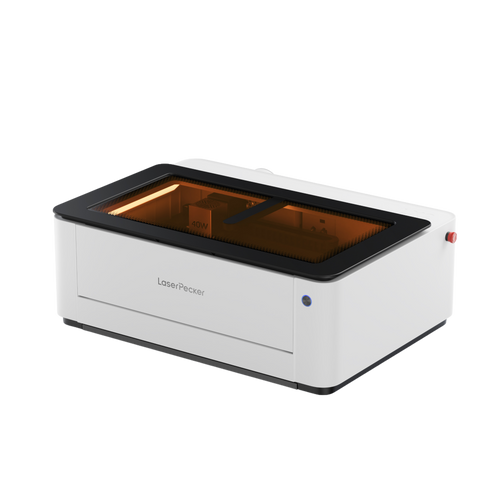
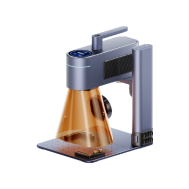
Modern fibre laser engravers, such as the LaserPecker LP5, can easily process stainless steel, brass, and other metals. They also support advanced effects like 3D-style embossing on brass, making them a top choice for both hobbyists and small businesses in the UK.

Tool 2: CNC Router
A CNC router uses computer-controlled cutting tools to carve designs into metal. It is well-suited for deeper engraving and 3D relief work. While it delivers strong precision, it typically requires more setup time and technical skill compared to a laser engraver, making it better suited to experienced makers.
Tool 3: Rotary Tool (Dremel)
A rotary tool is a handheld option often used by beginners or DIY enthusiasts. With engraving bits and sanding attachments, it allows for simple designs and textures. However, it relies heavily on manual control, so achieving consistent or highly detailed results can be challenging.
Tool 4: Metal Stamping Tools
Metal stamping involves using shaped punches and a hammer to imprint designs onto metal. This method creates a distinctive, handcrafted look and works well for letters, patterns, and textured finishes. It is cost-effective but limited to predefined shapes and requires physical effort.
Tool 5: Chemical Etching Kit
Chemical etching removes metal using an acid or etching solution. By applying a protective resist, you can control which areas are etched away. This method is effective for intricate patterns and artistic designs, although it involves handling chemicals and typically takes longer than other techniques.
Comparison Table for Making Custom Belt Buckles
| Tool Type | Detail Precision | Best For | Speed | Cost |
|---|---|---|---|---|
| Laser Engraver | ★★★★★ | Fine detail, text, logos, deep engraving | Very Fast | Medium |
| CNC Router | ★★★★☆ | Deep carving & shaping | Medium | High |
| Rotary Tool (Dremel) | ★★☆☆☆ | Hand engraving & texture | Slow | Low |
| Metal Stamping Tools | ★★★☆☆ | Vintage embossed designs | Medium | Low |
| Chemical Etching Kit | ★★★★☆ | Intricate patterns | Slow | Low |
Each tool offers a different balance of precision, speed, and craftsmanship. CNC routers excel at deep carving, rotary tools create a handmade feel, metal stamping delivers classic embossed effects, and chemical etching enables detailed artistic patterns.
However, if you’re looking for the best combination of quality, efficiency, and flexibility, a laser engraver remains the leading option. It provides exceptional detail, fast processing, and the ability to handle everything from simple text to complex logos—making it a reliable solution for custom belt buckle production.
Part 3: Why Choose a Laser Engraver for Making Custom Belt Buckles
Laser engraving has become one of the preferred methods for personalising belt buckles because it offers several key advantages:
- High precision: Produces clean, sharp details for logos, text, and intricate patterns
- Wide material compatibility: Suitable for stainless steel, brass, aluminium, and zinc alloy buckles
- Non-contact engraving: Reduces the risk of surface damage and eliminates tool wear
- Consistent quality: Ideal for both one-off custom projects and batch production
- Fast processing speeds: Helps improve efficiency for small businesses and workshop production
- Long-lasting results: Creates durable engravings that resist fading over time
These benefits make laser engraving a reliable solution for both hobbyists and professional buckle customisation.
Recommended Laser Engraver for Engraving Belt Buckles: LaserPecker LP5
The LaserPecker LP5, equipped with 20W fibre and 20W diode laser technology, is particularly effective for belt buckle engraving. Its fibre laser performs exceptionally well on metal, enabling deep engraving, raised effects, and highly defined lines. With speeds of up to 10,000 mm/s, it supports efficient workflow, whether you're producing a single customised piece or multiple items.
In addition, the LP5 supports rotary attachments for engraving curved or round objects. Its larger working area also allows you to process bigger buckles or handle multiple pieces in one session. For users in the UK, this makes it a practical solution for home workshops and small businesses seeking reliable, high-quality results.
Part 4: How to Make a Custom Belt Buckle with a Laser Engraver
Laser engraving simplifies the process of making custom belt buckles, especially when working with detailed designs or multiple pieces. Follow these steps:
Step 1: Create or Import Your Design
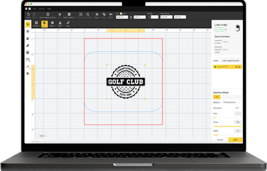
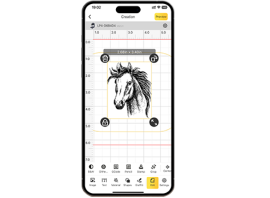
Start by preparing your artwork—this could include text, logos, patterns, or decorative borders. Import the file into your laser software and adjust the size to match your buckle dimensions.
Step 2: Prepare the Buckle Surface
Ensure the buckle is clean and free from oil, dust, or oxidation. Use alcohol or a suitable metal cleaner to achieve a smooth engraving surface.
Step 3: Secure the Buckle in the Machine
Fix the buckle firmly in place using a jig or fixture. For curved surfaces, use a rotary attachment to ensure accurate and even engraving.
Step 4: Adjust Laser Settings
Select appropriate settings based on the material:
- Fibre laser engravers are ideal for metal surfaces
- Adjust power, speed, and engraving depth to achieve your desired result
- For deeper engraving or a raised (3D-style) effect, run multiple passes
Step 5: Start Engraving
Begin the engraving process. The laser engraver will follow your design precisely, producing clean and consistent lines.
Step 6: Post-Processing and Finishing
After engraving, lightly polish the surface to remove residue. You can also enhance the final look by applying:
- An antique-style finish
- Electroplating for added durability and colour
- A protective coating to prevent wear and corrosion
For users in the UK, combining laser engraving with proper finishing techniques can significantly improve both the appearance and longevity of custom belt buckles, whether for personal use or resale.
Part 5: FAQs About Making Custom Belt Buckles
Q1. What metal is best for custom belt buckles?
Brass and stainless steel are among the most popular choices due to their durability and engraving quality. Brass offers a classic, decorative look, making it ideal for Western-style or statement buckles. Stainless steel is highly durable and corrosion-resistant, making it suitable for everyday use. Aluminium is a lightweight alternative, while zinc alloy is a more budget-friendly option for cast designs.
Q2. Does laser engraving last on belt buckles?
Yes, laser engraving is highly durable. Fibre laser engravers create deep, permanent markings that can withstand regular wear. Unlike printed or coated finishes, laser-engraved designs do not peel, chip, or fade, ensuring long-lasting results.
Q3. How thick should a belt buckle be?
Most belt buckles range between 3 mm and 6 mm in thickness, depending on the material and design. Thicker metals provide better durability and support for deeper engraving, while thinner options are more suitable for lightweight or decorative use.
Q4. Can I engrave detailed logos or images on metal buckles?
Yes, a laser engraver allows for high-precision detailing, including logos, text, and intricate artwork. This makes it ideal for branding, personalised gifts, or custom product lines.
Q5. Is laser engraving suitable for small businesses in the UK?
Absolutely. Laser engraving is efficient, repeatable, and cost-effective for short production runs. Many UK-based makers and small businesses use it to create customised products with consistent quality.
Q6. Do I need special safety measures when using a laser engraver?
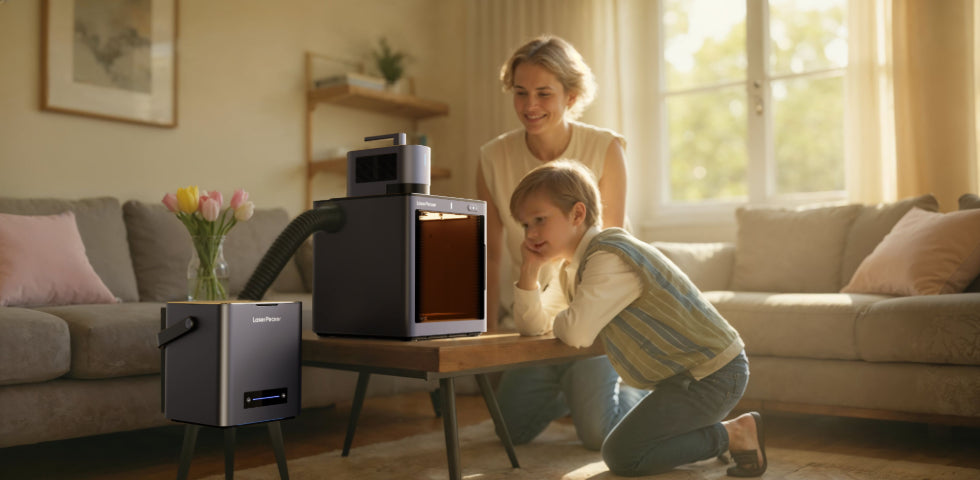
Yes, safety is important. Some machines offer enclosed designs with higher safety standards, while others require protective goggles and proper ventilation. Using air purification systems can also help maintain a safe indoor working environment.
Conclusion
Creating custom belt buckles is now more accessible than ever, whether you're crafting a personalised accessory, designing a unique gift, or producing items for a small business. With the right materials and tools, you can transform your ideas into durable, visually striking pieces.
Among the available methods, laser engraving stands out for its precision, speed, and creative flexibility—making it suitable for both beginners and experienced makers. It allows you to achieve consistent, high-quality results across a wide range of designs.
Whichever approach you choose, making your own belt buckle adds a sense of craftsmanship and individuality to every piece. Ready to get started? Your next custom buckle could be just one project away.