































Hats are more than practical accessories—they are a way to express personal style, represent interests, or showcase a brand. As a result, more people are choosing to customise their own hats rather than buy mass-produced designs.
Whether you are creating a one-off piece, upgrading an existing hat, or producing customised hats for a small business, learning how to customise hats can be a valuable skill. This guide introduces practical methods and tools to help you create custom hats efficiently, from simple DIY techniques to repeatable production approaches.

In this article:
- Part 1: Introduction to Customising Hats
- Part 2: Customise Hats before Purchasing (Online Design and Printing)
- Part 3: Customise Hats after Purchasing (DIY Hat Making)
- Method 1: HTV or DTF
- Method 2: Cricut
- Method 3: Hand-sewing
- Method 4: Laser Engraving
- Part 4: How to Customise Hats by Laser Engraving
- Part 5: Tips for Customising Hats
- Part 6: FAQs about Customising Hats
Part 1: Introduction to Customising Hats
Customising hats refers to the process of transforming a plain hat by adding designs, colours, logos, text, or patterns to create a distinctive appearance. This can be achieved through a variety of techniques, ranging from simple stitched elements to more advanced methods such as laser engraving or custom patches.
Why Customise Hats
Many people choose custom hats to create something more personal and recognisable than standard, mass-produced options. A customised hat allows individuals or businesses to turn a basic accessory into a clear form of self-expression or visual identity.

Custom hats are commonly used to:
- Express creativity and personal style
- Display personal, team, or brand logos
- Commemorate special occasions such as birthdays, weddings, or sporting events
- Create unique merchandise for small businesses or organisations
Beyond appearance, custom hats often carry emotional or branding value. A personalised hat can become a meaningful keepsake, while branded hats help businesses increase visibility and leave a lasting impression.
Benefits of Customising Hats
Custom hats offer practical and creative advantages for both personal and commercial use:
- Personal expression: Choose colours, designs, and messages that reflect individual style or identity.
- Distinctiveness: Custom designs help the wearer stand out from standard retail products.
- Gift value: Personalised hats make thoughtful and memorable gifts for friends, family, or special occasions.
Part 2: Customise Hats before Purchasing (Online Design and Printing)
Customising hats before purchasing is one of the most convenient ways to achieve a personalised design without needing any hands-on skills or equipment. Online customisation platforms allow users to select hat styles, colours, and decoration methods, then preview the final design before placing an order. This approach is particularly suitable for beginners, personal projects, and small businesses looking for low-risk production.
Method 1: Printify
Printify is an online print-on-demand platform that enables users to design and order custom hats with minimal setup. The platform offers a variety of hat styles, colour options, and decoration methods, including embroidery. Printify manages both production and shipping, making it suitable for personal use as well as small-scale commercial projects.
The built-in design tool allows users to visualise their custom hat before ordering, helping to reduce design errors and improve consistency across multiple orders.

Method 2: Printful
Printful is another widely used online service for custom hat design and production. It offers a broad selection of hat styles, such as snapbacks, dad hats, and beanies, along with embroidery and printing options. Printful is designed to support both individual orders and larger quantities, making it suitable for branded merchandise, teams, or event-related headwear.
Part 3: Customise Hats after Purchase (DIY Hat Making)
Customising hats after purchase is a practical option for those who enjoy hands-on creation or want full control over the final design. By starting with a plain hat, you can apply various DIY techniques to personalise it using tools, materials, and equipment suited to your project goals.
Method 1: HTV or DTF
Heat Transfer Vinyl (HTV) and Direct-to-Film (DTF) are commonly used methods for applying designs to hats using heat.
HTV involves cutting vinyl designs and pressing them onto the hat surface with a heat press. It is best suited for simple logos, text, or solid-colour graphics.
DTF allows full-colour designs to be printed onto a film and then heat-transferred onto the hat, making it more suitable for complex graphics or detailed artwork.
Both methods work well on cotton, polyester, and blended fabrics.
Method 2: Cricut
A Cricut cutting machine is widely used for DIY hat customisation, particularly when combined with HTV or iron-on transfer materials. Cricut machines can cut vinyl, fabric, and other thin materials with precision, allowing users to create custom designs that are later applied using heat.
This method is commonly used for personalised gifts, small batches, or home-based craft projects.
Method 3: Hand-sewing
Hand sewing offers a highly personalised approach to hat customisation. Techniques may include stitching patches, embroidery, beads, or decorative elements directly onto the hat.
Although this method requires more time and sewing skill, it allows for detailed and unique designs that are difficult to replicate using automated methods. Hand sewing is often preferred for artistic or one-of-a-kind projects.
Method 4: Laser Engraving
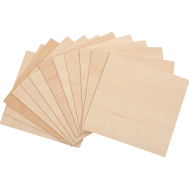
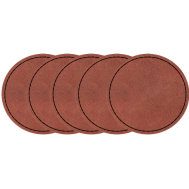
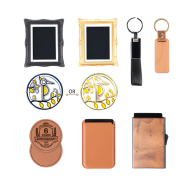
Laser engraving is a more advanced method for customising hats, particularly when working with materials such as leather patches, wooden badges, or specialised fabric surfaces. The laser permanently engraves the design into the material, creating a clean and durable result.
Laser engraving is valued for:
- Durability: Engraved designs do not peel or fade over time.
- Precision: Fine details and consistent lines can be achieved.
- Premium Look: Engraved elements offer a refined appearance suitable for premium products.
This method is well suited for creators aiming for long-lasting designs or small-batch production with a professional look.
Part 4: How to Customise Hats by Laser Engraving
Laser engraving is an effective method for creating durable and precise custom hat designs, particularly when working with leather patches or specialised materials. The following steps outline a standard workflow for laser engraving hats.
1. Choose a Suitable Hat Material
Laser engraving works best on materials such as leather, faux leather, wood patches, certain fabrics, and selected synthetic materials. Standard cotton or polyester hats may require alternative customisation methods unless used with engraved patches.
2. Choose Your Design
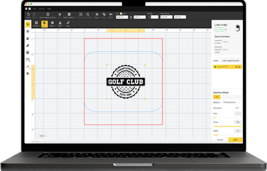
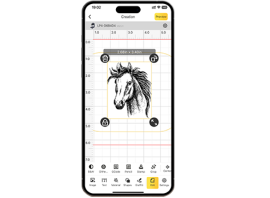
Create or import your design using compatible graphic software, such as LaserPecker Design Space, or LightBurn. Ensure the design size matches the engraving area of the hat or patch.
3. Set Up the Laser Engraver
Adjust laser power, speed, and resolution according to the material being engraved. It is strongly recommended to perform a test engraving on a spare material sample before working on the final hat.
4. Put the Hat in Place
Place the hat or patch flat and ensure it is stable to prevent movement during engraving. Proper positioning helps maintain consistent engraving depth and alignment.
5. Engrave
Run the engraving job using the selected settings. Monitor the process and stop if adjustments are needed.
6. Final Steps
Once engraving is complete, clean away any residue and inspect the design. The engraved hat is now ready for use or further assembly.

Recommended Laser Engraver for Custom Hats
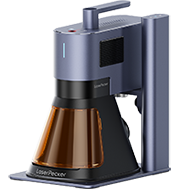
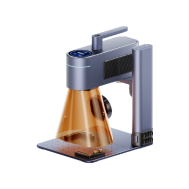
The LaserPecker LP4 is a compact laser engraver designed for creators who require flexibility across multiple materials. It features a 10W diode laser (450 nm) for materials such as wood, leather, and plastic, as well as a 2W infrared laser (1064 nm) for engraving metals including stainless steel and aluminium.

The LP4 supports an engraving area of approximately 160 × 120 mm (6.3 × 4.7 inches), with an optional slide extension expanding the working area for larger projects. It offers engraving speeds of up to 4,000 mm/s and supports high-resolution output up to 8K, allowing for detailed and consistent results.
With compatibility across a wide range of materials and a portable design, the LP4 is suitable for hobbyists, independent creators, and small-scale professional use when producing laser-engraved hat components.
Part 5: Tips for Customising Hats
To achieve clean, durable, and visually appealing results, a few practical considerations can make a significant difference when customising hats.
1. Choose the Right Hat Style and Material
Different hats suit different customisation methods. Baseball caps and snapbacks work well with embroidery, heat transfer vinyl, or printed designs. Leather or faux leather hats are particularly suitable for laser engraving. Beanies are often best customised using sewn-on patches or decorative stitching. Always ensure the hat material is compatible with your chosen technique.
2. Start with Simple Designs
If you are new to hat customisation, begin with straightforward designs such as initials, short text, or basic shapes. Simple designs are easier to apply, reduce the risk of mistakes, and still create a clean, professional appearance. More complex designs can be explored once you gain experience.
3. Use High-Quality Materials
The quality of your materials directly affects the final result. Well-constructed hats maintain their shape, durable threads resist wear, and premium vinyl or transfer films hold up better over time. Lower-quality materials may peel, fade, or lose their structure after repeated use.
4. Pay Attention to Design Placement
Placement plays an important role in both appearance and durability. Centred front designs tend to look classic and professional, while side or rear placements can add a modern touch. Avoid placing designs on areas that bend or flex frequently, such as the edge of the brim, to prevent premature wear.
5. Consider Colour Contrast
Select colours that complement the hat. High-contrast combinations, such as light designs on dark hats, create strong visual impact. For a more understated look, tonal or similar colour combinations work well. Always consider the intended wearer and occasion when choosing colours.
6. Follow Safety Guidelines
When working with heat presses, adhesives, or laser equipment, safety should always come first. Follow manufacturer instructions carefully, wear protective gloves or eyewear when required, and ensure proper ventilation in your workspace.
Part 6: FAQs about Customising Hats
Q1. Can you customise any type of hat in the UK?
Most hats can be customised, but the method depends on the material. Cotton and polyester hats work well with embroidery and heat transfer. Leather or faux leather hats are best suited for laser engraving. Always match the technique to the hat material for clean results.
Q2. How long does it take to customise a hat?
Basic customisation methods like vinyl or simple embroidery usually take 10–30 minutes. Laser engraving or hand-sewn designs can take longer, especially for detailed artwork. Preparing your design in advance helps reduce production time.
Q3. What is the easiest way to customise a hat for beginners?
HTV (heat transfer vinyl) is one of the easiest methods for beginners in the UK. It requires minimal equipment and works well for simple logos or text. Online print-on-demand services are also a beginner-friendly option.
Q4. Is laser engraving safe for hats?
Laser engraving is safe for hats made from leather, faux leather, and suitable synthetic materials when done correctly. Using appropriate power and speed settings helps prevent burning or discolouration. As materials and coatings can vary, it is always recommended to test your settings on a spare piece or an inconspicuous area before engraving the final item. Proper ventilation and basic safety precautions are also important when engraving hats at home or in a workshop.
Safety Notes:
For users in the UK, safety should always come first when laser engraving on fabric hat or other delicate materials.
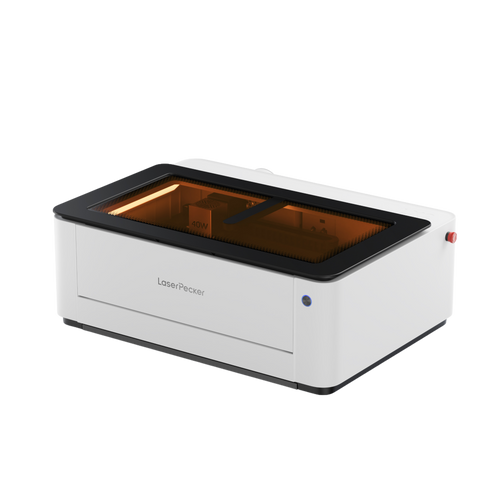
- LP2 Plus, LP2, and LP4 users: We recommend pairing your machine with the LaserPecker Standard Enclosure when operating in home or workshop settings across the eruope. This accessory enhances protection, complementing the machines' Class 4 Laser Safety compliance under guidelines.
- LP5 users: The LP5 Safety Enclosure is required for proper protection during operation. It ensures adherence to UK safety regulations, safeguarding against accidental exposure in residential or small business environments.
- LX2 users: No additional enclosure is needed. The LX2 is a Class 1 laser system, meaning it is safe to use without extra protective equipment under normal operating conditions.
Beyond laser safety, air quality is a key consideration for indoor workshops. Laser processing generates fumes and fine particles that may impact respiratory health. To meet indoor air quality guidelines and maintain a clean, safe workspace, we strongly recommend using the LaserPecker Desktop Air Purifier , particularly for enclosed or well-insulated homes and studios.
Q5. Can you mix different hat customisation methods?
Yes, combining methods is common. For example, you can use embroidery for text and laser engraving on a leather patch. Mixing techniques adds visual depth and a premium feel.
Q6. Are customised hats popular for small businesses in the UK?
Custom hats are widely used for branding, events, and merchandise in the UK. They are practical, visible, and easy to personalise. Well-designed hats help increase brand recognition and perceived value.
Conclusion
Customising hats is a creative and flexible way to express personal style, promote a brand, or create meaningful gifts. Whether you design a hat online before purchase or customise it yourself after buying, there are plenty of methods to suit different skill levels and budgets. From simple vinyl transfers and hand sewing to advanced techniques like laser engraving, each approach offers its own unique finish.
By exploring the tools, techniques, and tips shared in this guide, you now have the confidence to turn your ideas into wearable designs. Whether you're creating a one-off custom hat or producing items for events or small businesses, choosing the right customisation method will help your hats stand out and leave a lasting impression.