































Bookmarks are both practical and expressive. Beyond simply marking a page, they can reflect personal taste, commemorate special occasions, or serve as thoughtful handmade gifts. Many people also create custom bookmarks for small businesses, book clubs, or online shops.
With the right materials and tools, making personalised bookmarks at home can be straightforward and rewarding. From simple handmade options to precision laser-cut designs, each method offers different advantages depending on your goals, budget, and desired finish.
This guide explores the most common materials, production methods, and practical tips for creating high-quality personalised bookmarks, with particular attention to laser engraving and cutting techniques.

In this article:
- Part 1: Materials Suitable for Personalised Bookmarks
- Part 2: Four Methods for Creating Custom Bookmarks
- Method 1: Handmade Bookmarks
- Method 2: Printed Bookmarks
- Method 3: Laser-engraved or Laser-cut bookmark
- Method 4: Ordering Bookmarks Online
- Part 3: How to Make a Custom Bookmark with a Laser Engraver or Cutter
- Part 4: Common Mistakes to Avoid When Making Custom Bookmarks
- Part 5: FAQs about Making Personalised Bookmarks
Part 1: Materials Suitable for Personalised Bookmarks
The material you choose will affect the bookmark's appearance, durability, cost, and level of customisation. Below are several commonly used options, each suited to different purposes and design styles.
Type 1: Paper bookmarks
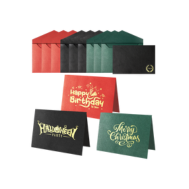
Paper remains one of the most widely used materials due to its affordability and accessibility. Thicker cardstock or watercolour paper offers improved durability compared to standard paper. Lamination can further enhance strength and water resistance.
Paper bookmarks are suitable for school projects, promotional materials, event giveaways, and personalised gifts.
Pros: Lightweight, inexpensive, easy to customise.
Cons: Can bend, tear, or get damaged by water.
Type 2: Leather bookmarks
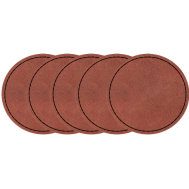
Leather bookmarks provide a premium and traditional appearance. Genuine leather offers durability and a refined texture, while synthetic alternatives are available for those seeking animal-free options. Designs can be added through stamping, embossing, engraving, or colouring.

Pros: Elegant, long-lasting, soft texture.
Cons: Higher cost, limited colour range, requires specialised tools
Type 3: Metal bookmarks
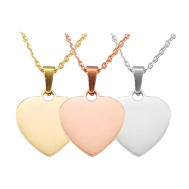
Metal bookmarks are typically made from stainless steel, brass, or aluminium. They offer a modern aesthetic and are highly durable. Laser engraving is commonly used to apply detailed designs, text, or patterns.
Pros: Sturdy, premium feel, ideal for engraving.
Cons: Heavier, more expensive, limited flexibility.
Type 4: Wooden bookmarks
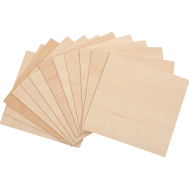
Wooden bookmarks, often crafted from bamboo, walnut, maple, or similar hardwoods, offer a natural and tactile finish. Laser engraving or cutting can be used to personalise names, quotes, or decorative elements. The natural grain makes each piece visually unique.
Pros: Eco-friendly, customizable with laser cutting, unique texture.
Cons: Rigid, may warp if exposed to moisture.
Type 5: Leaf Bookmark
Dried leaf bookmarks create a delicate and organic appearance. Leaves are typically laminated or sealed with resin or clear acrylic to preserve their structure. Each bookmark is unique due to natural variation.
Pros: Natural beauty, lightweight, biodegradable.
Cons: Fragile, limited availability, time-consuming to make.
Type 6: Acrylic and magnetic bookmarks
Acrylic bookmarks provide a contemporary and durable alternative to paper. With laser cutting and engraving, intricate shapes, personalised names, and detailed designs can be produced with smooth, polished edges. Magnetic bookmarks often combine acrylic or laminated materials with embedded magnets to secure the page firmly.
Pros: Durable, modern appearance, reusable.
Cons: Slightly heavier, requires precision tools.
Part 2: Four Methods for Creating Custom Bookmarks
There are several ways to create personalised bookmarks, depending on your skills, equipment, budget, and desired finish. Below are four commonly used methods, ranging from simple handmade options to precision laser fabrication.
Method 1: Handmade Bookmarks
Handmade bookmarks offer a creative and accessible approach. Using thicker paper or patterned cardstock, you can decorate with ribbons, stickers, brush pens, painted designs, or calligraphy. Laminating the finished piece can improve durability and resistance to wear.
Best for: Craft lovers, classroom projects, and small personalised gifts.
Method 2: Printed Bookmarks
Printed bookmarks are suitable for producing consistent designs in larger quantities. Designs can be created digitally using tools such as Canva, Adobe Illustrator, or Procreate, then printed on high-quality paper or cardstock. Optional finishes such as lamination or spot UV coating can enhance durability and appearance.
Best for: Authors, businesses, promotional giveaways.
Method 3: Laser-engraved or Laser-cut bookmark
Laser engraver/cutter provides high precision for engraving and cutting materials such as wood, leather, metal, and acrylic. This method produces clean edges, detailed graphics, and long-lasting results. It is particularly suitable for intricate patterns, personalised names, logos, or branding elements.
Best for: Professional makers, online sellers, branding projects
Method 4: Ordering Custom Bookmarks Online
For those without access to equipment, online platforms offer custom bookmark production. Services may include digital printing, laser engraving, and bulk manufacturing options.
Best for: Businesses, gifts, or when you need professional results without equipment.
Comparison Table
| Method | Description | Best Materials | Durability | Precision | Recommended For |
|---|---|---|---|---|---|
| Handmade (DIY) | Created manually using decorative materials and basic tools | Paper, leaf, light cardstock | ★★☆☆☆ | ★★☆☆☆ | Hobbyists, children, DIY projects |
| Printed Bookmarks | Designed digitally and printed professionally | Paper, cardstock, thin acrylic | ★★★☆☆ | ★★★☆☆ | Authors, events, promotions |
| Laser-Engraved / Laser-Cut | Produced using a laser system for cutting or engraving | Wood, leather, metal, acrylic | ★★★★★ | ★★★★★ | Professional crafters, designers |
| Ordered Online | Manufactured via online custom services | Paper, wood, leather, acrylic | ★★★★☆ | ★★★★☆ | Gifts, promotional products, resale |
Part 3: How to Make a Custom Bookmark with a Engraver/Cutter
Laser-cutting and engraving a personalised bookmark allows for exceptional precision and creative flexibility.
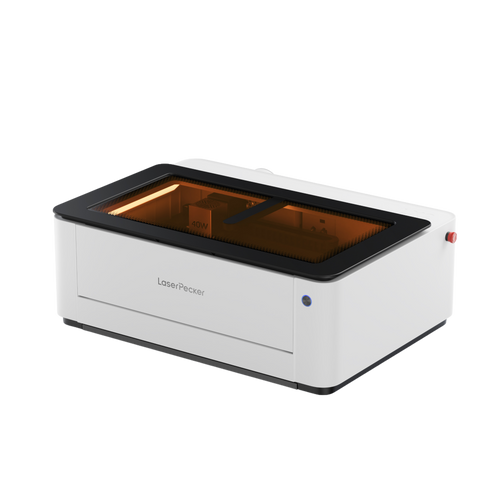
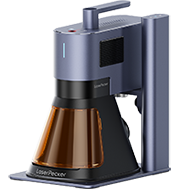
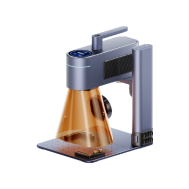
The LaserPecker LP4, known as the first dual-laser engraver, is suitable for both beginners and experienced makers. It combines a 10W 450nm blue diode laser with a 2W 1064nm infrared laser, enabling engraving and cutting across more than 300 materials, including wood, leather, acrylic, metal, and coated plastics.
Below is a step-by-step guide to creating a custom bookmark using LP4.
Step 1: Choose Your Material
Select a material that reflects your desired aesthetic and purpose.
- Wood (e.g., bamboo or walnut) – Warm and natural appearance
- Leather – Elegant and traditional
- Acrylic – Clean, modern finish
- Metal or coated materials – Premium and highly durable
Step 2: Prep Your Design
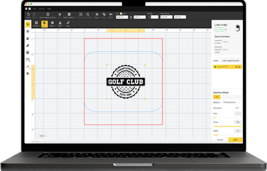
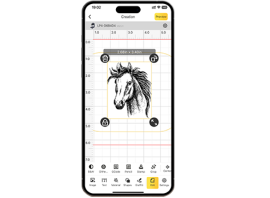
Create your design using software such as LightBurn, Adobe Illustrator, or LaserPecker Design Space to make your design.
A standard bookmark size is approximately 2 × 6 inches, though dimensions can be customised. Add names, quotes, decorative cut-outs, or logos depending on your purpose.
The LP4 supports drag-and-drop SVG or DXF file imports and provides a preview function before engraving. This helps ensure proper alignment and reduces material waste.
Step 3: Set Up the Laser
Plug in your LP4 and secure your material. The touchscreen lets you easily swap between laser modes for different materials. Here's how:
- Use the Diode Laser to cut thick balsa wood or dark acrylic.
- Use the IR Laser to etch metals, plastics, or coated leather.
- Adjust the power, speed, and focus based on how thick your material is. The LP4 can etch quickly and with nice detail.
You can save your settings for later and use the Engrave Again button to quickly reproduce your designs.
Step 4: Etch and Cut
Begin by engraving text or decorative elements before cutting the final bookmark outline. Then turn the LaserPecker LP4 into the cutting mode and cut the outline of the bookmark with minimal burn marks.
Step 5: Clean and Finish
After cutting the bookmark, clean off any loose bits. Sand the edges of wood, wipe down acrylic, and polish leather. Since LP4 is precise, you won't have to do much cleaning. Adding tassels, ribbons, or a protective coat can make it even better. You'll get a pro-looking bookmark that lasts.
Step 6: Batch Production
For larger quantities—such as gifts, event favours, or retail products—the LP4 supports efficient batch production. Multiple designs can be arranged in sequence, and saved settings ensure consistent results. The repeat engraving function improves workflow efficiency and maintains quality across every piece.
Part 4: Common Mistakes to Avoid When Making Custom Bookmarks
Even minor mistakes can reduce the quality, durability, or overall appearance of a custom bookmark. Below are some common issues and practical ways to avoid them.
Mistake 1: Choosing the wrong material for the design
Not all materials suit every design. Highly intricate lace-style cut-outs, for example, may weaken thin paper or delicate leather and can cause scorching during cutting. The same design may perform significantly better on acrylic or wood, which provide greater structural stability.
How to avoid it:
Always test your design on a small sample piece before full production. Consider both material strength and how it reacts to cutting or engraving.
Mistake 2: Ignoring durability and usability
A bookmark must be functional as well as visually appealing. Overly thin materials may bend or tear easily, while sharp edges—particularly on acrylic or metal—can damage book pages. Excessive thickness may also strain the book spine.
How to avoid it:
- Smooth or sand sharp edges
- Choose materials with sufficient flexibility and strength
- Keep thickness practical and comfortable for regular use
Mistake 3: Not Considering the Audience or Purpose
The design should match its intended recipient or application. Bright colours and playful shapes may suit children, while corporate gifts or branded merchandise often require a more minimal and refined aesthetic.
How to avoid it:
Define the purpose of the bookmark before designing. Consider factors such as age group, branding requirements, occasion, and long-term use.
Part 5: FAQs about Making Personalised Bookmarks
Q1. What is the standard bookmark size?
The most common bookmark size is 2 × 6 inches (approximately 5 × 15 cm). However, sizes such as 2.5 × 7 inches or 1.5 × 5 inches are also popular.
Larger bookmarks are ideal for showcasing artwork or longer quotes, while smaller formats suit paperbacks or compact books. For printed or laser-cut bookmarks, maintaining consistent sizing ensures balanced proportions. Unique shapes such as square or die-cut designs can also add a modern touch.
Q2. Can you make bookmarks with Cricut or a laser cutter?
Yes, both machines can be used, but they serve different purposes.
A Cricut machine is well suited for cutting paper, vinyl, and thin faux leather, making it ideal for decorative craft projects.
A laser cutter offers greater precision and material flexibility, particularly for wood, acrylic, leather, and metal. For intricate designs and professional finishes, a laser system such as LP4 provides enhanced detailing and durability.
Q3. What kind of paper is best for bookmarks?
For paper bookmarks, 300–400 gsm cardstock provides an excellent balance between durability and flexibility.
- Matte paper offers a clean, understated look
- Glossy paper enhances colour vibrancy
- Textured or recycled paper adds character and sustainability
Lamination improves longevity and protects against wear. Acid-free paper is recommended for long-term use, as it prevents yellowing.
Q4. Is laser engraving safe for bookmarks made from wood or acrylic?
Yes, laser engraving is safe when proper settings and ventilation are used. Wood and acrylic respond well to controlled laser power.
Avoid materials such as PVC, which may release harmful fumes during processing. Always ensure appropriate ventilation and follow manufacturer safety guidelines.
Conclusion
Bookmarks are more than simple page markers — they're a creative expression of personality and style. From handcrafted paper designs to sleek metal or wooden pieces produced with modern machines, there's a method to suit every maker and every purpose.
If durability, precision, and a premium finish are priorities, laser-cut and engraved bookmarks offer a particularly refined solution. With the right equipment, you can achieve clean edges, intricate detailing, and consistent results that elevate your work.
Whether you're crafting as a hobby, starting a small business, or creating a meaningful gift, personalised bookmarks combine practicality with creativity — proving that even small items can make a lasting impression.