































Leather has long symbolised quality and individuality. Think of wallets, belts, handbags, notebooks, and keychains – they all gain extra value when personalised. Customising leather transforms everyday items into unique pieces that reflect your personal style.
Whether you are creating a heartfelt gift, developing a brand, or making a statement with your own style, personalising leather ensures every piece is distinctive and durable.
This guide explores the main methods for personalising leather, highlighting the advantages and disadvantages of each. We will also explain why laser engraving stands out as the most precise, versatile, and professional technique.

In this article:
- Part 1: Five Ways to Personalise Leather
- Method 1: Laser Engraving
- Method 2: Heat Embossing / Hot Stamping
- Method 3: Hand Tooling
- Method 4: Leather Dyeing and Painting
- Method 5: Stitch Customisation
- Part 2: Why Laser Engraving is the Best Way to Personalise Leather
- Part 3: How to Personalise Leather with the LP4
- Part 4: Tips for Personalising Leather
- Part 5: FAQs for Personalising Leather
Part 1: Five Ways to Personalise Leather
There are several ways to personalise leather, ranging from traditional handcraft techniques to advanced laser technology. Each method offers different levels of creativity, precision, and efficiency. The best option depends on your design requirements, the type of leather, and the desired finish.
Below are some of the most commonly used methods.
Method 1: Laser Engraving
Laser engraving uses a high-powered beam emitted by a laser engraver to remove a thin layer of leather, creating clean and permanent marks without direct contact.
This method allows you to reproduce logos, text, illustrations, and intricate designs with exceptional precision.
It works effectively on both genuine and synthetic leather, producing strong contrast and refined texture. Modern systems, such as the LaserPecker LP4, combine infrared and blue diode lasers, enabling seamless engraving across a wide range of materials, including natural leather and PU leather.
Laser engraving is fast, consistent, and ideal for both one-off creations and batch production, making it a preferred choice for crafters, brands, and DIY users seeking professional-quality results.
You can also combine laser engraving with laser cutting to create customised leather patches for hats and other accessories.
Method 2: Heat Embossing / Hot Stamping
Hot stamping uses heated metal dies to press designs or text into leather, creating a deep, tactile impression. This technique is particularly effective on vegetable-tanned leather.
However, it requires specialised equipment such as metal dies and a press, making it less suitable for small-scale or one-off projects. Since the die is fixed, this method is best suited for repeated designs such as logos or monograms.
Method 3: Hand Tooling
Hand tooling is a traditional leatherworking technique that involves carving, beveling, and stamping the material using specialised tools.
This method produces highly detailed and artistic results, often with a distinctive handmade character. However, it requires significant skill, time, and patience, and is less suitable for large-scale production.
Method 4: Leather Dyeing and Painting
Leather dyeing and painting allow you to add colour, patterns, and artistic elements to your designs. This method is ideal for creating visually expressive and personalised pieces.
However, painted or dyed surfaces may fade or wear over time, particularly on items that experience frequent bending or handling.
Method 5: Stitch Customisation
Stitch customisation enhances leather items through the use of contrasting thread colours, decorative stitching patterns, or embroidery.
This technique is often combined with other methods, such as laser engraving or embossing, to add both visual and textural detail.
Comparison Table: Methods for Personalising Leather
| Method | Look and Style | Precision and Consistency | Durability | Efficiency | Ideal For |
|---|---|---|---|---|---|
| Laser Engraving | Clean, high-contrast, modern | ★★★★★ | Permanent, fade-resistant | Fast | Gifts, branding, batch production |
| Hot Stamping | Deep, embossed effect | ★★★★☆ | Highly durable | Medium | Logos, monograms |
| Hand Tooling | Artistic, handmade | ★★★☆☆ | Durable with care | Slow | Custom art pieces |
| Dyeing and Painting | Colourful, expressive | ★★☆☆☆ | May fade over time | Medium | Creative customisation |
| Stitch Customisation | Subtle texture and detail | ★★★☆☆ | Durable when reinforced | Slow | Decorative accents, detailing |
Summary
Overall, laser engraving stands out as one of the most effective methods for personalising leather. It offers high precision, fast production, and long-lasting results.
Compared to other techniques, it is cleaner than dyeing, more flexible than hot stamping, and more efficient than manual methods, making it an excellent choice for both artistic projects and commercial branding.
Part 2: Why Laser Engraving is the Best Way to Personalise Leather

Laser engraving combines advanced technology with creative flexibility, making it one of the most effective methods for personalising leather.
It enables precise reproduction of logos, text, and detailed designs without direct contact with the material. Compared to techniques such as hot stamping, it does not require fixed metal dies, allowing faster setup and greater design flexibility for one-off projects or short production runs.
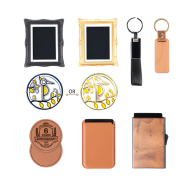
The engraved results are durable, consistent, and resistant to fading or surface wear, making them suitable for both decorative and everyday-use leather items such as wallets, key holders, notebook covers, and accessories.
Laser engraving also provides a high level of control. By adjusting machine settings such as power and speed, users can create different engraving depths and tonal effects to suit specific design styles.
In addition, it is an environmentally conscious option because it avoids inks and chemical treatments, helping reduce overall material waste during the personalisation process.
Across the UK, machines such as the LaserPecker LP4 are widely used by hobbyists, Etsy sellers, and small creative studios seeking professional-quality engraving across both natural and coated leather surfaces. Its dual-laser capability makes it especially suitable for mixed-material accessory projects.
Part 3: How to Personalise Leather with the LP4
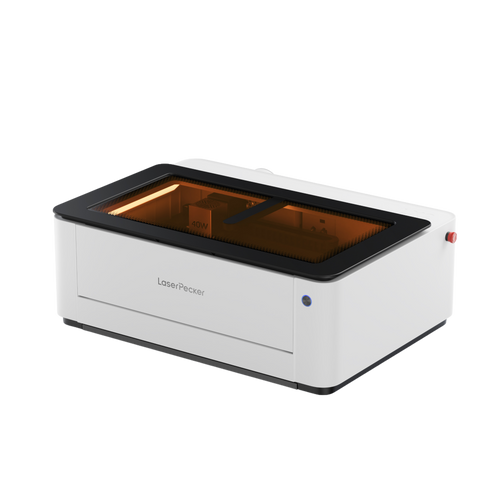
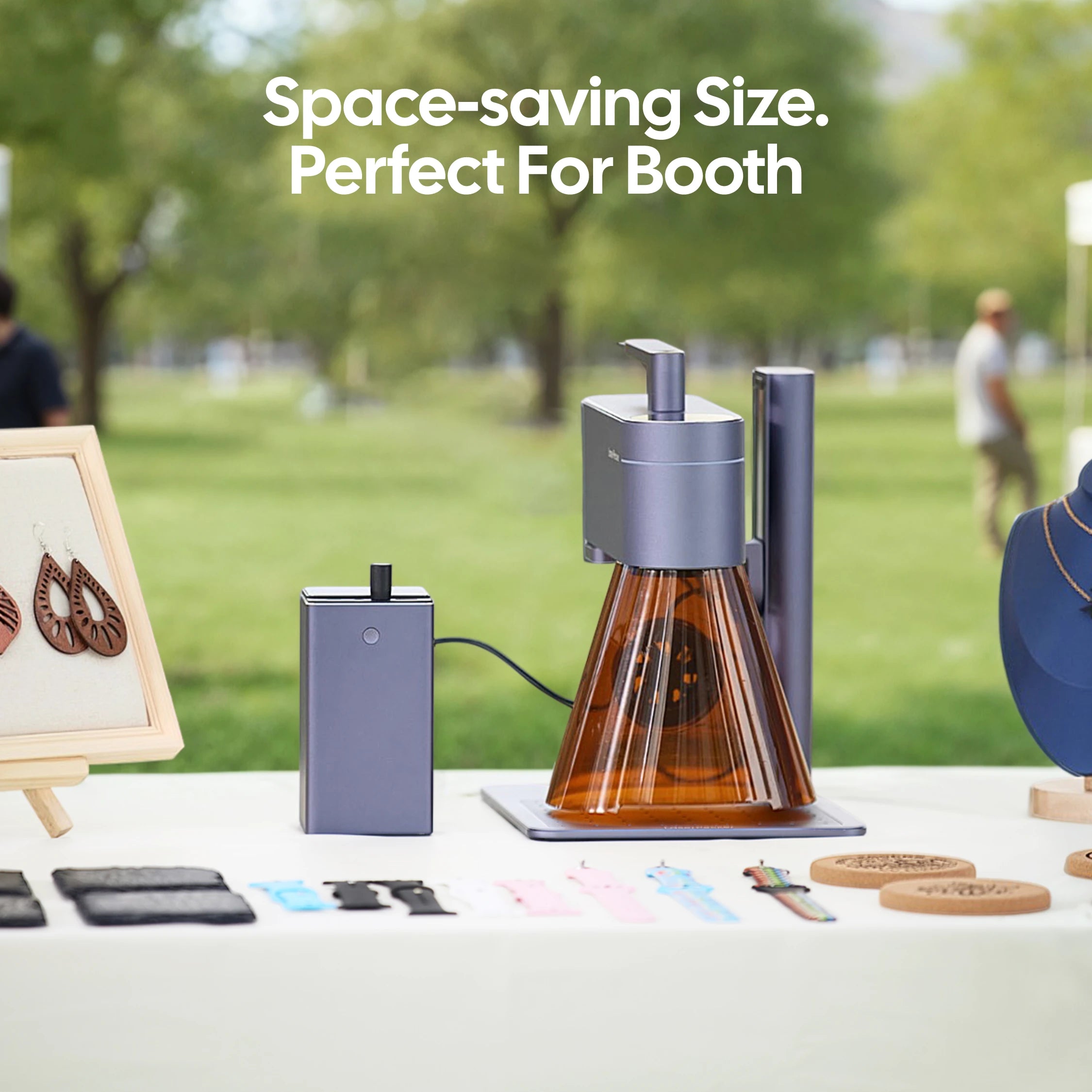
The LaserPecker LP4 is a dual-laser engraver designed to make leather personalisation both precise and accessible. It features a 450nm blue diode laser for visible materials and an infrared (IR) laser for more delicate or coated surfaces, making it suitable for a wide range of leather applications.
Follow these steps to get started:
Step 1: Prepare Your Design
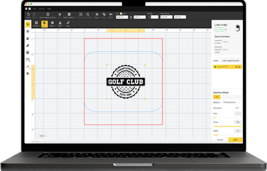
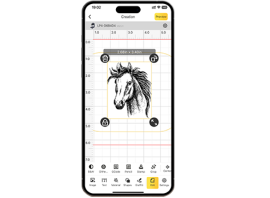
Create or import your logo, name, or artwork using LightBurn or LaserPecker Design Space. Ensure the design is properly scaled and aligned before engraving.
Step 2: Clean the Leather Surface
Wipe the leather with alcohol to remove oils, dust, or residues. This helps achieve cleaner engraving results with better contrast.
Step 3: Position the Material
Place your leather item securely and use the LP4's preview outline feature to confirm accurate positioning.
Step 4: Adjust the Settings
Start with lower power settings (around 15–25%) and moderate speed. Test your settings on a spare piece of leather to optimise the engraving quality.
Step 5: Start Engraving and Inspect
Begin the engraving process and monitor the results. The laser will create a clean, permanent mark with high precision.
With optional accessories such as the rotary extension, you can engrave curved items like leather bracelets or cylindrical objects with consistent alignment and accuracy.
Part 4: Tips for Personalising Leather
To achieve the best results when personalising leather, consider the following practical tips:
-
Test before final engraving
Always test your design and settings on a scrap piece of leather to ensure the desired appearance and avoid mistakes.
-
Choose natural leather where possible
Vegetable-tanned leather typically produces the best engraving results, with clearer contrast and more consistent finishes.
-
Avoid heavily coated materials
Some synthetic or coated leathers may melt or produce inconsistent results when exposed to high heat. If using these materials, reduce power settings accordingly.
-
Ensure proper ventilation
Engraving leather can generate fumes, so it is important to work in a well-ventilated area or use appropriate air filtration systems.
-
Protect and enhance the finish
After engraving, apply a leather conditioner to preserve the material and enhance the visibility of the design.
-
Experiment with mixed techniques
Combine laser engraving with painting or dyeing to create more unique and visually striking designs.
Part 5: FAQs for Personalising Leather
Q1. How do you put your name on leather?
There are several methods, including laser engraving, embossing, and hand tooling. Among these, laser engraving offers the highest precision and durability. It creates permanent marks by removing a thin layer of the leather surface, making it ideal for items such as wallets, notebooks, and keychains.
Q2. Is it better to engrave or emboss leather?
Both methods offer distinct results. Embossing creates a raised, textured finish with a classic appearance, while engraving produces a sharp, detailed design. Laser engraving is more suitable for custom designs and repeated patterns, as it does not require fixed metal dies.
Q3. Can a Cricut machine engrave leather?
Cricut machines can lightly mark thin leather, but they are not designed for true engraving. The results are usually shallow and less consistent. A dedicated laser engraver provides significantly better detail, depth, and overall quality.
Q4. What types of leather are suitable for engraving?
Natural leathers, such as full-grain or vegetable-tanned leather, produce the best results with strong contrast and clarity. Heavily coated or waxed leathers may not engrave evenly and can react unpredictably to heat.
Q5. What is the best engraving tool for leather?
A laser engraver is widely considered the most effective tool for leather personalisation. Devices such as the LaserPecker LP4 offer high precision, versatility, and ease of use, making them suitable for both beginners and professionals.
Q6. Can you laser engrave leather at home in the UK?
Yes, many compact laser engravers are designed for home use. With proper ventilation and safety precautions, users can safely personalise leather items in a home workshop.
Q7. How deep should you engrave leather?
Engraving depth depends on the design and leather type. Light engraving is typically preferred for clean, detailed results, while deeper engraving may be used for more pronounced textures.
Q8. Does laser engraving damage leather?
When properly configured, laser engraving does not damage leather. Instead, it creates controlled surface marks while preserving the material's overall structure.
Conclusion
Personalising leather goes beyond simple decoration—it is a way to express creativity through texture, craftsmanship, and detail. From traditional hand tooling to advanced laser engraving, each method offers its own unique advantages.
For those seeking speed, precision, and professional-quality results, laser engraving stands out as one of the most effective solutions. It delivers consistent, long-lasting designs while offering the flexibility to create highly detailed and customised pieces across a wide range of everyday leather items.
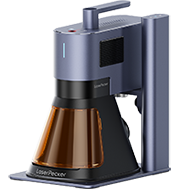
For users focusing primarily on natural leather accessories such as wallets, belts, tags, and notebook covers, the LaserPecker LP2 Plus also provides a reliable and cost-effective engraving solution with high-speed performance and consistent detail quality.
Whether you are creating a personalised gift, adding branding to products, or developing your own small leathercraft projects, these tools provide a practical way to transform leather into refined, lasting pieces.