

































Headstone engraving machines play an important role in creating lasting memorials with precision and care. From traditional methods such as sandblasting to modern solutions including CNC and laser engraving, each technology offers different benefits depending on the design, material, and level of detail required.
Whether you are producing simple lettering or highly detailed portraits, selecting the right engraving machine is essential for achieving durability and visual quality. Understanding the main types of headstone engraving machines will help you choose the most suitable option for your requirements.

In this article:
- Part 1: 4 Types of Headstone Engraving Machines
- Type 1: CNC Stone Engraving Machines
- Type 2: Impact Engraving Machines
- Type 3: Laser Engraving Machines
- Type 4: Sandblasting Systems
- Part 2: Why Laser Engraver is the Best Headstone Engraving Machine
- FAQs: Hot Questions about Headstone Engraving Machine
Part 1: 4 Types of Headstone Engraving Machines
There are several types of machines used for headstone engraving, each designed for different materials, design styles, and levels of detail. From traditional techniques to modern digital systems, each option offers unique benefits in terms of precision, depth, and production efficiency. Below are four common types of headstone engraving machines and how they are typically used in the industry.
Type 1: CNC Stone Engraving Machines for Headstone
CNC stone engraving machines are widely used for carving and engraving headstones with high precision and consistency. These systems use computer-controlled movements to guide cutting tools across the stone surface, enabling accurate reproduction of text, patterns, and detailed designs.
They are commonly used to engrave materials such as granite, marble, and other natural stones. CNC machines can handle lettering, portraits, decorative borders, and deep carving, making them suitable for both simple and complex memorial designs.
Pros
Consistent Output: Ideal for repeat designs and batch production.
Cons
Tooling Required: Requires specialised tools for stone work.
Slower Process: Hard materials take longer to engrave.
Setup Required: Proper calibration is essential for clean results.
Type 2: Impact Engraving Machine for Headstone
Impact engraving machines create markings on stone by striking the surface with a vibrating or rotating tool. Instead of cutting deeply like CNC systems, they produce engraved dots or lines that form text, portraits, and patterns.
These machines are commonly used for engraving granite headstones, as the impact method works effectively on hard materials and creates strong contrast on polished surfaces.
Pros
Clear Contrast: Produces visible markings on polished surfaces.
Ideal for Images: Dot engraving enables portraits and shading effects.
Cons
Shallow Engraving: Less depth compared to CNC carving.
Slower for Large Designs: Not ideal for very large or deeply engraved areas.
Type 3: Laser Engraving Machines for Headstone
Laser engraving machines use a focused laser beam to mark or etch designs onto the surface of stone. Instead of applying physical force, the laser removes or alters the surface layer to create precise text, images, and patterns.
These machines are commonly used for engraving coated granite, black stone, and polished surfaces where high contrast and fine detail are required. Laser engraving is particularly effective for portraits, photographs, and intricate decorative elements.
Pros
High Precision: Produces fine details, sharp text, and intricate designs.
Non-Contact Process: No physical pressure on the stone, reducing the risk of damage.
Ideal for Images: Excellent for photos, portraits, and detailed graphics.
Consistent Results: Digital control ensures repeatable and accurate engraving.
Cons
Limited Depth: Not suitable for deep carving compared to CNC systems.
Type 4: Sandblasting System for Headstone
Sandblasting systems use high-pressure abrasive particles to carve designs into stone surfaces. A stencil or mask is applied to the headstone, and the exposed areas are blasted to create engraved text, patterns, or images.
This method is widely used for granite headstones because it produces deep, durable engravings that remain visible over time. It is especially suitable for large lettering, simple graphics, and traditional memorial designs.
Pros
Deep Engraving: Produces durable, long-lasting carvings in stone.
Ideal for Granite: Works particularly well on hard materials such as granite.
Cons
Limited Detail: Not suitable for fine details or photo-quality images.
Extra Setup: Requires stencil preparation and masking.
Slower Workflow: Multi-step process compared to digital methods.
Part 2: Why Laser Engraver is the Best Headstone Engraving Machine
Comparison Overview
| Method | Precision | Speed | Contact | Edge Quality | Complex Designs | Setup Cost |
|---|---|---|---|---|---|---|
| CNC Stone Engraving Machine | High | Medium | Yes | Clean (deep carving) | Excellent | High |
| Impact Engraving Machine | Medium–High | Medium | Yes | Moderate (dot-based) | Good (images & shading) | Medium |
| Laser Engraving Machine | Very High | High | No | Clean (surface engraving) | Excellent | Medium–High |
| Sandblasting System | Medium | Low–Medium | Yes | Rough (deep engraving) | Limited | Medium |
Laser engraving has become an increasingly popular method for headstone production due to its high precision, design flexibility, and ability to reproduce detailed images with excellent clarity.
Reason 1: High Detail and Personalisation
Laser engraving supports modern memorial designs that focus on personalisation and photo-quality detail. It can produce fine lettering, intricate patterns, and highly detailed portraits by converting grayscale images into precise dot engravings.
Reason 2: Non-Contact and Low Material Stress
Because the laser does not physically touch the stone, it reduces the risk of cracks, chipping, or surface damage. This makes it a safer option for polished or delicate headstones.
Reason 3: Efficient and Flexible Workflow
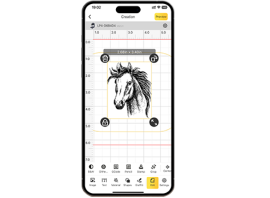
Laser engraving uses digital files, allowing quick setup and easy design adjustments without the need for stencils or masking. With software such as LaserPecker Design Space, users can manage layouts, optimise images, and streamline production. This improves efficiency and supports customised orders.
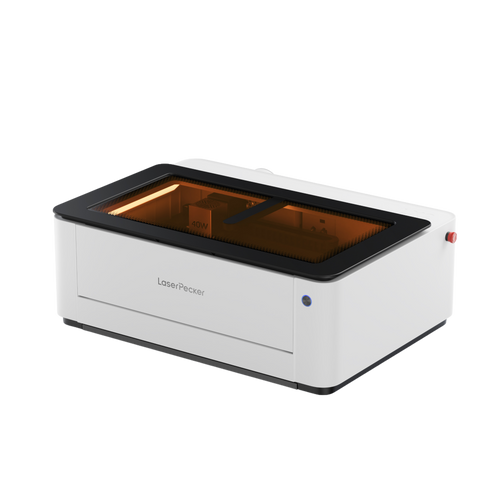
Recommended Popular Laser Engraving Machine for Headstone: LaserPecker LP5
For headstone engraving, selecting the right laser machine depends on detail requirements, material compatibility, and production scale.
Compared with traditional methods such as CNC carving or sandblasting, laser engraving offers higher precision, superior image reproduction, and a fully digital workflow. It is especially suitable for modern memorial designs that require portraits, fine graphics, and custom elements.
Based on these advantages, the LaserPecker LP5 is a practical solution for workshops and professional engraving businesses.
Dual-Laser Technology (Diode + Fibre):
Expands material compatibility, enabling engraving on metals as well as stone surfaces used in memorial applications.
Ultra-Fine Detail:
With support for up to 8K resolution, the LP5 delivers highly detailed portraits, photo engravings, and intricate designs with excellent clarity.
High-Speed Processing:
With engraving speeds of up to 10,000 mm/s, it supports efficient production for custom projects and small-batch orders.
Stable and Accurate Performance:
Maintains consistent engraving quality across repeated jobs, ensuring reliable results.
Advanced Software Control:
The LP5 works with LaserPecker Design Space (mobile and desktop) and is compatible with LightBurn, providing flexible control and precise image processing.
Safety and Indoor Use Considerations
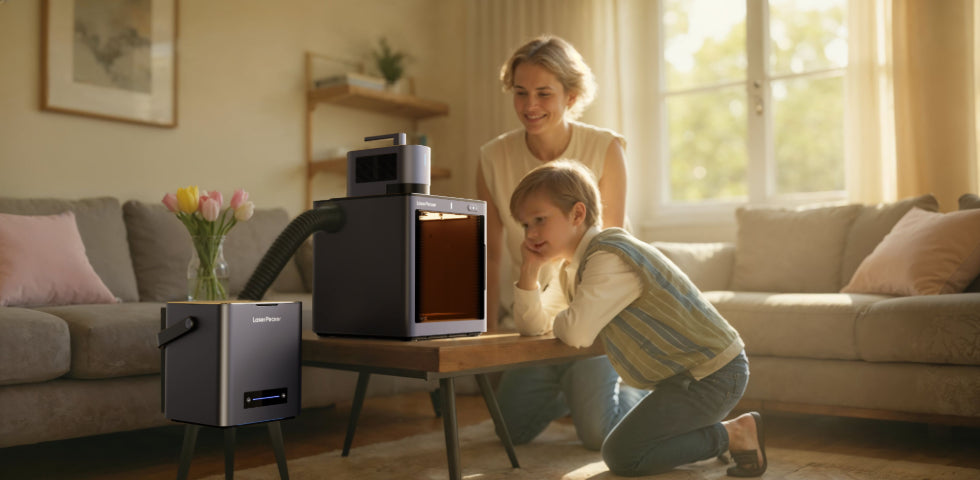
When combined with the LaserPecker LP5 Safety Enclosure, the system achieves Class 1 Laser Safety, providing enhanced protection for operators.
The LP5 can also be used with the LaserPecker Desktop Smoke Purifier, which helps filter fumes and odours generated during engraving and cutting. This supports safer indoor operation and improves the overall working environment.
FAQs: Hot Questions about Headstone Engraving Machine
Q1. Can laser engrave granite headstones?
Yes, laser engraving works effectively on granite headstones, particularly darker granite. The laser modifies the surface to create light grey or white markings, making it suitable for portraits, detailed artwork, and fine lettering. The final result depends on the stone type, surface finish, and engraving settings.
Q2. What is the best machine for granite headstones?
The best machine depends on your production needs. For detailed portraits and photo engraving, laser machines are usually the preferred choice. For deep carving and dimensional designs, CNC systems are more suitable. Sandblasting is commonly used for traditional lettering with depth.
Q3. How deep should headstone engraving be?
Engraving depth varies by method. CNC and sandblasting typically produce deeper carvings (around 1–3 mm or more), which provide strong durability. Laser engraving is generally surface-level but still delivers long-lasting visual contrast when properly processed.
Q4. Is sandblasting better than laser engraving?
It depends on the design style. Sandblasting is ideal for deep, traditional lettering. Laser engraving is better suited to portraits, fine details, and complex graphics. Many professional workshops use both techniques depending on the project requirements.
Q5. How much does a headstone engraving machine cost in the UK?
Costs vary depending on the machine type and specifications. Entry-level laser engravers may start from around £800–£1,000, while professional laser or CNC systems can cost several thousand pounds. Industrial sandblasting setups may require a higher investment, along with software, installation, and training costs.
Q6. What should UK workshops consider before choosing a headstone engraving machine?
UK businesses should consider material compatibility (especially granite types commonly used in the UK), safety compliance, workflow efficiency, and indoor ventilation. For indoor workshops, pairing a laser machine with a protective enclosure and smoke filtration system can improve safety and working conditions.
Conclusion
Headstone engraving machines have developed significantly, evolving from traditional techniques to advanced digital systems that offer greater precision, detail, and customisation options. Each method — CNC, impact engraving, laser engraving, and sandblasting — serves a specific purpose depending on the required depth, design complexity, and production needs.
For projects that require deep and durable carvings, CNC machines and sandblasting systems remain dependable solutions. However, for detailed artwork, portraits, and modern memorial designs, laser engraving provides exceptional precision, flexibility, and consistent results, making it a strong choice for contemporary headstone production.