
































Custom jigsaw puzzles are becoming increasingly popular across the UK, especially for personalised gifts, educational activities, small business products, and creative home crafts. From photo puzzles to branded promotional items, more creators and independent businesses are investing in efficient puzzle-making solutions.
Whether you are launching a puzzle business or improving your current production setup, selecting the right machine can significantly affect production quality, speed, and operating costs. This guide explores the main types of jigsaw puzzle making machines, compares their advantages and limitations, and explains how to choose the best option based on your materials, production scale, and budget.

In this article:
- Part 1: What Is a Jigsaw Puzzle Making Machine
- Part 2: 3 Types of Jigsaw Puzzle Making Machines
- Type 1: Die Cutting Machines
- Type 2: Laser Cutting Machines
- Type 3: CNC Router Machines
- Part 3: Why Laser Cutting Machines Are the Best Choice for Jigsaw Puzzle Production
- FAQs: Common Questions About Jigsaw Puzzle Making Machines
Part 1: What Is a Jigsaw Puzzle Making Machine?
A jigsaw puzzle making machine is a specialised device designed to cut printed images or patterns into interlocking puzzle pieces with high precision. These machines are widely used in the UK for personalised gifts, educational puzzles, DIY craft projects, and small business product creation. Common materials include cardboard, wood, acrylic, and MDF boards.
The production process usually involves applying or printing a design onto the chosen material before cutting it into puzzle shapes using methods such as die cutting, laser cutting, or CNC routing. A high-quality machine helps ensure clean edges, accurate piece alignment, and consistent cutting results throughout production.
Jigsaw puzzle making machines can support both small-scale custom orders and commercial manufacturing. For UK home workshops and creative businesses, compact laser cutting machines are becoming increasingly popular because they offer flexible customisation, detailed cutting performance, and efficient operation without requiring large industrial setups.

Part 2: 3 Types of Jigsaw Puzzle Making Machines
There are several types of machines used for jigsaw puzzle production, each suited to different materials, production volumes, and levels of cutting detail. From traditional die cutting systems to modern digital laser technology, every option offers unique advantages depending on your workflow and customisation needs. Below are three of the most common jigsaw puzzle making machines used by UK hobbyists, small businesses, and commercial manufacturers.
Type 1: Die Cutting Machines for Jigsaw Puzzles
Die cutting machines use a custom-made metal die to press puzzle shapes into materials such as cardboard or paperboard. This method is widely used for large-scale puzzle manufacturing because it can quickly produce high volumes of identical puzzle pieces with consistent results.
Once the metal die has been created, the machine can repeatedly cut the same design with excellent efficiency. However, producing a new puzzle design requires a new die, which increases both setup time and production costs. This makes die cutting less suitable for personalised puzzles or short production runs.
Pros
- High Production Efficiency: Suitable for bulk puzzle manufacturing with fast cutting speed.
- Consistent Puzzle Shapes: Ideal for producing identical puzzle pieces at scale.
- Lower Long-Term Cost for Mass Production: Cost-effective when manufacturing large quantities.
Cons
- High Initial Tooling Cost: Custom dies can be expensive to manufacture.
- Limited Design Flexibility: Every design change requires a new die.
- Not Ideal for Personalised Orders: Less practical for custom puzzles or small batches.
Type 2: Laser Cutting Machines for Jigsaw Puzzles
Laser cutting machines use a focused laser beam to cut puzzle shapes directly from digital design files. Unlike die cutting systems, laser cutters do not require physical moulds, making them highly flexible for customisation and rapid design adjustments.
This technology is widely used for personalised puzzles, creative craft products, and small-batch production on materials such as wood, acrylic, cardboard, and MDF. Because the cutting process is digitally controlled, laser machines can produce highly detailed puzzle pieces with excellent consistency and clean edges.
For UK home workshops and small creative businesses, compact laser engravers are becoming increasingly popular due to their space-saving design and ability to support both cutting and engraving projects.
Pros
- High Precision Cutting: Produces clean edges and intricate puzzle details.
- No Physical Die Required: Design edits can be made instantly through software.
- Excellent for Personalised Puzzles: Suitable for custom orders and small-batch production.
- Wide Material Compatibility: Works with wood, acrylic, cardboard, leather, and more.
- Flexible for Creative Businesses: Ideal for Etsy sellers, craft studios, and DIY makers.
Cons
- Slower for High-Volume Manufacturing: Less efficient than die cutting for mass production.
- Higher Equipment Cost: Advanced laser systems may require a larger initial investment.
Type 3: CNC Router Machines for Jigsaw Puzzles
CNC router machines use computer-controlled cutting tools to carve puzzle shapes from materials including wood, MDF, plywood, and plastics. The machine follows a digital design path to produce accurate and repeatable cuts.
CNC routers are commonly used for durable wooden puzzles and thicker materials that require deeper cutting strength. They are suitable for both custom puzzle designs and small-to-medium production runs. However, compared with laser cutting, CNC routing may produce less intricate detail and typically requires more maintenance due to tool wear.
Pros
- Strong Cutting Capability: Suitable for thick wood and dense materials.
- Reliable Accuracy: Produces consistent and repeatable puzzle shapes.
- Good for Wooden Puzzle Production: Ideal for durable puzzle products.
Cons
- Slower Cutting Speed: Especially for complex or highly detailed designs.
- Regular Tool Maintenance Required: Router bits wear over time and need replacement.
Part 3: Why Laser Cutting Machines Are the Best Choice for Jigsaw Puzzle Production
| Method | Precision | Speed | Contact Cutting | Edge Quality | Complex Designs | Setup Cost |
|---|---|---|---|---|---|---|
| Die Cutting Machines | Medium | Very High | Yes | Clean | Limited | High (custom die required) |
| Laser Cutting Machines | Very High | High | No | Smooth with minimal burn marks | Excellent | Medium to High |
| CNC Router Machines | High | Medium | Yes | Clean | Good | Medium |
Among the various puzzle-making technologies, laser cutting machines are widely considered the most flexible and efficient solution for modern puzzle production. They combine high cutting precision, digital workflow control, and excellent material compatibility, making them ideal for personalised puzzles, creative products, and small-to-medium manufacturing.
Compared with traditional die cutting or CNC routing, laser systems offer greater design freedom while reducing setup limitations and production complexity.
Reason 1: High Precision and Intricate Detail
Laser cutting machines follow digital vector files with exceptional accuracy. This allows creators to produce highly detailed puzzle patterns, tight-fitting interlocking pieces, and intricate custom shapes with consistent results.
For UK craft businesses and personalised gift sellers, this level of precision helps improve product quality and customer satisfaction.
Reason 2: No Physical Die Required
Unlike die cutting systems, laser cutters do not require physical moulds or metal dies. Puzzle designs can be modified instantly through software, making production more flexible and cost-efficient.
This is especially useful for businesses offering seasonal collections, personalised photo puzzles, or limited-edition designs.
Reason 3: Ideal for Custom and Small-Batch Production
Laser cutting machines are particularly suitable for custom orders, prototype development, and small-batch manufacturing. Because there is no tooling setup required, creators can efficiently produce unique puzzle designs without additional production costs.
For UK home workshops and Etsy-based businesses, laser systems provide an efficient way to manage short production runs while maintaining professional quality.
Reason 4: Clean Edges with Minimal Finishing
Laser technology produces smooth and precise cutting edges, reducing the need for sanding or additional post-processing. This helps improve workflow efficiency and creates a cleaner final product appearance.
Modern laser systems also minimise material waste, which is beneficial for small businesses focused on efficient production.
Reason 5: Versatile Material Compatibility
Laser cutting machines can process a wide range of materials, including wood, MDF, acrylic, cardboard, leather, and plywood. This flexibility allows creators to produce different puzzle styles, from educational wooden puzzles to premium personalised gift products.
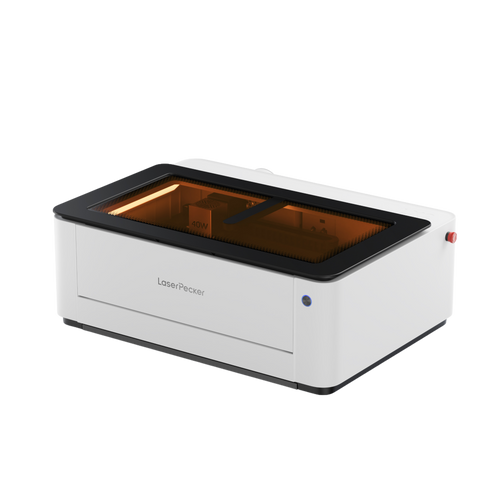
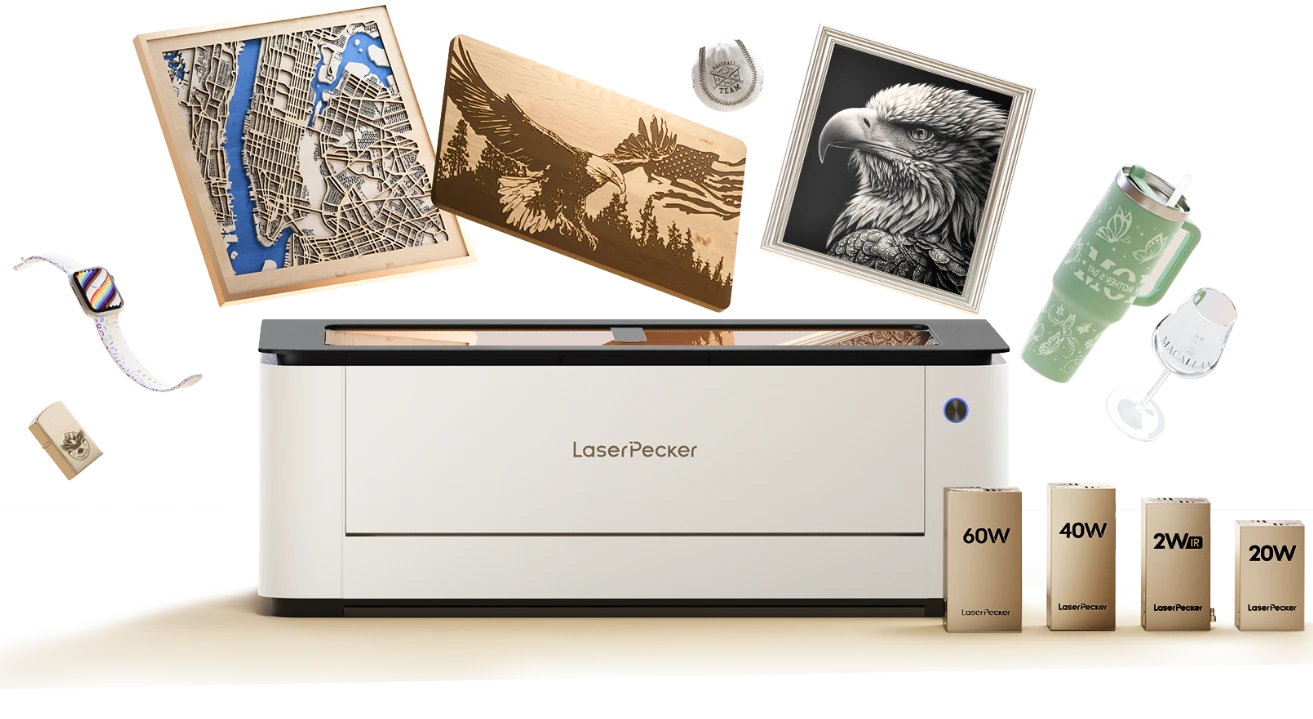
Recommended Laser Cutting Machine for Jigsaw Puzzles: LaserPecker LX2
The LaserPecker LX2 is a compact and practical laser cutting solution designed for creators, hobbyists, and small businesses producing custom jigsaw puzzles. Combining precision cutting, engraving capability, and user-friendly operation, the LX2 is particularly suitable for personalised and small-batch production environments.
-
Cutting and Engraving in One Workflow:
The LX2 supports both engraving and cutting within a single workflow, helping improve production efficiency while simplifying the creative process. -
Supports Complex Puzzle Designs:
It can produce irregular shapes, curved puzzle structures, and themed interlocking pieces, allowing for more creative and customised puzzle products. -
High Cutting Precision:
The LX2 delivers accurate cutting performance with clean edges, ensuring puzzle pieces fit together smoothly and consistently. -
Wide Material Compatibility:
Compatible with wood, MDF, acrylic, cardboard, and other common crafting materials, the LX2 supports a wide variety of puzzle-making applications. -
No Physical Mould Required:
Digital production allows users to create puzzles on demand without investing in expensive dies or tooling. -
Compact and Space-Saving Design:
Its compact size makes the LX2 ideal for UK home studios, small workshops, and creative business setups where workspace is limited. -
Class 1 Laser Safety for Indoor Use:
The LaserPecker LX2 features Class 1 Laser Safety protection, making it a safer and more user-friendly option for indoor workshops and home crafting environments. -
Compatible with the LaserPecker Desktop Smoke Purifier:
For cleaner indoor operation, the LX2 can also be paired with the LaserPecker Desktop Smoke Purifier, which helps filter smoke, odours, and airborne particles generated during engraving and cutting. This improves indoor air quality and supports a safer workspace experience.
FAQs: Common Questions About Jigsaw Puzzle Making Machines
Q1: What is the best machine for making cardboard jigsaw puzzles?
For large-scale cardboard puzzle production, die cutting machines are usually the most efficient option because they can quickly produce identical puzzle pieces in high volumes. However, for personalised puzzles, short production runs, or creative designs, laser cutting machines provide greater flexibility and easier design customisation.
Q2: Are laser cutting machines better than die cutting machines for custom puzzles?
Yes, laser cutting machines are generally better for personalised puzzles and small-batch production. Unlike die cutting systems, laser cutters do not require physical dies, allowing users to update designs instantly and create custom puzzle patterns more efficiently.
Q3: How much does a jigsaw puzzle making machine cost in the UK?
The cost depends on the machine type, cutting size, and production capability. Entry-level desktop laser cutting machines may start from around £800–£2,500, while industrial die cutting equipment can cost significantly more. Additional expenses may include materials, ventilation systems, software, and maintenance.
Q4: Can I start a small puzzle business from home with a laser cutter?
Yes, many UK creators and Etsy sellers start custom puzzle businesses using compact laser cutting machines. Machines such as the LaserPecker LX2 are suitable for home workshops because they support personalised production while requiring minimal workspace.
Q5: What materials can be used for laser-cut jigsaw puzzles?
Laser cutting machines can process materials including wood, MDF, acrylic, cardboard, plywood, and leather. Different materials create different puzzle styles, from educational wooden puzzles to decorative personalised gifts.
Q6: Is a laser cutter safe for indoor puzzle making?
Modern laser cutting systems designed for desktop use can be suitable for indoor workshops when proper safety measures are followed. The LaserPecker LX2 features Class 1 Laser Safety protection and can also be paired with the LaserPecker Desktop Smoke Purifier to help reduce smoke, odours, and airborne particles during cutting and engraving.
Conclusion
Choosing the right jigsaw puzzle making machine depends largely on your production goals, target customers, and business model. Die cutting machines remain the preferred solution for high-volume cardboard puzzle manufacturing because they offer fast production speed and highly consistent results. However, laser cutting machines provide far greater flexibility for personalised puzzles, creative product development, and small-batch production.
For UK creators, home workshops, and small businesses, laser systems are becoming increasingly popular due to their compact design, customisation capabilities, and efficient digital workflow. Investing in the right machine for puzzle making can help improve product quality, streamline production, and increase long-term profitability in a growing personalised product market.