










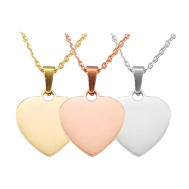
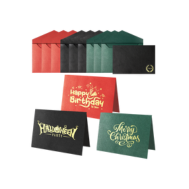



















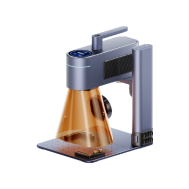


Label engraving machines are widely used to create long-lasting identification labels, serial numbers, asset tags, barcodes, and company logos on materials such as metal, plastic, acrylic, and wood. Several machine types can be used for label production, including routing machines, dot peen markers, and laser engravers, each offering different levels of precision, speed, and material compatibility.
In this guide, we'll compare the most common label engraving technologies, explore their advantages and limitations, and explain why laser engraving has become the preferred solution for many UK businesses, workshops, and makers.

In this article:
- Part 1: What Are Label Engraving Machines Used For
- Part 2: Common Materials for Label Engraving
- Part 3: 3 Types of Label Engraving Machines
- Type 1: Routing Machines for Label Engraving
- Type 2: Dot Peen Marking Machines for Label Engraving
- Type 3: Laser Engraving Machines for Label Engraving
- Part 4: Why Laser Engraving Machines Are the Best Choice for Label Making
- FAQs: Common Questions About Label Engraving Machines
Part 1: What Are Label Engraving Machines Used For?
Label engraving machines are designed to produce permanent markings on identification labels, tags, and plates. They can engrave text, serial numbers, logos, barcodes, QR codes, and other symbols used for identification, compliance, and branding purposes. Across the UK, these machines are widely used in sectors that require long-lasting and clearly legible markings, from manufacturing workshops to commercial facilities.
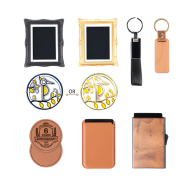
Compared with printed labels, engraved labels offer greater durability. They are more resistant to scratches, moisture, heat, chemicals, and harsh outdoor conditions, making them suitable for demanding environments. Depending on the engraving technology used, labels can be produced on a variety of materials, including metal, plastic, acrylic, wood, leather, and coated surfaces.
Common applications include:
- Industrial equipment labels
- Electrical panel labels
- Asset tags and serial number plates
- Nameplates and staff badges
- Barcode and QR code marking
- Custom branding and logo engraving
- Safety and warning signs
Different engraving technologies are suited to different production requirements. CNC routers are often used for cutting and engraving thicker materials, dot peen machines excel at permanent marking on metal surfaces, while laser engraving machines provide an excellent balance of precision, speed, and material versatility for modern label production.

Part 2: Common Materials for Label Engraving
Label engraving machines can process a wide variety of materials, with the ideal choice depending on the intended application, environmental conditions, and the engraving technology being used. Factors such as durability, appearance, flexibility, and resistance to heat, moisture, chemicals, and UV exposure all influence material selection.
Below are some of the most commonly used materials for engraved labels:
Metal
Aluminium, stainless steel, brass, and anodised metals are widely used for industrial labels, machinery nameplates, and equipment tags. These materials offer excellent durability and can withstand heat, chemicals, abrasion, and demanding outdoor environments.
Plastic
Plastic engraving laminates are commonly used for electrical labels, control panels, indoor signage, and identification tags. They are lightweight, cost-effective, and available in a range of colours, finishes, and thicknesses, making them suitable for everyday commercial applications.
Acrylic
Acrylic is a popular choice for branded plaques, display signage, decorative labels, and customised tags. It produces crisp engraving results and provides a clean, professional appearance.
PLA
PLA is often used for 3D-printed labels, bespoke tags, and personalised signage. It is easy to work with, available in numerous colours, and can be marked or engraved on suitable coated or painted surfaces.
Wood
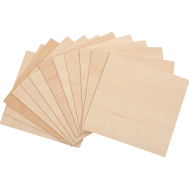
Wooden labels are frequently chosen for artisan products, gift packaging, handmade goods, and craft branding. Laser engraving enhances the natural grain of the material and can produce highly detailed designs with a distinctive handcrafted finish.
Leather
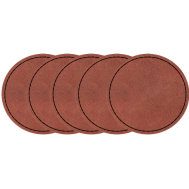
Leather labels are widely used for fashion accessories, handmade products, bags, and premium packaging. Engraving natural or synthetic leather creates a refined and personalised look that adds perceived value to the finished product.
Not every engraving machine works equally well with every material. While some technologies are limited to specific substrates, laser engraving machines offer one of the broadest ranges of material compatibility, making them a versatile solution for both industrial and creative label applications.
Part 3: 3 Types of Label Engraving Machines
Different label engraving machines use different marking technologies, and each offers distinct advantages depending on the material, production volume, and level of detail required. Some are designed for heavy-duty industrial identification, while others provide the flexibility needed for customised labels and branding.
Below are three of the most common label engraving machine types used across UK workshops, manufacturing environments, and small businesses.
Type 1: Routing Machines for Label Engraving
Routing machines use rotating cutting tools to carve text, logos, numbers, and shapes into materials such as plastic, wood, acrylic, and selected metal plates. They are commonly used for engraved nameplates, industrial labels, and signage.
CNC routing machines follow digital design files to create repeatable engravings and cut-outs with consistent depth. Their ability to handle thicker materials makes them suitable for rigid labels and larger-format applications. However, because they rely on physical cutting bits, they are generally less efficient when producing intricate designs or small text.
Pros
- Good Material Versatility: Suitable for plastic, wood, acrylic, and certain metals.
- Handles Thicker Materials: Ideal for robust nameplates and signage applications.
- Consistent Engraving Depth: Mechanical cutting produces uniform results.
Cons
- Slower Than Laser Engraving: Detailed jobs often require longer processing times.
- Tool Wear: Cutting bits gradually dull and need periodic replacement.
- Lower Detail Precision: Fine graphics, tiny fonts, and QR codes can be difficult to reproduce accurately.
Type 2: Dot Peen Marking Machines for Label Engraving
Dot peen marking machines use a rapidly vibrating metal stylus to indent the material surface, creating dots that form letters, serial numbers, barcodes, and simple logos. This technology is widely used for equipment identification, asset tags, and industrial traceability.
Because the marking is physically stamped into the material, the results are highly durable and resistant to wear. Dot peen systems are particularly effective for metal labels used in demanding environments where long-term readability is essential.
Pros
- Excellent for Metal Labels: Frequently used on steel, aluminium, and industrial identification plates.
- Highly Durable Markings: Ideal for traceability and harsh working conditions.
- Low Operating Costs: No ink, chemicals, or laser source consumables are required.
Cons
- Limited Detail Quality: Decorative graphics and intricate logos are difficult to achieve.
- Noisy Operation: Mechanical impact creates noticeable vibration and sound.
- Less Suitable for Custom Branding: Primarily designed for functional identification rather than premium aesthetics.
Type 3: Laser Engraving Machines for Label Engraving
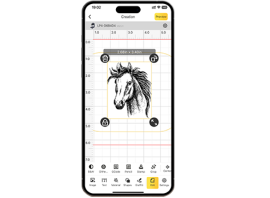
Laser engraving machines use focused laser beams to engrave text, logos, barcodes, serial numbers, QR codes, and graphics onto a wide variety of label materials. They are widely used for industrial identification, branded nameplates, product tags, custom signage, and personalised products.
By working directly from digital design files, laser systems produce exceptionally precise markings with clean edges and outstanding consistency. Depending on the laser source, they can engrave materials including metal, acrylic, plastic, wood, leather, coated surfaces, and more.
For UK users seeking a balance between precision, efficiency, and versatility, laser engraving has become one of the most practical solutions for both small-batch customisation and repeat production.
Pros
- High Precision: Produces crisp text, detailed logos, QR codes, and fine graphics.
- Wide Material Compatibility: Works with metal, acrylic, plastic, wood, leather, and coated materials.
- Fast and Flexible Workflow: Allows rapid design changes without tooling adjustments.
- Ideal for Industrial and Decorative Labels: Suitable for both functional identification and premium branding.
- Low Maintenance: No cutting bits to replace during normal operation.
Cons
- Material Compatibility Varies by Laser Type: Different laser sources are optimised for specific materials and applications.
Part 4: Why Laser Engraving Machines Are Best for Label Making?
| Machine Type | Precision | Speed | Contact Method | Best Materials | Complex Design Capability | Durability of Marking | Setup Cost |
|---|---|---|---|---|---|---|---|
| Routing Machines | Medium | Medium | Yes | Plastic, Wood, Acrylic, Metal | Moderate | High | Medium to High |
| Dot Peen Marking Machines | Medium | High | Yes | Metal | Limited | Very High | Medium |
| Laser Engraving Machines | Very High | High | No | Metal, Plastic, Acrylic, Wood, Leather, PLA | Excellent | High | Medium to High |
Among the available label engraving technologies, laser engraving machines offer the most balanced combination of precision, efficiency, flexibility, and material compatibility. While routing machines and dot peen systems remain valuable for specific industrial tasks, laser engravers are better suited to today's demand for both industrial identification and customised label production.
Reason 1: High Precision and Fine Detail
Laser engraving machines produce exceptionally sharp text, logos, barcodes, QR codes, and graphics with outstanding clarity and readability. This makes them ideal for labels that require both functionality and a professional appearance.
Reason 2: No Physical Contact with the Material
Unlike routing machines and dot peen markers, laser engraving is a contact-free process. There is no direct mechanical pressure on the material, helping to reduce vibration, minimise material stress, and eliminate tool wear.
Reason 3: Fast Design Changes and Customisation
Laser systems work directly from digital files, allowing users to update serial numbers, logos, layouts, or variable data within seconds. This flexibility is particularly valuable for small businesses and short production runs where frequent design changes are common.
Reason 4: Suitable for Both Industrial and Decorative Labels
From machinery identification plates to premium product tags and branded packaging, laser engraving machines can produce both durable industrial labels and visually appealing decorative designs.
Reason 5: Wide Material Compatibility
Depending on the laser source, laser engraving machines can process:
- Metal
- Acrylic
- Plastic
- Wood
- Leather
- PLA
- Coated materials
- Anodised aluminium
This versatility enables users to handle a broad range of projects using a single machine.
Reason 6: Clean Engraving with Minimal Post-Processing
Laser engraving creates precise markings with clean edges that often require little or no finishing work, helping improve efficiency and reduce labour costs.
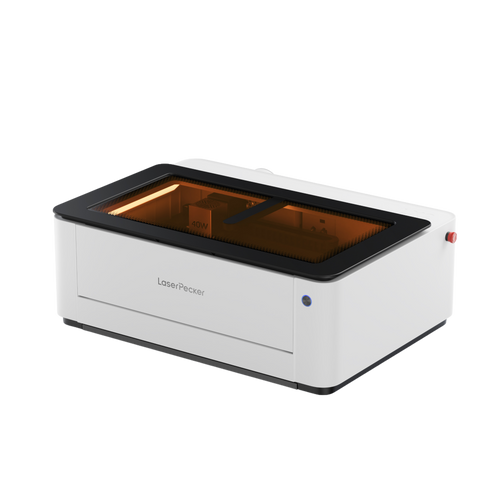
Recommended Laser Engraving Machine for Labels: LaserPecker LP5
For UK users looking for a compact yet capable solution, the LaserPecker LP5 offers an excellent balance of precision, material flexibility, and productivity. Whether you're producing industrial asset tags, QR code labels, branded nameplates, or personalised products, the LP5 adapts easily to both one-off custom orders and repeat production.
- Dual-Laser System: Combines a 20W fibre laser and a 20W diode laser, enabling engraving on metal, plastic, acrylic, wood, leather, coated materials, and more.
- High-Precision Engraving: Produces detailed text, logos, QR codes, barcodes, and serial numbers with excellent accuracy.
- Suitable for Industrial and Decorative Labels: Supports both permanent identification marking and customised branding applications.
- Fast Digital Workflow: Enables rapid personalisation and repeat production without changing tools or fixtures.
- Wide Material Compatibility: Works with stainless steel, anodised aluminium, plastics, acrylic, wood, leather, PLA, and coated materials.
- Compact Desktop Design: Ideal for home studios, workshops, makerspaces, and small businesses with limited workspace.
Safety and Indoor Use
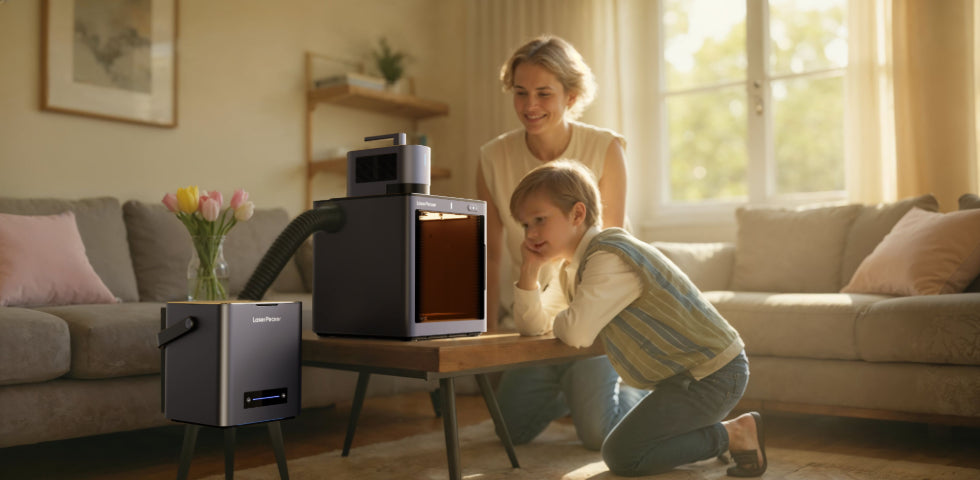
For users in the UK who prioritise workplace safety, the LaserPecker LP5 can be paired with the LaserPecker LP5 Safety Enclosure to achieve Class 1 Laser Safety, providing an additional layer of protection during operation.
For improved indoor air quality, the LP5 can also be used with the LaserPecker Desktop Smoke Purifier, helping filter fumes and odours generated during engraving and cutting. This makes the system more suitable for enclosed workshops, studios, and indoor environments.
FAQs: Hot Questions about Label Engraving Machines
Q1: Can You Engrave Labels on Plastic and Metal?
Yes. Many engraving machines, particularly laser engraving machines, can engrave both plastic and metal materials. Common label materials include acrylic, ABS, anodised aluminium, stainless steel, brass, and coated metals. Different materials may require different laser sources and settings to achieve the best engraving results.
Q2: How Long Does Label Engraving Take?
Engraving time depends on the label size, material, and design complexity. Simple text or serial number engraving can take less than a minute, while detailed logos, graphics, or QR codes may require several minutes. Once the artwork is prepared, repeat production can be completed quickly and efficiently.
Q3: Do Engraving Machines Require Special Software?
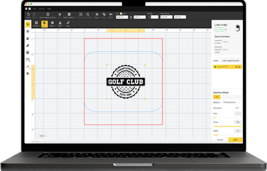
Yes. Most engraving machines use design software to prepare and process engraving files. Commonly supported formats include SVG, DXF, AI, and PNG. Many systems also provide dedicated software for importing designs, adjusting parameters, and managing the engraving workflow.
Q4: Is Laser Engraving Permanent?
Yes. Laser engraving permanently alters the material surface to create durable markings. Unlike printed labels that may fade or peel over time, laser-engraved labels are highly resistant to wear and are well suited to industrial identification, branding, and long-term applications.
Q5: What Is the Best Label Engraving Machine for Small Businesses?
For UK small businesses, makers, and workshop owners, laser engraving machines are often the most practical choice. They combine high precision, broad material compatibility, and fast digital workflows, making them suitable for everything from asset tags and QR codes to branded packaging and personalised products.
Q6: Can Laser Engraving Machines Create QR Codes and Barcodes?
Absolutely. Laser engraving machines like LaserPecker LP5 can produce highly readable QR codes, barcodes, serial numbers, and data matrix codes with excellent accuracy. This makes them ideal for inventory management, asset tracking, product traceability, and industrial identification.
Conclusion
Choosing the right label engraving machine depends on the materials you work with, the level of detail required, and your production goals. Routing machines and dot peen systems remain effective for specific industrial applications, but laser engraving machines provide the best overall balance of precision, speed, versatility, and ease of use.
For UK businesses, makers, and workshops seeking both industrial performance and creative flexibility, the LaserPecker LP5 offers a practical solution for producing durable, professional-quality labels across a wide range of materials.