































Custom guitar picks have become increasingly popular among musicians, DIY makers, and small businesses looking to create personalised designs and unique playing experiences. Today, there are several ways to make custom guitar picks, including pick punch tools, laser cutting machines, resin moulds, 3D printers, and manual cutting methods.
Each guitar pick maker offers different advantages in terms of precision, customisation options, production speed, and material compatibility.
In this guide, we will compare five popular guitar pick making tools, explore their advantages and limitations, and explain why laser cutting machines are often the ideal choice for creating professional-quality custom guitar picks.

In this article:
- Part 1: What Is a Guitar Pick Maker
- Part 2: 5 Types of Guitar Pick Makers and Tools
- Type 1: Guitar Pick Punch Tool
- Type 2: Laser Cutter for Guitar Picks
- Type 3: Resin Mould for Guitar Picks
- Type 4: 3D Printer for Guitar Picks
- Type 5: Scissors for Guitar Picks
- Part 3: Why Laser Cutting Machines Are Best for Making Guitar Picks
- FAQs: Hot Questions about Guitar Pick Makers
Part 1: What Is a Guitar Pick Maker?
A guitar pick maker refers to any tool, machine, or method used to create custom guitar picks. These solutions allow musicians, hobbyists, and small businesses to produce guitar picks in different shapes, sizes, materials, and designs based on their personal preferences or branding requirements.
Traditional guitar pick makers include simple hand tools such as punch cutters and scissors, while modern solutions use advanced technologies like laser cutting machines and 3D printers. Depending on the method, users can create guitar picks from materials including plastic sheets, acrylic, wood, leather, resin, and even metal.
Whether you are making guitar picks for personal use, DIY projects, or small-scale sales, choosing the right guitar pick maker can improve production efficiency, design flexibility, and overall product quality.

Common Materials Used to Make Guitar Picks
Guitar picks can be made from a variety of materials, and each option provides a different feel, flexibility, durability, and sound performance. The material you choose can directly affect playing comfort and tone.
- Plastic: One of the most common materials for guitar picks due to its affordability, flexibility, and easy processing.
- Acrylic: A popular choice for custom laser-cut guitar picks because it offers a smooth surface, vibrant colours, and excellent engraving results.
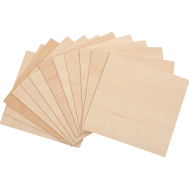
- Wood: Wooden guitar picks provide a natural appearance and unique texture, making them suitable for handmade and personalised designs.
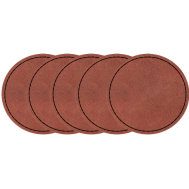
- Leather: Soft and flexible, leather picks create a warmer and more mellow sound that some acoustic players prefer.
- Resin: Resin allows creators to produce artistic and highly customised guitar picks with embedded decorations, colours, or patterns.
- Metal: Metal guitar picks are highly durable and can produce a brighter, sharper tone, although some players may find them heavier during use.
Among these materials, acrylic, wood, leather, and certain plastics are especially suitable for laser cutting because they can be precisely cut and engraved with detailed custom designs.
Part 2: 5 Types of Guitar Pick Makers and Tools
There are several ways to make custom guitar picks, from simple DIY tools to advanced digital machines. Each guitar pick maker offers different advantages in terms of cost, precision, customisation options, production speed, and material compatibility.
Below are five popular guitar pick making tools commonly used by musicians, hobbyists, and small businesses to create personalised guitar picks.
Type 1: Guitar Pick Punch Tool
A guitar pick punch tool is one of the simplest and most affordable ways to create custom guitar picks at home. This handheld tool works similarly to a paper punch, allowing users to cut guitar pick shapes from thin plastic sheets or recycled materials such as old bank cards, gift cards, hotel key cards, or plastic packaging.
Many beginners choose a guitar pick punch because it is easy to operate and does not require electricity, software, or advanced technical knowledge. Simply place the material into the punch tool, apply pressure, and a basic guitar pick shape can be created within seconds.
Advantages
- Easy to Use: No software, electricity, or technical experience is required.
- Low Cost: An affordable option for beginners who want to test DIY guitar pick making.
Limitations
- Limited Material Compatibility: Only thin and flexible materials can usually be punched effectively.
- Fixed Pick Shape: Most punch tools only support standard guitar pick designs with limited shape variations.
- No Engraving Function: Cannot directly add logos, artwork, names, or personalised text onto the pick surface.
- Lower Precision: Edge quality and consistency may not match professionally laser-cut guitar picks.
Type 2: Laser Cutter for Guitar Picks
Laser cutters have become one of the most versatile and professional tools for making custom guitar picks. Unlike manual punch tools, laser cutting machines use a focused laser beam to precisely cut and engrave guitar picks from materials such as acrylic, wood, leather, plastic, and some thin metals.
One of the biggest advantages of laser cutters is their high precision and customisation capability. Users can create unique guitar pick shapes, add logos, band signatures, patterns, or personalised designs with clean edges and detailed engraving results.
For UK musicians, makers, and small businesses, laser cutting is especially useful for creating custom guitar picks for personal projects, merchandise, or online sales, offering a balance between creativity, efficiency, and professional quality.
Advantages
- High Precision: Produces clean edges and accurate guitar pick shapes with consistent results.
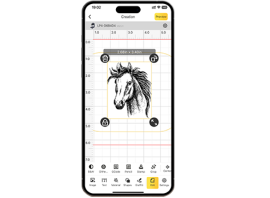
- Excellent Customisation: Supports detailed engraving of logos, artwork, names, and decorative patterns.
- Wide Material Compatibility: Works well with acrylic, wood, leather, plastic, and selected thin materials.
- Efficient Batch Production: Suitable for creating multiple custom guitar picks quickly and consistently.
- Professional Results: Provides smooth finishes and a premium appearance suitable for commercial products.
Limitations
- Material Safety Considerations: Some materials may produce fumes during laser cutting and require suitable ventilation.
- Requires Proper Ventilation: Smoke and odours generated during cutting may require an extraction or air purification solution.
Type 3: Resin Mould for Guitar Picks
Resin moulds are a creative and highly customisable way to make guitar picks, especially for users who enjoy handmade crafts and artistic designs. This method involves pouring liquid resin into silicone guitar pick moulds and allowing it to cure into solid guitar picks.
One of the biggest advantages of resin guitar pick making is the ability to create unique visual effects and personalised designs. Users can add pigments, glitter, dried flowers, metallic flakes, or other decorative elements into the resin mixture to create one-of-a-kind guitar picks.
For UK DIY makers and craft enthusiasts, resin moulds offer an enjoyable way to experiment with creative guitar pick designs while exploring different colours, textures, and artistic styles.
Advantages
- Highly Customisable: Allows creative designs using colours, glitter, flowers, metallic flakes, and embedded decorations.
- Unique Handmade Appearance: Each guitar pick can have its own artistic style, texture, and visual effect.
Limitations
- Longer Production Time: Resin requires curing time before the guitar picks are ready to use.
- Additional Finishing Required: Sanding and polishing may be needed to achieve smoother edges.
- Less Precision: Handmade resin picks may vary slightly in thickness and shape consistency.
- Material Handling Required: Resin mixing and curing require careful handling and a suitable workspace with proper ventilation.
For creators who prioritise artistic expression and handmade designs, resin moulds provide a flexible way to produce personalised guitar picks with unique appearances.
Type 4: 3D Printer for Guitar Picks
3D printers provide a modern and highly customisable method for making guitar picks. By using digital 3D models, users can create guitar picks with different shapes, thicknesses, textures, and grip patterns that may be difficult to achieve with traditional cutting methods.
This method is especially popular among makers, engineers, and DIY enthusiasts who enjoy experimenting with customised pick designs. With 3D printing, users can quickly adjust dimensions, test different shapes, or add surface textures to improve grip and playing comfort.
Most guitar picks are printed using materials such as PLA, ABS, PETG, or resin, depending on the required flexibility and durability. Once the design file is prepared, the 3D printer builds the guitar pick layer by layer.
Advantages
- Highly Customisable: Allows users to create unique shapes, thicknesses, textures, and grip patterns.
- Easy Design Modification: Digital files can be adjusted quickly to test different guitar pick styles.
Limitations
- Slower Production Speed: Printing multiple guitar picks may take longer compared with cutting methods.
- Additional Finishing Required: Sanding or polishing may be needed to improve edge smoothness.
- Material Limitations: Some 3D printing materials may not provide the ideal flexibility or durability for guitar playing.
- Requires 3D Modelling Knowledge: Users may need basic CAD or 3D design skills to create or edit models.
Type 5: Scissors for Guitar Picks
Using scissors is one of the simplest and most accessible methods for making DIY guitar picks. This approach usually involves drawing a guitar pick outline on materials such as plastic sheets, old cards, leather, or flexible packaging, then manually cutting the shape with scissors.
Many beginners and hobbyists choose this method because it requires almost no specialist equipment and can be completed with common household tools. It is also a useful way to test different guitar pick sizes and shapes before investing in more advanced machines.
Advantages
- Very Low Cost: Requires only basic household tools and inexpensive materials.
- Easy to Start: No electricity, software, or specialist equipment is needed.
Limitations
- Low Precision: Hand-cut guitar picks may have uneven edges and inconsistent shapes.
- Time-Consuming: Cutting and finishing each guitar pick manually can require significant effort.
- Limited Material Compatibility: Thicker or harder materials may be difficult to cut accurately with scissors.
Part 3: Why Laser Cutting Machines Are Best for Making Guitar Picks?
When comparing different guitar pick makers, each method has its own strengths. Simple tools such as punch cutters and scissors are affordable and beginner-friendly, while resin moulds and 3D printers provide creative flexibility.
However, for musicians, creators, and small businesses that need professional-quality custom guitar picks, laser cutting machines offer the best balance of precision, speed, customisation, and material compatibility.
| Method | Precision | Production Speed | Customisation Capability | Best Materials | Difficulty Level | Best For | Setup Cost |
|---|---|---|---|---|---|---|---|
| Guitar Pick Punch Tool | Medium | Fast | Limited | Thin Plastic, Old Cards | Very Easy | Beginners & DIY Projects | Low |
| Laser Cutter for Guitar Picks | Very High | Very Fast | Excellent | Acrylic, Wood, Leather, Plastic, Thin Metal | Medium | Professional Customisation & Small Business | Medium to High |
| Resin Mould for Guitar Picks | Medium | Slow | Very High | Epoxy Resin, UV Resin | Medium | Handmade Crafts & Artistic Designs | Low to Medium |
| 3D Printer for Guitar Picks | High | Medium | Excellent | PLA, ABS, PETG, Resin | Medium to High | Prototypes & Experimental Designs | Medium to High |
| Scissors for Guitar Picks | Low | Slow | Basic | Thin Plastic, Leather, Flexible Sheets | Very Easy | Casual DIY & Simple Crafts | Very Low |
For UK makers, laser cutting is becoming a popular choice for creating personalised guitar picks because it allows detailed engraving, consistent production quality, and efficient batch processing.
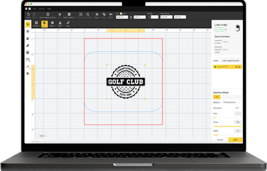
Laser cutters can create custom shapes, add logos, engrave names, and produce professional finishes that are difficult to achieve with manual tools. With suitable ventilation and air purification solutions, laser cutting can also be used safely in home workshops and small creative spaces.
Part 3: Why Laser Cutting Machines Are Best for Making Guitar Picks?
Among the different guitar pick making methods, laser cutting machines stand out for their precision, customisation capability, speed, and professional-quality results. While punch tools, scissors, resin moulds, and 3D printers all have their own advantages, laser cutters provide one of the most efficient and versatile solutions for creating custom guitar picks.
Reason 1: High Precision and Clean Edges
Laser cutting machines can produce highly accurate guitar pick shapes with smooth and clean edges. This level of precision improves playing comfort and reduces the need for additional sanding or finishing work.
Reason 2: Excellent Customisation Capability
Laser cutters allow users to engrave logos, names, artwork, patterns, signatures, and personalised text directly onto guitar picks. This makes them ideal for personalised gifts, band merchandise, promotional products, and small business customisation.
Reason 3: Fast and Efficient Production
Compared with manual cutting methods, laser cutting machines can quickly produce multiple guitar picks with consistent quality. This makes laser cutters suitable for batch production, online shops, craft markets, and commercial customisation.
Reason 4: Wide Material Compatibility
Depending on the laser type, laser cutting machines can work with materials such as acrylic, wood, leather, plastic, coated materials, and certain thin metals. This flexibility allows creators to explore different guitar pick styles, textures, and playing experiences.
Reason 5: Easy Design Changes and Digital Workflow
Laser cutting systems use digital design files, allowing users to quickly adjust guitar pick shapes, sizes, engraving patterns, and layouts without creating new physical moulds or tools.
Reason 6: Professional Appearance and Premium Quality
Laser-cut guitar picks usually have a more refined and professional appearance compared with hand-cut or manually punched picks. Clean engraving and accurate cutting help products stand out in online shops, craft fairs, and custom merchandise businesses.
Recommended Laser Cutting Machine for Guitar Picks: LaserPecker LP5
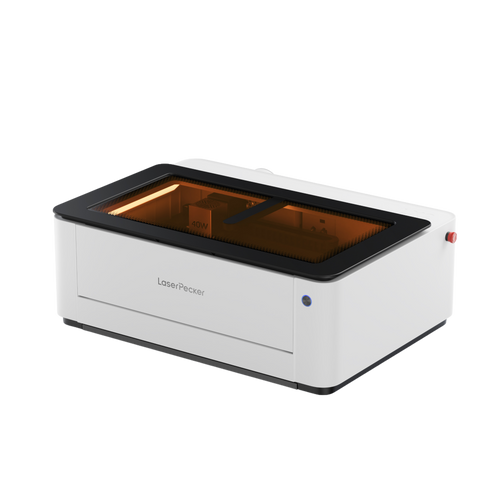
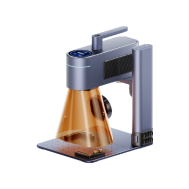
The LaserPecker LP5 is a compact dual-laser machine designed for high-precision cutting and engraving projects, making it an excellent choice for creating custom guitar picks. Its advanced laser system supports detailed engraving, precise cutting, and flexible material compatibility for both DIY creators and small business production.
For UK users working in home studios or creative workshops, the LP5 can be paired with the LaserPecker LP5 Safety Enclosure to provide Class 1 Laser Safety, helping create a safer working environment during laser engraving and cutting projects.
The LP5 can also work with the LaserPecker Desktop Smoke Purifier, which helps filter smoke, gases, and odours produced during engraving and cutting. This makes it easier to maintain a cleaner and more comfortable indoor workspace.
- Dual-Laser System: Combines a 20W fibre laser and a 20W diode laser, allowing users to work with acrylic, wood, leather, coated materials, plastic, and certain thin metals.
- High-Precision Cutting and Engraving: Produces accurate guitar pick shapes, clean edges, and detailed engraving for logos, names, artwork, and custom designs.
- Excellent for Personalised Guitar Picks: Suitable for custom band merchandise, gifts, online shop products, promotional items, and handmade craft businesses.
- Fast Digital Workflow: Supports quick design modifications and repeated production using digital files without changing physical moulds or tools.
- Wide Material Compatibility: Works with acrylic, wood, leather, anodised aluminium, coated metals, plastic sheets, and other common guitar pick materials.
- Compact and Desktop-Friendly: Its portable desktop design makes it suitable for workshops, home studios, makerspaces, and small creative businesses.

FAQs: Hot Questions about Guitar Pick Makers
Q1: What Is the Best Machine for Making Guitar Picks?
The best machine for making guitar picks depends on your budget, production needs, and desired level of customisation.
For professional-quality personalised guitar picks, laser cutting machines are often considered one of the best options because they provide high precision, clean edges, fast production speed, and detailed engraving capabilities. They are especially suitable for musicians, makers, and small businesses creating custom guitar pick designs.
Q2: What Materials Can Be Used to Make Guitar Picks?
Guitar picks can be made from a variety of materials, including plastic, acrylic, wood, leather, resin, and certain thin metals.
Different materials provide different levels of flexibility, durability, grip, and tone. Acrylic, wood, leather, and suitable plastics are especially popular for laser-cut guitar picks because they support accurate cutting and detailed engraving.
Q3: Can Laser Cutters Engrave Logos on Guitar Picks?
Yes. Laser cutting machines can engrave logos, names, artwork, signatures, text, and decorative patterns directly onto guitar picks with excellent accuracy.
This makes laser cutters ideal for personalised gifts, band merchandise, promotional products, online shop items, and custom branding projects.
Q4: Are Handmade Guitar Picks Good for Playing?
Yes. Handmade guitar picks can perform well when they are made from suitable materials and finished properly.
However, the playing experience may vary depending on thickness, edge smoothness, material type, and production method. Laser-cut guitar picks often provide more consistent shapes and cleaner edges compared with manually cut picks.
Q5: How Much Does a Guitar Pick Maker Cost?
The cost of a guitar pick maker depends on the type of tool you choose.
Basic tools such as guitar pick punch cutters and scissors are affordable options for DIY projects, while laser cutting machines and 3D printers require a higher investment but offer better precision, flexibility, and production efficiency.
Q6: Can One Machine Make Different Types of Guitar Picks?
Yes. Many modern laser cutting machines can create different guitar pick shapes, sizes, thicknesses, and engraving designs using digital design files.
Machines such as the LaserPecker LP5 allow users to work with multiple materials and create a wide range of personalised guitar pick designs using one system.
Q7: Can I Make Guitar Picks at Home?
Yes. Guitar picks can be made at home using simple tools such as punch cutters, scissors, resin moulds, 3D printers, or desktop laser cutting machines.
For UK home makers, a compact laser cutting machine with suitable safety equipment and ventilation solutions can help create professional-quality custom guitar picks in a home workshop environment.
Q8: Is Laser Cutting Safe for Making Guitar Picks Indoors?
Laser cutting can be suitable for indoor creative spaces when the correct safety setup is used.
For example, the LaserPecker LP5 can be paired with the LaserPecker LP5 Safety Enclosure to provide Class 1 Laser Safety. It can also work with the LaserPecker Desktop Smoke Purifier to help filter smoke, gases, and odours produced during cutting and engraving.
Conclusion
Creating custom guitar picks can be done with various tools, from simple DIY methods to advanced digital machines. While punch tools, scissors, resin moulds, and 3D printers each have their advantages, laser cutting machines provide an excellent balance of precision, customisation, speed, and professional results.
For UK musicians, makers, and small businesses looking for clean edges, detailed engraving, and efficient production, machines such as the LaserPecker LP5 offer a flexible solution for producing high-quality personalised guitar picks.