





























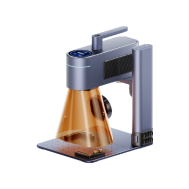


Jewellery customisation continues to grow across the UK, making laser engraving machines essential for both small workshops and established businesses. Modern systems offer high precision, fast performance, and compatibility with materials such as metals, plastics, and coated surfaces—perfect for engraving rings, pendants, and personalised gifts.
With so many options available, choosing the right machine in 2026 can be challenging. This guide highlights key factors including engraving quality, material compatibility, software usability, and laser performance, helping you confidently select the best solution for your jewellery business.

In this article:
Part 1: Benefits of a Laser Engraving Machine for Jewellery
A high-quality jewellery engraving machine can significantly improve both creative output and business efficiency. For users in the UK, especially those running home workshops or small jewellery businesses, laser engraving offers a reliable and scalable solution.
1. Compatible with a Wide Range of Materials
Unlike traditional engraving tools, laser engravers can work with a broad selection of materials commonly used in jewellery making, including:
- Precious metals such as gold, silver, and platinum
- Coated or anodised metals
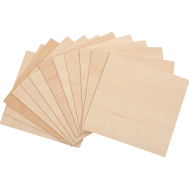
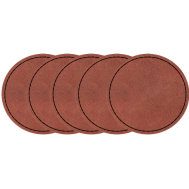
- Non-metal materials like plastic, wood, leather, and glass
This versatility allows UK jewellers to expand their product range without investing in multiple machines.
2. High-Precision Engraving
Laser engraving machines are known for their exceptional accuracy, making it possible to achieve:
- Clean, sharp lines
- Fine, readable micro text
- Complex patterns and detailed artwork
- QR codes and custom symbols
This level of precision is particularly important in high-end jewellery, where even the smallest detail can affect the perceived value of the piece.
3. Ideal for Complex Shapes and Surfaces
Laser technology can easily adapt to curved and uneven surfaces, making it perfect for engraving:
- Rings (including inner ring engraving)
- Bracelets and bangles
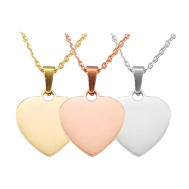
- Charms and pendants
- Metal tags
For UK users offering personalised jewellery services, this flexibility enables more creative and customised designs.
4. Efficient Batch Production
Modern laser engraving software allows users to:
- Save and reuse design files
- Apply templates across multiple items
- Process bulk orders quickly and consistently
This significantly improves workflow efficiency, making laser engravers suitable for both one-off personalised pieces and larger production runs.
5. Non-Contact Engraving for Surface Protection
Since laser engraving is a non-contact process, it does not physically touch the material. This means:
- No scratches or tool marks
- No deformation of delicate surfaces
- Consistent results on polished or reflective metals
For UK jewellers working with high-value or finely finished pieces, this ensures the final product maintains a premium appearance. For users in the UK, safety and indoor usability are key considerations. Machines equipped with protective enclosures or compatible with air purification systems are especially suitable for home studios, helping manage fumes and maintain a safe working environment.
Part 2: How a Jewellery Laser Engraving Machine Works
A jewellery laser engraving machine works by directing a highly focused beam of light onto the surface of a material. When the laser interacts with the jewellery, its energy generates heat, causing the material to vaporise, oxidise, or slightly melt in a controlled and precise manner.
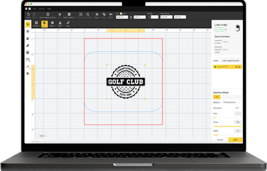
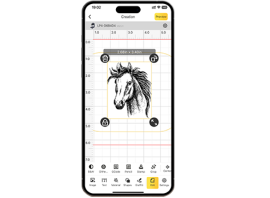
This process is managed by specialised software, which allows users to control key parameters such as engraving depth, line spacing, laser power, speed, and focus. As a result, a digital design is accurately translated into a physical engraving.
How the Process Works Step by Step
1. Design Preparation
Create your design using vector or image-based software, or upload an existing file into the engraving system.
For UK users, popular formats include SVG, DXF, and PNG for personalised jewellery designs.
2. Machine Settings Configuration
Adjust engraving parameters based on the material you are working with, including:
- Laser power
- Engraving speed
- Resolution (detail level)
Correct settings are essential for achieving clean and consistent results.
3. Laser Focusing
The machine uses precision lenses to focus the laser beam onto a specific point on the jewellery surface.
Proper focus ensures sharper lines and more accurate detailing.
4. Engraving Process
The laser follows the digital design path, marking the material with high precision.
This allows for intricate patterns, fine text, and detailed imagery—even on small jewellery pieces.
5. Post-Processing and Finishing
After engraving, the item may undergo additional finishing steps such as:
- Brushing
- Polishing
- Cleaning
These steps enhance contrast and improve the overall appearance of the final product.
For users in the UK, ease of use and software compatibility are important factors. Many hobbyists and small workshop owners prefer machines that integrate smoothly with intuitive software, reducing the learning curve and speeding up production.
Part 3: Main Types of Jewellery Engraving Machines
Choosing the right laser for jewellery engraving starts with understanding how different laser types perform across materials and use cases. Each type has its own strengths, so selecting the right one depends on your workflow, materials, and business goals.
Type 1: Fibre Laser Engravers for Jewellery
Fibre laser engravers are the top choice for engraving metal. Operating at around 1064 nm, they are highly effective on:
- Gold, silver, and platinum
- Titanium and stainless steel
- Other industrial and precious metals
They are capable of producing deep engravings, high-contrast dark markings, and extremely fast processing speeds.
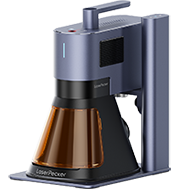
A machine like the LaserPecker LP5 can also engrave curved surfaces such as rings when paired with a rotary attachment, making it ideal for personalised jewellery services in the UK.
Fibre lasers are widely used by professional jewellers due to their durability, precision, and efficiency.
Type 2: Infrared Laser Engravers for Jewellery
Infrared (IR) lasers operate at a similar wavelength to fibre lasers but typically with lower power output. Instead of deep engraving, they mainly produce surface marking.
They are best suited for:
- Soft metals
- Plated or coated jewellery
- Thin or delicate materials
IR laser engravers, such as the LaserPecker LP4, offer a balance between quality and affordability.
For UK-based small workshops or custom engraving services, they provide reliable results without requiring a large investment.
Type 3: Diode Laser Engravers for Jewellery
Diode lasers typically operate at around 450 nm and are ideal for non-metal materials, including:
- Wood and bamboo
- Acrylic and resin
- Leather
- Coated metals
They are easy to use, budget-friendly, and widely adopted by hobbyists and small businesses across the UK.
While not suitable for engraving bare metals, diode lasers are perfect for creating custom jewellery pieces made from wood or acrylic, offering strong creative flexibility.
Type 4: CO2 Laser Engravers for Jewellery
CO2 lasers operate at a wavelength of 10,600 nm and are best suited for non-metal materials such as:
- Acrylic jewellery
- Glass pendants
- Leather accessories
- Wooden crafts
They can mark coated metals, but untreated metals usually require pre-processing.
For UK users focused on producing acrylic or glass jewellery in larger volumes, CO2 lasers provide clean, smooth finishes and efficient cutting capabilities.
Comparison Table: Choosing the Right Laser Type
| Laser Type | Best Materials | Precision | Depth Capability | Ideal User |
|---|---|---|---|---|
| Fibre Laser | Gold, silver, platinum, titanium, steel | ★★★★★ | ★★★★★ | Professional jewellers |
| Infrared Laser | Soft metals, coated metals, acrylic, plastic | ★★★★☆ | ★★★★☆ | Small studios |
| Diode Laser | Wood, acrylic, leather, coated materials | ★★★☆☆ | ★★☆☆☆ | Beginners, hobbyists |
| CO2 Laser | Acrylic, glass, wood, leather | ★★★★☆ | ★★★☆☆ | Acrylic jewellery makers |
Why Jewellers in the UK Should Choose a Dual-Laser Systems in 2026
An increasing number of UK jewellers are adopting dual-laser machines that combine multiple laser sources into a single compact unit.
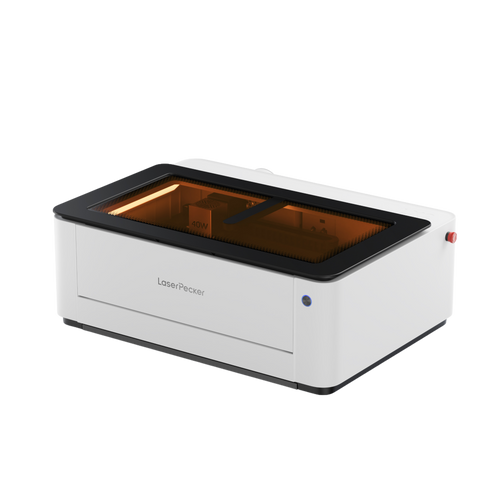
The LaserPecker LP5 is a strong example, featuring:
- 20W fibre laser (1064 nm) for metal engraving
- 20W diode laser (450 nm) for non-metal materials
This combination allows users to work across a wide range of materials, including:
- Metals (engraving)
- Plastics, leather, and coated surfaces
- Cutting materials such as:
- up to 15 mm plastic
- up to 20 mm wood
- up to 1 mm metal
Additional advantages include:
- High engraving speed (up to 10,000 mm/s)
- Support for 3D engraving
- Compatibility with rotary attachments (rings, bracelets)
- Integration with LightBurn and LaserPecker software
With its compact design and optional safety enclosure, it is well-suited for UK environments such as:
- Home workshops
- Retail stores
- Classrooms
- Small studios
For users looking for a single machine that offers versatility, speed, and precision, a dual-laser system like the LaserPecker LP5 is a highly practical investment.
Part 4: FAQs about Laser Engraving Machines for Jewellery
Q1. What laser is best for engraving jewellery?
For engraving metals such as gold, silver, platinum, titanium, and stainless steel, a fibre laser is the most effective option. It delivers high precision, deep engraving capability, and long-lasting contrast without damaging delicate surfaces.
If you also work with materials like acrylic, wood, or glass, a dual-laser system such as the LaserPecker LP5 offers greater flexibility for handling multiple materials in one machine.
Q2. Can you laser engrave 14k gold?
Yes, 14k gold can be engraved using fibre or infrared lasers. These lasers operate at wavelengths suitable for metals, allowing you to create:
- Deep engravings
- High-contrast markings
- Fine text and intricate designs
This makes them ideal for personalising rings, necklaces, bracelets, and charms with names, dates, or symbols.
Q3. Can you engrave inside a ring with a laser machine?
Yes, modern laser engraving machines can engrave the inside of rings with high precision.
Using a rotary attachment, the ring is held securely and rotated while the laser engraves the inner surface. Fibre lasers are particularly effective for achieving clean and consistent results on precious metals.
Q4. Which is better: CO2 or fibre laser?
Neither is universally better—they serve different purposes:
- Fibre lasers: Best for metal engraving (deep, precise, permanent)
- CO2 lasers: Best for non-metal materials such as wood, acrylic, leather, and glass
For UK jewellery businesses working with mixed materials, a dual-laser system can provide the best balance of versatility and efficiency.
Q5. Is laser engraving jewellery safe to use at home in the UK?
Yes, laser engraving can be safe for home use if proper precautions are taken. Many users in the UK prefer:
- Machines with protective enclosures (Class 1 safety)
- Proper ventilation or air purification systems
- Safety glasses when required
These features help ensure safe operation in home workshops or small studio environments.
Q6. How much does a jewellery laser engraving machine cost in the UK?
The cost can vary depending on the type and capability of the machine:
- Entry-level diode lasers: £200–£600
- Infrared or mid-range machines: £800–£2,000
- Professional fibre or dual-laser systems: £2,000+
For UK buyers, it's important to balance budget with long-term performance, especially if you plan to scale a jewellery business.
Conclusion
Choosing the right jewellery engraving machine in 2026 ultimately depends on the materials you work with and the level of detail your designs require.
Fibre lasers remain the preferred choice for engraving metal jewellery, offering precision, speed, and durability. Meanwhile, diode and CO2 laser systems are better suited for non-metal materials such as acrylic, wood, and glass.
For users in the UK looking for maximum flexibility, dual-laser machines such as the LaserPecker LP5 provide a compact and versatile solution. By combining multiple laser technologies in one system, they allow jewellers to handle a wide range of engraving tasks with efficiency and accuracy.
Investing in the right laser engraving machine can significantly improve your workflow, enhance product quality, and open up new creative and commercial opportunities.