










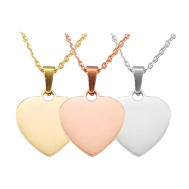





















Pet tags are no longer just decorative accessories — they play a vital role in pet safety and identification. A well-crafted tag can help reunite lost pets with their owners, display essential medical information, and reflect your pet's personality.
In this guide, we'll explore the best pet tag engraving machines available in 2026 and help you choose the right solution for your business or personal projects in the UK. You'll also discover why laser engraving machines stand out, which materials deliver the best results, and how the LaserPecker LP5 offers outstanding detail, speed, and precision for engraving pet tags.

In this article:
-
Part 1: 5 Types of engraving machines for pet tags
- Type 1: Laser engraving machine
- Type 2: Rotary engraving machine
- Type 3: Dot peen marking machine
- Type 4: Embossing / stamping machine
- Type 5: Handheld engraving pen
- Part 2: Why choose a laser engraving machine for pet tags
- Part 3: Best materials for laser engraved pet tags
- Part 4: Best pet tag engraving machine – LaserPecker LP5
- Part 5: FAQs about pet tag engraving machines
Part 1: 5 Types of Dog Tag Engraving Machines
Choosing the right dog tag engraving machine depends on several key factors, including the material you plan to use, your production volume, and your budget.
For buyers in the UK, space efficiency, plug compatibility, and ease of use are also important considerations—especially for home workshops and small engraving businesses.
Below is a breakdown of five common types of engraving machines and how they compare.
Type 1: Laser Engraving Machine
Laser engraving machines use a highly focused beam of light to engrave or cut materials with exceptional precision. They are widely used for materials such as stainless steel, aluminium, acrylic, and leather, making them a popular choice for modern pet tag businesses.
Why laser engravers are so popular:
- Produce highly detailed and precise engravings
- Fast processing speeds for higher productivity
- Capable of engraving images, QR codes, and fine text
- Long-lasting, wear-resistant markings
- Ideal for automated and scalable production
By 2026, laser engraving machines are expected to become the leading solution for pet tag engraving in the UK market.
Type 2: Rotary Engraving Machine
Rotary engraving machines use a rotating cutting tool to carve into the surface of the material. They were traditionally used for metal dog tags and trophy plates.
Advantages:
- Creates deep and durable engravings on metal
- Produces a traditional carved appearance
Limitations:
- Noisy during operation
- Slower compared to laser engraving machines
- Cutting bits wear out and require frequent replacement
- Limited ability to produce detailed images or complex designs
Many UK businesses are now switching to laser engraving machines due to their efficiency and versatility.
Type 3: Dot Peen Marking Machine
Dot peen machines engrave by striking the material surface with a hardened pin, creating a series of dots that form characters or patterns.
Advantages:
- Extremely durable markings suitable for industrial use
- Effective for batch marking on metal components
Limitations:
- Less visually appealing for pet tags
- Noisy and produces rough finishes
- Limited font styles and design flexibility
Dot peen marking is more commonly used for industrial identification rather than personalised pet tags.
Type 4: Embossing / Stamping Machine
Embossing or stamping machines apply pressure to imprint letters or numbers onto metal tags.
Advantages:
- Highly durable and consistent output
- Suitable for repetitive, high-volume production
Limitations:
- Very limited font and layout options
- Unable to engrave logos or detailed designs
- Tooling costs are high and inflexible
- Not suitable for customised products
As personalisation becomes more important in the UK market, stamping machines are becoming less popular.
Type 5: Handheld Engraving Pen
Handheld engraving pens—either electric or manual—allow users to engrave directly by hand.
Advantages:
- Affordable entry-level option
- Simple to operate
Limitations:
- Inconsistent engraving quality
- Low precision and control
- Not suitable for commercial production
- Difficult to achieve clean results on small tags
These tools are best suited for hobby use rather than professional pet tag engraving businesses.
Comparison of Engraving Machine Types
| Engraver Type | Precision | Best For | Speed | Ease of Use |
|---|---|---|---|---|
| Laser Engraver | ★★★★★ | Stainless steel, aluminium, titanium, coated metals | Fast | Easy |
| Rotary Engraving Machine | ★★★★☆ | Deep engraving on metal tags | Medium | Medium |
| Dot Peen Marking Machine | ★★★☆☆ | Industrial marking, serial numbers | Medium | Medium |
| Embossing / Stamping Machine | ★★★☆☆ | Bulk production, traditional tags | Very Fast | Easy to Medium |
| Handheld Engraving Pen | ★★☆☆☆ | DIY tags, soft metals | Slow | Hard |
Part 2: Why Choose a Laser Engraving Machine for Pet Tags
Laser engraving machines have become the preferred choice across the pet tag industry, thanks to their superior precision, speed, and versatility. Compared to traditional engraving methods, they deliver consistently higher-quality results with greater efficiency.
For businesses and hobbyists in the UK, laser engravers are especially valuable for offering fast, customised services in retail shops, home workshops, and online stores.
Unmatched Precision
Laser engravers produce exceptionally fine and accurate lines, making them ideal for engraving small surfaces such as pet tags.
- Clear engraving of phone numbers and names
- High readability even at small sizes
- Ability to engrave QR codes with precision
This level of detail is essential when working with limited space while maintaining clarity.
Speed and Efficiency
Laser engraving is significantly faster than mechanical engraving methods. Galvo-based laser systems can engrave a pet tag in just a few seconds.
This makes them ideal for:
- Pet shops offering same-day engraving services
- Retail kiosks in shopping centres
- Veterinary clinics providing on-the-spot customisation
- Online businesses handling high-volume orders
High-speed performance allows businesses to produce large quantities of tags per hour.
Versatility Across Materials
Laser engraving machines are compatible with a wide range of materials commonly used for pet tags:
- Stainless steel
- Aluminium
- Brass
- Titanium
- Acrylic
- Anodised metals
- Painted and coated surfaces
Whether engraving deep marks on metal or cutting custom shapes from acrylic, laser machines deliver clean and professional results.
High-Quality and Durable Results
Laser engravings are smooth, precise, and highly durable. They resist fading, wear, and environmental exposure such as rain, mud, and daily use.
This durability is particularly important in the UK, where pets are often exposed to wet outdoor conditions.
Advanced Customisation Options
Laser engraving offers far greater design flexibility compared to rotary or stamping methods.
You can easily create:
- Logos
- Icons and symbols
- Pet silhouettes
- QR codes
- Photos (with fibre or IR laser engraving)
- Decorative patterns and textures
This allows businesses to offer personalised products that meet the growing demand for customised pet accessories in the UK market.
Ease of Use
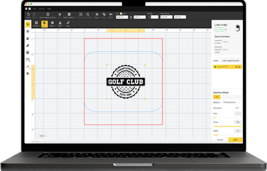
Modern laser engraving machines are designed with user-friendly software such as LightBurn, making them accessible even for beginners.
Users can:
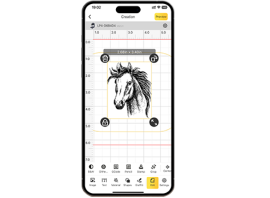
- Add and edit text quickly
- Adjust layouts and alignment
- Import images and graphics
- Fine-tune engraving settings
Compared to traditional machines, laser engravers require less training and setup time.
Cost-Effective in the Long Run
Although laser engraving machines may require a higher initial investment, they offer excellent long-term value:
- No need for frequent tool or bit replacement
- Suitable for both small batches and mass production
- Reduced labour time
- Minimal material waste
- Higher profit potential through customisation services
For many UK businesses, laser engravers quickly deliver a strong return on investment—especially in high-demand niches like personalised pet tags.
Part 3: Best Materials for Laser Engraved Pet Tags
Choosing the right material is essential for durability, appearance, and engraving quality. The material you select will affect how long the tag lasts, how clearly it can be engraved, and how well it performs in everyday use.
For pet owners and businesses in the UK, it's also important to consider outdoor conditions, as tags are often exposed to rain, mud, and frequent wear.
Below are some of the best materials for laser engraved pet tags and why they are widely used.
Acrylic
Acrylic is a popular choice for decorative and lightweight pet tags, especially for custom and colourful designs.
Key advantages:
- Wide range of colours, patterns, and finishes
- Easy to cut and shape with laser engraving machines
- Supports highly detailed and creative designs
- Lightweight, ideal for small pets
- Cost-effective for both individual and bulk production
Things to consider:
- More prone to scratches compared to metal
- Better suited for indoor pets or occasional use
Acrylic is perfect for stylish, personalised tags that focus on visual appeal.
Stainless Steel
Stainless steel is one of the most durable and reliable materials for pet tags, making it a top choice for long-term use.
Key advantages:
- Highly resistant to scratches and wear
- Corrosion-resistant and suitable for wet conditions
- Long-lasting performance
- Produces clear, high-contrast engravings
- Compatible with fibre and infrared laser engraving
For active pets in the UK—especially those frequently outdoors—stainless steel offers excellent durability and reliability.
Brass
Brass is known for its warm, classic appearance and is often used for premium or decorative pet tags.
Key advantages:
- Distinctive gold-like colour
- Strong contrast for engraved designs
- Softer than steel, allowing deeper engraving
- Ideal for vintage or elegant styles
Things to consider:
- Develops a natural patina over time
This ageing effect is often appreciated for its traditional aesthetic.
Aluminium
Anodised aluminium is a lightweight and versatile material commonly used for colourful pet tags.
Key advantages:
- Easy to engrave with excellent contrast
- Lightweight, suitable for small pets
- Available in a wide variety of colours and shapes
- Cost-effective for bulk production
Aluminium is especially popular among UK engraving businesses and gift shops offering bright and customisable designs.
Titanium
Titanium is a premium material that combines strength, durability, and comfort.
Key advantages:
- Extremely strong and corrosion-resistant
- Lightweight despite its strength
- Hypoallergenic, suitable for sensitive pets
- Compatible with fibre laser engraving for precise results
Titanium tags are often chosen for high-end products due to their durability and premium appearance.
Part 4: The Ideal Pet Tag Engraving Machine – LaserPecker LP5
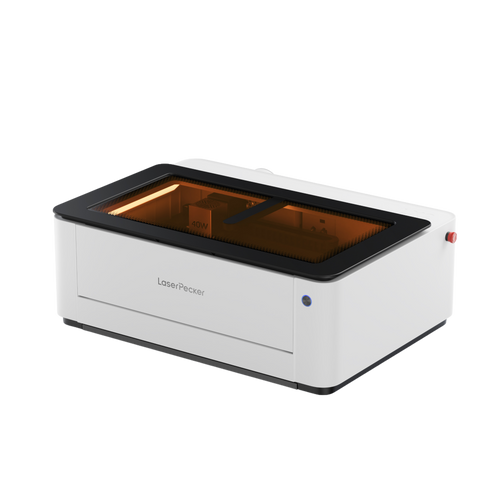
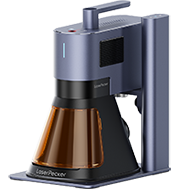
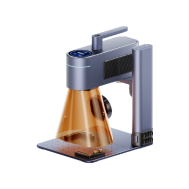
If you're running a pet shop, engraving business, or small enterprise in the UK, the LaserPecker LP5 Laser Engraver is a powerful and versatile solution for producing high-quality pet tags in 2026.
Designed for both beginners and professionals, the LP5 combines performance, flexibility, and compact design—making it ideal for retail environments, home workshops, and mobile engraving services.
What Makes the LP5 Ideal for Pet Tag Engraving?
The LP5 is a dual-laser system, featuring both a 20W fibre laser (1064 nm) and a 20W diode laser (450 nm) in a single compact machine.
This dual-laser capability allows users to engrave a wide range of materials with precision and efficiency.
1. Engraves All Common Pet Tag Metals
The 20W fibre laser module is optimised for metal engraving, including:
- Stainless steel
- Brass
- Aluminium
- Titanium
- Coated metals
It produces deep, high-contrast markings that remain clear and legible even after years of use—ideal for active pets in the UK.
2. Supports Acrylic and Non-Metal Materials
The 20W diode laser expands compatibility to non-metal materials such as:
- Acrylic
- Plastics
- Painted surfaces
- Wood and leather accessories
This makes the LP5 a complete solution for businesses offering both metal and decorative pet tags.
3. High-Speed Engraving for Commercial Use
With engraving speeds of up to 10,000 mm/s, the LP5 enables fast and efficient production.
- Engrave pet tags in under one minute
- Ideal for same-day services in pet shops
- Suitable for high-demand retail environments and online orders
This speed is especially valuable for UK businesses offering instant customisation services.
4. Engraving and Cutting in One Machine
The LP5 supports both engraving and cutting functions:
- Fibre laser: cuts up to 1 mm metal, allowing custom tag shapes
- Diode laser: cuts up to 12 mm basswood and 12 mm dark acrylic
This flexibility allows businesses to create unique, fully customised products rather than relying on pre-made tags.
5. Compact and Portable Design
The LP5 is designed to fit seamlessly into a variety of working environments:
- Pet shops and retail counters
- Craft markets and pop-up stalls
- Engraving kiosks
- Mobile pet tag services
Its lightweight and compact structure make it ideal for on-the-go engraving services across the UK.
6. Rotary Engraving Capability
With the optional rotary module, the LP5 can engrave:
- Round pet tags
- Cylindrical objects
- Edges and curved surfaces
This expands design possibilities and allows for more creative product offerings.
7. User-Friendly Software Compatibility
The LP5 works seamlessly with:
- LightBurn
- LaserPecker Design Space
Users can easily:
- Add and edit text
- Import graphics and images
- Adjust engraving parameters
This makes the LP5 suitable for beginners while still offering advanced control for professionals.
8. Safe for Indoor Use
With the optional safety enclosure, the LP5 can achieve Class 1 laser safety, making it suitable for indoor environments such as:
- Pet shops
- Shopping centre kiosks
- Classrooms
- Home workshops
For UK users, this is particularly important when operating in enclosed retail or residential spaces.
Why the LP5 Stands Out in 2026
The LaserPecker LP5 Laser Engraver combines versatility, speed, and precision in one compact and cost-effective machine.
- Covers all major pet tag materials
- Supports both engraving and cutting
- Enables high-speed, high-quality production
- Suitable for both beginners and professionals
For UK pet tag businesses, it represents a reliable all-in-one solution with strong return on investment.
Part 5: FAQs About Pet Tag Engraving Machines
1. What is the best engraver for metal dog tags?
For metal dog tags, a fibre laser engraver is the most effective choice. It produces clear, high-contrast, and long-lasting markings on materials such as stainless steel, brass, aluminium, and titanium.
If you need to work with both metal and non-metal materials, a dual-laser system like the LaserPecker LP5 Laser Engraver offers greater flexibility.
2. What is the difference between etching and engraving?
Etching removes only the surface layer of a material, resulting in a shallow mark. Engraving, particularly laser engraving, cuts deeper into the material, creating a more durable and long-lasting result.
For pet tags, engraving is the preferred option because it withstands scratches, chewing, and outdoor exposure.
3. Is it worth buying a laser engraving machine?
Yes, laser engraving machines are a worthwhile investment for most users.
They offer:
- Reduced labour costs
- No need for consumable tools
- Fast production speeds
- High-quality customisation
For UK pet shops, engraving businesses, and online sellers, a laser engraver can deliver a strong return on investment.
4. What materials are best for laser engraved pet tags?
The most popular materials include:
- Stainless steel (durable and weather-resistant)
- Aluminium (lightweight and colourful)
- Brass (classic and decorative)
- Acrylic (customisable and budget-friendly)
- Titanium (premium and long-lasting)
The best material depends on your pet's lifestyle and your design preferences.
5. How long does laser engraving last on pet tags?
Laser engraving can last for many years without fading or wearing off.
On durable materials like stainless steel or titanium, the engraving remains clear even with daily exposure to rain, mud, and physical wear—making it ideal for active pets in the UK.
6. Can I start a pet tag engraving business from home?
Yes, many people in the UK start pet tag engraving businesses from home using compact laser engraving machines.
Machines like the LaserPecker LP5 Laser Engraver are suitable for:
- Home workshops
- Small businesses
- Online custom product stores
With the right setup, you can offer personalised engraving services with low overhead costs.
Conclusion
Choosing the best pet tag engraving machine depends on several factors, including the materials you plan to engrave, your budget, and the level of detail required.
While rotary, stamping, and dot peen machines can still be used, laser engraving stands out for its superior precision, speed, durability, and ability to create highly customised designs.
Fibre laser systems remain the top choice for metal engraving, while diode and CO2 lasers are better suited for materials such as acrylic, wood, and glass.
A laser engraver delivers consistent, professional-quality results across a wide range of materials—whether you're engraving stainless steel for long-lasting tags, aluminium for vibrant designs, or titanium for premium products.
Among the latest solutions available, the LaserPecker LP5 Laser Engraver stands out as a powerful all-in-one option. Its dual-laser system, compact design, and industrial-level performance make it ideal for UK pet shops, small businesses, and mobile engraving services.
If you're looking to expand or upgrade your pet tag engraving business in 2026, the LP5 offers a reliable and future-ready solution.