





























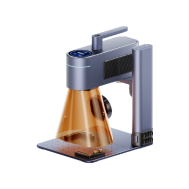


Part marking machines play a vital role in modern manufacturing, helping businesses create permanent identification marks on components and finished products. Whether you need to add serial numbers, QR codes, barcodes, logos, or traceability data, choosing the right marking technology can significantly affect marking quality, production efficiency, and long-term durability.
Several types of part marking machines are available, each offering different advantages depending on the material, production volume, and marking requirements.
In this guide, we'll explore the most common part marking technologies, compare their strengths and limitations, and explain why laser marking machines have become the preferred choice for many UK manufacturers and workshop owners.

In this article:
- Part 1: What Is a Part Marking Machine?
- Part 2: Main Types of Part Marking Machines
- Type 1: Inkjet Marking Machines for Parts
- Type 2: Dot Peen Marking Machines for Parts
- Type 3: Laser Marking Machines for Parts
- Part 3: Why Laser Marking Machines Are the Best Choice for Part Marking
- FAQs: About Part Marking Machines
Part 1: What Is a Part Marking Machine?
A part marking machine is a device used to create permanent markings on industrial components, parts, and finished products. These markings can include serial numbers, logos, barcodes, QR codes, batch numbers, product specifications, and traceability information.
Part marking is widely used across manufacturing, automotive, aerospace, electronics, medical devices, and other industrial sectors. Permanent identification helps businesses improve product tracking, inventory management, quality control, and regulatory compliance throughout a product's lifecycle.
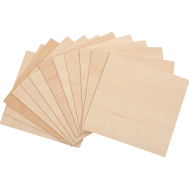
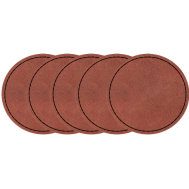
Different marking technologies support a wide range of materials, including metal, plastic, acrylic, coated surfaces, wood, and other industrial materials. The best machine depends on the material type, production volume, marking depth, and durability requirements.

Part 2: Main Types of Part Marking Machines
Several technologies are available for marking industrial parts and components. The right solution depends on factors such as production speed, marking durability, material compatibility, and the level of detail required.
The three most common types of part marking machines used by UK manufacturers are inkjet marking machines, dot peen marking machines, and laser marking machines. Each technology offers distinct advantages and limitations depending on the application.
Type 1: Inkjet Marking Machines for Parts
Inkjet marking machines create markings by spraying tiny droplets of ink directly onto a part's surface. They are commonly used to print serial numbers, expiry dates, barcodes, batch codes, and product information on production lines.
These systems are particularly popular in packaging, food processing, consumer goods, and high-volume manufacturing environments where fast marking speeds are essential. Inkjet technology can be used on materials such as plastic, metal, cardboard, glass, and coated surfaces.
Pros
- Ideal for High-Speed Production – Suitable for continuous marking on fast-moving production lines.
- Compatible with Various Materials – Can mark plastic, metal, glass, cardboard, and coated surfaces.
- Lower Initial Equipment Cost – Often requires a smaller upfront investment than some permanent marking systems.
Cons
- Markings May Fade Over Time – Ink can wear away, smear, or become less visible with prolonged use.
- Ongoing Consumable Costs – Regular ink replacement and maintenance increase operating expenses.
- Limited Durability – Markings may be affected by moisture, chemicals, UV exposure, or abrasion.
- Less Suitable for Long-Term Traceability – Not ideal where permanent identification is required.
Type 2: Dot Peen Marking Machines for Parts
Dot peen marking machines create markings by using a hardened metal stylus to strike the material surface repeatedly. These impacts form dots that combine to create text, serial numbers, logos, barcodes, and traceability information.
Because the marking is physically engraved into the material, dot peen systems are widely used on metal components in automotive, aerospace, engineering, and heavy manufacturing industries where durability is a priority.
Pros
- Highly Durable Markings – Resistant to wear, heat, chemicals, and harsh industrial environments.
- Suitable for Direct Part Marking (DPM) – Frequently used for traceability and asset identification.
- Works Well on Metal Components – Particularly effective for steel, aluminium, and other industrial metals.
Cons
- Limited Detail and Aesthetics – Fine graphics, detailed logos, and small QR codes can be difficult to reproduce.
- Produces Noise and Vibration – Mechanical impact creates noticeable operating noise.
- Contact-Based Process – Direct contact with the surface may not be suitable for delicate or finished parts.
- Slower for Complex Designs – Detailed marking often takes longer than laser-based methods.
Type 3: Laser Marking Machines for Parts
Laser marking machines use focused laser beams to create permanent markings without touching the material surface. They can produce serial numbers, QR codes, barcodes, logos, text, and highly detailed graphics with exceptional precision.
Laser marking technology has become increasingly popular among UK manufacturers because it combines speed, accuracy, durability, and flexibility in a single solution. Modern laser systems can mark a wide variety of materials, including metal, plastic, wood, leather, acrylic, coated surfaces, and many engineered materials.
For businesses looking for a reliable and low-maintenance marking solution, laser marking is often regarded as the most versatile option available.
Pros
- Exceptional Precision – Produces sharp text, logos, QR codes, Data Matrix codes, and intricate graphics.
- Non-Contact Marking Process – No physical contact means reduced wear and minimal material stress.
- Broad Material Compatibility – Suitable for metal, plastic, wood, leather, acrylic, coated materials, and more.
- Permanent and Durable Results – Resistant to fading, scratches, chemicals, heat, and everyday wear.
- No Ink or Consumables Required – Reduces maintenance and long-term operating costs.
- Excellent for Traceability Applications – Ideal for industrial identification and product lifecycle tracking.
Cons
- Material-Specific Laser Requirements – Different materials may require different laser sources for optimal performance.
Part 3: Why Laser Marking Machines Are the Best Choice for Part Marking
| Machine Type | Precision | Speed | Contact Method | Best Materials | Complex Design Capability | Marking Durability | Initial Investment |
|---|---|---|---|---|---|---|---|
| Inkjet Marking Machines | Medium | Very High | No | Plastic, Cardboard, Metal, Glass | Moderate | Medium | Low to Medium |
| Dot Peen Marking Machines | Medium | High | Yes | Metal | Limited | Very High | Medium |
| Laser Marking Machines | Very High | High | No | Metal, Plastic, Acrylic, Wood, Leather | Excellent | Very High | Medium to High |
Reason 1: Exceptional Precision and Fine Detail
Laser marking machines can produce highly detailed text, serial numbers, Data Matrix codes, QR codes, barcodes, logos, and graphics with outstanding clarity. This level of precision is particularly valuable for traceability applications and components with limited marking space.
Reason 2: Non-Contact Marking Process
Unlike dot peen systems, laser marking does not require physical contact with the material. This helps reduce material stress, eliminates tool wear, and allows delicate or finished parts to be marked without damage.
Reason 3: Permanent and Durable Results
Laser markings are highly resistant to scratches, heat, chemicals, moisture, and daily wear. This makes them ideal for industrial traceability, asset tracking, compliance marking, and long-term product identification.
Reason 4: Faster Design Changes and Production Flexibility
Because laser systems work directly from digital files, users can quickly update serial numbers, logos, QR codes, and product information without replacing tooling or modifying production equipment. This flexibility is especially valuable for short production runs, customised products, and on-demand manufacturing.
Reason 5: Wide Material Compatibility
Depending on the laser source, laser marking systems can process metal, plastic, acrylic, wood, leather, coated materials, and many engineered materials. A single machine can often handle multiple applications across different industries.
Reason 6: Cleaner Marking with Minimal Maintenance
Unlike inkjet systems, laser marking does not require ink, solvents, or other consumables. The process creates clean, accurate markings with little post-processing, helping reduce maintenance requirements and long-term operating costs.
Recommended Laser Marking Machine for Parts: LaserPecker LP5
For businesses and makers in the UK looking for a versatile marking solution, the LaserPecker LP5 combines industrial-grade marking performance with a compact desktop footprint.
Its dual-laser architecture enables high-quality marking across a wide range of materials, making it suitable for industrial identification, product traceability, branding, prototyping, and customised manufacturing projects.
- Dual-Laser Technology – Combines a 20W fibre laser and a 20W diode laser for marking metal, plastic, acrylic, wood, leather, coated materials, and more.
- High-Precision Marking – Produces sharp text, serial numbers, QR codes, barcodes, logos, and traceability markings.
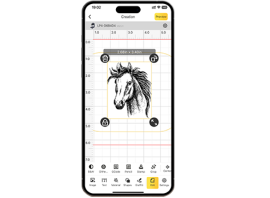
- Flexible Digital Workflow – Supports rapid design updates and repeatable production without changing physical tooling.
- Broad Material Compatibility – Suitable for stainless steel, aluminium, coated metals, plastic, acrylic, wood, leather, PLA, and many other materials.
- Compact Desktop Design – Ideal for workshops, studios, makerspaces, and small-scale manufacturing environments.
Enhanced Safety for Indoor Use
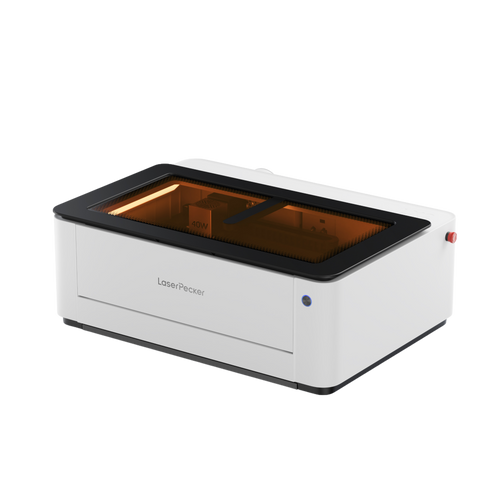
For UK users who operate in workshops, studios, or home-based production spaces, the LP5 can be paired with the LaserPecker LP5 Safety Enclosure, allowing the system to achieve Class 1 Laser Safety standards during operation.
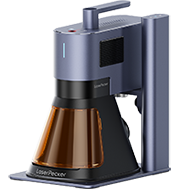
To further improve indoor working conditions, the LP5 can also be used alongside the LaserPecker Desktop Smoke Purifier, which helps filter fumes, airborne particles, and odours generated during engraving and cutting. This creates a cleaner and safer workspace for indoor use.

FAQs About Part Marking Machines
Q1: Is Laser Marking Permanent?
Yes. Laser marking is considered a permanent marking method because it alters the material surface directly rather than applying ink or labels on top of it.
Laser markings are highly resistant to scratches, chemicals, heat, moisture, and environmental wear, making them ideal for industrial traceability, asset tracking, and long-term product identification.
Q2: What Is the Best Marking Method for Metal Parts?
Laser marking is widely regarded as one of the best methods for marking metal parts due to its precision, durability, and ability to produce detailed QR codes, serial numbers, and logos.
Dot peen marking is also commonly used when deep mechanical markings are required. However, laser marking generally provides cleaner results and greater design flexibility.
Q3: How Much Does a Part Marking Machine Cost?
The cost of a part marking machine varies depending on the marking technology, laser power, marking area, automation features, and production capacity.
Although laser marking machines typically require a higher initial investment than inkjet systems, they often reduce long-term operating costs because they require fewer consumables and less maintenance.
Q4: Can One Machine Mark Multiple Materials?
Yes. Many modern laser marking systems support multiple materials, especially dual-laser machines.
For example, the LaserPecker LP5 combines fibre and diode laser technologies, allowing users to mark both metal and non-metal materials with a single machine.
Q5: Can Laser Marking Machines Create QR Codes and Barcodes?
Yes. Laser marking machines are widely used to create permanent QR codes, barcodes, Data Matrix codes, serial numbers, and other traceability markings.
Because laser markings offer excellent contrast and durability, they are commonly used in manufacturing, engineering, automotive, and electronics industries where accurate product tracking is essential.
Q6: Are Laser Marking Machines Safe for Indoor Use?
Yes, when appropriate safety measures are used.
For UK workshops, studios, and small production environments, the LaserPecker LP5 can be paired with the LaserPecker LP5 Safety Enclosure to achieve Class 1 Laser Safety during operation. Users can also add the LaserPecker Desktop Smoke Purifier to help filter fumes, particles, and odours generated during engraving and cutting, creating a cleaner indoor workspace.
Conclusion
Choosing the right part marking machine depends on your materials, production requirements, and durability expectations. Inkjet systems are ideal for high-speed coding, while dot peen machines are well suited to permanent marking on metal components.
For businesses seeking a combination of precision, versatility, and long-lasting results, laser marking remains the most advanced option. For UK manufacturers, workshops, and makers, the LaserPecker LP5 offers an efficient solution for marking both metal and non-metal materials, with the flexibility to support industrial traceability, branding, and customised production projects.