





























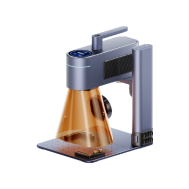


Bottle engraving machines make it easy to create permanent names, logos, artwork, dates, and personalised designs on glass bottles, stainless steel bottles, ceramic drinkware, tumblers, and other containers. With several engraving technologies available, choosing the right machine depends on your materials, budget, production volume, and desired finish.
Some methods are better suited for industrial marking, while others excel at custom gifts and small businesses. In this guide, we compare the three main types of bottle engraving machines, explain their advantages and limitations, and show why laser engraving machines are often the best solution for precise, efficient, and high-quality bottle engraving.

In this article:
- Part 1: What Is a Bottle Engraving Machine
- Part 2: 3 Types of Bottle Engraving Machines
- Type 1: Rotary Engraving Machines for Bottles
- Type 2: Sandblasting Machines for Bottles
- Type 3: Laser Engraving Machines for Bottles
- Part 3: Why Laser Engraving Machines Are the Best Choice for Bottle Engraving
- FAQs: Common Questions About Bottle Engraving Machines
Part 1: What Is a Bottle Engraving Machine?
A bottle engraving machine is designed to permanently engrave names, logos, text, patterns, dates, and custom artwork onto the surface of bottles and drinkware. It is widely used for personalised gifts, branded merchandise, wedding favours, promotional products, and bespoke packaging, making it a practical solution for both hobbyists and businesses.
Bottle engraving can be applied to a wide range of materials, including glass perfume bottles, stainless steel flasks and tumblers, aluminium bottles, ceramic bottles, and coated drinkware. Depending on the material, production volume, and desired finish, users can choose from rotary engraving, sandblasting, CNC engraving, or laser engraving technologies, each with its own advantages and limitations.
Compared with printed labels or adhesive stickers, engraved designs are far more durable and resistant to wear. The result is a premium finish that will not easily fade or peel, making engraving an excellent choice for long-lasting personalisation and commercial branding.
For round or curved bottles, many engraving systems use a rotary attachment that rotates the bottle during the engraving process. This keeps the design accurately aligned across the curved surface and ensures consistent, high-quality results from start to finish.

Part 2: 3 Types of Bottle Engraving Machines
There are several ways to engrave bottles, and each method offers different strengths in terms of engraving quality, production speed, operating costs, and material compatibility. Whether you're creating personalised gifts, branded drinkware, promotional products, or running a small business, understanding the differences can help you choose the right solution.
The three most common bottle engraving technologies are rotary engraving, sandblasting, and laser engraving. Below, we'll compare how each method works, along with its key advantages and limitations.
Type 1: Rotary Engraving Machines for Bottles
Rotary engraving machines use a spinning cutting tool to physically carve text, logos, names, and graphics into the bottle surface. They are commonly used for metal bottles, coated drinkware, industrial nameplates, and certain hard plastics.
When engraving cylindrical bottles, a rotary attachment or fixture is typically required to rotate the workpiece during operation, helping maintain accurate positioning and consistent engraving around curved surfaces.
Rotary engraving produces permanent markings with noticeable depth, particularly on metal and coated materials. However, because the cutting tool makes direct contact with the surface, it is less suitable for delicate glass bottles or thin-walled containers that may crack or chip under mechanical pressure.
Pros
- Produces durable engravings that resist fading and peeling
- Allows controlled engraving depth for visible cuts and textured finishes
- Suitable for metals and coated materials that require deep marking
Cons
- Contact-based process can cause vibration, slipping, or surface damage
- Not ideal for fragile glass bottles or thin containers
- Fine text and intricate graphics are more difficult to reproduce accurately
- Cutting bits wear over time and require regular replacement and maintenance
Type 2: Sandblasting Machines for Bottles
Sandblasting engraves bottles by directing high-pressure abrasive particles onto exposed areas of the surface through a stencil or masking film. The process creates frosted logos, text, decorative patterns, and custom artwork with a distinctive etched appearance.
It is particularly popular for glass bottles, wine bottles, whiskey bottles, perfume bottles, and decorative drinkware where a traditional frosted finish is preferred.
Because no cutting tool contacts the bottle directly, sandblasting is generally gentler on glass than rotary engraving. However, it requires additional equipment such as compressors, abrasive media, protective equipment, and custom stencil preparation, making the workflow more time-consuming.
Pros
- Creates an elegant frosted engraving effect on glass
- Produces long-lasting designs that resist fading and peeling
- Well suited to decorative and premium glass products
Cons
- Every design requires stencil preparation before engraving
- Dust and abrasive residue increase cleaning requirements
- Complex graphics and very small text are less precise than laser engraving
Type 3: Laser Engraving Machines for Bottles
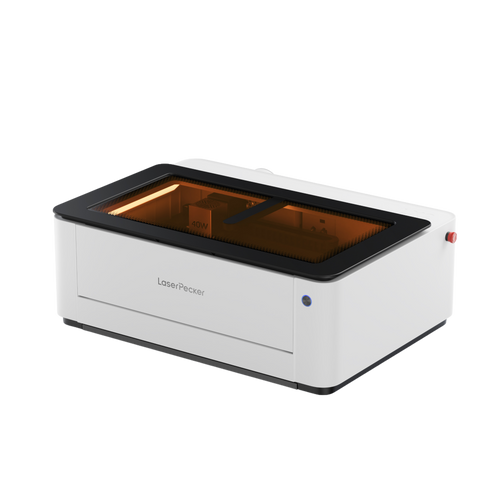
Laser engraving machines use focused laser beams to permanently engrave names, logos, photographs, QR codes, patterns, and custom artwork without physically touching the bottle surface. This contact-free process has become one of the most versatile solutions for personalised drinkware, promotional products, wedding gifts, and small business production.
Laser engraving is compatible with glass bottles, stainless steel bottles, coated tumblers, aluminium bottles, ceramic bottles, and many other materials. When working with cylindrical objects, a rotary attachment rotates the bottle automatically to ensure precise alignment throughout the engraving process.
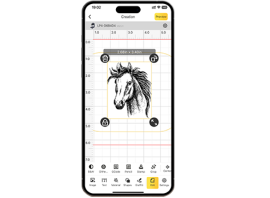
Compared with rotary engraving and sandblasting, laser engraving offers a faster digital workflow with significantly greater design flexibility. Users can import vector graphics, logos, photographs, serial numbers, or QR codes directly into the software without creating physical stencils or replacing cutting tools.
Pros
- High precision for detailed text, logos, graphics, and photo engraving
- Non-contact processing minimises vibration and mechanical stress
- Compatible with a wide range of bottle materials
- Excellent choice for personalised gifts, branded products, and small-batch production
- Fast digital workflow with minimal setup between designs
Cons
- Higher upfront investment than manual engraving methods
- Most round bottles require a rotary attachment for optimal results
Overall: For most users, especially creators, gift businesses, and custom engraving workshops in the UK, laser engraving offers the best balance of quality, efficiency, flexibility, and long-term value, making it the preferred technology for bottle personalisation.
Part 3: Why Laser Engraving Machines Are Best for Bottle Engraving?
| Machine Type | Precision | Speed | Best Materials | Complex Design Capability | Durability of Engraving |
|---|---|---|---|---|---|
| Rotary Engraving Machines | Medium | Medium | Metal Bottles, Coated Bottles, Hard Plastic | Moderate | Very High |
| Sandblasting Machines | Medium to High | Medium | Glass Bottles, Decorative Glassware | Good | Very High |
| Laser Engraving Machines | Very High | High | Glass, Stainless Steel, Coated Tumblers, Aluminium, Ceramic | Excellent | High |
When comparing the three major bottle engraving technologies, laser engraving machines provide the best overall combination of precision, efficiency, flexibility, and material compatibility. Rotary engraving delivers deep, durable marks but can place mechanical stress on delicate glass, while sandblasting creates attractive frosted effects at the expense of extra preparation, stencil production, and clean-up.
Laser engraving streamlines the entire process by allowing users to import names, logos, photographs, QR codes, and vector artwork directly into the software. The result is fast, repeatable production with minimal setup, making it ideal for personalised orders and business applications alike.
Reason 1: Exceptional Precision for Personalised Designs
Laser engraving produces crisp text, intricate logos, monograms, decorative patterns, photographs, and fine details with outstanding accuracy. Whether engraving wine bottles, branded drinkware, or bespoke gifts, the technology delivers a professional finish that is difficult to achieve with mechanical methods.
Reason 2: Non-Contact Engraving Protects Delicate Bottles
Unlike rotary engraving, laser engraving never requires a cutting tool to touch the surface. The contact-free process reduces vibration, eliminates tool wear, and lowers the risk of damaging fragile glass bottles or curved drinkware.
Reason 3: Compatible with a Wide Range of Bottle Materials
Depending on the laser source and settings, laser engraving machines can process glass bottles, stainless steel bottles, coated tumblers, aluminium bottles, ceramic bottles, and many other materials, giving creators and businesses far greater flexibility from a single machine.
Reason 4: Excellent Performance on Curved Bottles
When paired with a rotary attachment, laser engraving systems can automatically rotate cylindrical bottles during processing. This keeps artwork accurately aligned around curved surfaces and ensures cleaner, more consistent engraving results.
Reason 5: Ideal for Personal Projects and Commercial Production
From one-off gifts to branded merchandise, corporate drinkware, event products, and small-batch manufacturing, laser engraving offers repeatable quality and efficient digital workflows that scale with demand.
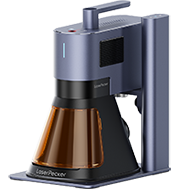
Recommended Bottle Engraving Machine: LaserPecker LP4
For users in the UK looking for a compact yet powerful bottle engraving solution, the LaserPecker LP4 offers an excellent balance of versatility and ease of use. Its dual-laser system combines a 10W diode laser with a 2W infrared laser, allowing it to engrave a broad range of bottle materials and surface finishes from a single desktop machine.
For bottle personalisation, the LP4 can engrave names, logos, dates, monograms, decorative patterns, and custom artwork with impressive precision. When combined with a rotary attachment, it maintains accurate positioning on round bottles and delivers consistent engraving across curved surfaces.
-
Dual-Laser Technology for Multiple Materials:
The integrated 10W diode laser is suitable for tinted glass, colour-glazed ceramics, wood, leather, acrylic, and coated surfaces, while the 2W infrared laser performs exceptionally well on metals, plastics, leather, and painted or coated materials. -
Supports Rotary Engraving:
Compatible with a rotary attachment, making it easy to engrave bottles, tumblers, cups, and other cylindrical drinkware with improved positioning accuracy. -
High-Speed Galvo System:
Engraving speeds of up to 4,000 mm/s help accelerate personalised production and improve efficiency for gift businesses and small workshops. -
Outstanding Detail:
Capable of producing fine text, logos, dates, monograms, decorative graphics, and other intricate bottle designs with high repeatability. -
Compact and Workspace-Friendly:
Its portable footprint makes it suitable for home studios, craft businesses, retail personalisation services, and small creative workshops across the UK. -
Enhanced Safety for Indoor Use:
When paired with the LaserPecker Standard Enclosure, the LP4 operates with Class 1 Laser Safety, making it more suitable for enclosed indoor environments. For users working from home studios or retail spaces, combining the LP4 with the LaserPecker Desktop Smoke Purifier helps filter fumes and odours generated during engraving and cutting, creating a cleaner and more comfortable workspace.

FAQs: Common Questions About Bottle Engraving Machines
Q1: What bottles can be engraved?
Bottle engraving machines can be used on a wide variety of drinkware and containers, including glass bottles, wine bottles, whiskey bottles, stainless steel tumblers, aluminium bottles, ceramic bottles, coated bottles, insulated drinkware, and many promotional products. The materials a machine can engrave depend on the engraving technology and laser type.
Q2: Is bottle engraving permanent?
Yes. Unlike printed labels or stickers, engraving permanently alters the bottle surface rather than adding a coating on top. Properly engraved designs are highly resistant to fading, peeling, moisture, and everyday washing, making them ideal for long-term personalisation and branding.
Properly engraved bottles are resistant to fading, peeling, and normal washing conditions.
Q3: Do you need a rotary attachment for bottle engraving?
In most cases, yes. A rotary attachment rotates round or curved bottles during engraving to keep the design correctly aligned. It is particularly useful when engraving tumblers, wine bottles, flasks, and other cylindrical drinkware with a laser engraving machine.
They are especially useful for laser engraving machines when working on tumblers, wine bottles, cups, and cylindrical drinkware.
Q4: Can one laser engraving machine work on different bottle materials?
Yes. Many modern laser engravers support multiple materials depending on their laser source. For example, the LaserPecker LP4 combines diode and infrared lasers, allowing users to engrave coated drinkware, metal bottles, tinted glass, ceramic surfaces, and more with a single machine.
Q5: What is the best engraving method for glass bottles?
For most users, laser engraving offers the best balance of precision, speed, and ease of use for glass bottles. While sandblasting produces a classic frosted finish, laser engraving requires less preparation and allows highly detailed customisation without creating physical stencils.
Q6: Can I start a bottle engraving business from home in the UK?
Yes. Many home-based creators and small businesses use compact laser engraving machines for personalised bottles, gifts, and promotional products. When paired with the LaserPecker Standard Enclosure, the LP4 operates with Class 1 Laser Safety, and using the LaserPecker Desktop Smoke Purifier helps filter fumes and odours, making indoor operation cleaner and more suitable for home workshops.
Conclusion
Bottle engraving machines provide an effective way to create permanent names, logos, patterns, and personalised designs on glass, metal, ceramic, and coated drinkware. While rotary engraving and sandblasting each have their own strengths for specific applications, laser engraving machines stand out as the most versatile solution for both hobbyists and businesses.
With exceptional precision, fast digital workflows, broad material compatibility, and support for custom projects of all sizes, laser engraving machines make it easier to produce high-quality engraved bottles with consistent results. Whether you're creating one-off gifts or growing a personalised product business in the UK, they offer the best balance of efficiency, flexibility, and long-term value.