































Backpacks aren't just for carrying books or gear—they're a great way to show off your personality. Customising a backpack lets you move away from generic designs, refresh an old favourite, or create something that feels truly yours. Whether you're into DIY crafts, heading to school, or simply enjoy personal style, there are plenty of ways to make your backpack stand out.
In this guide, we'll walk through five practical methods to customise a backpack. You'll learn how techniques like laser engraving can create clean, eye-catching designs, what common mistakes to avoid, and get clear answers to frequently asked questions.

In this article:
- Part 1: Five Ways to Customise a Backpack
- Method 1: Dyeing
- Method 2: Laser Engraving
- Method 3: Sewing
- Method 4: Embroidery
- Method 5: Duct Tape Designs
- Part 2: How to Customise a Backpack by Laser Engraver
- Part 3: Best Laser Engraver to Customise Backpack
- Part 4: Common Mistakes to Avoid for Customising a Backpack
- Part 5: FAQs about Customising a Backpack
Part 1: Five Ways to Customise a Backpack
Want to make your backpack stand out? There are plenty of simple ways to give it a custom look—some quick and budget-friendly, others more polished and long-lasting. The best method depends on your backpack's material, your skill level, and the style you're aiming for.
From easy colour updates to professional finishes like laser engraving, here are five practical ways to personalise a backpack.
Method 1: Customise Backpack via Dyeing
Dyeing is an easy way to completely change the look of a backpack. Techniques like tie-dye, ombré fades, or solid colours work especially well on cotton or canvas backpacks. You can use tape or stencils to add letters, shapes, or graphic elements.
This method is affordable, beginner-friendly, and ideal for refreshing an old or faded backpack with bold colour and personality.
Method 2: Customise Backpack via Laser Engraving
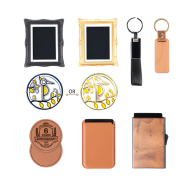
Laser engraving uses controlled heat to permanently mark designs into the surface of a backpack. It works well on leather, faux leather, coated fabrics, canvas, and even small metal components such as zipper pulls, buckles, or nameplates.
You can engrave names, initials, logos, quotes, or detailed artwork on panels, straps, patches, or accessories. The result is clean, precise, and highly durable—perfect for professional-looking customisation that won't peel, crack, or fade.
Method 3: Customise Backpack via Sewing
Sewing allows you to add patches, fabric panels, extra pockets, or reinforce high-wear areas. It's both decorative and functional, helping extend the lifespan of your backpack while adding personal style.
You can stitch initials, symbols, or custom designs, making this method ideal for both creativity and durability.
Method 4: Customise Backpack via Embroidery
Embroidery adds texture and colour to fabric backpacks. It can be done by hand for detailed designs or by machine for faster results. Popular options include initials, logos, floral patterns, or custom artwork.
Embroidery pairs well with other methods, such as sewing or laser engraving, for more layered and creative designs.
Method 5: Customise Backpack with Duct Tape Designs
Duct tape is a fast, low-commitment way to customise a backpack. With a wide range of colours and patterns available, you can create stripes, shapes, or layered designs to highlight zips or pockets.
It's inexpensive, removable, and works on almost any surface—ideal for experimenting with different looks without permanent changes.
Comparison Table
| Method | Durability | Difficulty | Materials Best For | Unique Benefit |
|---|---|---|---|---|
| Dyeing | Medium | Easy | Cotton, canvas | Bold colour changes |
| Laser Engraving | Very High | Moderate | Leather, faux leather, coated fabrics, canvas, metal parts (zipper pulls, nameplates, buckles) | Permanent, precise designs |
| Duct Tape | Low–Medium | Easy | Any backpack surface | Quick, removable customisation |
| Sewing | High | Moderate | Fabric, mixed textiles | Adds function and strength |
| Embroidery | High | Harder | Fabric, canvas | Textured, decorative finish |
Part 2: How to Customise a Backpack by Laser Engraver
Laser engraving is an effective way to personalise a backpack with clean, long-lasting results. By choosing suitable materials and setting up the engraver correctly, you can create designs that look professional and stay intact over time. Follow these steps to achieve accurate and consistent engraving.
1. Choose the Right Area to Engrave
Leather, faux leather, and canvas backpacks are ideal for laser engraving. Common engraving areas include the main panel, straps, removable patches, or labels. Small metal components such as zips, nameplates, or buckles can also be engraved.
2. Prepare the Design File
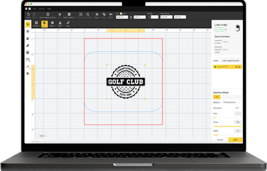
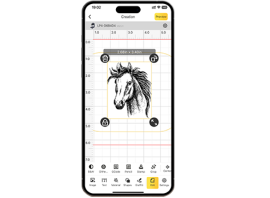
For sharp, scalable outlines, use vector files such as SVG or DXF. For filled designs like logos, text, or images, high-resolution PNG or JPG files work well. Free tools like Inkscape or Canva are suitable for basic design work. If you're using a LaserPecker laser engraver, LaserPecker Design Space or LightBurn offers reliable design and control options.
3. Clean Up
Wipe down the area you're hitting with the laser. You want to get rid of any grime that might mess things up.
4. Adjust Laser Settings
Set the appropriate power and speed based on the backpack material. For leather, use moderate power to achieve dark, clear markings without burning through the surface.
5. Double-Check Placement:
Use the preview or trace function to confirm correct placement before engraving.
6. Start Engraving:
Run the engraving process and allow the laser to create the design with consistent depth and clarity.
7. Clean Up:
Remove any remaining debris and inspect the engraving for accuracy and finish.
Laser engraving produces permanent designs that won't fade, peel, or wash away. Because the design is etched into the surface, the backpack remains smooth, lightweight, and durable.

Part 3: Best Laser Engraver to Customise Backpack You Can't Miss out
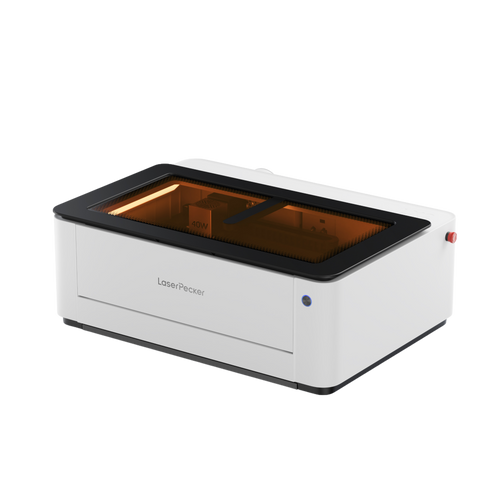
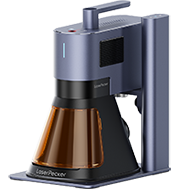
You have a lot of choices when it comes to laser engravers, but some are better than others for backpack customisation. The LaserPecker LP5, which is well suited for engraving both backpack fabrics and metal accessories with high precision.
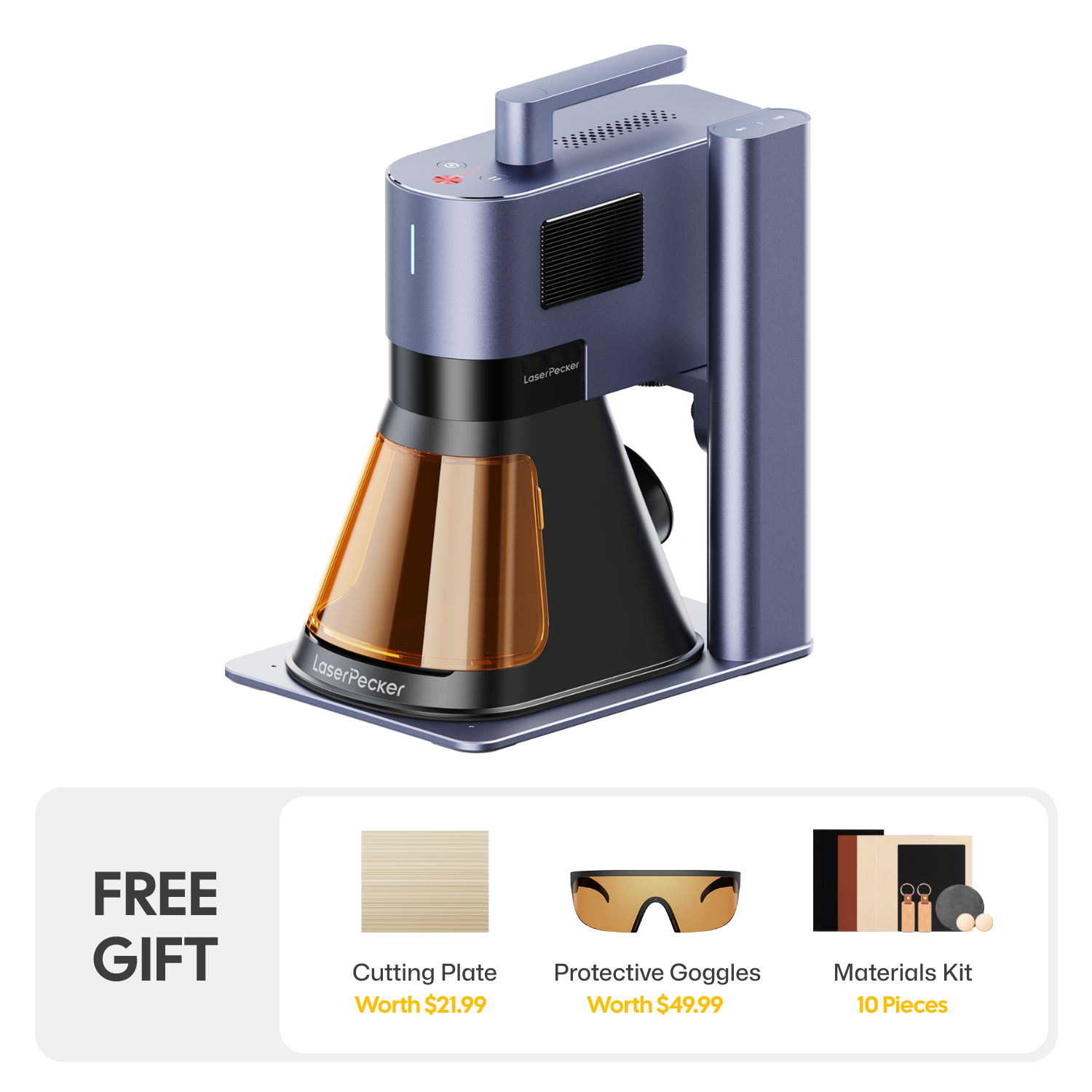
The LP5 features a dual-laser system, allowing it to engrave metals as well as non-metal materials. This makes it ideal for customising leather, faux leather, canvas, wood, stainless steel, aluminium, and even glass. You can engrave detailed artwork, logos, and text, and also achieve deeper engravings or raised 3D-style effects for a more premium finish.
Despite its compact size, the LP5 supports expandable work areas, making it practical for engraving backpack panels, straps, patches, and metal components such as buckles or nameplates. It can also cut materials like acrylic and wood, while the fibre laser is capable of cutting thin sheets of brass, stainless steel, aluminium, and titanium.
Its portability makes it suitable for home studios, small workshops, or on-the-go customisation work, especially for creators working on bags and accessories.

Why Choose the LaserPecker LP5?
The LaserPecker LP5 delivers clean, long-lasting engraving results with professional-level precision. It performs equally well on metal and non-metal materials, making it highly versatile for backpack customisation. Its fast engraving speed allows you to complete single projects or small batches efficiently.
The LP5 supports deep engraving, fine detail work, and accurate cutting, helping you achieve both decorative and functional designs. Its compact and portable design makes it easy to use in limited spaces, while optional accessories allow engraving on curved objects. Compatibility with popular design software ensures accurate alignment before engraving, and with an enclosed safety box, it can be safely used indoors.
Part 4: Common Mistakes to Avoid for Customizing a Backpack
Laser engraving and other customisation methods can transform a backpack, but small mistakes can quickly ruin the result. Understanding common pitfalls will help you save time, materials, and effort while achieving a clean, professional finish.
1. Material Matters
Not all backpacks are suitable for every customization method. For example:
- Dyeing works best on cotton, canvas, and other natural fibres. Synthetic fabrics such as polyester often absorb colour unevenly or not at all.
- Laser engraving is best suited for leather, faux leather, coated fabrics, canvas, and metal accessories like zipper pulls, nameplates, or buckles. Avoid thin nylon or delicate fabrics, which may burn or fray.
- Sewing and embroidery work well on fabric and mixed textiles, but very thin or stretchy materials can tear if handled incorrectly.
- Duct tape adheres to most surfaces, but thick layers can interfere with seams, straps, or pockets.
Always match the customisation method to the backpack material to prevent damage.
2. Keep It Simple
Using too many colours, patterns, or techniques can make a backpack look cluttered. Clean, simple designs often look more intentional and last longer stylistically.
3. Function First
Large patches, dense embroidery, or tape placed over zips and pockets can reduce functionality. Make sure your customisation doesn't block access to compartments or affect comfort.
4. Clean It Up
Before dyeing, painting, or engraving, clean the backpack thoroughly. Dirt, oil, or residue can lead to uneven colour or poor engraving results.
5. Try It Out
Always test dyes, paints, stitches, or laser settings on a hidden area before committing. A small test can prevent permanent mistakes.
Part 5: FAQ about Customising a Backpack
Q1. How long does backpack dye last?
Dyeing cotton or canvas can last ages if you set the color using heat and treat it right. Synthetic fabrics? Not so much. Washing it all the time or too much sun? Fading is coming. Use protective sprays or wash gently to keep those colors popping.
Q2. Is embroidery easy if you're just starting?
Hand embroidery calls for some chill and basic sewing know-how. If you're just starting, try initials or simple things. Embroidery machines can make it a breeze. They are reliable and produce professional stuff. Plus, hard designs are doable without tons of practice.
Q3. Which backpack customisation method lasts the longest?
Laser engraving is the most durable option. Because it permanently alters the surface, it won't peel, crack, or fade. Embroidery and sewn patches are also long-lasting when done properly, while dyeing and duct tape designs are less permanent.
Conclusion
Making your backpack your own is a fun and creative idea. Whether you choose tape for a quick update, dye for a complete transformation, or laser engraving for a long-lasting finish, there's a customisation method to suit everyone. The key is to choose an approach that works with your backpack's fabric. By avoiding a few common mistakes, you can create a truly one-of-a-kind bag that reflects your personality and style.