
































Phone charms are a simple and creative way to personalise your phone while making it easier to identify or carry. From minimalist designs to colourful, decorative styles, phone charms let you express your personality in a small but meaningful way.
They remain popular as DIY projects, personalised gifts, and even small handmade products to sell. Learning how to make a phone charm at home is straightforward, affordable, and enjoyable—perfect for beginners and craft enthusiasts alike.

In this article:
Part 1: What is a Phone Charm & Why Make One?
What is a phone charm?
A phone charm is a small decorative accessory attached to a phone case, usually through a strap hole or loop. It can be made from beads, pendants, initials, laser-cut shapes, or small trinkets, and is often used to reflect personal style or identity.
Why make a phone charm?
People choose to make phone charms for several practical and creative reasons:
- Personalisation: A handmade charm adds a personal touch and helps make a phone feel unique.
- Fashion: Phone charms can complement outfits or follow seasonal and style trends.
- Gifting: A custom phone charm makes a thoughtful and personalised gift.
- Selling: Handmade and customised phone charms are popular items for online shops and craft markets.
Part 2: Top 2 Methods to Make a Phone Charm
When it comes to making phone charms, two methods stand out for their practicality and popularity. The first is the traditional bead-and-string approach, which is affordable, simple, and suitable for beginners. The second method uses laser engraving and cutting, offering high precision and professional-quality results—ideal for creative projects or small-scale businesses.
Method 1: Make a phone charm with string & beads (Traditional Way)
Making a phone charm using string and beads is straightforward and beginner-friendly. You can use elastic cord, nylon thread, or string, then add beads, pendants, or small charms. Plastic beads are ideal for playful designs, while glass beads create a more refined look. Letter beads can be used to spell names or short messages. Once assembled, tie a secure knot and form a strong loop to attach the charm to a phone case.
Advantages:
This method is low-cost and does not require specialised tools. It allows full creative freedom with colours, shapes, and textures. Because it is entirely handmade, charms can be customised to suit different moods, outfits, or themes. It is also a relaxing craft, well suited to beginners and hobbyists.
Tips:
- Pick a string or elastic cord that can take a beating and won't break easily.
- Mix it up with beads that feel and look different – some shiny, some not!
- Throw on some little charms or initials to make it your own.
- Tie that loop up tight with a double knot, so it stays put on your phone.
Method 2: Make a Phone Charm with a Laser Engraver & Cutter (Modern Way)
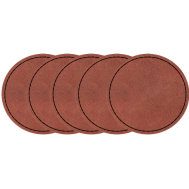
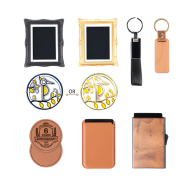
Laser engraving and cutting offer a more advanced way to create phone charms. Designs are created digitally and then engraved or cut into materials such as wood, acrylic, leather, or metal. Laser cutting produces clean, sharp edges, while engraving allows for fine details like patterns, initials, or logos. This method offers flexibility and consistent results across a wide range of materials.
Advantages:
Laser engraving and cutting produce polished, professional-looking charms. Designs can be easily repeated or customised with high accuracy. Unlike paint or stickers, engraved details are permanent and do not fade or peel, making this method suitable for personalised gifts, small business products, or long-lasting keepsakes.
Tips:
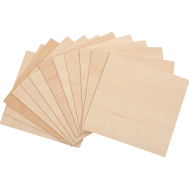
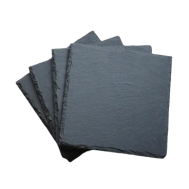
- Start by picking out some flat stuff to cut, like wood, acrylic, or leather. To hook your finished pieces onto cords, use jump rings or split rings. They're your best bet.
- Give those edges a good sanding to get rid of any rough spots.
- Think about stacking up layers of laser-cut shapes for some cool 3D looks.
For cutting and engraving: It slices through things like basswood and acrylic cleanly, so you can whip up cool shapes and layered designs without a problem.
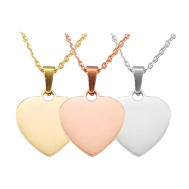
For metal engraving: Go for it with stainless steel or aluminum. It gives your charms a modern and lasting look that's super cool.
Once you're all set, just hook up some jump rings or clasps to hang your pieces on cords or beads. Laser etchings last way longer than paint or stickers—they won't fade or peel. This makes them great for presents, merch for your shop, or just something to keep as a cool reminder.
Part 3: Best Laser Engraver for Making Phone Charms
For makers seeking professional-quality phone charms, the LaserPecker LP4 Portable IR + Diode Dual Laser is one of the most versatile engraving solutions available.
LaserPecker LP4 features a 10W diode laser (450 nm), suitable for materials such as wood, acrylic, leather, plastic, and coated glass. It also includes a 2W infrared laser (1064 nm) designed specifically for engraving metals like stainless steel, anodised aluminium, and titanium.
Key Features:
- Portable and compact: Lightweight and durable, suitable for home studios, workshops, or mobile use.
- High engraving resolution: Supports up to 8K engraving for sharp, fine details.
- Fast engraving speed: Reaches up to 4,000 mm/s, improving efficiency for repeated projects.
- Cutting capability: Can cut materials such as basswood and acrylic, enabling custom charm shapes.
- Rotary engraving support: Optional accessories allow engraving on cylindrical or rounded objects such as beads and rings.
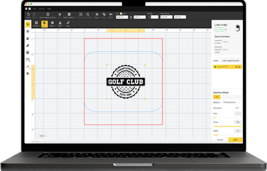
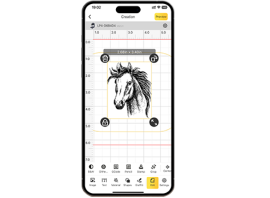
- Works nice with others: Works with programs like LightBurn and LaserPecker Design Space.

Why It's Ideal for Phone Charms:
The LP4's dual-laser system allows creators to work seamlessly across both metal and non-metal materials. From cutting wooden or acrylic pendants to engraving metal initials or logos, the machine offers strong versatility in a compact form. Its balance of portability and performance makes it well suited for hobbyists, independent makers, and small businesses producing custom phone charms.
Part 4: FAQs about Making a Phone Charm
Q1. What materials work best for making phone charms?
Lightweight materials such as plastic, wooden, or glass beads are commonly used for phone charms because they are durable and comfortable to carry. For laser engraving, wood, acrylic, leather, and aluminium are popular choices, as they engrave cleanly and maintain a neat finish over time.
Q2. How long does it take to make a custom phone charm?
A simple bead-and-string phone charm can usually be made in 10–20 minutes. Laser-engraved charms may take longer due to design preparation and setup, but once the design is finalised, multiple charms can be produced efficiently.
Q3. Do I need a laser engraver to make phone charms?
No. Beginners can easily make phone charms using basic materials such as string and beads without any machines. A laser engraver is only necessary if you want precise designs, engraved text, or repeatable results for multiple charms.
Q4. Is laser engraving safe for making phone charms at home?
For users in the UK, safety should always be a top priority when laser engraving phone charms, necklace pendants, or other small accessories made from materials such as metal, wood, acrylic, or leather.
For users in the UK, safety should always come first when making a phone charm with a laser.
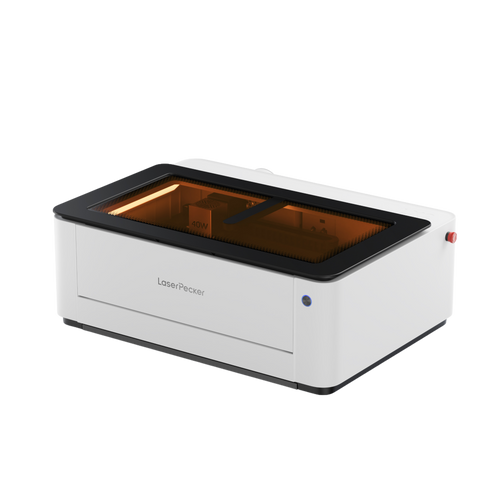
- LP2 Plus, LP2, and LP4 users: We recommend pairing your machine with the LaserPecker Standard Enclosure when operating in home or workshop settings across the eruope. This accessory enhances protection, complementing the machines' Class 4 Laser Safety compliance under guidelines.
- LP5 users: The LP5 Safety Enclosure is required for proper protection during operation. It ensures adherence to UK safety regulations, safeguarding against accidental exposure in residential or small business environments.
- LX2 users: No additional enclosure is needed. The LX2 is a Class 1 laser system, meaning it is safe to use without extra protective equipment under normal operating conditions.
Beyond laser safety, air quality is a key consideration for indoor workshops. Laser processing generates fumes and fine particles that may impact respiratory health. To meet indoor air quality guidelines and maintain a clean, safe workspace, we strongly recommend using the LaserPecker Desktop Air Purifier , particularly for enclosed or well-insulated homes and studios.
With the right safety setup, laser engraving phone charms at home can be both creative and safe.
Conclusion
Phone charms are more than simple decorations. They can be small creative projects, personalised handmade gifts, or practical products for small-scale selling. Whether you choose traditional bead-and-string methods or more advanced options like laser engraving, there is an approach to suit different skill levels and creative goals. With the right tools and materials, it is possible to turn a basic idea into a well-made phone charm that is durable, personal, and thoughtfully designed.