































Engraved flasks have long represented craftsmanship, celebration, and personal expression. Whether made from stainless steel or wrapped in leather, engraving transforms a simple flask into a personalised keepsake, a branded promotional item, or a thoughtful gift.
With today's compact laser engravers, it is now possible to create precise and professional-looking engravings at home or in a small workshop.
This guide explores the different types of flasks, compares engraving methods, and explains how to engrave a flask step by step.

In this article:
- Part 1: What are the Types of Flasks
- Part 2: Five Methods for Engraved Flasks
- Method 1: Laser Engraving
- Method 2: Sandblasting with Stencil
- Method 3: Electrochemical Etching
- Method 4: Mechanical Engraving
- Method 5: Leather Heat Embossing
- Part 3: How to Engrave a Flask with LaserPecker LP4
- Part 4: Tips for Engraving Flasks
- Part 5: FAQs for Engraving a Flask
Part 1: What are the Types of Flasks?
Before engraving a flask, it is important to understand the material. The composition of the flask determines which engraving method is most suitable and how detailed the final result can be.

Stainless Steel Flasks
Stainless steel is one of the most popular choices for hip flasks in the UK due to its durability and corrosion resistance.
It offers:
- A smooth surface suitable for detailed laser engraving
- Strong contrast for text, monograms, and logos
- Long-lasting results without rusting
Laser engraving works particularly well on stainless steel, producing precise and permanent markings. This makes it ideal for personalised gifts and branded corporate flasks. In addition to standard dark engravings, advanced laser settings can even achieve colour engraving effects on stainless steel flasks, creating vibrant, eye-catching designs without the use of inks or coatings.
Copper and Brass Flasks
Copper and brass flasks have a traditional, vintage appearance that appeals to collectors and formal gifting.
These metals are:
- Softer than stainless steel
- Easier to engrave mechanically or chemically
- Suitable for decorative patterns
However, they may tarnish over time if not coated or maintained properly.
Titanium Flasks
Titanium flasks are lightweight, corrosion-resistant, and often used for premium or outdoor applications.
Engraving titanium requires:
- Higher precision equipment
- Typically fibre laser systems for optimal results
Because of the material's strength and heat resistance, not all engraving devices are suitable.
Leather-Wrapped Flasks
Leather-covered flasks combine a metal interior with an outer leather layer (genuine or synthetic).
These flasks can be customised through:
- Laser engraving
- Heat embossing
Laser engraving creates a textured and refined finish on leather surfaces, making them popular for personalised wedding gifts or milestone celebrations.
Glass Flasks
Although less common, glass flasks are sometimes used for whisky or wine gifting.
They can be engraved using:
- Laser etching
- Sandblasting
Both methods create a frosted effect, adding elegance to presentation pieces.
Part 2: Five Methods for Engraved Flasks
There are several ways to engrave flasks. The right method depends on your equipment, budget, production volume, and the finish you want to achieve. Each technique produces a distinct visual and tactile result.
Method 1: Laser Engraving
Laser engraving is one of the most precise and versatile methods for customising flasks made from stainless steel, titanium, leather, and coated surfaces. A focused laser beam permanently marks the surface, producing sharp and durable designs.
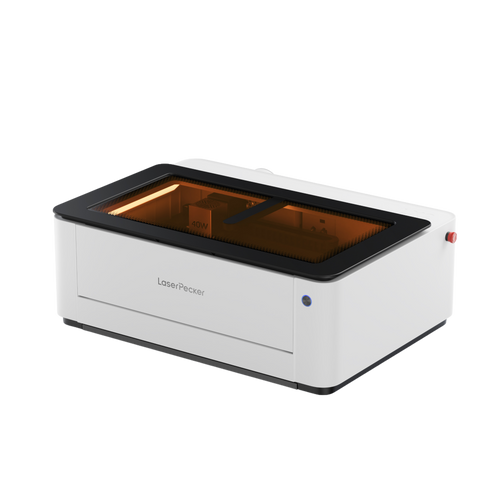
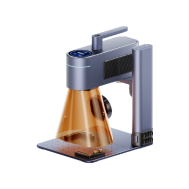
Flask engraving machines such as the LaserPecker LP4 use dual-laser tech. With an IR laser for metals and a diode laser for things like leather, it can handle lots of materials.
Key Advantages of Laser Engraving:
- High precision and clean edges
- Consistent results for logos, initials, and fine text
- Contactless process — no surface scratching
- Fast production speed
- Low long-term operating cost (no consumables required)
Laser engraving is particularly suitable for personalised hip flasks, wedding gifts, and branded corporate items. Once the machine is installed, each project can be completed efficiently without additional materials.
Method 2: Sandblasting with Stencil
Sandblasting uses compressed air to propel abrasive material through a stencil onto the flask surface. The exposed areas are etched, creating a matte or frosted finish.
This method works well for:
- Glass flasks
- Stainless steel surfaces
Advantages:
- Soft, textured appearance
- Suitable for large patterns
- Works well on curved surfaces
Limitations:
- Each design requires a separate stencil
- Preparation and masking increase setup time
- Less suitable for high-volume production
Sandblasting is often chosen for handcrafted decorative pieces rather than commercial batch work.
Method 3: Electrochemical Etching
Electrochemical etching (chemical marking) uses electrical current and an electrolyte solution to dissolve metal in the shape of a stencil.
This method works well for:
- Stainless steel
- Titanium
- Conductive metals
Advantages:
- Clean and controlled marking
- Suitable for logos, serial numbers, and industrial applications
- Relatively low per-unit cost
Limitations:
- Requires safe chemical handling
- Less artistic flexibility than laser engraving
This method is frequently used for technical markings rather than decorative engraving.
Method 4: Mechanical Engraving
Mechanical engraving uses a rotating cutting tool or diamond tip to carve into the flask surface.
Advantages:
- Deep, tactile grooves
- Traditional engraved appearance
- Suitable for bold lettering
Limitations:
- Requires secure clamping
- More difficult on curved surfaces
- Tool wear and vibration may reduce fine detail quality
- Slower for larger batches
Mechanical engraving is well suited to traditional monograms where depth is prioritised.
Method 5: Leather Heat Embossing
Heat embossing is used primarily on leather-wrapped flasks. A heated tool or laser presses into the leather to create a textured impression.
Traditional embossing relies on special stamps. while modern laser systems such as the LaserPecker LP4 can achieve similar effects without physical tooling.
Advantages:
- Elegant textured finish
- Suitable for initials and decorative patterns
- Durable and refined appearance
Heat embossing is popular for personalised gifts and wedding keepsakes.
Comparison Summary for Engraved Flasks
| Method | Precision | Speed (Efficiency) | Cost & Cycle Time | Suitable Material | Batch Reproduction |
|---|---|---|---|---|---|
| Laser Engraving | ★★★★★ | ★★★★★ | Low long-term cost | Metal, leather, coated surfaces | Excellent |
| Sandblasting | ★★★ | ★★ | Medium | Metal, glass | Limited |
| Electrochemical Etching | ★★★ | ★★★ | Low per unit | Stainless steel, titanium | Good |
| Mechanical Engraving | ★★★★ | ★★ | High setup cost | Metal (mainly flat or curved) | Fair |
| Leather Heat Embossing | ★★★★ | ★★★★★ | Low | Leather-wrapped flasks | Very Good |
Laser engraving remains one of the most effective methods for flask marking due to its precision, cleanliness, and material versatility. It requires minimal maintenance and offers strong long-term value, making it suitable for both personal use and small business production.
Part 3: How to Engrave a Flask with Laserpecker LP4
Engraving a flask with the LaserPecker LP4 is a straightforward and efficient process. Thanks to its dual-laser system (infrared + diode), the machine supports both metal and leather surfaces without switching equipment.
Step 1: Get Your Design Ready
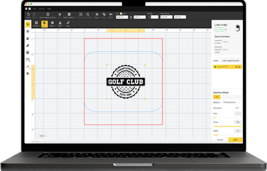
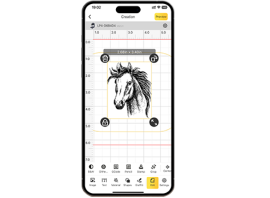
Create your artwork using LaserPecker Design Space, Adobe Illustrator, or Canva.
Recommended formats:
- SVG (vector for best precision)
- PNG (high resolution)
For personalised hip flasks, monograms and clean line logos typically produce the sharpest engraving results.
Step 2: Position the Flask Securely
Place the flask on a stable, level surface.
For curved flasks, use the optional rotary attachment to:
- Maintain consistent focal distance
- Prevent distortion
- Ensure even engraving around the curve
Proper positioning directly affects engraving accuracy.
Step 3: Select the Correct Laser Module and Settings
The LaserPecker LP4 includes:
- Infrared (IR) laser – ideal for stainless steel and titanium
- Diode laser – suitable for leather and coated surfaces
For stainless steel flasks:
- Use medium power
- Lower speed for darker contrast
- Avoid excessive power to prevent surface overheating
Always adjust based on material thickness and coating.
Step 4: Run a Test Engraving
Before engraving the final piece:
- Test on a similar material
- Or use a discreet area of the flask
This ensures correct depth, clarity, and contrast.
Testing helps reduce material waste and improves final consistency.
Step 5: Start the Engraving Process
Once settings are confirmed, begin engraving via the LaserPecker app.
The LP4's focused beam produces:
- Sharp edges
- Fine detail reproduction
- Permanent markings
The contactless process prevents scratching or mechanical stress.
Step 6: Post-Engraving Cleaning
After engraving:
- Wipe the surface with a soft cloth
- Remove residue or light oxidation
The result is a clean, personalised flask suitable for gifting, events, or retail.
Why the LaserPecker LP4 Works Well for Flask Engraving
The dual-laser configuration (IR + diode) makes the LaserPecker LP4 an all-in-one solution for creators who work with:
- Stainless steel flasks
- Titanium
- Leather-wrapped designs
There is no need to switch machines, reducing setup time and improving workflow efficiency.
Part 4: Tips for Engraving Liquor Flasks
Proper preparation and controlled settings are essential for achieving clean, professional results when engraving liquor flasks.
1. Clean the Surface Thoroughly
Before engraving, wipe the flask with isopropyl alcohol to remove:
- Grease
- Fingerprints
- Dust or residue
Even minor surface contamination can affect contrast and engraving consistency, particularly on stainless steel.
2. Stabilise Curved Flasks
Most liquor flasks feature curved surfaces. To maintain sharp focus:
- Use a rotary attachment where possible
- Ensure the flask is firmly supported
- Avoid movement during engraving
Consistent focal distance ensures uniform depth and prevents distortion.
3. Start with Lower Power Settings
Begin with conservative power levels and gradually increase as required. This helps:
- Prevent burn marks
- Avoid overheating thin metal
- Maintain clean edge definition
Controlled power adjustments produce darker, more refined engraving without damaging the surface.
4. Use Masking for Position Testing
Applying masking tape allows you to:
- Confirm design alignment
- Check positioning
- Perform light test passes
This simple step reduces errors before committing to permanent engraving.
5. Combine Metal and Leather Engraving
If the flask includes a leather wrap, consider engraving both surfaces for a premium finish. For example:
- A logo on the metal body
- Initials or decorative elements on the leather
This layered approach enhances visual contrast and creates a more sophisticated personalised liquor flask.
Part 5: FAQs for Engraving a Flask
Q1. Fibre vs CO₂: Which Laser Is Better for Engraving Flasks?
If you are engraving metal flasks such as stainless steel or titanium, a fibre laser is the most suitable choice. It interacts directly with metal surfaces and produces dark, permanent marks without consumables.
CO₂ lasers are more suitable for organic materials such as leather or wood. A 450 nm blue diode laser can also engrave leather effectively.
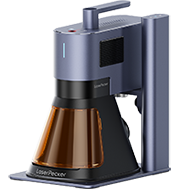
For creators who want broader material compatibility, the LaserPecker LP5 combines a 20 W fibre laser and a 20 W diode laser in one compact machine. This allows engraving on:
- Stainless steel
- Titanium
- Wood
- Leather
- Certain plastics
- Coated glass
It provides flexibility for both hobbyists and small business use.
Q2. Do I Need Marking Spray to Engrave Stainless Steel?
Marking spray is generally required when using a CO₂ laser on bare stainless steel.
However, infrared (fibre) lasers such as the LaserPecker LP4 can mark stainless steel directly. No spray is needed.
This reduces cost, preparation time, and post-processing cleanup.
Q3. What Is the Best Way to Engrave Stainless Steel Flasks?
Fibre laser engraving is widely considered the most effective method. It works by altering the metal surface rather than cutting deeply into it, producing:
- Smooth, dark contrast
- Long-lasting marks
- Resistance to water and wear
Because the process is contactless, there is no risk of mechanical scratching. It is especially suitable for:
- Fine text
- Corporate logos
- QR codes
- Personalised initials
Q4. Can You Engrave a Whiskey Bottle?
Yes. Glass whiskey bottles can be engraved using a blue diode laser.
For clearer results:
- Apply marking paper or a dark coating to improve absorption
- Ensure the bottle is empty and stable
- Secure curved bottles using supports
The laser creates a frosted effect without cracking the glass when correct settings are used.
Personalised whiskey bottles are popular for weddings, milestone birthdays, and corporate gifting in the UK.
Q5. How Deep Should Flask Engraving Be?
For stainless steel flasks, surface marking is usually sufficient. Deep engraving is not necessary unless a tactile groove is required.
Q6. Will Laser Engraving Weaken a Metal Flask?
No. Fibre laser marking alters only the surface layer and does not compromise structural integrity when used correctly.
Q7. Is Laser Engraving Safe for Food-Contact Surfaces?
When engraving the exterior only, there is no impact on the internal liquid storage area. Always avoid engraving interior surfaces.
Conclusion
Engraving a flask goes beyond adding a name or simple decoration. It transforms an everyday item into a meaningful and personalised keepsake.
From traditional techniques such as sandblasting and chemical etching to modern laser engraving, each method offers a distinct aesthetic and tactile quality. The right choice depends on your material, production goals, and desired finish.
Among all methods, laser engraving stands out for its:
- Precision
- Speed
- Consistent repeatability
- Compatibility with metal and leather
With advanced dual-laser systems such as the LaserPecker LP4, creators and small businesses can produce high-quality engraved flasks efficiently — whether for weddings, corporate gifts, or personalised retail items.
Careful planning, material testing, and accurate setup are key to achieving professional results. When done correctly, a custom engraved flask becomes more than a product — it becomes a memorable gift or a lasting personal piece.