






























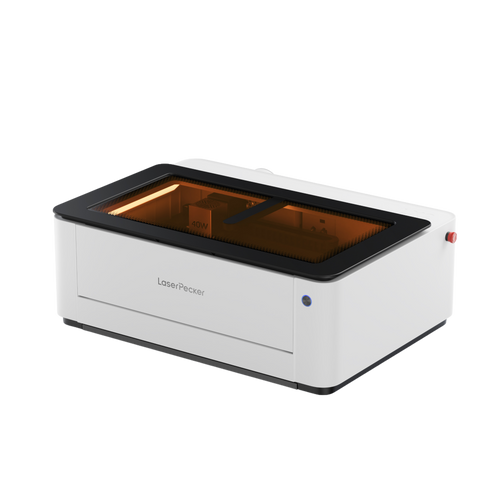


Engraving a lock is a practical and creative way to personalise it, improve identification, and enhance everyday security. Whether you are customising a padlock for personal use, marking locks for storage or inventory tracking, or adding a subtle decorative detail, engraving provides a durable and long-lasting solution.
This guide introduces three effective lock engraving methods — using a laser engraver, a rotary tool, and a CNC machine — helping you choose the right technique based on your skill level, budget, and intended use, whether at home or in a small workshop environment.

In this article:
- Method 1: Engrave a Lock with a Laser Engraving Machine
- Method 2: Engrave a Lock with a Rotary Tool
- Method 3: Engrave a Lock with a CNC Machine
Method 1: Engrave a Lock with a Laser Engraving Machine
Laser engraving is one of the most precise and professional ways to engrave text, logos, serial numbers, or designs on metal locks. It uses a focused laser beam to remove material from the surface of the lock, creating permanent, high-resolution markings.
What You'll Need for Laser Engraving a Lock:
- A laser engraving machine
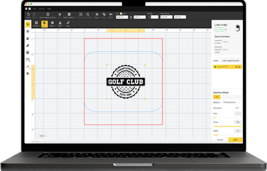
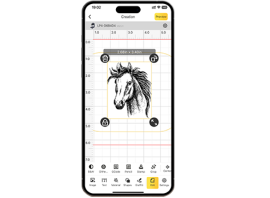
- Design software (e.g., LightBurn, LaserPecker Software & App)
- Lock (made of metal, preferably stainless steel, brass, or aluminium)
Steps to Engrave a Lock with a Laser Machine
Step 1: Design the Engraving
Create or import your text or logo into the engraving software.
Step 2: Prepare the Lock
Clean the surface to remove any dust, oil, or coatings.
Step 3: Secure the Lock
Place it flat on the laser bed or mount it with a rotary attachment for curved surfaces.
Step 4: Adjust Settings
Set the correct laser power, speed, and focus based on the lock's material.
Step 5: Start Engraving
Begin the laser job and monitor the process for safety.
Step 6: Clean the Lock
Wipe away any residue or oxidation marks post-engraving.
Advantages and Limitations of Laser Engraving a Lock
👍Advantages:
Extremely precise and clean engraving results
Permanent and durable markings
Works well for logos, serial numbers, and QR codes
Contactless process—no pressure or damage to the lock
👎Limitations:
Initial investment can be high
Method 2: Engrave a Lock with a Rotary Tool
Engraving a lock with a rotary tool (such as a Dremel) is a hands-on and affordable way to personalise, label, or mark a lock for basic identification. The tool uses a fast-spinning engraving bit to carve text or simple designs into the metal surface. Although less precise than laser engraving, this method is ideal for DIY projects, simple markings, and practical home use.
Required Tools:
- Rotary tool or electric engraving pen
- Clamp, vise, or non-slip mat
Steps to Engrave a Lock with a Rotary Tool
Step 1: Clean the Lock
Wipe the surface to remove dirt and oils.
Step 2: Mark the Design
Use a permanent marker or stencil to draw your text or design on the lock.
Step 3: Secure the Lock
Clamp it firmly in place to prevent movement during engraving.
Step 4: Install Engraving Bit
Choose a fine-point bit suitable for metal and attach it to the rotary tool.
Step 5: Begin Engraving
Turn on the tool and carefully trace your design at a steady pace. Apply light pressure.
Step 6: Clean Up
Wipe off dust and inspect your work.
Advantages and Limitations of Engraving a Lock with a Rotary Tool
👍Advantages:
Low cost and accessible
Great for simple or rough personalization
👎Limitations:
Lower precision compared to laser or CNC methods
Not ideal for detailed or small designs
Method 3: Engrave a Lock with a CNC Machine
CNC (Computer Numerical Control) machines are advanced engraving systems that follow digital design files to produce highly accurate and repeatable results. Engraving a lock with a CNC machine delivers clean, consistent, and professional-quality markings, making it ideal for serial numbers, branding logos, inventory codes, and detailed patterns on metal lock surfaces.
Required Tools:
- CNC Engraving Machine (desktop or industrial, depending on lock size)
- Computer with CAD/CAM software
Steps to Engrave a Lock via CNC Machine
Step 1: Design the Engraving
Create or import your design in a CAD program. Convert it into G-code using CAM software.
Step 2: Prepare the Lock
Clean the surface and secure the lock onto the machine's bed using a vice or fixture.
Step 3: Set Up the CNC Machine
Load the design file, set the tool path, and adjust the spindle speed and depth based on the lock's material.
Step 4: Start Engraving
Execute the job and monitor the process to ensure accurate engraving.
Advantages and Limitations of Engraving a Lock with a CNC Machine
👍Advantages:
Extremely precise and consistent results
Durable and long-lasting markings
👎Limitations:
Not ideal for one-off casual use
Takes more prep time than manual methods
Hot Questions about Lock Engraving
Q1. Can you engrave a lock at home?
Yes, you can engrave a lock at home using tools like a laser engraver or a rotary tool. DIY engraving is suitable for personal identification, basic marking, and simple customisation projects.
Q2. What type of locks can be engraved?
Most metal locks can be engraved, including stainless steel, brass, and aluminium locks. Padlocks, cabinet locks, bike locks, and luggage locks are commonly engraved for identification and security purposes.
Q3. Is laser engraving safe for locks?
Yes, laser engraving is safe for locks when done correctly. It is a contactless process that does not apply physical pressure, reducing the risk of mechanical damage to the lock structure.
Q4. Does engraving weaken a lock?
Light surface engraving does not significantly weaken a lock. However, deep mechanical engraving or improper CNC cutting could affect structural integrity if excessive material is removed.
Q5. What information should you engrave on a lock?
Common engravings include names, initials, serial numbers, phone numbers, company names, QR codes, or ID numbers for identification and tracking purposes.
Q6. Which engraving method is best for metal locks?
Laser engraving is the best method for precision and clean results. CNC engraving is ideal for professional and batch production, while rotary tools are suitable for simple DIY marking.
Q7. Can engraved locks improve security?
Engraved locks improve traceability and identification, which helps with theft deterrence and recovery, but they do not replace mechanical or electronic security features.
Conclusion
Engraving a lock doesn't have to be complex or expensive. Whether you choose a high-precision laser engraver, a hands-on rotary tool, or a powerful CNC machine, each method offers unique advantages depending on your goals, skills, and budget.
For detailed designs, serial numbers, and batch engraving, laser and CNC machines deliver clean, professional results. For quick DIY personalisation or simple identification, a rotary tool is a practical and accessible solution.
With the right tools, preparation, and method, engraving allows you to transform an ordinary lock into a clearly marked, personalised, and professional-looking item.