
































Engraving a spoon is a simple yet meaningful way to create a personalised gift, keepsake, or handmade craft item. In the UK, engraved spoons are often used for special occasions such as birthdays, weddings, or as decorative pieces with initials, dates, or short messages.
From elegant lettering to playful designs, spoon engraving allows you to customise metal cutlery using a wide range of tools — from professional engraving machines to basic hand tools.
In this article, we'll explore six practical methods for engraving a spoon, suitable for beginners, hobbyists, and experienced makers. Whether you have access to a laser engraver or CNC machine, or prefer a DIY approach using hand tools or a rotary tool, there's an option to match your skills, budget, and creative goals.

In this article:
- Method 1: Engrave a Spoon with a Laser Engraving Machine
- Method 2: Engrave a Spoon with a Rotary Tool
- Method 3: Engrave a Spoon via Hand Carving Tool
- Method 4: Engrave a Spoon with Cricut Maker
- Method 5: Engrave a Spoon via Stamping
- Method 6: Engrave a Spoon via CNC Machine
- FAQs: Hot Questions about Engraving A Spoon
Method 1: Engrave a Spoon with a Laser Engraving Machine
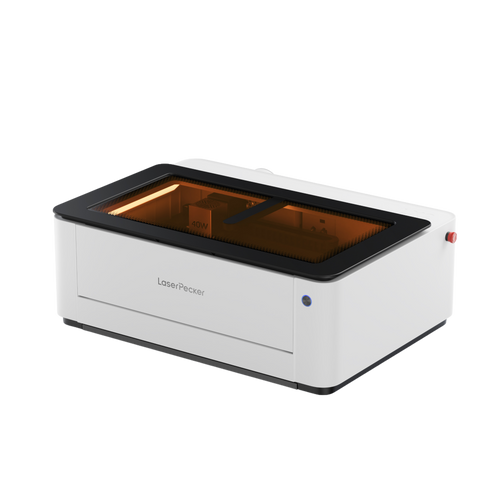
Laser engraving is one of the most efficient and precise methods for customising spoons. In the UK, it is commonly used for personalised gifts, small-batch branding, and decorative engraving on both metal and wooden spoons.
What You'll Need for Laser Engraving a Spoon:
-
A laser engraving machine
Fibre laser: for metal spoons
Diode laser: for wooden spoons - Design software (e.g., LightBurn, LaserPecker Software & App)
Steps to Engrave a Spoon with a Laser Machine
Step 1: Clean the Spoon
Wipe the surface to remove oil or dust for better engraving results.
Step 2: Prepare Your Design
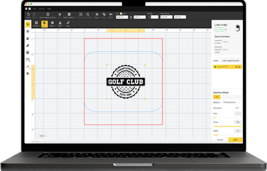
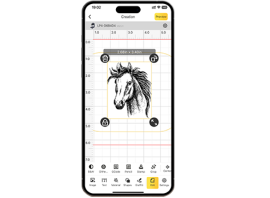
Use software to create or import your design, and adjust it to fit the spoon's engraving area.
Step 3: Position and Focus
Secure the spoon on the laser bed. If engraving on a curved surface, use a rotary attachment. Adjust the focus.
Step 4: Set Parameters
Select the right speed, power, and number of passes based on the material.
Step 5: Run a Preview or Test Pass
Use a light outline or test engraving to confirm alignment.
Step 6: Start Engraving
Begin the engraving process and monitor it closely for accuracy and safety.
Advantages and Limitations of Laser Engraving a Spoon
👍Advantages:
Highly precise and professional engraving quality
Ideal for detailed text, logos, and fine graphics
Fast and repeatable for multiple spoons or small batches
👎Limitations:
Higher equipment cost compared to manual engraving methods
Method 2: Engrave a Spoon with a Rotary Tool
Using a rotary tool is a hands-on and budget-friendly way to engrave spoons, making it a popular choice among UK DIY enthusiasts. This method works well for adding initials, simple patterns, or small decorative details to both metal and wooden spoons, without the need for expensive machinery.
While it doesn't match the precision of laser engraving, it offers flexibility and a distinctive handmade finish for personal projects.
Required Tools for Rotary Tool Spoon Engraving
- Rotary tool or electric engraving pen
- Clamp, vise, or non-slip mat
Steps to Engrave a Spoon with a Rotary Tool
Step 1: Clean and Secure the Spoon
Remove any grease or dirt. Clamp the spoon securely to prevent slipping.
Step 2: Mark the Design
Sketch your design directly on the spoon with a marker or use a stencil.
Step 3: Choose the Right Bit
Diamond-tip bit: best for metal
Carbide or HSS bit: better for wood
Step 4: Engrave Slowly and Steadily
Turn on the rotary tool and start engraving with light pressure. Let the tool do the work—don't press too hard.
Step 5: Wipe and Refine
Clean off dust. For wood, lightly sand the engraved area. For metal, polish it if needed.
Advantages and Limitations of Rotary Tool Spoon Engraving
👍Advantages:
Inexpensive and easy to get started
Great for personal, handmade touch
👎Limitations:
Requires steady hand and patience
Hard to achieve very fine detail
Method 3: Engrave a Spoon via Hand Carving Tool
Hand carving is a traditional and artistic engraving method that is best suited for wooden spoons. In the UK, this approach is often used for craft projects, handmade gifts, or rustic-style kitchenware, where texture and depth are part of the design appeal.
Unlike machine-based engraving, hand carving requires no electricity and allows for deep, tactile designs. It is ideal for small-scale craft work and makers who value manual control and a handcrafted finish.
Required Tools for Hand-Carving a Spoon:
- Hand Carving Tools
- Engraving vise or clamp (to secure the pen)
- Wooden Spoon (softwoods like basswood or birch are easier to carve)
- Sandpaper (for smoothing the surface after carving)
Steps to Hand Engrave a Spoon
Step 1: Choose the Spoon and Tools
Select a smooth, clean wooden spoon and appropriate carving tools depending on the design
Step 2: Secure the Spoon
Use a clamp or hold the spoon firmly on a stable surface to prevent movement.
Step 3: Sketch the Design
Lightly draw your pattern or letters on the spoon with a pencil
Step 4: Start Carving
Carefully follow the design lines with the carving tools. Use shallow cuts at first and increase depth as needed.
Step 5: Finish the Surface
Once the design is complete, sand the edges and apply a food-safe finish or oil to preserve the wood and highlight the carving.
Advantages and Limitations of Hand-Carved Spoon Engraving
👍Advantages:
No electricity required
Highly personalized and artistic
👎Limitations:
Only works on wood (not suitable for metal spoons)
Time-consuming
Requires practice and good control
Method 4: Engrave a Spoon with Cricut Maker
The Cricut Maker is a versatile smart cutting machine that can engrave certain soft metals, such as aluminium blanks, using a dedicated engraving tip. While it cannot engrave metal or wooden spoons directly, it is well suited for creating engraved tags or plates that can be attached to spoons for decorative or personalised purposes.
In the UK, this method is often used for craft projects, gift presentation, and keepsake spoons, where the engraving serves a decorative role rather than a functional one.
Required Tools for Cricut-Based Spoon Engraving:
- Cricut Maker
- StrongGrip Mat
- Blank wooden or metal spoon (for attachment)
Steps to Engrave a Spoon with Cricut Maker
Step 1: Create Your Design
Open Cricut Design Space and create or import the text/design you want engraved.
Step 2: Place the Metal Blank on the Mat
Secure your aluminum blank onto a StrongGrip mat using masking tape to prevent movement.
Step 3: Engrave the Design
Send the project to the Cricut and let it engrave the design onto the metal tag.
Step 4: Clean and Attach
After engraving, clean off any debris. Attach the engraved blank to the spoon using glue or a decorative method (like wrapping with wire or tying with ribbon).
Advantages and Limitations of Using a Cricut Maker for Spoon Engraving
👍Pros:
High precision with clean lines
Ideal for repeatable designs
👎Cons:
Limited to specific materials such as aluminium blanks
Method 5: Engrave a Spoon via Stamping
Metal stamping is a traditional, hands-on method for personalising spoons using steel stamps and a hammer. In the UK, it is especially popular for creating customised stainless steel or vintage-style spoons, often used as keepsakes, gifts, or decorative flatware.
Rather than removing material like laser engraving, stamping displaces the metal, creating a tactile, handmade impression that adds character and charm.
Required Tools for Spoon Stamping:
- Steel alphabet/number stamps
- Metal spoon (preferably stainless steel or silver-plated)
- Metal stamping hammer (or a regular small hammer)
Steps to Engrave a Spoon via Stamping
Step 1: Choose and Prepare the Spoon
Use a flat area of the spoon (typically the bowl). If it's slightly curved, you may need to flatten it with a rubber mallet.
Step 2: Mark the Stamping Area
Use masking tape to create a straight guide line and hold the spoon in place.
Step 3: Stamp the Design
Position a steel stamp on the metal and hit it firmly once with a hammer to leave a clean impression. Repeat for each character or design.
Step 4: Darken the Engraving
Rub a black permanent marker or stamping enamel over the stamped letters and wipe away the excess to make the impression stand out.
Step 5: Polish the Spoon
Use a polishing cloth or steel wool to clean up any residue and give it a finished look.
Advantages and Limitations of Metal-Stamped Spoon Engraving
👍Advantages:
No power tools required
Affordable and beginner-friendly
👎Limitations:
Requires precision and steady hands
Mistakes can't be undone
Method 6: Engrave a Spoon via CNC Machine
Engraving a spoon using a CNC (Computer Numerical Control) machine is a highly precise and automated method, making it ideal for professional workshops or batch customisation in the UK. With the correct setup and tooling, CNC machines can engrave text, logos, and detailed graphics onto metal spoons with consistent depth and repeatable results.
This method is commonly used for commercial engraving, branded cutlery, and production-level projects, where accuracy and uniformity are essential.
Required Tools for CNC Spoon Engraving
- CNC engraving machine
- Metal spoon (preferably stainless steel or aluminum)
- Work-holding jig or clamp to secure the spoon
Steps to Engrave a Spoon via CNC Machine
Step 1: Design Your Engraving
Create or import your text/logo design into CAD software and convert it into a toolpath using CAM software.
Step 2: Secure the Spoon
Firmly clamp the spoon to the CNC bed using a custom jig or clamp to avoid movement during engraving.
Step 3: Load the Tool and Set Zero Point
Install the appropriate bit and set the origin point (X, Y, Z) based on your design.
Step 4: Run the Engraving Job
Start the CNC process and monitor the engraving to ensure it proceeds smoothly.
Step 5: Finishing Touches
Once complete, clean and polish the spoon to remove debris and enhance the visibility of the engraving.
Advantages and Limitations of CNC Spoon Engraving
👍Advantages:
Extremely precise and consistent
Capable of complex and detailed designs
👎Limitations:
Expensive equipment and software
Steeper learning curve
FAQs: Hot Questions about Engraving A Spoon
Q1. Can all spoons be engraved?
Not all spoons are suitable for engraving. Stainless steel, aluminium, and solid wooden spoons are the most reliable options. Thin, plated, or heavily curved spoons may be difficult to engrave cleanly.
Q2. What is the easiest way to engrave a spoon at home?
For beginners, using a laser engraver is one of the easiest and most reliable ways to engrave a spoon at home.
Laser engraving requires minimal manual skill and delivers consistent, precise results once the design is set in the software. Unlike rotary tools or stamping, there's no physical pressure involved, which reduces the risk of slipping or damaging the spoon. With a compact desktop or portable laser engraver and proper safety setup, beginners can engrave wooden or metal spoons cleanly and efficiently, even on their first attempt.
Q3. Is laser engraving better than hand engraving for spoons?
Laser engraving offers higher precision and consistency, especially for detailed designs or batch work. Hand engraving, however, provides a more personal, handcrafted finish and works well for one-off pieces.
Q4. Can wooden spoons be engraved safely?
Yes, wooden spoons can be engraved using hand carving tools, rotary tools, or diode lasers. Always apply a food-safe oil or finish after engraving to protect the wood.
Q5. Do engraved spoons remain food-safe?
Engraved spoons are generally food-safe if engraved correctly and cleaned properly. Avoid deep grooves that trap food, and never use toxic coatings or finishes on utensils intended for eating.
Conclusion
Engraving a spoon in the UK context is less about choosing the “best” method and more about choosing the right balance between creativity, control, and practicality. From high-precision laser and CNC engraving to hands-on techniques like stamping, hand carving, or rotary tools, each approach serves a different purpose.
If you're creating personalised gifts or small-batch items, manual and DIY methods offer flexibility and character. For consistent results or branded cutlery, machine-based engraving delivers accuracy and efficiency. By matching the method to your tools, material, and desired finish, you can turn an everyday spoon into a meaningful, well-crafted piece—made to be used, gifted, or kept.