































Custom T-shirts are no longer just a fun idea — they are a popular way to express personal style, promote a business, or create meaningful gifts. In the UK, custom T-shirt printing is widely used by small brands, sports teams, events, and home-based creators looking to stand out.
There are many different ways to customise T-shirts, whether you prefer a hands-on DIY approach or plan to outsource production. Each method offers its own advantages depending on your budget, design complexity, and production volume.
In this guide, we'll explore the most effective T-shirt customisation methods, helping you decide which option works best for your needs — whether you're making one-off designs or producing shirts at a larger scale.

In this article:
- Part 1: Why Do People Love Custom T-Shirts
- Part 2: How to Customise T-Shirts before Buying
- Part 3: How to Customise T-Shirts after Buying
- Method 1: Laser Engraving
- Method 2: Fabric Painting
- Method 3: Heat Transfer and Iron-On Prints
- Method 4: Screen Printing
- Method 5: Embroidery
- Method 6: Tie-Dye and Fabric Dyeing
- Part 4: The Best Tool for Customising T-Shirts
Part 1: Why Do People Love Custom T-Shirts
Custom T-shirts have become a familiar sight across the UK, and for good reason. They strike a balance between style, practicality, and personal meaning, making them suitable for a wide range of uses — from everyday wear to promotional and creative projects.

1. Personalised Fashion and Self-Expression
Fashion is more than just clothing; it's a way to express who you are. Custom T-shirts allow individuals to showcase their personality, interests, or values through simple designs, bold graphics, or meaningful messages. Whether minimalist or expressive, a personalised T-shirt makes a clear statement.
2. Ideal for Gifts and Special Occasions
Custom T-shirts are a popular choice for thoughtful and memorable gifts. From humorous university slogans to matching family shirts, they add a personal touch to special moments such as weddings, birthdays, baby showers, and anniversaries. Personalised clothing often becomes a keepsake long after the event.
3. Team, Event, and Brand Promotion
Organisations of all sizes use custom T-shirts to build identity and visibility. Charities, start-ups, sports teams, and established brands rely on printed shirts to promote events, strengthen team spirit, and increase brand recognition in a practical and cost-effective way.
4. Creative Fun and DIY Culture
DIY T-shirt customisation, such as tie-dyeing or hand painting, blends creativity with everyday use. Many people in the UK enjoy making wearable designs at home, often upcycling old T-shirts, which also supports more sustainable fashion habits.
Part 2: How to Customise T-Shirts before Buying
Today, customising a T-shirt before purchasing is easier than ever. In the UK, many T-shirt DIY customisation websites, such as printify or vistaprint, allow you to upload your own artwork, add custom text, or choose from pre-made templates to instantly preview your design on a virtual T-shirt.
These online tools give you full creative control. You can adjust colours, fonts, placement, and sizing until the design looks exactly how you want it. Some platforms also offer 3D previews, making it easier to see how your T-shirt will look from different angles.

One of the biggest advantages of online customisation is how quick and beginner-friendly the process is. No design experience is required — just a creative idea. Whether you're ordering a single personalised T-shirt or placing a bulk order for an event, customising online helps ensure the final product matches your expectations before you buy.
Part 3: How to Customise T-Shirts after Buying
Customising T-shirts after purchase gives you complete creative freedom. Whether you want a professional finish or a fun DIY project, there are several effective ways to personalise plain T-shirts at home or in a small workshop.
Method 1: Laser Engraving
Laser engraving creates designs by permanently etching the fabric surface, resulting in a modern, textured finish. Recent laser technology allows for highly detailed patterns, making this method suitable for cotton, faux suede, and other compatible fabrics. Laser-engraved T-shirts are increasingly popular for premium, minimalist designs that stand out without ink or paint.
Method 2: Fabric Painting
Fabric painting is a low-cost and highly creative method for customising T-shirts. Designs can be applied freehand, with stencils, or using splatter techniques. To ensure durability, the paint should be heat-set using an iron or heat press. High-quality fabric paints or markers help maintain colour vibrancy and longevity. This method is ideal for creative gifts and DIY projects.
Method 3: Heat Transfer and Iron-On Prints
Heat transfer and iron-on prints are beginner-friendly and quick to apply. Designs are printed onto transfer paper and applied using an iron or heat press. While irons work for small projects, heat presses provide more consistent results and longer-lasting adhesion. This method is suitable for testing designs or producing small batches.
Method 4: Screen Printing
Screen printing is a professional method widely used for producing durable and vibrant T-shirts. Ink is pressed through a stencil onto the fabric, creating bold and long-lasting designs. Although setup can be time-consuming, screen printing is highly cost-effective for bulk production and is commonly used for events, teams, and businesses.
Method 5: Embroidery
Embroidery adds texture and a premium feel to T-shirts. While it works best on thicker fabrics, small embroidered designs can also be applied to standard T-shirts. Designs can be stitched by hand or with embroidery machines, and high-quality threads add durability and visual depth. Embroidery is known for its long-lasting results.
Method 6: Tie-Dye and Fabric Dyeing
Tie-dye and fabric dyeing are playful and creative techniques that transform plain T-shirts into colourful, unique garments. By folding, twisting, or binding the fabric, a wide range of patterns can be achieved. Other dyeing styles, such as ombre effects or natural dyes, offer additional creative possibilities. No two shirts will ever look exactly the same.
Comparison Summary for T-shirts Customisation
| Method | Difficulty | Cost | Result | Durability |
|---|---|---|---|---|
| Fabric Painting | Easy | Low | Hand-painted designs, stencil art, or splatter effects | Medium – heat-setting required |
| Heat Transfer & Iron-On Prints | Very Easy | Low–Medium | Clear images and layered text or designs | Medium – may peel after repeated washing |
| Screen Printing | Medium–Hard | Medium–High | Bold colours with a professional finish | High – ideal for large production runs |
| Embroidery | Medium | Medium–High | Textured and premium appearance | Very High – long-lasting |
| Laser Engraving | Medium | Medium–High | Precision-burned designs with ultra-fine detail | Extremely High – permanent result |
| Tie-Dye & Fabric Dyeing | Easy and fun | Low | Random colourful patterns, ombré effects, or natural dye styles | Medium |
Key Takeaway: Laser engraving is ideal for modern, high-end T-shirt customisation where durability and precision matter. For creative, casual, or budget-friendly projects, methods like fabric painting, heat transfer, or tie-dye may be more suitable.
Part 4: The Best Tool for Customising T-Shirts
When it comes to creating truly distinctive custom T-shirts, laser engraving offers a level of detail and durability that paint and traditional prints often can't match. Instead of sitting on top of the fabric, laser engraving permanently alters the surface, producing a clean, modern finish that stands out.
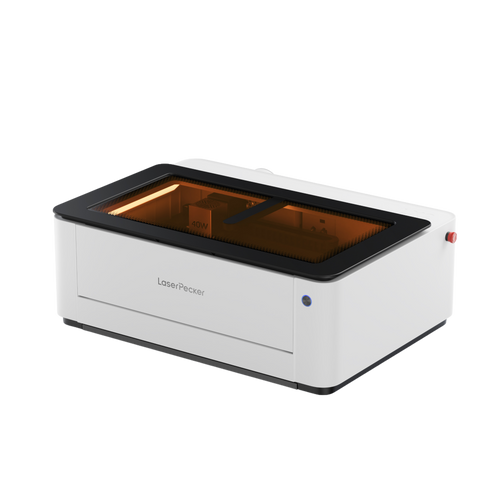
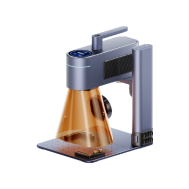
For DIY creators and small business owners in the UK, the LaserPecker LP4 is a versatile tool designed to support creative growth. It allows you to transform plain cotton T-shirts into unique designs at home or in a small studio, without the complexity of industrial equipment.
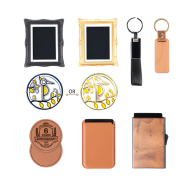
The LP4 features a dual-laser system, combining a 10W blue diode laser with a 2W infrared laser, making it compatible with over 300 materials. This flexibility makes it suitable not only for cotton and denim T-shirts, but also for leather patches, labels, and other apparel accessories. As a result, it supports a broader approach to custom clothing and branding.
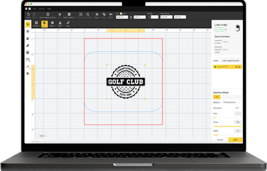
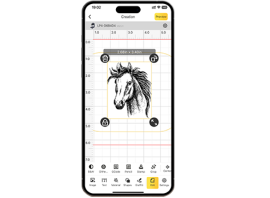
For artists and small businesses, the LP4 makes it easier to scale from hobby projects to small production runs. Features such as the touchscreen interface and “Engrave Again” function allow designs to be repeated quickly and consistently — ideal for team shirts, limited collections, or small clothing lines. Its adjustable engraving angles also make it practical to add logos to sleeves, collars, or tags.

The cool part? It's quick and exact, so you get pro results fast. And the software / app is simple, so you can be creative and not stress over tech issues.
Hot Questionas aout Customising T-Shirts
Q1. What is the best way to customise T-shirts at home in the UK?
The best method depends on your goal. For creative DIY projects, fabric painting or iron-on transfers are easy to use at home. For more professional and long-lasting results, laser engraving or embroidery is a better option.
Q2. Can laser engraving be used on cotton T-shirts?
Yes, laser engraving can be used on cotton T-shirts. It creates a subtle, etched effect by altering the fabric surface rather than adding ink, resulting in a modern and durable finish.
Q3. Is laser engraving better than printing for custom T-shirts?
Laser engraving offers higher durability and detail compared to many printing methods, as the design will not peel or fade. However, printing may be more suitable for colourful designs or large graphics.
Q4. Are DIY T-shirt customisation methods suitable for small businesses?
Yes, many small UK businesses use DIY-friendly methods such as heat transfer, embroidery, or laser engraving to produce small batches of custom T-shirts without outsourcing production.
Q5. What is the most durable customisation method for T-shirts?
Embroidery and laser engraving are among the most durable methods. They withstand frequent washing better than paint or iron-on prints when done correctly.
Q6. Do I need design experience to customise T-shirts?
No design experience is required for many methods. Online design tools, stencils, and beginner-friendly equipment make it easy for anyone to create custom T-shirts.
Conclusion
Custom T-shirts offer a creative way to turn personal ideas into wearable designs. Whether you choose to work with a professional service or customise your T-shirts yourself, the right approach depends on the style you want, your budget, and how long you expect the design to last.
Using quality materials and proper care can significantly improve durability, while modern tools such as T-shirts laser engravers make it possible to achieve detailed, long-lasting results at home or in small studios.
Ultimately, successful customisation comes down to authenticity and creativity. Enjoy the process, experiment with different methods, and create clothing that truly reflects your personal style.