
































Metal art décor brings a modern, industrial feel to any space, combining durability with artistic expression. Whether crafted by hand or produced with advanced machines, metal can be transformed into striking wall art, sculptures, or even functional pieces.
In this guide, we explore four popular methods for creating metal décor—welding, sawing, CNC machining, and laser cutting — along with practical tips to help you achieve high-quality results.

In this article:
Method 1: Create Metal Art Décor with a Welding Torch
If you have access to a welding torch, you can transform metal scraps into unique sculptures, decorative pieces, or even functional items. Welding is particularly effective for creating 3D metal art, allowing you to add depth, structure, and texture to your designs.
This method not only enhances visual impact but also ensures durability, making your metal décor long-lasting and suitable for both indoor and outdoor use.
Pros:
Ideal for creating 3D metal sculptures and layered designs
Produces strong, durable joints for long-lasting results
Offers creative freedom with shapes, forms, and textures
Tips:
- Prioritise safety: always wear protective gloves, a welding mask, and work in a well-ventilated area
- Practise on smaller projects first to build confidence and control
- Use clamps to hold materials securely in place for greater precision during welding
Method 2: Create Metal Art Décor with a Metal Saw
Using a metal saw is an effective way to cut metal sheets, rods, or pipes into precise shapes. This method is ideal for creating flat metal designs or assembling decorative pieces from smaller components.
Compared to more advanced techniques, sawing is a practical and accessible option, especially for beginners who want to start making metal art without investing in specialised equipment.
Pros:
Delivers accurate and consistent cuts across different sizes
More affordable and easier to use than methods such as welding
Suitable for a wide range of materials, including steel and copper
Tips:
- Mark your cutting lines clearly to ensure precision and avoid mistakes
- Use a sharp blade designed for the specific type of metal you are cutting
- Secure the material firmly with clamps to maintain stability during cutting
Method 3: Create Metal Art Décor with a CNC Machine
CNC machines automate the process of cutting, engraving, and shaping metal, allowing you to produce highly detailed and precise designs. This method is ideal for projects that require consistent accuracy or intricate patterns that are difficult to achieve by hand.
CNC machining is widely used across the metalworking industry, from large-scale manufacturing to small workshops and hobbyist studios.
Pros:
Delivers high precision and repeatable results
Enables complex and detailed designs with minimal manual effort
Suitable for professional projects and small-batch production
Tips:
- Select the appropriate cutting tools and speeds based on the type of metal
- Secure your material firmly using clamps or fixtures to ensure stability
- Test your design on inexpensive material before working on the final piece
Method 4: Create Metal Art Décor with a Laser Cutter
Laser cutting is one of the most efficient methods for creating metal art décor, offering both speed and precision. It can cut intricate shapes from materials such as steel, aluminium, or brass, producing clean edges with minimal finishing required.
In addition to cutting, laser engraving allows you to add patterns, logos, or text, making it easy to create personalised metal art pieces or reproduce designs consistently.
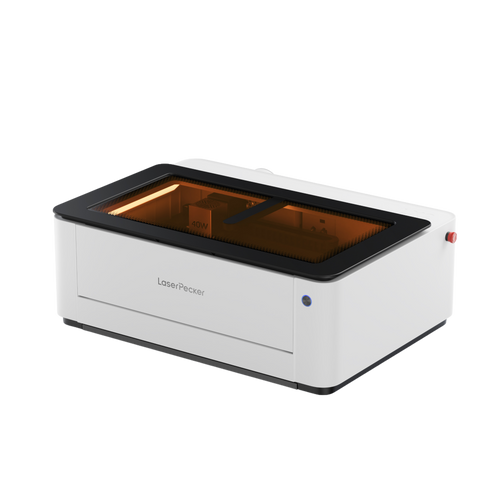
For users in the UK, the LaserPecker LP5 is a practical choice for both home workshops and small studios. It features a dual-laser system, including a 20W fibre laser for metals and a 20W diode laser for other materials.

Source: LaserPecker LP5 FaceBook Group
The LP5 supports a wide range of materials, including lacquered metal, anodised aluminium, stainless steel, bamboo, wood, leather, acrylic, plastic, and coated glass. Its compact design makes it easy to integrate into limited workspace environments.
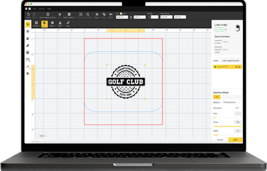
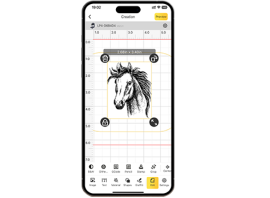
With engraving speeds of up to 10,000 mm/s and compatibility with LightBurn and LaserPecker Design Space, users can efficiently produce detailed patterns, 3D effects, and clean cuts. Optional add-ons, such as the slide and rotary extensions, enable work on larger surfaces, tubes, and cylindrical metal objects. The Safety Enclosure also helps ensure safe indoor operation.

Pros:
Produces highly detailed cuts and engravings with excellent accuracy
Creates clean edges, reducing the need for post-processing
Ideal for batch production with consistent results
Compact and suitable for small workspaces
Tips:
- Always follow laser safety guidelines and wear appropriate protective equipment
- Test settings on spare material to optimise power and speed
- Use rotary or slide extensions for cylindrical or larger items
- Combine laser cutting with techniques such as welding or bending for more advanced designs

Source: LaserPecker CraftZone
Comparison Table: Methods of Making Metal Art Décor
| Method | Pros | Cons | Best For |
|---|---|---|---|
| Welding Torch | 3D sculptural designs, strong joints | Requires skill and safety precautions | Sculptures, textured pieces |
| Metal Saw | Accurate cutting, affordable | Manual effort, slower for complex shapes | Beginners, simple designs |
| CNC Machine | High precision, repeatable results | Higher cost, learning curve | Detailed patterns, small-batch production |
| Laser Cutter (LP5) | Precise cutting, clean edges, efficient batch production | Equipment cost, requires safety setup | Intricate designs, professional finish |
FAQs: Questions About Making Metal Art Décor
Q1. What metals are best for metal art décor?
Steel, aluminium, and brass are popular choices due to their durability and availability. Copper is also widely used for its warm appearance and decorative appeal. For detailed work, thinner metal sheets are easier to cut using laser cutters or CNC machines. The best material depends on your design goals, whether structural strength or visual aesthetics.
Q2. Do you need a laser cutter to get started?
No, a laser cutter is not essential for beginners. You can start with basic tools such as a metal saw or welding equipment. However, laser cutters offer higher precision and cleaner results, especially for intricate designs. Tools like the LP5 can simplify both cutting and engraving processes.
Q3. Can you sell handmade metal art?
Yes, handmade and laser-cut metal décor is in high demand. Well-crafted pieces with clean finishes and unique designs can sell successfully through online marketplaces or local craft fairs across the UK.
Q4. What is the easiest way to start making metal art at home?
Starting with simple tools such as a metal saw or basic engraving equipment is often the easiest approach. Many beginners in the UK begin with small DIY projects before moving on to more advanced tools like laser cutters.
Q5. Is laser cutting metal safe for home use in the UK?
Yes, laser cutting can be safe when proper precautions are followed. Using machines with safety enclosures and working in a well-ventilated space helps ensure safe indoor operation.
Q6. How much does it cost to start making metal art?
The cost can vary depending on the tools you choose. Basic tools are relatively affordable, while advanced equipment such as CNC machines or laser cutters requires a higher initial investment but offers greater precision and efficiency.
Conclusion
Creating metal art décor offers a wide range of possibilities, from simple DIY projects to more advanced, precision-based designs. Whether you choose welding, sawing, CNC machining, or laser cutting, each method provides unique advantages depending on your skill level, tools, and creative goals.
For beginners, tools such as metal saws or welding torches provide an accessible way to explore metalworking without a significant investment. As your skills develop, more advanced technologies can help you achieve greater precision and consistency.
If you are looking to produce highly detailed designs with professional-quality results, a laser cutter such as the LaserPecker LP5 can be a valuable addition to your workshop. With its ability to deliver clean cuts and precise engravings, it enables you to elevate your metal art projects and create truly refined pieces.