





























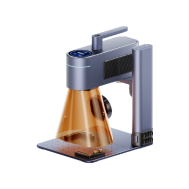


Acrylic has become widely used across the UK for signage, creative projects, and rapid prototyping. Whether you're producing shop displays or personalised crafts, achieving clean edges and precise dimensions is essential for a professional finish. Choosing the right cutting machine therefore plays a crucial role.
Different cutting methods can produce vastly different results, and not every tool is suitable for acrylic. In this guide, we'll explore the main types of acrylic cutting machines, how they work, and how to choose the best option for fast, accurate cutting based on your needs.

In this article:
- Part 1: What Is an Acrylic Cutting Machine?
- Part 2: Four Common Types of Acrylic Cutting Machines and Tools
- Type 1: Manual Acrylic Cutting Tools
- Type 2: Saw and Mechanical Cutting Machines
- Type 3: CNC Routers for Acrylic Cutting
- Type 4: Laser Cutting Machines for Acrylic
- Part 3: Which Laser Cutting Machine Is Suitable for Acrylic?
- Part 4: FAQs About Acrylic Cutting Machines
Part 1: What Is an Acrylic Cutting Machine?
An acrylic cutting machine is designed to cut acrylic sheets into precise shapes and sizes. These machines range from simple handheld tools to advanced computer-controlled systems. Their main purpose is to deliver clean cuts with accurate dimensions and smooth edge quality.
Because acrylic is rigid yet brittle, it requires a different cutting approach compared to materials like wood or metal. Excessive pressure, vibration, or heat can cause cracking or uneven edges. When selecting an acrylic cutting machine, it's important to consider not only cutting performance but also how well the machine controls force, heat, and movement.
Acrylic cutting machines are widely used across the UK in both industrial settings and home workshops. They help transform flat sheets into functional components, decorative pieces, or finished products, while high precision reduces the need for additional finishing.
Common Applications
Acrylic cutting machines are used across a range of industries and creative fields, including:
- Signage and retail displays
- Product showcases
- Decorative panels
- Lighting components
- Architectural models
- DIY and craft projects
- Personalised gifts
As acrylic is often chosen for its clarity, maintaining clean, polished edges during cutting is especially important.
Features of Acrylic
Acrylic has several unique properties that make it more challenging to cut than other materials:
- Rigid yet brittle: prone to chipping if stress is uneven
- Heat-sensitive: softens under heat but may melt if not properly controlled
- Highly visible surface quality: even small imperfections are noticeable
Because of these characteristics, precision, stability, and controlled cutting are essential when working with acrylic.
Part 2: Four Common Types of Acrylic Cutting Machines and Tools
Several machines and cutting tools are commonly used for acrylic fabrication, each offering different levels of precision, speed, and material compatibility. The best option depends on factors such as acrylic thickness, design complexity, edge quality, and production requirements .
Type 1: Manual Acrylic Cutting Tools
Manual tools typically include scoring knives and handheld acrylic cutters. These tools work by scoring a line into the acrylic sheet before snapping it along the marked edge.
Advantages:
- Cost-effective and beginner-friendly
- Lightweight and portable
- Suitable for straight cuts on thin acrylic sheets
- No electricity required
Limitations:
- Limited to straight-line cutting only
- Lower cutting precision
- Rougher edge finish
- Not suitable for intricate shapes or thick acrylic, which may crack more easily
Type 2: Saw and Mechanical Cutting Machines
This category includes table saws, band saws, and jigsaws fitted with blades designed for plastics.
Advantages:
- Cuts thicker acrylic sheets more quickly than manual tools
- Commonly available in workshops and maker spaces
- Suitable for rough cutting and basic shaping
Limitations:
- Physical blade contact can cause edge chipping or melting
- Lower precision for detailed designs
- Edges often require sanding or polishing after cutting
Type 3: CNC Router for Acrylic Cutting
CNC routers use rotating cutting bits controlled by computer software to shape acrylic sheets with precision. The router follows digital files while moving along X, Y, and Z axes to cut, engrave, or carve acrylic.
This method is commonly used for:
- Shop signage
- Custom panels
- Display units
- Functional parts
- 3D relief designs
Because the cutting bit makes direct contact with the material, optimised feed rates and spindle speeds are required to minimise cracking, chipping, or edge melting.
Advantages:
- Consistent results across repeated projects
- Suitable for thicker acrylic materials
- Handles complex shapes and cut paths
- Ideal for small to medium production runs
Limitations:
- Bit contact may leave tool marks
- Cutting bits wear over time and require replacement
- Fine detailing is more limited compared with Laser Cutting Machines
Type 4: Laser Cutting Machine for Acrylic
Laser Cutting Machines use a focused laser beam to cut acrylic without direct physical contact. The laser melts or vaporises material along a programmed cutting path, producing clean and accurate results.
This method is ideal for:
- Decorative products
- Retail signage
- Prototypes
- Intricate patterns and cut-outs
- Personalised acrylic gifts
Because the process is non-contact, acrylic experiences minimal stress, reduced material waste, and highly repeatable cutting quality.
Advantages:
- Extremely high precision
- Smooth and polished edges with minimal post-processing
- Excellent for intricate designs and small cut-outs
- Consistent results across batch production
- No physical stress or distortion on delicate materials
- Supports both cutting and engraving in one workflow
Limitations:
- Requires proper ventilation during operation
- Higher upfront investment than manual or mechanical tools
Acrylic Cutting Machine Comparison Table
| Cutting Method | Precision | Edge Quality | Complex Shapes | Maintenance | Best Use Case |
|---|---|---|---|---|---|
| Manual Tools | Low | Rough | No | Very Low | Basic straight cuts on thin sheets |
| Mechanical Saws | Medium | Variable | Limited | Medium | Thick acrylic sheets and rough shaping |
| CNC Router | Medium-High | Moderate | Yes | High | Structural parts and custom panels |
| Laser Cutter | High | Smooth | Excellent | Low | Detailed, clean acrylic cutting and engraving |
How to Choose a Laser Cutter for Acrylic
Not all Laser Cutting Machines perform equally well when processing acrylic. To achieve reliable cutting quality, consider the following factors:
Stability and Motion Accuracy
Acrylic requires smooth and stable movement during cutting. Vibrations or inconsistent motion can result in rough edges or inaccurate dimensions, especially when cutting transparent acrylic.
Look for:
- Rigid machine construction
- Accurate motion control systems
- Stable rail or track mechanisms
Heat and Power Control
Acrylic can crack, chip, or melt if exposed to excessive heat.
A suitable laser cutter should provide:
- Precise power adjustment
- Stable laser output
- Non-contact cutting performance to reduce material stress
Air Assist Capability
Air assist is highly beneficial when cutting acrylic.
Benefits include:
- Clearing debris from the cutting area
- Reducing burn marks
- Improving edge cleanliness
- Supporting more consistent cuts
Machines with external air pump support are generally more reliable for acrylic processing.
Cutting and Engraving Compatibility
Many acrylic applications require both cutting and engraving.
A machine capable of both functions allows you to:
- Add logos, text, or decorative patterns
- Maintain accurate alignment between cuts and engravings
- Reduce production time by using one setup
Ease of Use and Workflow Efficiency
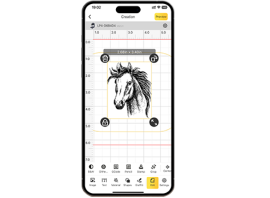
User-friendly software and intuitive controls improve workflow efficiency, particularly for detailed or repeated projects.
Consider machines that offer:
- Simple design import options
- Reliable software compatibility
- Efficient project setup and control
By considering these factors, you can identify which Laser Cutting Machines are best suited for regular acrylic cutting and engraving projects.
Part 3: Which Laser Cutting Machine Is Suitable for Acrylic?
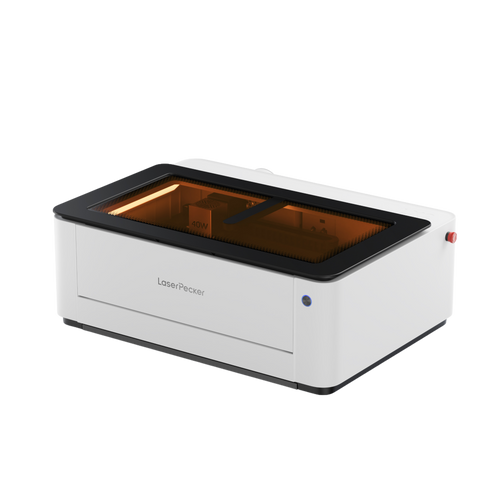
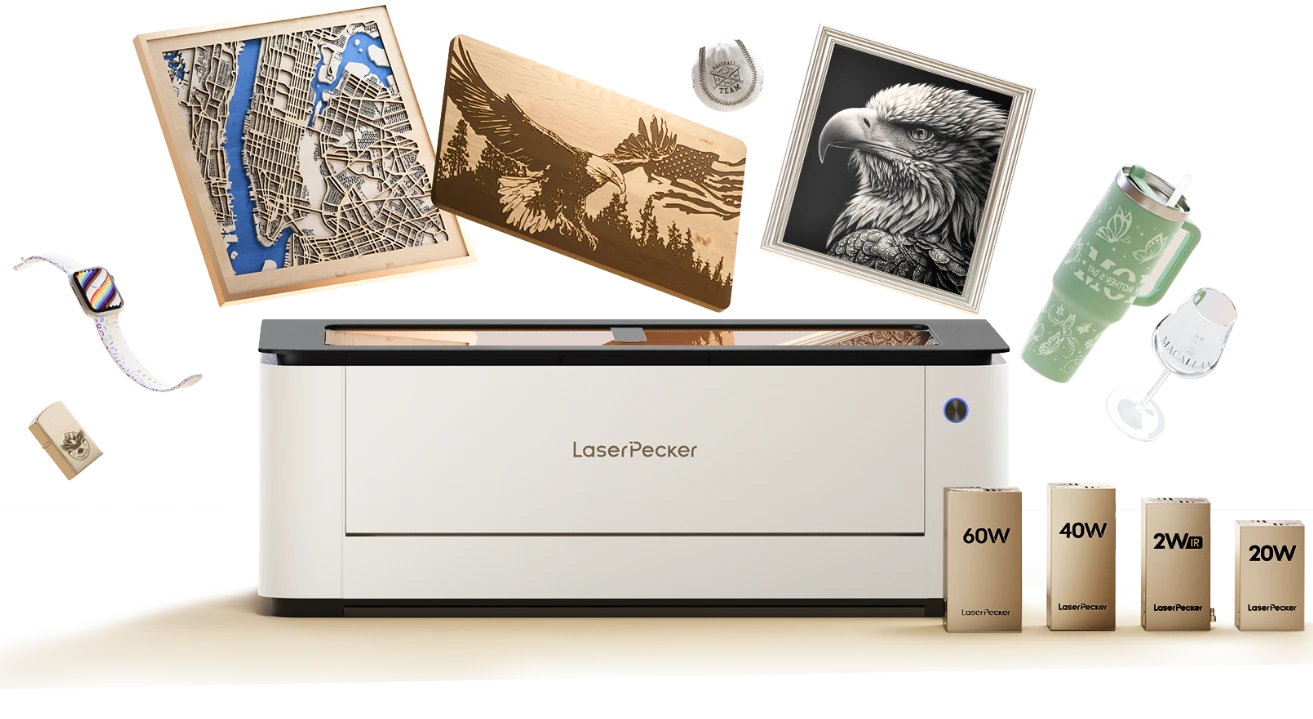
When selecting among Laser Cutting Machines for acrylic, factors such as stability, motion accuracy, controlled heat, and air assist play a crucial role. For users in the UK, the LaserPecker LX2 is a reliable option for both cutting and engraving acrylic in home workshops or small business environments.
The LaserPecker LX2 cuts acrylic using a non-contact laser process. This means the material is not exposed to mechanical pressure, vibration, or tool drag. As a result, the risk of cracking or uneven edges is significantly reduced, producing smooth, polished edges that typically require little to no post-processing.
This machine is well-suited for handling detailed designs, including curves, fine cut-outs, and layered elements. It is commonly used for:
- Retail signage
- Decorative items
- Personalised acrylic products
- Precision components
In addition to cutting, the LaserPecker LX2 also supports engraving, allowing you to add text, patterns, or intricate details within a single workflow. This improves efficiency and ensures accurate alignment between cutting and engraving.
For improved cutting performance, pairing the machine with an air pump is highly recommended. The airflow helps to:
- Remove debris from the cutting path
- Reduce burn marks
- Improve edge clarity and consistency
In terms of safety, the LX2 supports Class 1 Laser Safety: LX2, making it suitable for indoor use when operated correctly. For users in the UK, it can also be combined with air purification solutions to maintain a cleaner and safer working environment.
Overall, for those looking for a compact and efficient solution within the category of Laser Cutting Machines, the LaserPecker LX2 offers a strong balance of precision, ease of use, and versatility for acrylic cutting and engraving.
Part 4: FAQs about Acrylic Cutting Machines
Q1. What are the most common mistakes when cutting acrylic?
Common mistakes include applying excessive pressure, using incorrect speeds, or failing to stabilise the material properly. These issues can lead to cracking, melting, or uneven edges. Selecting the appropriate cutting method and optimising machine settings can significantly improve results.
Q2. How much laser power is needed to cut acrylic?
The required laser power depends on the thickness of the acrylic and the cutting speed. Lower power settings combined with slower speeds can work for thinner sheets, while higher power enables faster and cleaner cuts.
It is recommended to test different settings before starting a final project. For most applications, 10W is considered a baseline, while higher power levels provide improved efficiency and edge quality. The LaserPecker LX2, available in 20W, 40W, and 60W configurations, supports a wide range of acrylic cutting requirements.
Q3. How can you prevent acrylic from chipping during cutting?
Chipping is typically caused by vibration or uneven stress. To minimise this:
- Secure the acrylic sheet firmly
- Avoid unnecessary contact during cutting
- Use stable, well-calibrated machine settings
Non-contact methods such as Laser Cutting Machines are particularly effective at reducing chipping.
Q4. Can all acrylic thicknesses be cut with a laser cutting machine?
Laser Cutting Machines can process a variety of acrylic thicknesses, but the maximum capacity depends on machine power and settings. Thicker sheets may require slower speeds or multiple passes.
For example, the LaserPecker LX2 can cut acrylic up to 20 mm thick in a single pass under suitable conditions, while maintaining clean and precise edges. Its adjustable power and speed settings allow consistent performance across different material thicknesses.
Q5. Is laser cutting better than CNC routing for acrylic?
Laser cutting is generally preferred for acrylic when high precision, smooth edges, and intricate detailing are required. It produces minimal post-processing work.
CNC routing, on the other hand, is better suited for structural components or thicker materials where edge finish is less critical. For most decorative or detailed acrylic applications, Laser Cutting Machines offer superior results.
Q6. What type of acrylic is best for laser cutting in the UK?
Cast acrylic is typically preferred for laser cutting because it produces cleaner edges and better engraving results. Extruded acrylic can also be cut, but it is more prone to melting and may result in less consistent finishes.
Q7. Do you need ventilation when using laser cutting machines for acrylic?
Yes, proper ventilation is essential when using Laser Cutting Machines. Cutting acrylic can produce fumes and odours, so using an air extraction or filtration system helps maintain a safe and comfortable indoor working environment.
Conclusion
Acrylic cutting machines differ in cost, functionality, and cutting quality. While basic tools may be suitable for simple tasks, they are less effective for achieving detailed designs or a clean, professional finish. CNC routers provide computer-controlled precision, but still rely on physical contact with the material.
Among all options, Laser Cutting Machines offer one of the most efficient and precise methods for working with acrylic. As a non-contact process, laser cutting produces smooth edges and supports complex shapes with high consistency. This makes it particularly suitable for applications that require accuracy and a refined finish.
Machines such as the LaserPecker LX2 combine both cutting and engraving capabilities, making them a practical solution for UK users, including small businesses and workshop-based creators working with acrylic.
Ultimately, choosing the right machine depends on the type of acrylic, project requirements, and the level of finish you want to achieve.