
































Working with felt may look straightforward, but it quickly becomes challenging when you encounter uneven edges or frayed corners. Unlike paper, felt is soft, compressible and prone to shifting, which makes clean, precise cuts more difficult.
As you move beyond simple DIY projects into more detailed designs—such as decorations or soft toys—choosing the right felt cutting machine becomes essential for consistent results.
In this guide, we'll explore the most common types of felt cutting machines, outline their advantages and limitations, and help you find the best option for your creative needs in the UK.

In this article:
- Part 1: Four Popular Types of Felt Cutting Machines
- Type 1: Handheld Rotary Cutters
- Type 2: Manual and Electric Round Knife Cutters
- Type 3: CNC Knife Cutting Machines
- Type 4: Laser Felt Cutting Machines
- Part 2: Why Laser Cutting Machines Are a Great Choice for Felt
- Part 3: Beginner Tips for Cutting Felt Cleanly at Home
- Part 4: FAQs about Felt Cutting Machines
Part 1: Four Popular Types of Felt Cutting Machines
Type 1: Handheld Rotary Cutters
Handheld rotary cutters are often the go-to starting point for beginners. They use a rolling blade—simply apply pressure and glide across the felt to cut. They're ideal for straight lines, gentle curves, and quick craft tasks.
Lightweight, affordable, and requiring no electricity, they're a favourite among UK crafters working on simple DIY projects.

However, achieving a clean cut depends heavily on hand control. Thicker felt may compress under pressure, leading to uneven edges. Blades also wear down over time, which can result in tearing rather than smooth cutting. These tools are best suited for smaller projects using soft felt.
Type 2: Manual and Electric Round Knife Cutters
Round knife cutters feature a larger rotating blade and can be operated manually or powered electrically. Compared to handheld cutters, they offer smoother and more consistent cutting performance.
They are particularly useful for thicker felt, as the rotating blade maintains even pressure throughout the cut. Electric models help reduce hand fatigue and improve efficiency—especially beneficial for repetitive tasks.
That said, because the blade still makes physical contact with the felt, material shifting or compression can occur. Regular blade sharpening or replacement is required, and some practice is needed to achieve precise results.

Type 3: CNC Knife Cutting Machines
CNC knife cutting machines are computer-controlled systems commonly used in workshops and manufacturing environments. They are designed for high-precision cutting and can handle large sheets of felt with complex patterns and repeatable accuracy.
These machines excel in consistency and scalability, making them ideal for bulk production.
However, they come with higher costs, larger footprints, and a steeper learning curve. Setup time and software operation may be challenging for beginners or small studios. For most UK hobbyists, CNC machines may be excessive unless working at a commercial scale.
Type 4: Laser Felt Cutting Machines
Laser cutting machines use a focused beam to cut felt without physical contact. Instead of applying pressure, the laser heat vaporises the material, keeping the felt flat and producing clean, sealed edges that reduce fraying.
Because the cutting path is controlled by software, laser machines deliver exceptional precision and consistent results—even for intricate designs.
In addition to cutting, many systems can engrave patterns, textures, or logos directly onto felt in a single process. This makes them highly versatile for custom projects, layered designs, and small business production.
For users in the UK, laser cutters are increasingly popular for home workshops thanks to their compact size, precision, and ability to handle both creative and commercial tasks.
Comparison of Felt Cutting Machines
| Machine Type | Precision | Edge Quality | Speed | Maintenance | Best For |
|---|---|---|---|---|---|
| Handheld Rotary Cutter | Low–Medium | Variable | Slow | Frequent blade changes | Simple home crafts |
| Round Knife Cutter | Medium | Moderate | Medium | Blade sharpening | Thicker felt, straight cuts |
| CNC Knife Cutter | High | Clean | High | Professional upkeep | Industrial production |
| Laser Cutting Machine | Very High | Clean & sealed | Very High | Minimal | Detailed designs, small businesses |
Part 2: Why a Laser Cutting Machine Is a Great Choice for Felt
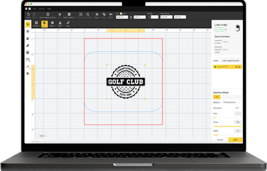
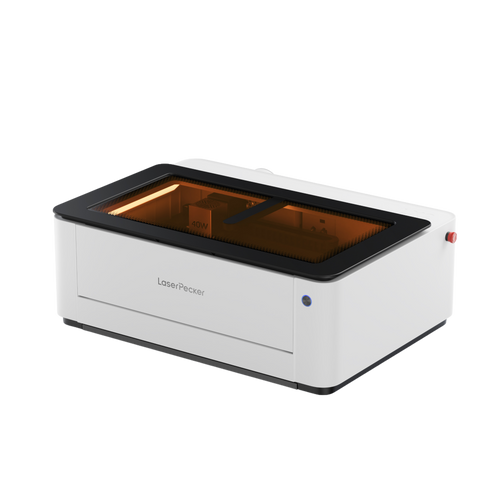
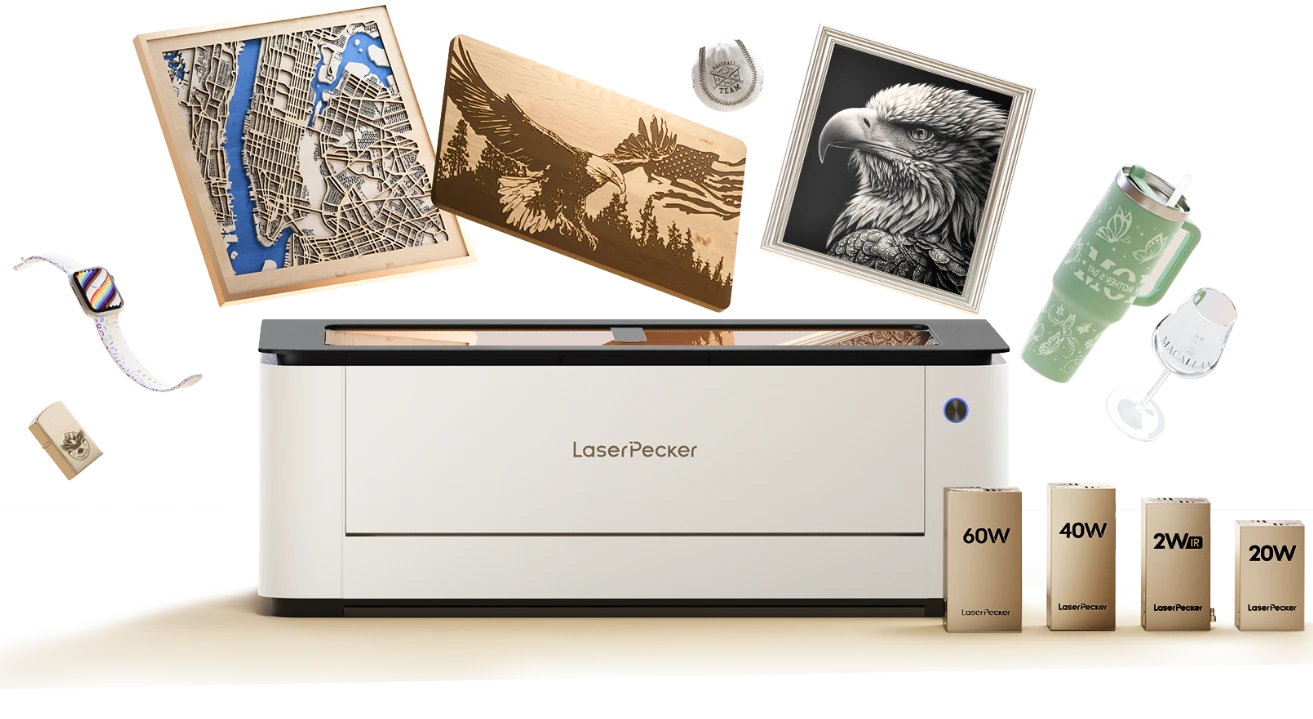
Modern desktop laser cutters address many of the common challenges associated with cutting felt. For instance, the LaserPecker LX2 demonstrates how advanced technology enables highly precise and detailed cutting with minimal effort.
One of the key advantages is precision. The LX2's high-speed system can accurately follow intricate paths, making it ideal for cutting fine details, small holes, and delicate patterns—tasks that are difficult to achieve with traditional blades.
Another major benefit is non-contact cutting. As there is no physical blade involved, there is no wear and tear, significantly reducing maintenance costs over time. You won't need to sharpen or replace blades, and the cutting quality remains consistently high.
Laser cutting also excels at handling complex and layered designs. From lace-style decorations to geometric cut-outs, even intricate hollow patterns can be produced cleanly in a single process.
In addition, the LaserPecker LX2 supports both cutting and engraving. You can cut shapes while simultaneously engraving textures, stitching guides, or logos—saving time and ensuring perfect alignment.
For users in the UK, the LX2 also offers Class 1 Laser Safety, making it suitable for home workshops and indoor creative environments without compromising on safety.
How to Choose the Right Felt Cutting Machine for You
Choosing the right machine depends on how your materials, workspace, and long-term goals come together. Here are the key factors to consider:
1. Based on Your Project Needs
- For simple or occasional crafts: manual tools may be sufficient
- For detailed designs or commercial work: a laser cutter offers the precision and consistency required
2. Based on Felt Thickness
- Thin felt: compatible with most tools
- Thick felt: requires consistent cutting force
- Laser cutters handle varying thicknesses without compressing the material
3. Based on Usage Frequency
- Frequent use demands reliable, low-maintenance equipment
- Laser machines maintain consistent performance without blade wear
4. Based on Workspace
- CNC machines require significant space
- Desktop solutions like the LaserPecker LX2 are compact and ideal for home studios or small workshops
5. Based on Budget vs Long-Term Value
- Laser machines may involve higher upfront costs
- However, they reduce material waste, minimise rework, and lower maintenance expenses over time
6. Based on Precision Requirements
Ideal for:
- Small lettering
- Layered designs
- Intricate cut-outs
- Manual tools typically cannot achieve this level of detail
7. For Custom Work and Small Businesses
Laser cutting enables:
- Fast production
- Repeatable accuracy
- Easy design adjustments
- This makes it particularly suitable for UK-based small businesses and Etsy-style creators
Part 3: Beginner Tips for Cutting Felt Cleanly at Home
Achieving clean felt cuts at home isn't about investing in the most expensive equipment—it's about using the right techniques from the start. With a few practical habits, even beginners can produce neat and professional-looking results.
Tip 1: Choose the Right Cutting Method for Your Felt Type
Not all felt behaves the same. Soft craft felt is easier to cut, while dense or industrial felt requires more precision and cutting power. Always match your cutting method to the thickness and purpose of the material.
Tip 2: Start with Simple Shapes Before Moving to Complex Designs
Begin with basic shapes to understand how felt responds during cutting. This helps you build confidence and avoid mistakes before progressing to more detailed patterns.
Tip 3: Secure the Felt Properly Before Cutting
Keeping the felt flat is essential for clean edges. Use weights, clips, or a sticky cutting mat to prevent movement. Even when using machines such as the LaserPecker LX2, a stable surface improves accuracy and consistency.
Tip 4: Test Cut on a Small Piece First
Always perform a test cut on a scrap piece before starting your final project. This allows you to check settings, avoid material waste, and ensure optimal cutting quality—especially important when working with laser machines.
Part 4: FAQs about Felt Cutting Machines
Q1. What Is the Best Felt Cutting Machine for Beginners?
If you're just starting out and want clean, consistent edges without a steep learning curve, laser machines are often the best choice. Unlike manual tools that rely heavily on hand control, a desktop laser cutter uses digital precision to deliver accurate results. This allows beginners to focus more on design rather than cutting technique.
Q2. Is Laser Cutting Safe for Home Use?
Yes—modern laser machines are designed with safety in mind. Many desktop models feature enclosed designs, ventilation systems, and built-in safety protections. Options like the LaserPecker LX2 also offer Class 1 Laser Safety, making them suitable for home workshops in the UK when used correctly.
Q3. Can Laser Cutting Felt Burn or Produce Odours?
Laser cutting felt can produce a slight smell, particularly with synthetic materials. However, using proper ventilation and optimised settings significantly reduces burning and discolouration. Many users pair their setup with air purification for a more comfortable indoor workspace.
Q4. What Thickness of Felt Can a Laser Cutter Handle?
A desktop laser cutter can handle most common felt thicknesses found in craft shops. For thicker materials, adjusting power settings or using multiple passes can help achieve clean cuts without compromising edge quality.
Q5. Can One Machine Both Cut and Engrave Felt?
Yes, this is one of the key advantages of laser machines. They can cut shapes and engrave patterns, logos, or stitching guides in a single process—saving time and ensuring perfect alignment.
Q6. Do I Need Ventilation When Using a Laser Cutter at Home?
Yes, proper ventilation is recommended when using a desktop laser cutter. While modern machines are enclosed, extracting fumes or using an air purifier helps maintain air quality—especially when working with synthetic felt.
Q7. Are Laser Cutting Machines Worth It for Small Craft Businesses?
For UK-based Etsy sellers or small craft businesses, laser machines offer excellent value. They improve production speed, ensure repeatable quality, and allow for easy customisation—making them ideal for scaling up without sacrificing precision.
Conclusion
Working with felt doesn't have to be complicated. By understanding how different cutting machines interact with felt, you can choose the right tool for your specific projects and achieve cleaner, more consistent results.
While manual cutting tools still have their place for simple tasks, laser machines offer a clear advantage in terms of precision, speed, and versatility. This is why they have become a preferred choice for many UK-based crafters and small business owners.
Whether you're creating at home or building a small craft business, it's worth considering a desktop laser cutter such as LaserPecker LP2 Plus or LaserPecker LX2. With software-driven accuracy, non-contact cutting that prevents material distortion, sealed edges that reduce fraying, and the ability to both cut and engrave in one process, these machines can help turn your ideas into clean, professional-quality felt products.