































Cutting fabric accurately can be challenging. Even small mistakes may lead to uneven edges and wasted material—especially with fabrics like cotton or denim. As projects scale up, manual cutting becomes time-consuming and less consistent. This is a common issue for small business owners and designers who need precise, repeatable results to maintain high standards.
Fabric cutting machines offer a reliable solution, but not all machines perform the same. In this guide, we explore four types of fabric cutting machines, how they work, and how to choose the right option for your needs.

In this article:
- Part 1: What Is a Fabric Cutting Machine
- Part 2: 4 Best Cutting Machines for Fabric
- Choice 1: Handheld Electric Rotary Cutters
- Choice 2: Manual and Electric Round Knife Cutters
- Choice 3: Industrial CNC Fabric Cutters
- Choice 4: Laser Cutting Machine for Fabric
- Part 3: How to Choose the Right Fabric Laser Cutting Machine for You
- Part 4: FAQs about Fabric Cutting Machines
Part 1: What Is a Fabric Cutting Machine?
A fabric cutting machine is a specialised tool designed to cut textiles more efficiently than traditional scissors. It offers greater accuracy, consistency, and speed—making it ideal for both hobbyists and small-scale production. By reducing manual effort, these machines help create cleaner edges and ensure repeatable results.
Depending on the type of machine, they can:
- Cut single or multiple layers of fabric
- Work with digital pattern files for precision cutting
- Minimise fraying for a neater finish
- Perform decorative cuts or markings
- Improve overall production efficiency
Some machines are designed purely for cutting, while others—such as laser cutters—can also engrave or mark fabric surfaces, adding extra versatility.
Part 2: 4 Best Cutting Machines for Fabric
Fabric cutting machines are not one-size-fits-all. Each type is built around a different cutting method, workflow, and level of control—directly influencing how the fabric behaves during cutting and the quality of the final result.
Choice 1: Handheld Electric Rotary Cutters
If you enjoy sewing, quilting, or crafting, you've likely used a rotary cutter. Electric versions operate in a similar way but include a motor for smoother cutting. They are easy to handle and well-suited to straight lines and simple shapes.
Key points:
- Lightweight and portable for home use
- Suitable for small-scale projects
- Requires a steady hand for accurate results
- Fabric may shift during cutting
- Less effective for intricate or detailed designs
Choice 2: Manual and Electric Round Knife Cutters
Round knife cutters are commonly used in garment workshops and medium-sized production settings. They feature a rotating circular blade that can cut through multiple layers of fabric efficiently.
Key points:
- Faster than handheld cutters for layered materials
- Suitable for fabrics such as cotton and denim
- Requires manual guidance and pressure
- Stretchy or soft fabrics may distort
- Practice needed for complex shapes and precision
Choice 3: Industrial CNC Fabric Cutters
Industrial CNC fabric cutters are widely used in large-scale manufacturing. These machines rely on computer-controlled systems to cut fabric with high precision based on digital patterns.
Key points:
- Extremely accurate and consistent results
- Ideal for bulk production and detailed patterns
- High cost and large footprint
- Requires dedicated workspace and setup
- Limited to cutting functions only
Choice 4: Laser Cutting Machine for Fabric
Laser cutting machines use a focused laser beam to cut fabric without physical contact. This non-contact process ensures high precision while maintaining fabric stability.
Key points:
- No physical contact reduces distortion
- Extremely precise cuts, ideal for intricate designs
- Seals edges during cutting, reducing fraying
- Compatible with fabrics like denim, linen, felt, and blends
- Suitable for custom work and small-batch production
Laser cutting machines are particularly effective when both accuracy and finish quality are essential, making them a popular choice for designers and small businesses in the UK.
Comparison Table of Fabric Cutting Machines
| Machine Type | Cutting Method | Precision | Speed | Fabric Distortion | Best Use Case |
|---|---|---|---|---|---|
| Handheld Electric Rotary Cutter | Manual rotary blade | Low–Medium | Low | High | DIY sewing, basic crafts |
| Round Knife Cutter | Rotating circular blade | Medium | Medium | Medium | Garment workshops |
| CNC Fabric Cutter | Computer-controlled blade | High | High | Low | Large-scale manufacturing |
| Laser Cutter for Fabric | Non-contact laser beam | Very High | Very High | None | Custom work, small businesses, precision cutting |
As shown above, each machine type serves a different purpose. However, when precision, repeatability, and fabric stability are priorities—especially for custom or small-batch production—laser cutting machines clearly stand out.
Part 3: How to Choose the Right Fabric Laser Cutting Machine for You
Choosing the right laser cutting machine depends on your workload, the types of fabric you use, and the level of precision required. Different users will prioritise different features based on their workflow.
Here's a quick guide based on common use cases:
- Hobbyists and DIY users: look for machines that are compact, affordable, and easy to operate
- Small businesses: prioritise precision, reliability, and ease of use for repeatable results
- Designers and studios: benefit from machines that support both cutting and creative applications such as engraving
- High-volume production: requires speed, consistency, and efficient processing
For users who need professional-level results without investing in industrial equipment, desktop solutions offer an excellent balance of performance and practicality.
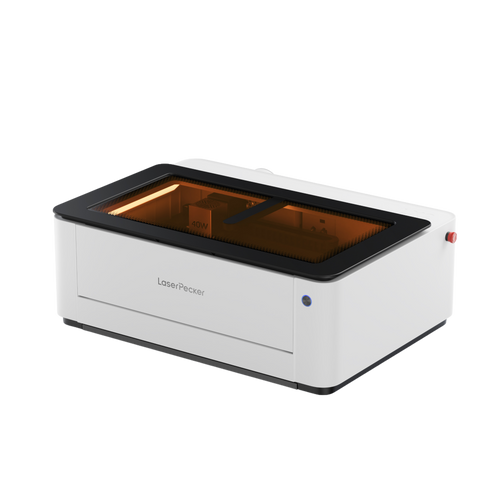
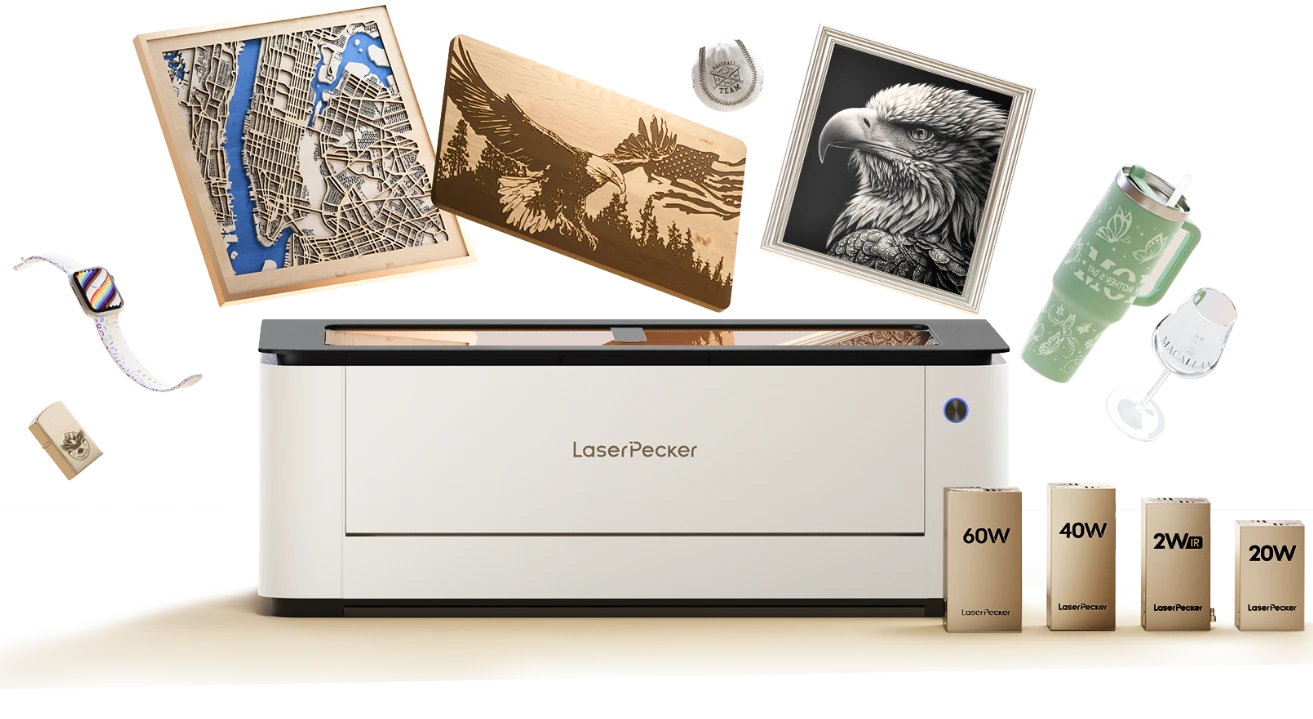
A strong example is the LaserPecker LX2, designed specifically for small studios and custom fabric applications. It delivers engraving speeds of up to 1000 mm/s with acceleration reaching 10,000 mm/s²—ideal for fast, precise pattern replication and repeat production.
Key advantages include:
- Flexible laser modules: quick-swap system supporting 20W, 40W, 60W diode lasers and a 2W IR module
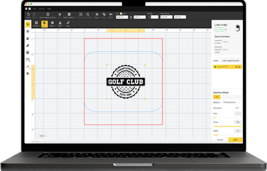
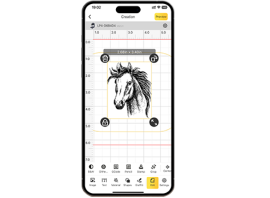
- High-precision alignment: point-to-shape positioning combined with a 12MP / 6K camera for accurate placement
- Compact yet spacious design: dual-door access allows handling of wider fabric layouts, even in limited workspaces
- Material versatility: suitable for various fabric types and thicknesses without changing tools
- Integrated functionality: supports both cutting and surface engraving in one workflow
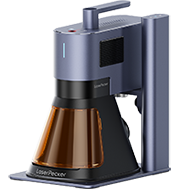
In addition, the LaserPecker LX2 features Class 1 Laser Safety, making it suitable for safer indoor use. It can also be paired with the LaserPecker Desktop Smoke Purifier, which helps filter fumes and odours generated during cutting and engraving—improving air quality in home or studio environments.
Overall, a laser cutting machine like the LX2 provides a reliable, flexible solution for users who need precision, safety, and creative control in fabric processing.
Part 4: FAQs about Fabric Cutting Machines
Q1. What Is the Best Fabric Cutting Machine for a Small Business?
For small businesses in the UK, a laser cutting machine is often the preferred choice. It offers high precision, fast processing, and a compact footprint—ideal for limited workspace environments. Models such as the LaserPecker LX2 also support engraving, making them suitable for custom orders and small-batch production.
Q2. Can Laser Cutting Damage Fabric?
No—when correctly configured, a laser cutting machine will not damage fabric. Instead, it heat-seals the edges during cutting, which helps prevent fraying. Issues typically arise only when power or speed settings are incorrect. Testing on scrap fabric is recommended for optimal results.
Q3. Can Fabric Cutting Machines Handle Stretchy Materials Like Jersey?
Yes, but results vary depending on the cutting method. Traditional machines may distort stretchy fabrics due to physical pressure. In contrast, a laser cutting machine uses a non-contact process, helping maintain the fabric's shape and ensuring accurate cuts.
Q4. Do I Need a Computer to Operate a Fabric Cutting Machine?
Most modern machines rely on digital design files. However, many now include user-friendly software and visual alignment systems, making operation straightforward—even for beginners using a laser cutting machine.
Q5. Can I Use an Overlock Machine for Cutting Fabric?
An overlock (serger) machine can trim edges while sewing, but it is not designed for cutting patterns or precise shapes. Its main purpose is edge finishing rather than full fabric cutting.
Q6. Is Laser Cutting Safe for Home or Studio Use?
Yes, many modern machines are designed with safety in mind. For example, the LaserPecker LX2 features Class 1 Laser Safety, making it suitable for indoor environments. When paired with a smoke purification system, it can also help reduce fumes and odours during operation.
Conclusion
Fabric cutting machines come in a wide range of sizes and types to suit different needs and budgets. While basic tools remain suitable for simple tasks, laser cutting machines are increasingly becoming the preferred option for creators who value precision, speed, and creative flexibility.
One key advantage of a laser cutting machine is its non-contact process, which helps prevent fabric distortion and ensures clean, accurate results. In addition to cutting, many systems also support engraving—opening up more possibilities for custom designs and personalised projects.
For small businesses and designers in the UK looking to enhance efficiency and output quality, solutions like the LaserPecker LX2 offer professional-level performance in a compact, user-friendly format.