










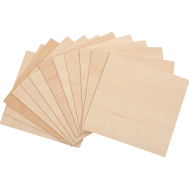
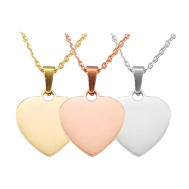
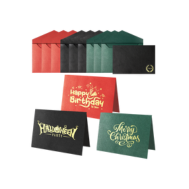






















CNC cutters and laser cutters are two of the most widely used tools in modern cutting and engraving. Across the UK, they are commonly found in woodworking, metalworking, sign-making, craft production, and even prototyping environments. Both technologies offer powerful capabilities and have become essential in a wide range of industries
However, they operate in very different ways — each with its own advantages, limitations, and ideal use cases. In this guide, we’ll provide a detailed comparison of CNC machines and laser cutters to help you choose the most suitable option for your specific needs.
For users in the UK, factors such as workspace size, electrical compatibility, and safety standards (including laser classifications) can also influence the final decision when selecting the right machine.

In this article:
- Part 1: What Is a CNC Cutter
- Part 2: What Is a Laser Cutter
- Part 3: CNC Cutter vs Laser Cutter: 8 Key Differences
- Part 4: CNC Cutter vs Laser Cutter: How to Choose
- Part 5: FAQs about CNC vs Laser Cutter
Part 1: What Is a CNC Cutter?
A CNC cutter, often referred to as a CNC router, is a computer-controlled machine used to cut, carve, and shape materials with high precision. It works by taking digital designs created in CAD/CAM software and converting them into precise movement instructions for the cutting tool.
Unlike laser cutters, CNC machines use rotating cutting bits or blades to physically remove material. This makes them particularly suitable for 3D shaping and deep cutting applications, where material needs to be carved rather than burned or etched.
CNC cutters are compatible with a wide range of materials, including:
- Wood (especially hardwoods)
- Metals such as aluminium
- Plastics and acrylics
- Foams
- Composite materials
As a result, they are widely used across the UK in industries such as manufacturing, woodworking, and engineering workshops, where producing durable and highly detailed components is essential.
For UK users, CNC machines are especially popular in larger workshops where space, ventilation, and dust management systems can be properly accommodated.

Pros and Cons of CNC Cutting Machines
Pros:
- Suitable for tough materials such as hardwood, plastic, and metal
- Capable of precise 3D cutting and shaping
- Highly durable and reliable for industrial or long-term use
- Ideal for large-scale manufacturing and batch production
Cons:
- Slower than laser cutters when handling fine or highly detailed designs
- Requires direct contact with the material, leading to tool wear and regular maintenance
- Produces noise and dust during operation, requiring proper extraction systems
- Takes more time to learn, set up, and operate effectively
Part 2: What Is a Laser Cutter?
Laser cutters use a highly focused beam of light to cut, engrave, or mark materials with exceptional precision. The laser works by heating, melting, or vaporising the material along a predefined path, resulting in clean and accurate cuts.
Because the process is non-contact, there is no physical tool touching the surface. This significantly reduces mechanical wear, making Laser cutters especially suitable for intricate designs and fine-detail work.
These machines are widely used across the UK in:
- Sign-making businesses
- Design studios
- Small workshops and home-based craft setups
Laser cutters are capable of working with a variety of materials, including:
- Wood
- Plastics and acrylic
- Leather and fabric
- Paper and cardboard
- Thin metals (depending on laser power)
For users in the UK, compact desktop models are particularly popular for home workshops, especially when paired with proper ventilation or air purification systems to ensure safe indoor use.
Pros and Cons of the Laser Cutter
Pros:
- Extremely high precision, ideal for detailed and complex designs
- Non-contact process means no tool wear or replacement
- Compatible with a wide range of materials, including wood, plastic, and leather
- Can cut and engrave in a single workflow
- Produces smooth, clean edges with minimal post-processing required
Cons:
- Limited cutting depth compared to CNC machines for certain materials
- Requires careful safety management due to fumes and high-intensity laser beams
- Less suitable for deep carving or heavy material removal
Part 3: CNC Cutter vs Laser Cutter: 8 Key Differences
CNC machines and Laser cutters are both widely used for cutting and engraving, but they operate in fundamentally different ways. Understanding these differences will help you choose the most suitable tool for your specific projects.
For users in the UK, considerations such as workspace size, noise levels, and indoor safety requirements often play a key role when comparing these two technologies.
1. Cutting Method
- CNC cutters remove material using rotating bits or blades, making them ideal for carving and shaping solid materials.
- Laser cutters use a concentrated beam of light to cut or engrave without physical contact, delivering extremely fine precision.
2. Precision and Accuracy
- Laser cutters excel at intricate designs, fine text, and detailed engraving.
- CNC cutters are better suited for deeper cuts and 3D shaping, although tool marks may require sanding or finishing.
3. Applicable Materials
- CNC cutters: hardwood, MDF, plywood, soft metals (such as aluminium or brass), plastics, foam, and composites
- Laser cutters: wood, acrylic, leather, fabric, paper, plastics, coated metals, and thin metal sheets (depending on laser type)
4. Cutting and Engraving Speed
- Laser cutters are faster for engraving and cutting thin materials.
- CNC cutters operate more slowly due to physical material removal but perform better for thick materials and 3D carving.

5. Cost and Maintenance
- CNC machines often have a lower initial cost but require ongoing maintenance due to tool wear.
- Laser cutters typically involve a higher upfront investment but have lower mechanical wear and maintenance needs.
6. Size/Footprint
- CNC machines are usually larger and require dedicated workshop space.
- Laser cutters are more compact, with many desktop options suitable for small studios or home use.

7. Noise Level
- CNC machines generate significant noise from motors and cutting action.
- Laser cutters are much quieter, with most sound coming from ventilation or exhaust systems.
8. Residue & Cleanliness
- CNC machines produce dust, chips, and debris that require regular cleaning.
- Laser cutters generate minimal debris, with smoke or light residue that can be managed using air purifiers or exhaust systems.

Comparison Table - CNC Cutter VS Laser Cutter
| Feature | CNC Cutter | Laser Cutter |
|---|---|---|
| Cutting Method | Mechanical cutting (rotating bits) | Non-contact cutting (laser beam) |
| Precision | High for carving; less suitable for ultra-fine detail | Extremely high; ideal for engraving and fine detail |
| Materials | Thick wood, metals, composites | Wood, acrylic, leather, coated metals, thin metals |
| Speed | Slower; best for 3D and deep cutting | Faster; ideal for engraving and thin materials |
| Maintenance | Frequent tool replacement; bit wear | Lower mechanical wear; requires lens and nozzle care |
| Ease of Use | Steeper learning curve (CAM setup, fixturing) | Easier operation with software presets |
| Size / Footprint | Large; requires workshop space | Compact; suitable for desktop and small studios |
| Noise Level | Loud (mechanical cutting noise) | Quiet to moderate (fan and airflow noise) |
| Cleanliness | Produces dust and debris | Minimal debris; cleaner finish |
Part 4: CNC vs Laser Cutter: How to Choose?
Choosing between a CNC cutter and Laser cutters ultimately depends on your project requirements, materials, and budget. Below is a practical guide to help you decide which option best suits your needs.
For users in the UK, factors such as available workspace, indoor safety, and ease of setup are also important when selecting the right machine.
When to Choose a CNC Cutter
A CNC cutter is the better choice if you:
- Work with durable materials such as thick wood, hard plastics, or metals
- Need to carve, mill, or shape objects in 3D
- Focus on heavy-duty production where strength and durability matter more than fine detail
- Have a limited budget and do not require high-speed engraving
When to Choose a Laser Cutter
Laser cutters are the ideal option if you:
- Need high precision for engraving logos, text, or intricate patterns
- Work with delicate or thin materials such as wood, acrylic, leather, or paper
- Want clean edges without sanding or additional finishing
- Prefer a low-maintenance and compact machine for studios, classrooms, or home use
- Require faster production with minimal post-processing
If your priority is precision, speed, and ease of use, Laser cutters are often the more efficient solution. Their compact size and clean operation make them especially suitable for home studios and creative workspaces.
For UK users, enclosed or safety-enhanced models are particularly valuable for indoor use, especially when paired with proper ventilation or air purification systems.

Recommended Option for Precision and Versatility
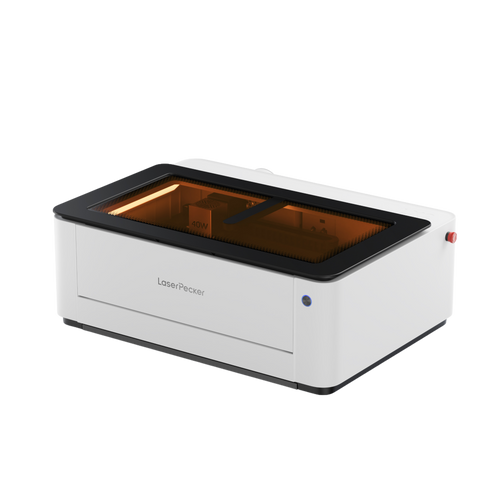
If you are looking for a reliable machine for both cutting and detailed engraving, the LX2 Laser Cutter is a strong option to consider.
It offers:
- Cutting capability of up to 20 mm dark acrylic and 22 mm wood
- Engraving speeds of up to 1,000 mm/s
- High precision for detailed designs and batch production
This makes the LX2 Laser Cutter well-suited for professionals and serious hobbyists who require both performance and flexibility in their workflow.
Part 5: FAQs about CNC vs Laser Cutter
1. CNC vs Laser Cutter for Metal: Which Is Better?
CNC cutters are generally the better option for machining thick metals, especially in industrial environments. They can remove large amounts of material efficiently, provided that durable cutting tools are used and properly maintained.
Laser cutters, particularly fibre laser systems, are ideal for engraving metal and cutting thin sheets such as aluminium, brass, or stainless steel with high precision.
In summary:
- Choose CNC for heavy-duty metal cutting
- Choose Laser cutters for precision engraving and thin metal work
2. CNC vs Laser Cutter for Wood: Which Is Better?
Both CNC machines and Laser cutters can process wood, but they serve different purposes.
- CNC cutters are best for thick wood, structural components, and 3D carving
- Laser cutters are ideal for engraving, fine detailing, and cutting thin materials such as plywood
For example, CNC is commonly used for furniture production, while Laser cutters are preferred for decorative or artistic applications.
3. What Cannot Be Cut with a Laser Cutter?
Laser cutters cannot safely process certain materials due to the risk of harmful fumes or poor cutting performance.
Avoid using:
- PVC or vinyl (releases toxic chlorine gas)
- Teflon (PTFE)
- Polycarbonate (can burn poorly and produce fumes)
- Very thick metals or dense stone (beyond most machine capabilities)
Always check material compatibility and ensure proper ventilation before use.
4. How Thick Can a Laser Cutter Cut?
The cutting thickness depends on the type and power of the machine.
- Entry-level diode Laser cutters can typically cut a few millimetres of wood or acrylic
- More advanced machines can cut up to:
- 20 mm wood
- 15 mm acrylic
- Around 1 mm thin metal sheets (e.g. aluminium or brass)
Industrial laser systems can cut much thicker materials but require significantly higher power and specialised setups.
5. Is CNC Cutting Cheaper Than a Laser Cutter?
CNC machines often have a lower upfront cost, making them attractive for beginners or small workshops.
However, ongoing costs such as tool replacement, maintenance, and slower production speeds can increase long-term expenses.
Laser cutters, while more expensive initially, typically offer:
- Lower maintenance
- Faster processing speeds
- Higher efficiency for detailed work
As a result, they can be more cost-effective over time, depending on your usage.
6. What Is the Best Option for Home Workshops in the UK?
For UK users setting up a home workshop, Laser cutters are often the preferred choice due to their compact size, quieter operation, and ease of use.
Models with enclosed designs or enhanced safety features are particularly suitable for indoor environments, especially when combined with proper ventilation or air purification systems.
Conclusion
Both CNC machines and laser cutters are powerful tools,and the right choice ultimately depends on what you plan to make.
If your work involves deep carving, structural shaping, or processing thick materials such as solid wood or metal, a CNC cutter is the more suitable option. On the other hand, if you prioritise precision, speed, and clean results — especially for engraving, fine cutting, or intricate designs — Laser cutters offer a clear advantage.
In summary:
- Choose CNC cutters for strength, depth, and heavy-duty applications
- Choose Laser cutters for accuracy, efficiency, and detailed work
For users in the UK, Laser cutters are increasingly popular in home workshops and creative studios due to their compact size, quieter operation, and ease of use.