































Glass engraving is a popular way to personalise items such as home décor, drinkware, jewellery, awards, and gifts. Whether you're adding a name to a wine glass, engraving decorative patterns onto a vase, or branding glassware for a small business, choosing the right tool can significantly impact the final result.
In the UK, more hobbyists and small business owners are turning to glass engraving as an accessible way to create bespoke products with a professional finish.
As engraving technology continues to evolve, glass engraving has become more beginner-friendly—making it easier than ever to get started at home while still achieving high-quality results.
In this guide, we'll explore six essential glass engraving tools for 2026, helping you choose the best option based on your needs, experience level, and creative goals.

In this article:
- Part 1: Common Use Cases of Glass Engraving
- Part 2: How to Choose the Right Glass Engraving Tool for Your Needs
-
Part 3: Six Popular Glass Engraving Tools
- Type 1: Diamond-Tipped Engraving Pen
- Type 2: Carbide Scribe / Tungsten Carbide Etching Needle
- Type 3: Electric Engraving Pen
- Type 4: Mini Rotary Tool
- Type 5: Sandblasting Gun
- Type 6: Laser Engraving Machine for Glass
- Part 4: Which Glass Engraving Tool Is Best in 2026
- Part 5: FAQs About Glass Engraving Tools
Part 1: Common Use Cases of Glass Engraving
Glass engraving is used across a wide range of applications, from commercial branding to creative DIY projects.
In the UK, it's especially popular among small businesses, gift makers, and hobbyists looking to create personalised and bespoke products. Here are some common use cases:
- Wine, whisky, and champagne glasses engraved with names or monograms
- Glass jars, ornaments, and photo frames customised as meaningful gifts
- Logos engraved on glassware or signage for bars, cafés, and independent businesses
- Decorative engraving on vases, mirrors, and interior glass panels
- Memorial items and engraved awards for special occasions
- Artistic etched designs created for personal projects or leisure
With the right tools, you can engrave a wide variety of text and designs—from simple names and dates to floral patterns and detailed company logos. This versatility makes glass engraving a popular choice for both personal use and small-scale production in the UK.
Part 2: How to Choose the Right Glass Engraving Tool for Your Needs
Before choosing a glass engraving tool, it's important to consider a few key factors that will affect both your results and overall experience.
In the UK, many beginners start with simple hand tools for occasional projects, while small business owners often invest in more advanced machines for consistent, high-quality output.
Here's what to think about:
-
Level of detail required
Intricate designs, logos, or fine artwork require higher precision tools, whereas simple text or names can be achieved with basic engraving pens. -
Project size and scope
Engraving small items like glasses or jewellery is very different from working on larger surfaces such as mirrors or glass panels. Choose a tool that matches your typical project size. -
Skill level
Manual tools often require practice and control, making them better suited to those willing to develop hands-on skills. In contrast, laser engraving machines offer greater accuracy and are easier to operate for beginners seeking consistent results. -
Budget considerations
Entry-level engraving pens can cost as little as £10–£20, while advanced laser engraving systems represent a higher upfront investment. -
Production volume
For one-off or occasional projects, hand tools are usually sufficient. However, if you plan to produce multiple items—such as personalised gifts or products for sale—a laser engraver is a more efficient and scalable option.
Understanding your goals—whether it's casual crafting or running a small engraving business—will help you choose the most suitable tool for your needs in the UK market.
Part 3: Six Popular Glass Engraving Tools
There are several types of glass engraving tools available, each suited to different skill levels, project types, and levels of precision.
In the UK, beginners often start with manual tools for small-scale crafts, while more advanced users and small businesses tend to adopt powered or laser-based solutions for improved consistency and efficiency.
Type 1: Diamond-Tipped Engraving Pen
A diamond-tipped engraving pen is one of the most widely used tools for hand engraving glass. Its ultra-hard tip scratches the surface with precision, making it ideal for fine lines, small text, and simple decorative patterns.
This tool is affordable, portable, and requires no electricity—making it a go-to choice for beginners and hobbyists in the UK.
Best for:
- Freehand drawing and outlines
- Signatures, names, and simple designs
- Quiet, portable use without power
Limitations:
- Requires a steady hand and good control
- Results may be less consistent compared to machine engraving
- Not suitable for large or highly detailed projects
Type 2: Carbide Scribe / Tungsten Carbide Etching Needle
A carbide scribe, also known as a tungsten carbide etching needle, is designed for engraving hard materials like glass. Its rigid, sharp tip allows for controlled and precise marking with excellent durability over time.
Compared to diamond-tipped pens, it offers a firmer feel, making it particularly useful for straight lines and technical markings.
Best for:
- Straight lines and outlines
- Labelling or scoring glass surfaces
- Clean, shallow engravings
Limitations:
- Fully manual, requiring skill and pressure control
- Limited to simple designs
- Not ideal for shading or complex artwork
Type 3: Electric Engraving Pen
An electric engraving pen uses a small motor to create rapid vibrations or rotations, allowing users to engrave with less physical effort compared to manual tools.
For UK beginners, this is often a practical upgrade from manual pens, offering better consistency and reduced hand fatigue.
Best for:
- Beginners and casual users
- Simple patterns, text, and light shading
- Longer engraving sessions with less strain
Limitations:
- Limited precision for intricate designs
- Results depend on hand stability
- Not as refined as professional engraving methods
Type 4: Mini Rotary Tool
A mini rotary tool operates at high speed with interchangeable bits, allowing users to engrave deeper and more varied designs on glass surfaces.
With diamond-coated bits, it can create textures and more detailed patterns, making it a versatile choice for hobbyists and small workshops in the UK.
Best for:
- Detailed designs and deeper engraving
- Versatile creative projects
- Textures and light relief effects
Limitations:
- Steeper learning curve
- Risk of chipping or cracking glass if used incorrectly
- Less suitable for consistent, repeatable production
Type 5: Sandblasting Gun
A sandblasting system uses high-pressure abrasive material to etch glass surfaces evenly, producing a smooth, frosted finish.
In the UK, this method is commonly used by small businesses and workshops for signage, branding, and decorative glass panels.
Best for:
- Large designs and surface coverage
- Frosted effects and uniform finishes
- Logos and professional signage
Limitations:
- Requires bulky equipment and proper ventilation
- Higher setup cost
- Limited fine detail compared to laser engraving
Type 6: Laser Engraving Machine for Glass
A laser engraving machine uses a focused beam to mark or etch glass with exceptional precision. It can produce intricate patterns, detailed text, logos, and even photo-quality engravings.
For users in the UK, laser engravers are increasingly popular among small business owners and serious hobbyists due to their ability to deliver consistent, repeatable, and professional results.
Many modern machines also support safer operation setups, making them suitable for home workshops when used correctly.
Best for:
- Highly detailed designs and complex artwork
- Logos, personalised gifts, and photo engraving
- Batch production and commercial use
Limitations:
- Higher initial investment
- Requires power supply and setup
- Learning curve for beginners
Part 4: Which Glass Engraving Tool Is Best in 2026
In 2026, laser engraving machines are widely considered the best option for glass engraving due to their precision, speed, and ease of use. Whether you're working from a home setup or running a small business in the UK, they offer consistently clean and professional results.
Compared to manual and semi-powered tools, laser engravers provide greater accuracy and repeatability—making them ideal for both personalised one-off items and batch production.
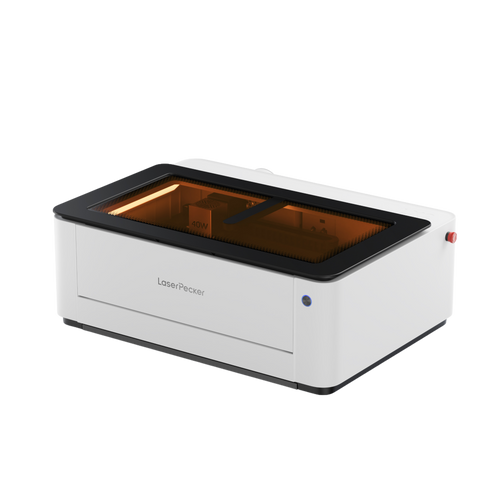
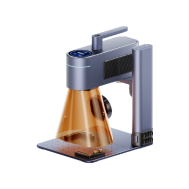
Top Pick: LP2 Plus + LaserPecker Rotary Extension
The LP2 Plus stands out as a compact yet powerful engraving solution, offering excellent speed, precision, and versatility for beginners and small businesses in the UK.
Equipped with a 10W diode laser, it delivers deeper engraving and fine detail across a wide range of materials, including coated glass surfaces. When engraving glass, applying a marking spray, laser marking paper, or a dark coating can significantly improve contrast and visibility.
Why the LP2 Plus is ideal for glass engraving:
- High-speed engraving up to 4,000 mm/s for efficient workflows
- 10W diode laser for deeper cuts and clean, precise results
- Supports 100+ materials, including wood, acrylic, leather, and coated metals
- Dual red-dot focusing for quick and accurate alignment
- Compact and portable design, ideal for flexible workspaces
- Multi-angle engraving capability, suitable for different setups
Rotary Engraving for Glassware
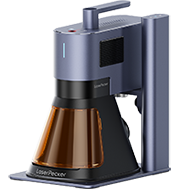
When paired with the LaserPecker Rotary Extension, the LP2 Plus can engrave cylindrical and curved glass items with consistent accuracy.
Suitable for engraving:
- Wine glasses
- Whisky tumblers
- Beer mugs
- Water bottles
- Glass bottles
The rotary system ensures smooth rotation and even engraving, reducing distortion and improving overall quality.
For UK users, this combination is ideal for:
- Personalised gift businesses
- Craft markets and pop-up stalls
- Home-based engraving setups
It offers a practical and cost-effective way to produce professional-quality glass engravings.
Which Type of Glass Is Best for Engraving?
Choosing the right type of glass is essential for achieving high-quality results and ensuring safety during the engraving process.
Recommended Glass Types
These types of glass are generally safe and respond well to both laser and mechanical engraving methods:
- Soda-lime glass
- Borosilicate glass (e.g. Pyrex)
- Crystal glass (lead-free preferred)
- Frosted glass
- Stained glass
- Non-tempered drinkware
These materials tend to react consistently, reducing the risk of cracking and producing cleaner engraving results.
Glass Types to Avoid
Certain types of glass are not suitable for standard engraving tools and may pose safety risks:
- Tempered glass – prone to shattering due to internal stress
- Laminated glass – inner layers may melt or burn
- Low-quality glass – uneven composition increases cracking risk
- Coated glass – coatings may melt or release fumes during engraving
Whenever possible, it's best practice to test your engraving settings on a spare piece before working on the final item. This helps minimise errors and ensures optimal results.
Part 5: FAQs About Glass Engraving Tools
Q1. What tools are needed for glass etching and engraving?
To get started, you can use tools such as diamond-tipped engraving pens, rotary tools with diamond burrs, sandblasting equipment, or laser engraving machines.
For beginners in the UK, a manual engraving pen or rotary tool is usually sufficient for simple projects. However, for professional results or small business use, laser engravers are the preferred option due to their speed, accuracy, and ability to handle repeat designs—especially when used with a rotary attachment for curved glassware.
Q2. Can you engrave tempered glass?
Engraving tempered glass is not recommended. Due to internal stress within the material, even minor engraving can cause it to shatter unexpectedly.
While industrial systems may handle tempered glass under controlled conditions, most home or workshop tools—including lasers—are not suitable. For safety, it's best to use non-tempered glass.
Q3. What are common glass engraving mistakes?
Some of the most common mistakes include:
- Applying too much pressure when engraving
- Using the wrong engraving bit or tool
- Choosing unsuitable glass types
- Skipping surface cleaning before engraving
- Incorrect laser settings (power, speed, or focus)
Testing your setup on a spare piece of glass is highly recommended to avoid damaging your final project.
Q4. What is the difference between glass etching and engraving?
Glass etching typically involves removing a thin surface layer using chemicals or abrasive blasting, resulting in a frosted appearance.
Glass engraving, on the other hand, cuts deeper into the surface using tools such as rotary bits or lasers, creating more defined and durable markings.
Q5. Is laser engraving better than hand engraving on glass?
Laser engraving is generally better for precision, consistency, and speed—making it ideal for logos, text, and batch production.
Hand engraving, however, offers a more artistic and unique finish, which may appeal to those creating one-of-a-kind decorative pieces. The best choice depends on your goals.
Q6. What is the best glass engraving tool for beginners in the UK?
For beginners, a diamond-tipped or electric engraving pen is an affordable way to start. However, these tools often require steady hands and can produce inconsistent results.
For more reliable and professional outcomes, entry-level laser engraving machines are becoming increasingly popular in the UK. They offer greater precision, repeatability, and ease of use with minimal manual effort.
A great beginner-friendly option is the LaserPecker LP2 Plus, which is compact, easy to operate, and suitable for engraving coated glass surfaces. It provides a smoother learning curve while delivering cleaner and more consistent results compared to manual tools—making it ideal for hobbyists and small home-based projects.
Conclusion
Glass engraving offers a wide range of creative and commercial opportunities, from personalised gifts to branded glassware. While manual and electric tools are suitable for beginners and occasional projects, they have clear limitations in precision, speed, and consistency.
For those in the UK looking to sell engraved glass or scale up production, laser engraving machines provide the most effective long-term solution in 2026. Compact and beginner-friendly options such as the LaserPecker LP2 Plus deliver reliable, high-quality results with fast engraving speeds and excellent versatility.
With its portable design, ease of use, and compatibility with rotary accessories for glassware, the LP2 Plus makes it easier to create professional, customised products—whether you're running a small business, selling online, or working from a home studio.