
































Stone engraving has been used for centuries to create artwork, memorial pieces, signage, and functional decorative items. Today, engraved stone remains a popular choice across the UK for memorial plaques, garden decorations, personalised gifts, and small business craft products because of its durability and timeless appearance.
Whether you're a hobbyist, a craft enthusiast, or running a small engraving workshop, there are now several stone engraving tools available ― each suited to different materials such as granite, slate, or marble. Choosing the right tool is essential for achieving clean, precise results, especially when working with stones of varying density and surface texture.
In 2026, modern engraving technologies ― particularly compact laser engraving machines suitable for home studios in the UK ― make stone engraving more accessible than ever. This guide introduces four of the best stone engraving tools, explains their strengths and limitations, and helps you decide which option best fits your projects.

In this article:
-
Part 1: Four Stone Engraving Tools You Need to Know
- Type 1: Laser Engraving Machines
- Type 2: Impact Engraving Machines
- Type 3: Sandblasting Machines
- Type 4: CNC Engraving Machines
- Part 2: Which Stone Engraving Tool Is Best?
- Part 3: Tips for Choosing the Right Stone Engraving Tools
- Part 4: FAQs about Stone Engraving Tools
Part 1: Four Stone Engraving Tools You Need to Know
Stone engraving today typically involves four main types of tools: laser engraving machines, impact engraving machines, sandblasting machines, and CNC engraving machines. Each tool is suited to different engraving depths, materials, and project sizes ― from personalised slate gifts and memorial plaques to architectural stone signage commonly produced across the UK.
Understanding how each method works helps you choose the most suitable solution for your workspace, whether you're engraving at home, in a small studio, or in a professional workshop.
Type 1: Laser Engraving Machines
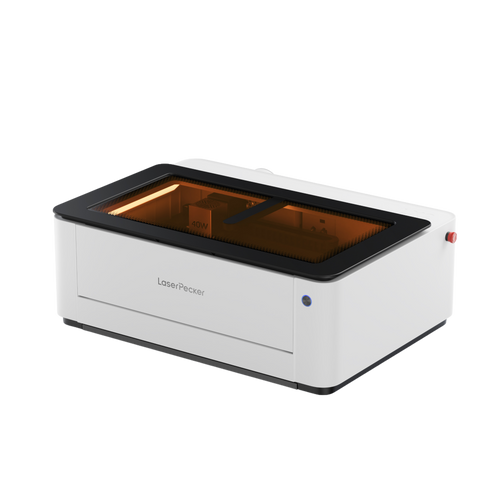
Laser engraving machines represent one of the most advanced and accessible technologies for engraving stone today. They use a precisely focused light beam to remove material from the surface, allowing users to create intricate patterns, text, and photo-quality designs with excellent accuracy.
For hobbyists and small craft businesses in the UK, compact desktop laser engravers are especially popular because they are space-efficient and suitable for indoor workshop environments.
How It Works
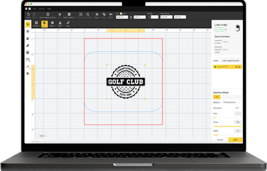
Laser engraving machines direct a concentrated beam onto the stone surface, where the material is either vaporised or thermally altered to create the design. A dedicated software or mobile app controls the engraving process ― users simply upload their artwork and adjust parameters such as speed and contrast before engraving begins.
Some advanced laser engravers can make 3D effects on stone, which gives your designs depth and creates a carved appearance that works particularly well for decorative plaques, personalised gifts, and signage.
Pros of Laser Engraving Machines
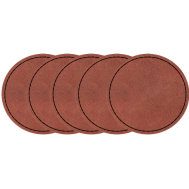
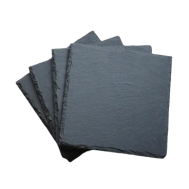
- They work with many types of stone: Laser engravers perform well on popular materials used across the UK craft market, including slate coasters, granite memorial plaques, marble ornaments, and sandstone décor pieces.
- They're extremely precise: Laser engraving machines can produce sharp lettering, detailed patterns, and photo-style engravings that are difficult to achieve with manual engraving tools.
- Ideal for repeat production: Once a design is saved, it can be engraved repeatedly with consistent positioning and quality. This makes laser engraving especially useful for Etsy-style craft sellers and personalised product businesses.
- 3D Effects: Some laser engraving machines can make 3D effects on stone, which gives your designs depth and enhances the visual quality of decorative signage and customised stone artwork.
For users working indoors, modern enclosed laser engravers with safety shielding can also support safer home workshop engraving setups when combined with proper ventilation or smoke purification solutions.
Type 2: Impact Engraving Machines
Impact engraving machines create markings by rapidly striking the stone surface with a hardened tip. Instead of continuous cutting, the tool taps repeatedly to chip away material, making it particularly effective on dense stones such as granite, marble, and slate.
Across the UK, impact engraving is widely used for cemetery lettering, memorial plaques, industrial identification plates, and outdoor signage where deep, long-lasting text readability is essential.
Because the engraving penetrates deeper into the stone surface, results remain visible even after years of outdoor exposure.
However, impact engraving machines typically produce simpler layouts compared to laser engraving machines and may generate noticeable noise during operation, especially in smaller workshops.
Best for: deep inscriptions, stone plaques, memorial engraving
Limitations: limited detail, noisy operation, not ideal for complex artwork
Type 3: Sandblasting Machines
Sandblasting machines engrave stone by directing high-pressure abrasive particles onto the surface to gradually remove material. By applying rubber or vinyl stencils, users can control engraving areas and produce bold lettering with consistent depth.
This method is commonly used across the UK for engraving cemetery headstones, heritage signage, architectural stone features, and large outdoor memorial plaques.
Sandblasting produces durable, weather-resistant results, especially on granite and marble surfaces exposed to outdoor conditions.
However, sandblasting systems require larger workspace setups, extraction systems, and protective equipment. Because of these requirements, they are typically better suited to professional stone workshops rather than home-based engraving environments.
Best for: large-scale projects, deep engraving, outdoor stone applications
Limitations: bulky setup, safety requirements, limited fine detail
Type 4: CNC Engraving Machines
CNC engraving machines use computer-controlled rotary cutting tools to physically carve into the stone surface. Unlike surface marking methods, CNC engraving removes material layer by layer, making it ideal for relief carving, deep text engraving, and detailed geometric patterns.
Professional workshops across the UK frequently use CNC stone engraving machines for architectural stone panels, sculptures, engraved signage, and custom stone furniture components.
With suitable tooling and software, CNC machines can produce complex designs with excellent repeatability.
However, CNC engraving systems typically require more installation space, dust extraction planning, and technical setup compared with compact laser engraving machines. Because of this, they are generally better suited to experienced users or commercial production environments rather than small indoor studios.
Best for: deep carving, complex designs, professional stone work
Limitations: high cost, large space requirement, steep learning curve
Comparison Table: Stone Engraving Tools Overview
| Tool | Precision | Speed | Best For | 3D Effects | Batch Production | Notes |
|---|---|---|---|---|---|---|
| Laser Engraving | High | Fast | Complex patterns, photos | Yes | Excellent | Works on marble, granite, slate, sandstone |
| Impact Engraving | Medium | Medium | Text, simple logos | No | Limited | Durable markings on hard stone |
| Sandblasting | Medium | Medium | Large plaques, textured designs | Limited | Moderate | Requires stencils; workshop setup needed |
| CNC Engraving | High | Slow | Geometric designs, text | Limited | Good | Mechanical cutting; tooling required |
Part 2: Which Stone Engraving Tool Is Best?
In 2026, laser engraving machines remain one of the most practical and versatile choices for both hobbyists and professional users working with stone. They support a wide range of materials, deliver excellent engraving precision, and allow designs to be reproduced consistently ― making them ideal for personalised stone gifts, slate coasters, memorial plaques, and small business production across the UK.
Compared with traditional engraving methods such as impact carving or sandblasting, compact laser engraving machines are also easier to operate in home workshops and studio environments, especially when space efficiency and repeat accuracy are important.
Recommended Product: LP5 Laser Engraver
A strong example of a modern stone engraving solution is the LP5 Laser Engraver, designed for users who want both portability and professional engraving capability.
The LP5 features a dual-laser system (20W fibre + 20W diode), giving it the flexibility to handle a wide range of engraving tasks on stone materials commonly used in the UK craft and memorial markets.
1. Strong Fibre Laser Performance
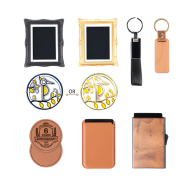
The fibre laser module is powerful enough to engrave dense stone surfaces such as marble and slate. It supports deeper engraving results and relief-style textures, allowing users to create detailed decorative artwork and personalised stone signage.
This capability also makes it possible to produce true 3D-style engravings with depth, texture, and a high-end sculpted appearance, which is especially valuable for premium craft products and commemorative plaques.
2. Fast Engraving Speed
With engraving speeds of up to 10,000 mm/s, the LP5 supports efficient production workflows. This makes it suitable for small craft businesses and personalised product sellers who need reliable repeat output.
3. Portable Workshop-Friendly Design
Its compact structure allows the machine to be powered using a mobile power source, making it suitable for flexible studio setups or on-site engraving work such as signage marking and event-based customisation services.
For UK users working from home studios or limited workshop spaces, portability can be a major advantage.
4. Smart Digital Control System
The LP5 integrates with dedicated engraving software and mobile apps, allowing users to upload designs quickly and engrave with consistent positioning accuracy. This reduces setup time and helps avoid unwanted marking outside the design area.
Part 3: Tips for Choosing the Right Stone Engraving Tools
When selecting a stone engraving tool, it's important to consider the type of stone, the level of detail required, and your working environment. The right choice depends on whether you're engraving occasionally at home or producing personalised stone products for customers.
Here are the key factors UK users should consider before choosing a stone engraving solution:
1. Stone Hardness
Different stones respond differently to engraving tools.
- Soft stone (e.g. sandstone) → suitable for sandblasting and light laser engraving
- Medium-density stone (e.g. slate) → ideal for laser engraving machines
- Hard stone (e.g. marble and granite) → best engraved using laser or impact engraving machines
Across the UK craft market, slate and granite are especially popular for personalised gifts, house signs, and memorial plaques, making laser engraving machines a practical and flexible choice.
2. Design Detail Requirements
If your projects involve photographs, logos, or detailed artwork, engraving precision becomes essential.
Laser engraving machines are particularly effective for:
- photo engraving
- fine lettering
- decorative borders
- personalised stone gifts
Compared with impact engraving or sandblasting, laser engraving produces cleaner edges and more consistent contrast on materials such as slate and marble.
3. Project Size and Production Volume
Think about how often you'll be engraving stone.
- Occasional hobby use → compact laser engravers are easy to operate at home
- Small business production → laser engraving machines support repeatable batch workflows
- Large architectural stone work → CNC or sandblasting systems may be more suitable
Many UK-based Etsy sellers and craft workshop owners choose desktop laser engraving machines because they balance speed, repeatability, and workspace efficiency.
4. Your Spending Plan
Your budget should reflect how frequently you plan to engrave stone.
For beginners:
Start with a compact engraving solution that supports multiple materials and simple setup.
For business users:
Investing in professional-grade laser engraving machines can significantly improve production efficiency, engraving consistency, and product quality when creating personalised stone items for sale.
Because laser engraving machines support both creative and commercial workflows, they are often considered one of the most cost-effective long-term engraving solutions.
5. Available Workspace and Ventilation
Workspace size plays an important role when selecting engraving equipment.
- Sandblasting systems require larger workshop areas and extraction setups
- CNC machines require dedicated installation space
- Compact laser engraving machines are suitable for indoor studio environments
For UK home workshops, enclosed laser engraving setups combined with smoke purification systems help support safer indoor engraving conditions while maintaining consistent engraving quality.
Part 4: FAQs about Stone Engraving Tools
Q1. What Is the Best Stone to Engrave?
Marble, granite, and slate are among the best stones for engraving because they provide strong contrast and long-lasting results. Slate is especially popular across the UK for personalised coasters, house signs, and memorial plaques due to its smooth surface and consistent engraving quality.
Softer stones such as sandstone or limestone can also be engraved, but lower power settings and slower engraving speeds are recommended to prevent surface chipping.
For photo engraving or fine artwork, marble and slate typically deliver the clearest results. It is best to avoid coated or chemically treated stone surfaces, as they may crack or discolour during engraving.
Q2. What Is the Best Laser Engraver for Stone?
Many users choose laser engraving machines with fibre laser capability when engraving stone because they provide higher contrast and deeper marking results.
A dual-laser system such as the LP5 is particularly useful when working across multiple materials, as it combines both fibre and diode laser technology. This allows users to engrave stone, metal, and coated materials using a single compact machine.
For common UK projects such as plaques, slate coasters, and engraved stone tiles, fibre laser engraving delivers reliable and professional-looking outcomes.
Q3. Do I Need a Computer to Use a Laser Engraver?
Not always.
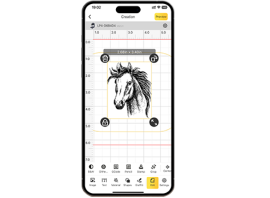
Many modern laser engraving machines support mobile app control for simple engraving tasks such as text, logos, or small decorative elements.
However, using a computer with professional engraving software such as LightBurn allows better control when working with:
- detailed photo engraving
- complex layouts
- repeated production jobs
- batch engraving workflows
This is especially useful for UK-based craft sellers producing personalised stone products.
Q4. Can You Engrave Any Type of Stone?
Most natural stones can be engraved successfully, but engraving quality depends on surface consistency and mineral composition.
Hard stones such as granite, slate, and marble typically produce the best results with laser engraving machines or CNC engraving systems.
Softer stones may require reduced power settings to avoid cracking. Always test a small area first, since natural stone density varies even within the same material type.
Avoid stones that are coated, resin-filled, or heat-treated, as these surfaces may react unpredictably during engraving.
Q5. Is Laser Stone Engraving Safe for Home Workshops in the UK?
Yes ― compact enclosed laser engraving machines are widely used in UK home workshops when proper safety precautions are followed.
Many users combine enclosed engravers with smoke purification systems to support safer indoor operation, especially when engraving slate or granite.
Machines designed with safety shielding help reduce exposure risks and make indoor engraving more practical for hobbyists and small craft businesses.
Q6. What Stone Projects Are Popular for UK Laser Engraving Beginners?
Beginners in the UK often start with simple projects that engrave cleanly and require minimal setup, such as:
- slate coasters
- house number signs
- garden plaques
- memorial keepsakes
- personalised gift tiles
These materials work especially well with compact laser engraving machines, making them ideal entry-level stone engraving projects.
Conclusion
Stone engraving offers a range of tools suited to different materials, engraving depths, and project goals. Laser engraving machines are especially effective for producing precise lettering, photo-style artwork, and personalised stone products, while impact engraving remains a reliable option for deep memorial text. Sandblasting is commonly used for large plaques and outdoor stone signage, and CNC engraving machines provide strong mechanical accuracy for structured patterns and architectural stone applications.
For many users across the UK ― particularly hobbyists, home workshop creators, and small craft businesses producing slate coasters, house signs, or memorial plaques ― compact laser engraving machines provide one of the most practical balances between precision, repeatability, and workspace flexibility.
By understanding how each engraving method performs on materials such as slate, marble, and granite, you can confidently choose the most suitable solution for your projects and create durable, high-quality stone engravings that support both creative expression and small-scale production needs.