





























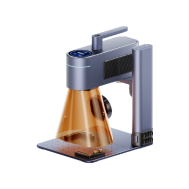


Silver engraving is a popular way to personalise jewellery, gifts, awards, and branded products. However, not every engraving tool delivers the same level of precision. Because silver has a highly reflective surface and relatively soft composition, choosing the wrong equipment can result in uneven marks, poor contrast, or unwanted scratches.
Today, several types of silver engraving tools are available, from traditional hand tools to rotary engravers and modern laser engraving machines. Each offers different advantages and limitations depending on your project, budget, and experience. This guide compares the most common options and explains why laser engraving has become the preferred solution for achieving professional-quality results on silver.

In this article:
- Part 1: What Makes Silver Engraving Challenging
- Part 2: 3 Types of Silver Engraving Tools
- Type 1: Laser Engraving Tools
- Type 2: Hand Engraving Tools
- Type 3: Rotary Engraving Tools
- Part 3: Why a Laser Engraver Is the Best Tool for Silver Engraving
- FAQs: Common Questions About Silver Engraving Tools
Part 1: What Makes Silver Engraving Challenging?
Silver is often considered an easy material to engrave because of its relatively soft composition. However, producing clean, consistent, and professional-looking results requires much more than simply cutting into the surface. On polished silver, even the smallest mistake can stand out, affecting both the appearance and the value of the finished piece.
Whether you're engraving jewellery, personalised gifts, trophies, or branded products, precision is essential. The right engraving tool can make the difference between a crisp, high-quality finish and a costly mistake.
Key Challenges in Silver Engraving
-
High Visibility of Mistakes
Silver's reflective surface makes scratches, uneven lines, burn marks, and engraving errors immediately noticeable, leaving little room for correction. -
Demand for Fine Detail
Many silver projects include names, dates, logos, or intricate artwork that require exceptional accuracy and repeatability. -
Sensitive Material Properties
Although silver is relatively soft, excessive force or poor heat control can cause scratches, distortion, or unwanted surface damage. -
Precise Depth Control
Engravings must be deep enough to remain visible without compromising the strength or appearance of the material. Achieving consistent depth is particularly important for professional results. -
Different Surface Finishes
Polished, brushed, or coated silver can respond differently during engraving, influencing contrast, edge sharpness, and overall quality.
Because of these challenges, selecting the right silver engraving tool is just as important as mastering the engraving technique itself. The following sections compare the three main types of engraving tools and explain which option delivers the best combination of precision, efficiency, and ease of use.
Part 2: 3 Types of Silver Engraving Tools
There are several tools to engrave silver, and each method uses different equipment to achieve different results. The best silver engraving tool depends on the level of detail you need, the size of your project, and whether you're creating one-off pieces or producing items in batches.
Below are the three most common types of silver engraving tools, together with their working principles, advantages, limitations, and ideal applications.
Type 1: Laser Engraving Tools for Silver
Laser engraving tools use a highly focused beam of light to create permanent marks on silver without making physical contact with the surface. Depending on the settings, the laser can produce oxidation, surface ablation, or precise engraved details while maintaining exceptional accuracy.
When engraving silver, a laser engraving tool typically uses an infrared (IR) laser or a fibre laser. These wavelengths are efficiently absorbed by silver, allowing clean, permanent marking with excellent precision and minimal risk of damaging delicate items such as jewellery, pendants, or thin silver sheets.
Pros
- Exceptional Precision: Perfect for fine text, detailed artwork, serial numbers, and intricate logos.
- Non-Contact Engraving: Eliminates mechanical pressure, reducing the risk of scratches or distortion.
- Professional Finish: Produces crisp lines and high-contrast markings with little or no post-processing.
- Excellent Repeatability: Ideal for personalised products and batch production with consistent quality.
- Optimised for Silver: Both an infrared (IR) laser and a fibre laser interact efficiently with silver for reliable, stable engraving.
Cons
- Higher Initial Investment: Laser systems generally cost more than traditional manual tools.
Best for: Jewellery makers, gift businesses, branding applications, personalised products, and anyone seeking high-precision, repeatable engraving on silver.
Type 2: Hand Engraving Tools for Silver
Hand engraving relies on traditional tools such as gravers, burins, and chisels to carve directly into the silver surface. Every cut is controlled manually, giving experienced craftspeople complete artistic freedom over line depth, texture, and style.
Pros
- Maximum Creative Control: Ideal for bespoke artwork and decorative hand-crafted designs.
- Unique Character: Every piece is individually engraved, creating a distinctive handmade finish.
Cons
- Steep Learning Curve: Producing professional results requires significant skill and years of practice.
- Limited Precision: Maintaining consistent detail in small text or complex patterns can be challenging.
- Difficult to Replicate: Reproducing identical designs across multiple pieces is time-consuming and inconsistent.
Best for: Artisan jewellers, traditional engraving, restoration work, and one-of-a-kind custom creations where craftsmanship is the priority.
Type 3: Rotary Engraving Tools for Silver
Rotary engraving tools use a rapidly spinning cutting bit to remove material through direct contact with the silver surface. They are available as handheld rotary tools or CNC-controlled machines that offer greater consistency for production work.
Compared with manual engraving, rotary tools improve speed and efficiency, but they still rely on mechanical cutting and cannot match the precision of laser technology for intricate designs.
Pros
- Effective Material Removal: Suitable for deeper engraving and bold lettering.
- Improved Productivity: Faster than hand engraving for straightforward designs and repetitive work.
Cons
- Reduced Fine Detail: Less suitable for delicate graphics or very small lettering.
- Physical Contact Required: The cutting bit can scratch or deform softer silver surfaces if not handled carefully.
Part 3: Why Laser Engraver is the Best Silver Engraving Tool
| Method | Precision | Speed | Contact | Edge Quality | Complex Designs | Setup Cost |
|---|---|---|---|---|---|---|
| Laser Engraving Tools | High | Fast | No (Non-contact) | Very Clean | Excellent | Medium to High |
| Hand Engraving Tools | Low | Slow | Yes (Manual Contact) | Variable | Limited | Low |
| Rotary Engraving Tools | Medium | Medium | Yes (Tool Contact) | Moderate | Moderate | Low to Medium |
When comparing all three methods, laser engraving offers the best overall balance of precision, efficiency, and consistency for silver projects. Whether you're producing personalised jewellery or professional branded products, its non-contact process delivers cleaner and more reliable results than traditional alternatives.
Reason 1: Non-Contact Precision
Unlike rotary or hand engraving, laser engraving never physically touches the silver surface. This greatly reduces the risk of scratches, distortion, or accidental damage while allowing extremely fine details, miniature text, and intricate artwork to be engraved with exceptional accuracy.
Reason 2: Outstanding Consistency
Computer-controlled engraving paths ensure every design is reproduced with identical quality. This makes laser engraving ideal for personalised orders, repeat production, and commercial jewellery businesses where consistency is essential.
Reason 3: Fast, Efficient, and Low Maintenance
Silver responds particularly well to infrared and fibre laser technology, allowing clean marking with minimal passes. Because there are no cutting bits or blades to wear out, maintenance requirements remain low while long-term engraving quality stays consistently high.
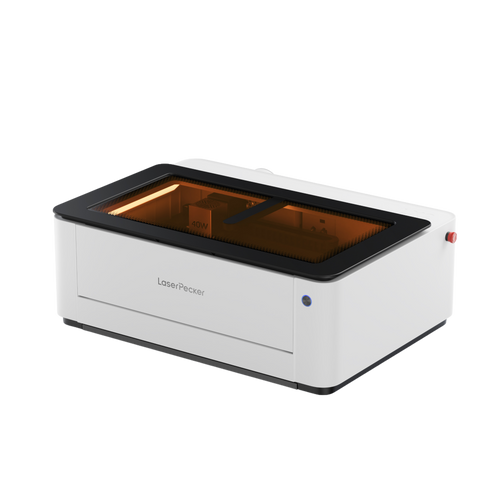
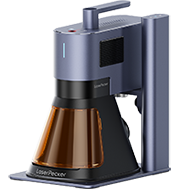
Recommended Silver Engraving Machine: LaserPecker LP5
For users in the UK looking for a versatile silver engraving solution, the LaserPecker LP5 combines speed, precision, and multi-material capability in a compact system. Equipped with both a 20W fibre laser and a 20W diode laser, it can engrave 925 silver, brass, stainless steel, wood, leather, acrylic, ceramics, and many other materials.


For users in the UK, the LP5 offers the following key advantages for silver engraving:
-
Fast Engraving for Personalisation
With engraving speeds of up to 10,000 mm/s, the LP5 can quickly customise silver rings, pendants, bracelets, nameplates, and gifts, making it well suited to bespoke orders and small business production. -
Precise Depth Control
Fine adjustment of power and passes enables layered textures, relief effects, and subtle 3D engraving while reducing the risk of overheating or damaging delicate silver pieces. -
Flexible Accessories
Rotary attachments allow accurate engraving on curved objects such as rings, bangles, and tumblers, while slide extensions expand the working area for trays, plaques, and larger silver products. -
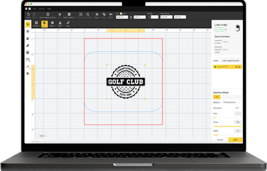
Intuitive Software Workflow
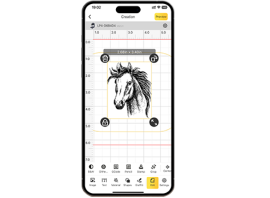
Compatible with LightBurn and LaserPecker Design Space, the LP5 gives users precise control over power, speed, and engraving parameters, making it easy to achieve repeatable, professional-quality results. -
Enhanced Safety for Indoor Studios
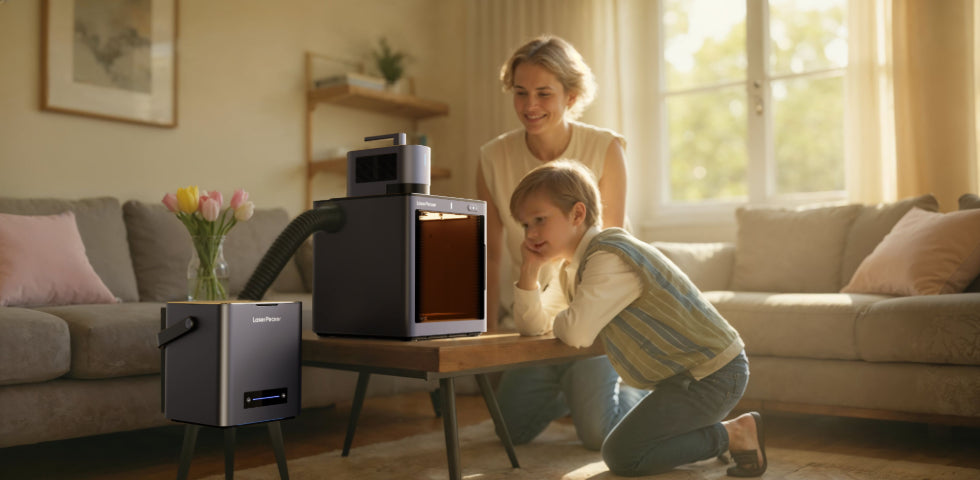
For UK home workshops, jewellery studios, and retail spaces, the LP5 can be paired with the LaserPecker LP5 Safety Enclosure to achieve Class 1 Laser Safety, providing an additional layer of protection for indoor operation. It can also be used with the LaserPecker Desktop Smoke Purifier, which filters smoke, fumes, and odours generated during engraving or cutting to help maintain a cleaner and more comfortable working environment.
FAQs: Common Questions About Silver Engraving Tools
Q1: Will a budget laser engraver work on 925 silver?
It depends more on the laser technology than the price. Standard blue diode lasers struggle to engrave bare 925 silver because the material reflects most of their energy. To engrave raw silver effectively, you'll usually need an infrared (1064nm) laser or a fibre laser, both of which are absorbed much more efficiently. With sufficient power, they can produce clean, permanent marks without the need for sprays or coatings.
Q2: Is silver easy to engrave?
Silver is relatively soft, but that doesn't necessarily make it easy to engrave. Its reflective surface highlights mistakes, while its softness means excessive pressure or heat can leave scratches or unwanted marks. Using the right engraving tool and settings is essential for achieving professional-quality results.
Q3: Why does my silver engraving look dull instead of shiny?
Dull engraving is often caused by oxidation, incorrect focus, or unsuitable power settings. To improve the finish:
To improve results:
- Check that the laser is correctly focused.
- Clean the silver surface before and after engraving.
- Use appropriate speed and power settings.
Q4: What is the best tool for engraving silver jewellery?
For detailed jewellery work, laser engraving is generally the best option. It provides non-contact precision, excellent repeatability, and can reproduce fine text or intricate designs without damaging delicate pieces. Hand engraving suits bespoke craftsmanship, while rotary tools are better for deeper but less detailed cuts.
Q5: Can you engrave silver rings and bracelets with a laser?
Yes. With the appropriate rotary extension, laser engravers can accurately engrave curved silver objects such as rings, bracelets, bangles, and pendants. Rotary accessories keep the design aligned while the object rotates, ensuring consistent results around the entire surface.
Q6: What type of laser is best for engraving silver?
An infrared laser or a fibre laser is generally the preferred choice for silver because these wavelengths are absorbed much more efficiently than standard blue diode lasers. They produce cleaner marks, better contrast, and more reliable engraving on bare silver surfaces, making them ideal for jewellery and professional customisation projects.
Conclusion
Silver engraving combines creativity with commercial potential, but achieving professional results depends on choosing the right engraving tool. While hand and rotary methods each have their place, laser engraving offers the best balance of precision, speed, and consistency for most applications.
With an infrared or fibre laser, users can create clean, detailed designs on silver with minimal effort and reliable repeatability. Whether you're personalising jewellery, producing branded products, or growing a small business in the UK, investing in the right laser engraving solution can improve quality, efficiency, and long-term productivity.