










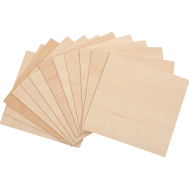
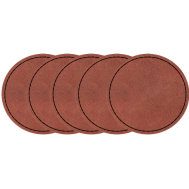
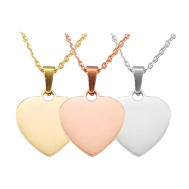
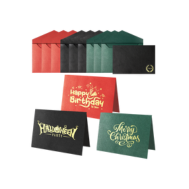



















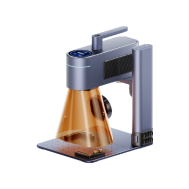


Leather engraving is a popular way to personalise items such as wallets, belts, bags, and journals. From traditional hand tools to modern laser engraving machines, each method offers different levels of precision, speed, and consistency.
The right tool depends on your goals—whether you're creating custom gifts, small-batch products, or scaling a business.
In the UK, laser engraving machines are increasingly favoured for their ease of use and consistent results in home workshops, while traditional tools remain popular among artisans seeking handcrafted textures.

In this article:
-
Part 1: 6 Essential Tools for Leather Engraving
- Tool 1: Laser Engraving Machines
- Tool 2: Cricut
- Tool 3: Swivel Knife
- Tool 4: Leather Stamping Tools
- Tool 5: Maul or Mallet
- Tool 6: Leather Carving Knife
- Part 2: Which Leather Engraving Tool Is Right for You?
- FAQs: Questions about Leather Engraving Tools
Part 1: 6 Essential Tools for Leather Engraving
Leather engraving can be done using a range of tools, from modern machines to traditional hand tools. Each option offers different levels of precision, efficiency, and creative control, depending on your workflow and experience level.
In this section, we'll introduce six essential leather engraving tools and machines. We'll outline what each one is best suited for and who should use it, helping you quickly identify the right solution for your engraving needs.
Tool 1: Laser Engraving Machines
Laser engraving machines use a highly focused beam of light to mark leather with precision. This allows for fine details, smooth shading, and consistent engraving depth—results that are difficult to achieve with manual tools.
They are ideal for engraving logos, text, illustrations, and repeat patterns. Because designs are digitally controlled, every piece remains consistent, making them perfect for custom orders, small businesses, and batch production.
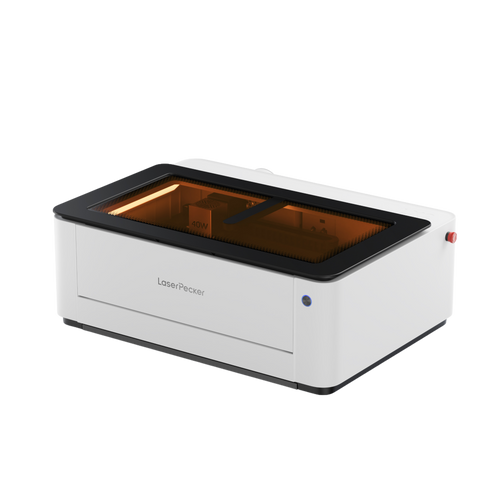
Recommended Option: LaserPecker LP2 Plus
For most users in the UK, the LaserPecker LP2 Plus is a practical and versatile choice for leather engraving.
- 10W diode laser for precise and deeper engraving
- High speed (up to 4,000 mm/s) for efficient workflows
- Compatible with leather, wood, acrylic, and coated materials
- Portable design, ideal for home workshops and small businesses
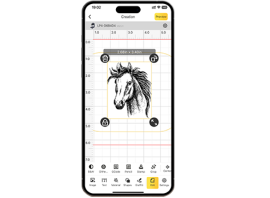
- Easy-to-use software, suitable for beginners
It offers a strong balance between performance and ease of use, making it ideal for both hobbyists and growing businesses.
Alternative for Beginners: LaserPecker LP1 Plus
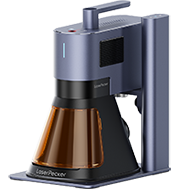
For beginners or casual users, the LaserPecker LP1 Plus is a compact and accessible entry-level option.
- Pocket-sized and lightweight, easy to carry anywhere
- Ready to use in minutes, even powered by a power bank
- Suitable for simple leather engraving and creative projects
- App-based operation, making it easy to import designs and start quickly
- Adjustable stand for flexible engraving angles
The LP1 Plus is best suited for light use, DIY projects, and personalised gifts rather than commercial production.
For users in the UK, laser engraving machines are especially popular for home-based businesses and craft markets, where consistent quality and ease of use are essential.
Tool 2: Cricut
Cricut machines can work with thin, soft leather, mainly through cutting, debossing, or light surface marking rather than true engraving. Using tools such as the Debossing Tip or Engraving Tip, Cricut presses designs into leather to create a subtle embossed effect.
This method is suitable for simple patterns, text, and outlines, but it does not remove material or create depth like laser engraving machines. Results depend heavily on leather type, with vegetable-tanned leather typically producing the best outcome.
Overall, Cricut leather engraving is a good option for hobbyists and light decorative projects. However, it is not ideal for detailed, permanent, or large-scale leather engraving.
Tool 3: Swivel Knife
The swivel knife is a core tool for traditional leather carving. It allows you to cut designs into damp leather, creating flowing lines and artistic patterns.
This tool offers strong creative freedom, but it requires practice to use effectively. The final result depends on hand pressure and control, which makes it less suitable for projects that require consistent outcomes.
Tool 4: Leather Stamping Tools
Leather stamping tools press patterns into leather using applied force. They are commonly used for borders, textures, and decorative accents.
Stamping creates a classic handmade appearance, but you are limited to the pattern of each stamp. For more complex designs, custom stamps may be required, which adds cost and preparation time.
Tool 5: Maul or Mallet
A maul or mallet is used to strike stamping tools and punches into leather. It is essential for hand tooling but does not create marks on its own.
The quality of results depends on striking force and consistency. Variations in pressure can lead to uneven impressions across projects.
Tool 6: Leather Carving Knife
Leather carving knives are used to cut and shape leather manually. They work well for larger, simpler designs and deep cuts.
However, they are less suitable for fine details or small text, as precision depends entirely on hand control and experience.
Comparison of Leather Engraving Tools
| Tool | Precision | Consistency | Speed | Skill Required | Best For |
|---|---|---|---|---|---|
| Laser Engraving Machines | Very High | Excellent | Fast | Low–Medium | Detailed designs, logos, batch production, custom orders |
| Cricut | Medium | Good | Medium | Low | Light leather cutting, debossing, simple decorative projects |
| Swivel Knife | High | Low | Slow | High | Traditional leather carving, freehand artistic designs |
| Leather Stamping Tools | Medium | Medium | Medium | Medium | Repeating patterns, borders, textured effects |
| Maul or Mallet | — | — | — | Low | Striking stamping tools and carving tools |
| Leather Carving Knife | High | Low | Slow | High | Deep cuts, hand-crafted leather artwork |
Part 2: Which Leather Engraving Tool Is Right for You?
For modern makers and small businesses, laser engraving is often the most practical and efficient solution for working with leather. Compared to traditional hand tools or mechanical engravers, laser engraving machines offer greater precision, consistency, and speed.
For users in the UK, compact laser engravers are especially suitable for home workshops and small online businesses selling personalised leather goods. Their ease of use and reliable output make them ideal for both beginners and professionals.
Recommended Option: LaserPecker LP2 Plus
A great example is the LaserPecker LP2 Plus, which combines performance, portability, and user-friendly operation for leather engraving.
Exceptional Precision
Laser engraving produces clean, highly detailed results, making it ideal for:
- Fine artwork
- Logos and branding
- Small text on leather items
This level of precision is difficult to achieve consistently with manual tools.
Consistent, Repeatable Results
Every engraving follows a digital design, ensuring uniform output.
This is essential for:
- Branding consistency
- Batch production
- Professional-quality products
High Efficiency and Speed
With engraving speeds of up to 4,000 mm/s, the LP2 Plus allows you to:
- Complete projects faster
- Handle personalised orders efficiently
- Scale small business production
This makes it well suited for commercial use as well as creative projects.
Low Learning Curve
Laser engraving requires minimal manual skill compared to traditional carving.
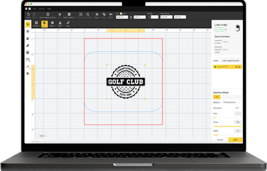
With intuitive software such as LaserPecker Design Space, users can:
- Import designs quickly
- Adjust settings easily
- Start engraving with minimal training
Even beginners can produce high-quality results in a short time.
If you're selling leather goods, running a small business, or creating personalised products, a compact laser engraver like the LaserPecker LP2 Plus can significantly improve your workflow while delivering clean and professional results.
FAQs about Leather Engraving Tools
1. How Deep Should I Engrave Leather?
You don't need to engrave very deeply to achieve a clean, long-lasting result. Shallow engraving is usually best, as it provides strong contrast and fine detail without weakening the leather.
Going too deep can make leather stiff and more prone to cracking over time. With laser engraving machines, you can precisely control depth settings to achieve a balanced, professional finish without damaging the material.
2. Can I Fix Mistakes Made While Engraving Leather?
Small mistakes can often be covered using dye, shading, or additional decorative elements. Larger errors are more difficult to correct, as leather cannot regenerate once material is removed.
It's recommended to test your design and settings on scrap leather before engraving the final piece. Using a laser engraver helps reduce mistakes because you can adjust settings digitally before production.
3. How Long Does It Take to Engrave Leather?
The time required depends on your method and design complexity. Hand engraving may take several hours, especially for intricate artwork.
Laser engraving machines can complete detailed designs in just minutes, making them ideal for small-batch production or personalised orders.
4. Do I Need a Special Type of Leather for Laser Engraving?
Vegetable-tanned leather is typically the best choice for consistent, high-quality engraving results. It responds well to heat and produces clean contrast.
Other leather types can also be used, but you should always test first. Chrome-tanned or synthetic leathers may burn, melt, or discolour during engraving.
5. Leather Engraving vs. Leather Embossing: Which One Should I Choose?
Engraving removes material to create precise logos, text, and intricate designs, making it suitable for modern, detailed artwork.
Embossing presses a design into the leather surface, producing a raised or recessed effect. This method creates a classic, handcrafted appearance. Choose engraving for precision, and embossing for a more traditional tactile finish.
6. Is Laser Engraving Leather Safe for Home Workshops in the UK?
Yes, laser engraving leather can be safe for home workshops when proper ventilation is used. Many modern compact engravers are designed for indoor use, and pairing them with an air purifier or smoke extractor helps remove fumes and odours. This makes them suitable for hobbyists and small business owners working from home.
Conclusion
Choosing the right leather engraving tool plays a key role in achieving professional results. Whether you're a hobbyist or running a small business, understanding the strengths of different tools—from laser engraving machines to traditional hand tools—helps you select the best option for your needs.
For users in the UK, compact laser engraving machines are especially popular for creating personalised leather goods in home workshops or small businesses. In terms of precision, speed, and consistency, modern solutions such as the LaserPecker LP2 Plus stand out as a practical and reliable choice for detailed designs and custom orders.
Traditional tools still offer a hands-on, artisanal experience, but for efficiency and repeatable quality, laser engraving remains the preferred method.
With the right tools and techniques, you can produce durable, high-quality leather products that are both functional and visually appealing.