
































Engraved medals remain a popular way to recognise achievements, celebrate sporting events, and create personalised gifts across the UK. Whether you're a hobbyist, a small engraving business, or an organisation producing awards in bulk, choosing the right medal engraving machine can greatly affect engraving quality, efficiency, and long-term running costs.
With so many engraving systems available in 2026, finding the best option can feel overwhelming. This guide compares the four main types of medal engraving machines and explains how to choose the right one for your needs. From traditional rotary engravers to modern laser engraving machines, you'll discover which solutions offer the best precision, versatility, and ease of use for medal engraving projects.

In this article:
- Part 1: 4 Types of Medal Engraving Machines
- Type 1: Laser Engraving Machine
- Type 2: CNC / Rotary Engraving Machine
- Type 3: Dot Peen Marking Machine
- Type 4: Handheld Engraving Tool
- Part 2: How to Choose the Best Medal Engraving Machine
- Part 3: FAQs About Medal Engraving Machines
Part 1: 4 Best Medal Engraving Machines
Different engraving technologies offer different levels of precision, speed, and material compatibility. Below is a closer look at the most common medal engraving machines used in the UK market and what each type is best suited for.
Type 1: Laser Engraving Machine for Medal
Laser engraving machines use a focused laser beam to engrave designs onto medal surfaces based on digital artwork files. Because the process is completely non-contact, the machine can create highly accurate engravings without applying physical pressure to the material. This helps maintain clean results on both flat and curved medals.
Laser engraving is widely preferred for custom medals because it delivers fast, repeatable, and highly detailed results for both single projects and batch production.
Why laser engraving works well for medals:
- Produces sharp details and smooth engraving lines
- Maintains consistent quality across multiple medals
- Ideal for fine text, logos, QR codes, serial numbers, and intricate artwork
- Compatible with materials such as metal, wood, acrylic, leather, and stone
- Suitable for both hobby engraving and professional medal production
Within this category, fibre laser marking machine systems are specifically designed for metal engraving applications.
Machines such as LaserPecker LP5 use a shorter laser wavelength that interacts efficiently with metal surfaces. This allows direct engraving on stainless steel, brass, aluminium, titanium, and other metals, often without requiring additional coatings or sprays. Fibre laser systems are especially valued for their engraving speed, durability, and ability to create highly detailed markings on small medal surfaces.
For users in the UK running home workshops or small businesses, compact laser engravers are also popular because they save space while still offering professional engraving quality.
Some advanced laser engraving systems can additionally create deep engraving and 3D engraving effects on materials like wood, stone, and copper medals. This makes it possible to produce layered textures, raised patterns, and more decorative medal designs that stand out visually.
Type 2: CNC / Rotary Engraving Machine for Medal
CNC and rotary engraving machines use rotating cutting tools to carve designs directly into medal surfaces. The engraving path is controlled by computer software, allowing the machine to produce repeatable patterns and lettering.
Common advantages:
- Offers strong depth control for deep engraving
- Works well on thicker or harder materials
- Commonly used for industrial engraving, signage, and metal badges
However, because the engraving tool physically touches the surface, cutting bits gradually wear down over time and require replacement. Rotary engraving machines also struggle to reproduce extremely fine details compared to laser engraving, especially when engraving small text, detailed logos, or complex graphics.
These machines are often chosen for industrial-style engraving where depth is more important than ultra-fine detail.
Type 3: Dot Peen Marking Machines
Dot peen marking machines use a metal stylus to create markings through a series of tiny impact dots. They are commonly used in manufacturing and industrial environments because the markings are highly durable and easy to automate.
Advantages:
- Creates permanent industrial markings
- No consumable materials required
- Suitable for serial numbers and identification marks
Limitations:
- Lower engraving detail compared to laser systems
- Not ideal for smooth or decorative medal finishes
- Produces rougher-looking marks
While dot peen marking works well for industrial part identification, it is generally less suitable for decorative or premium medal engraving where appearance and fine detail are important.
Type 4: Handheld Engraving Tools
Handheld engraving tools, including portable electric engravers, require the user to manually guide the engraving tip across the material surface.
Advantages:
- Affordable entry-level option
- Lightweight and portable
- Useful for quick touch-ups or personal projects
Limitations:
- Requires steady hand control and engraving skill
- Results may vary between users
- Slower for larger engraving jobs or batch production
These tools are mainly suited to hobby use or simple personal engraving rather than professional medal production.
Comparison Table of Medal Engraving Machines
| Machine Type | Precision | Material Compatibility | Detail Quality | Maintenance | Batch Production | Best Use Case |
|---|---|---|---|---|---|---|
| Laser Engraving | Very High | Metal, wood, acrylic, leather, stone | Excellent | Low | Excellent | Custom medals, personalised awards, detailed engraving |
| CNC / Rotary Engraving | Medium–High | Metal, plastic, wood | Good | Medium | Good | Deep engraving, industrial engraving |
| Dot Peen Marking | Low–Medium | Metals | Basic | Low | Medium | Serial numbers, industrial identification |
| Handheld Engraving Tools | Low | Most surfaces | Low | High | Poor | Hobby engraving, quick adjustments |
The comparison above shows that laser engraving systems remain the most versatile and precise solution for medal engraving in 2026. Compared with traditional mechanical engraving methods, laser engravers provide better detail quality, cleaner surface finishes, and more consistent results across large production batches. For users prioritising precision and flexibility, fibre laser engraving remains one of the strongest options available.
Part 2: How to Choose the Best Medal Engraving Machine?
Choosing the best medal engraving machine depends on your engraving goals, production volume, material types, and the level of detail you require. Below are the key factors UK users should consider before investing in an engraving system.
① Application Scenarios
Start by identifying how the machine will be used. If you're creating personalised medals for sporting events, schools, competitions, or commemorative gifts, you'll need a machine capable of producing detailed text, logos, and decorative artwork.
For industrial applications such as serial number marking or equipment identification, simpler marking systems may be sufficient. However, for premium medal engraving, laser engraving machines generally provide the best visual results.
② Engraving Precision
Precision is especially important for medal engraving because names, dates, and small lettering must remain sharp and readable.
Laser engraving systems are widely recognised for delivering:
- High-resolution engraving
- Consistent engraving depth
- Sharp logo reproduction
- Accurate small text engraving
This makes laser engravers particularly suitable for custom medals and detailed award engraving.
③ Material Compatibility
Different engraving technologies support different materials.
Laser engraving machines can process:
- Stainless steel
- Aluminium
- Brass
- Acrylic
- Wood
- Leather
- Coated metals
CNC engraving systems are effective for deep carving on harder materials but may struggle with highly detailed graphics. Dot peen systems are mainly designed for industrial metal marking rather than decorative engraving.
For UK hobbyists and small workshop users, laser engraving systems offer the best balance between flexibility and ease of use.
④ Production Efficiency and Batch Engraving
If you regularly produce medals for schools, sports clubs, businesses, or events, production speed becomes an important factor.
Laser engraving machines are highly suitable for batch production because they:
- Operate through automated digital workflows
- Maintain consistent engraving quality
- Reduce manual setup time
- Process multiple medals quickly
Compared with manual engraving methods, laser systems significantly improve efficiency while maintaining precise results.
⑤ Operating Costs and Maintenance
Mechanical engraving machines require ongoing blade replacement, calibration, and maintenance. While dot peen machines typically require less servicing, the engraving quality is usually less refined.
Laser engraving systems generally offer:
- Lower long-term maintenance requirements
- Minimal mechanical wear
- Reduced consumable costs
- More reliable engraving consistency
This makes laser engraving a cost-effective long-term solution for frequent medal production.
⑥ Ease of Use and Safety
If you have limited technical experience, user-friendly laser engraving software can make setup and operation much easier than CNC programming or manual engraving.
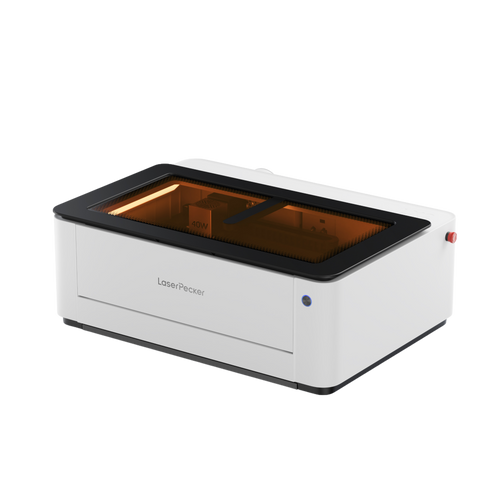
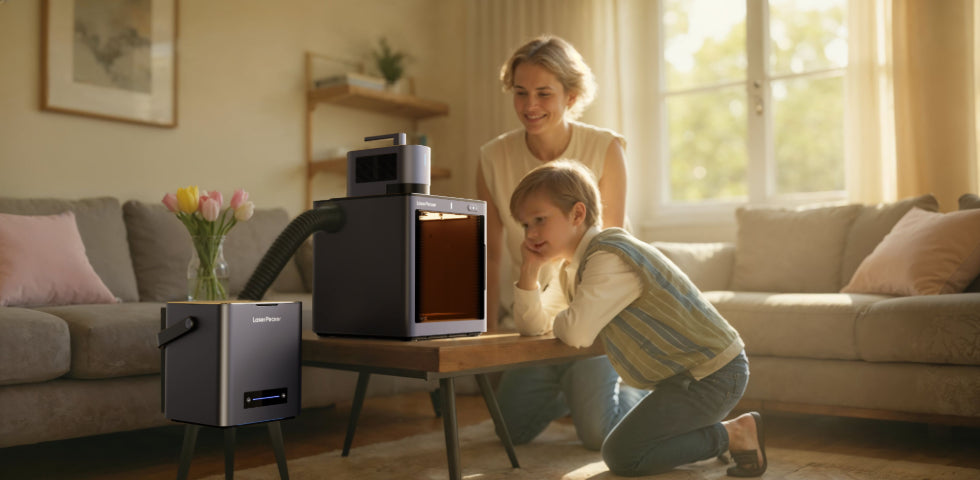
For UK users working indoors, laser safety and air quality are also important considerations. When paired with the LaserPecker LP5 Safety Enclosure, the LP5 system can achieve Class 1 Laser Safety, providing a safer engraving environment for home workshops, studios, and small businesses.
The LP5 can also be used together with the LaserPecker Desktop Smoke Purifier, which helps filter smoke, fumes, and odours generated during engraving and cutting. This makes indoor operation cleaner and more comfortable, especially for regular engraving projects.
Recommended – Best Medal Engraving Machine: LaserPecker LP5
If you plan to engrave medals in 2026, laser engraving systems remain one of the most efficient and versatile solutions available. They combine high precision, fast processing speed, flexible material compatibility, and user-friendly operation.
The LaserPecker LP5 is a strong option for medal engraving thanks to the following features:
Why the LP5 works well for medal engraving:
- High precision engraving for small text, logos, and intricate artwork
- Consistent engraving quality across multiple medals
- Excellent for batch production and repeat engraving tasks
- Non-contact laser processing helps reduce material damage and waste
- Compatible with stainless steel, aluminium, coated metals, leather, acrylic, and wood
- Supports both engraving and cutting within a single workflow
For users in the UK running small workshops or home creative spaces, the LP5 also offers practical advantages thanks to its compact footprint, versatile material compatibility, and user-friendly workflow. These features make it suitable for both hobby projects and small-scale commercial engraving applications.
Combined with the LaserPecker LP5 Safety Enclosure and LaserPecker Desktop Smoke Purifier, the system also provides a safer and more practical indoor engraving setup for home studios and small commercial workshops.
The LaserPecker LP5 delivers reliable performance for engraving event medals, sports awards, decorative graphics, branded merchandise, and customised medal designs with consistent professional quality.
Part 4: FAQs about Fabric Cutting Machines
Q1: How Much Does It Cost to Engrave a Medal in the UK?
The cost of medal engraving depends on factors such as material type, engraving size, design complexity, and production quantity. Simple text engraving is usually more affordable, while detailed logos or custom artwork may increase the overall price.
For UK hobbyists, schools, sports clubs, and small businesses that engrave medals regularly, investing in a laser engraving machine can become more cost-effective over time compared with outsourcing engraving services.
Q2: What Materials Can Medal Engraving Machines Engrave?
Laser engraving and fibre laser engraving machines can engrave or mark a wide range of materials, including:
- Stainless steel
- Aluminium
- Brass
- Titanium
- Acrylic
- Leather
- Wood
- Coated metals
Rotary engraving machines are commonly used for metals and plastics, while dot peen machines are mainly designed for industrial metal marking applications.
Q3: Is Laser Engraving Better Than Rotary Engraving for Medals?
For custom medals, laser engraving is generally considered the better option because it produces cleaner lines, finer details, and more accurate small text engraving.
Rotary engraving can create deeper cuts, but it usually cannot match the precision or surface finish quality of modern laser engraving systems, especially for detailed logos or decorative medal designs.
Q4: How Much Does a Medal Engraving Machine Cost?
The price of a medal engraving machine varies depending on the technology and features included.
General price ranges:
- Handheld engraving tools: lower-cost entry option
- Dot peen machines: affordable industrial marking solution
- CNC / rotary engraving systems: medium to high price range
- Laser engravers such as the LP5: higher initial investment with greater flexibility and long-term value
For many UK users, compact laser engraving systems provide the best balance between performance, versatility, and operating cost.
Q5: Is Laser Engraving Permanent on Metal Medals?
Yes. Laser engraving on metal medals is generally permanent when proper engraving settings are used.
The laser changes the surface of the material directly, creating durable markings that can withstand:
- Regular handling
- Cleaning
- Outdoor exposure
- Long-term use
This makes laser engraving ideal for commemorative medals, sports awards, and branded promotional products.
Conclusion
Choosing the right medal engraving machine in 2026 comes down to several key factors, including engraving precision, material compatibility, production volume, and ease of use. While traditional engraving methods still have their place for certain applications, modern laser engraving systems continue to offer the best balance of speed, accuracy, and flexibility.
In particular, fibre laser machines such as the LaserPecker LP5 are widely regarded as one of the best all-round solutions for custom medal engraving. They can produce highly detailed text, sharp logos, and consistent engraving results across a wide range of materials, including stainless steel, aluminium, coated metals, wood, and acrylic.