





























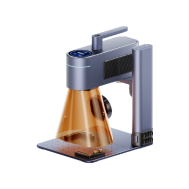


Metal engraving tools play an important role across many industries, including jewellery making, watchmaking, industrial marking, and personalised product creation. Choosing the right tool can significantly improve engraving quality, speed, and precision.
In this guide, we explore the different types of metal engraving tools and explain how to choose the most suitable option based on your application, materials, and desired finish.

In this article:
-
Part 1: Metal Laser Engraving Machines
- Type 1: Blue Diode Laser Engraver
- Type 2: IR Laser Engraver
- Type 3: Fibre Laser Engraver
- Part 2: CNC Metal Engraving Machines
- Part 3: Hand Metal Engraving Tools
- Part 4: Electric Metal Engraving Tools
- Part 5: How to Choose the Metal Tool Engraver
- Part 6: FAQs about Metal Engraving Tools
Part 1: Metal Laser Engraving Machines
Metal laser engraving machines use a focused beam of light to mark, etch, or cut metal surfaces. They offer exceptional precision and are ideal for producing detailed designs that would be difficult to achieve using manual tools. These machines are suitable for both small creative projects and large-scale industrial production. The most suitable laser type depends on the metal being engraved and the level of detail required.
Benefits of Metal Laser Engraving
- Pinpoint accuracy: Produces fine lines, intricate graphics, and clearly defined text
- Non-contact process: No physical pressure is applied, reducing surface damage and eliminating tool wear
- Fast and consistent: Ideal for batch production and repeatable results
- Versatile applications: Suitable for various metals and, depending on the laser type, additional materials
For users in the UK, laser engraving machines are increasingly popular for small business branding, personalised jewellery, and workshop-based production due to their precision and compact footprint.
Type 1: Blue Diode Laser Engraver
Blue diode laser engravers perform best on coated metals, such as painted surfaces or anodised aluminium. They are less effective on bare, untreated metals. This makes them particularly suitable for engraving pre-finished products, including coated tags, nameplates, and coloured aluminium accessories.
For UK-based hobbyists and small workshops, blue diode lasers are often chosen for customisation work where surface coatings are already present.
Type 2: IR Laser Engraver
Infrared (IR) laser engravers can mark directly onto bare metal without requiring coatings. They are commonly used on materials such as stainless steel and aluminium, producing clean, permanent markings with good contrast.
In the UK market, IR laser engravers are frequently used for engraving tools, industrial parts, and personalised metal gifts due to their ability to work directly on untreated metal surfaces.
Type 3: Fibre Laser Engraver
Fibre lasers are more powerful, typically 20W or higher. They can engrave deeper and even cut thin metal sheets. Compared to IR diode lasers, they are faster and capable of deeper engraving, making them ideal for industrial applications where durability and high contrast are required.
Best Metal Laser Engraving Machines
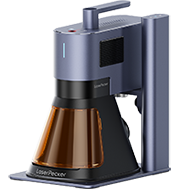
The LaserPecker LP5 is a versatile solution for workshop and professional use. It combines a 20W fibre laser with a 20W diode laser (1064nm & 450nm), allowing it to engrave both coated and bare metals efficiently.
Key Features:
- Compact yet powerful: Small footprint while maintaining strong engraving capability
- High-speed engraving: Speeds up to 10,000 mm/s improve productivity for batch work
- Deep metal engraving: Creates durable, long-lasting marks on various metals
- 3D coin engraving: Supports detailed 3D engraving on coins and metal items
- Thin metal cutting: Accurately cuts aluminium, copper, and stainless steel sheets up to 1 mm thick
- Colour engraving on stainless steel: Produces long-lasting colour effects
- Expandable workspace: Optional slide extension (160 × 300 mm) for larger projects
- Rotary compatibility: Ideal for engraving cylindrical objects such as rings and mugs
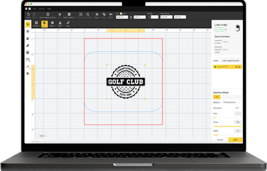
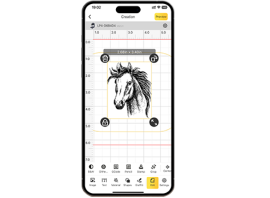
- User-friendly software: Compatible with LightBurn and LaserPecker Design Space
- Safe indoor operation: Class 1 laser safety enclosure enables use in studios or workshops
For users in the UK, this type of dual-laser system is particularly suitable for small businesses producing personalised metal products, as it supports both coated and raw materials without switching machines.
Part 2: CNC Metal Engraving Machines
CNC metal engraving machines are computer-controlled systems that follow digital design files to engrave or cut metal with high precision. These machines are particularly effective for producing identical parts repeatedly, making them ideal for serial numbers, branding, and batch manufacturing. CNC technology also enables complex 2D and 3D engraving that would be difficult and time-consuming to complete manually.
CNC engraving machines are suitable for both hobbyists and professional workshops, especially where repeatability and precision are essential.
For users in the UK, CNC metal engraving machines are commonly used in small manufacturing businesses, engineering workshops, and custom product studios that require consistent output across multiple items.
Benefits of CNC Metal Engraving
- Automation: Reduces manual labour and minimises human error
- High consistency: Produces uniform results, ideal for serial numbers and brand standardisation
- Complex design capability: Handles intricate 2D and 3D engraving tasks
- Scalability: Suitable for both small batch production and large production runs
Part 3: Hand Metal Engraving Tools
Hand metal engraving is a traditional technique that relies on manual tools such as burins, gravers, and chisels to create designs directly on metal surfaces. This approach requires a high level of skill but allows engravers to add distinctive artistic details and textures that are difficult to replicate with automated machines.
Although hand engraving is more time-consuming than machine-based methods, it offers greater control over line depth, shading, and overall appearance. This makes it particularly suitable for bespoke jewellery, decorative metalwork, and one-of-a-kind pieces.
For artisans in the UK, hand metal engraving remains popular among jewellery makers and craft studios focused on personalised and heritage-style designs.
Benefits of Hand Metal Engraving
- Artistic expression: Enables unique textures, patterns, and fine artistic details
- Fully customised results: Each piece can be individually crafted
- Enhanced tactile control: Greater precision over line depth and engraving quality
Part 4: Electric Metal Engraving Tools
Electric metal engraving tools use vibrating or rotating tips to assist with carving designs into metal surfaces. These tools reduce manual effort while still allowing a level of hands-on control, making them a practical option between fully manual engraving and automated machines.
Electric engravers are particularly useful for small projects, repetitive patterns, and light customisation work. Most models support interchangeable tips, enabling users to create a variety of textures, line styles, and decorative effects.
For users in the UK, electric engraving tools are commonly used by hobbyists, small craft businesses, and repair workshops that require flexibility without investing in larger machinery.
Benefits of Electric Metal Engraving Tools
- Reduced fatigue: Minimises hand strain during longer engraving sessions
- Improved efficiency: Suitable for repeating designs and minor adjustments
- Interchangeable accessories: Compatible with multiple tips for varied engraving styles
Part 5: How to Choose the Metal Tool Engraver?
Choosing the right metal engraving tool depends on several factors, including the material, required engraving depth, production volume, and precision level. Budget and workspace availability should also be considered. Hand tools are typically best for artistic detailing, while laser and CNC machines are more suitable for business or industrial applications. Understanding the strengths of each option helps you achieve reliable results more efficiently.
For users in the UK, the choice often depends on whether the engraving is for small craft businesses, personalised products, or engineering workshop applications.
Material Compatibility
When selecting a metal engraving tool, consider the materials you plan to engrave, such as stainless steel, aluminium, brass, or coated metals.
- Diode lasers: Best suited for painted or lacquered surfaces
- IR lasers: Ideal for marking bare metals directly
- Fibre lasers: Suitable for deep or industrial engraving with durable, high-contrast results
Other engraving options include:
- Hand engraving tools: Suitable for artistic designs on most metals, but require experience and are slower for large production runs
- Electric engravers: Useful for small tasks or quick adjustments, but limited in depth and precision on harder metals
- CNC engraving machines: Work well on bare metals and provide consistent output, but require more setup space and investment, making them less suitable for hobbyists
Understanding these differences helps match the right tool to your material, design requirements, and production scale.
Depth and Durability
Consider how deep and durable the engraving needs to be. For light decorative markings, lower-power laser systems or manual engraving tools may be sufficient. However, for permanent industrial markings or deeper engraving, fibre lasers or CNC machines are typically more suitable.
In UK workshops producing personalised metal products, deeper engraving is often preferred for durability and long-term readability.
Budget and Production Volume
Your budget and production requirements play a key role in selecting the appropriate tool.
- Lower budget / small projects: Hand tools or electric engravers are cost-effective
- Medium production needs: Desktop laser engravers offer a balance of performance and affordability
- High-volume production: CNC machines and fibre laser systems provide efficiency and consistency
Small businesses in the UK often start with compact laser engravers before upgrading to CNC or fibre systems as demand grows.
Precision and Detail Requirements
The level of detail required will also influence your choice. Laser and CNC machines deliver extremely high precision and repeatability, making them ideal for logos, serial numbers, and technical markings. Hand engraving tools, on the other hand, offer greater artistic freedom and tactile control, which is beneficial for decorative or bespoke work.
Part 6: FAQs about Metal Engraving Tools
Q1. Can any laser be used to mark bare metal?
Not all lasers are suitable for marking bare metal. Blue diode lasers (around 450nm) generally work best on coated or painted surfaces. Infrared lasers (1064nm) and fibre lasers can engrave directly onto untreated metals. Fibre lasers, in particular, offer higher power levels, allowing deeper engraving and even cutting of thin metal sheets. Choosing the correct laser type ensures clean and durable results.
Q2. What is the difference between CNC metal engraving and hand engraving?
CNC engraving machines provide consistent and repeatable results, making them ideal for serial numbers, logos, and batch production. Hand engraving allows for greater artistic control and unique textures. Many professionals in the UK combine both methods ― CNC for base designs and hand engraving for finishing details.
Q3. What makes the LP5 suitable for professional use?
The LP5 combines a 20W fibre laser and a 20W diode laser, enabling engraving on both bare and coated metals. It supports speeds up to 10,000 mm/s, deep engraving, relief designs, and cutting of thin metal sheets. Optional accessories such as a slide extension and rotary attachment expand its versatility for workshop and studio use.
Q4. Which metal engraving tool is best for small UK businesses?
Compact laser engravers are often the preferred option for small businesses. They offer high precision, low setup requirements, and the ability to engrave logos, serial numbers, and personalised products efficiently. Fibre or dual-laser systems are particularly useful for handling multiple metal types.
Q5. Is laser engraving safe for indoor workshops?
Yes, many modern laser engravers include safety enclosures. Class 1 safety designs allow operation in studios or workshops. Using proper ventilation or air purification systems is recommended to manage fumes generated during engraving.
Q6. What is the best engraving method for stainless steel?
Fibre lasers and IR lasers are typically the best choices for stainless steel. They produce high-contrast, durable marks or colour engravings and can achieve both surface marking and deeper engraving depending on power settings.
Conclusion
Choosing the best metal engraving tool depends on several key factors, including the material you're working with, the required engraving depth, production volume, and the level of precision needed.
- Hand tools are ideal for adding unique, artistic details and achieving a handcrafted finish
- Electric tools offer improved speed and ease of use for general engraving tasks
- CNC systems deliver consistent, repeatable results for precision-driven projects
- Metal laser engravers, such as the LP5, combine power, flexibility, and professional-quality output
Understanding the strengths of each tool helps you select the right solution―whether you're working on a hobby project or managing a larger-scale production setup in the UK.
For many users, combining different tools can produce the best results. For example, you might use a laser engraver for precise outlines and consistent detailing, then refine the finish with hand tools for added character.
Ultimately, investing time in learning how to use your tools effectively will improve both efficiency and quality, helping you achieve accurate, high-quality engraving results across all your projects.