































Ring engraving is a popular way to personalise jewellery with names, initials, dates, or meaningful messages. Ring engraving requires extremely high precision because rings are small, curved, and often made from valuable materials such as gold, silver, platinum, or stainless steel. To achieve clean and detailed results, jewellery makers commonly use different types of ring engraving machines, including hand engraving tools, rotary engraving machines, CNC systems, and laser engravers.
Each type of engraving equipment offers different advantages in terms of engraving precision, production speed, ease of use, material compatibility, and customisation flexibility. Traditional engraving tools may suit experienced craftsmen, while modern laser engraving machines provide faster workflows and more consistent results for jewellery businesses and personalised engraving services.
In this guide, we'll compare the main types of ring engraving machines, explore their strengths and limitations, and explain why laser engraving machines are becoming one of the preferred solutions for precision ring engraving in the UK.

In this article:
- Part 1: Why Ring Engraving Requires High Precision
- Part 2: 3 Types of Ring Engraving Machines
- Type 1: Hand Engraving Machines
- Type 2: Mechanical Engraving Machines
- Type 3: Laser Engraving Machines
- Part 3: Why Laser Engravers Are the Best Choice for Ring Engraving
- FAQs: Common Questions About Ring Engraving Machines
Part 1: Why Ring Engraving Requires High Precision
Several factors make precision essential when engraving rings, particularly for jewellers and custom jewellery businesses in the UK.
Factor 1: Limited Space and Curved Surfaces
Ring bands provide only a small area for engraving. Whether adding initials, dates, or personalised messages, the design must fit neatly within a narrow space. The curved surface of a ring also makes alignment more challenging, as text needs to remain straight, evenly spaced, and visually balanced for a professional finish.
Factor 2: Delicate Ring Structures
Many rings feature thin bands or delicate settings that can be easily damaged during engraving. Excessive pressure may scratch, bend, or distort the metal surface. This is especially important when working with fine jewellery materials such as gold or platinum. Using precision engraving tools helps reduce the risk of damage while maintaining clean and accurate details.
Factor 3: Valuable Materials and Long-Term Durability
Rings are commonly made from high-value metals including gold, silver, platinum, and titanium. Any engraving mistake can be expensive to correct. In addition, engraved text should remain clear after years of daily wear, moisture exposure, and friction. For this reason, many UK jewellery makers prefer laser engraving machines for their accuracy, consistency, and long-lasting marking quality.
Part 2: 3 Types of Ring Engraving Machines
Several types of engraving machines can be used for ring engraving, each offering different levels of precision, efficiency, and ease of use. Some methods rely on traditional jewellery craftsmanship, while others use modern laser technology to achieve cleaner and more consistent results.
Understanding the differences between these engraving methods can help UK jewellers, jewellery studios, and customisation businesses choose the right solution for their workflow and engraving requirements.
Type 1: Hand Engraving Machines for Rings
Hand engraving machines are among the most traditional tools used for engraving jewellery rings. This method involves manually carving text, symbols, or decorative patterns into metal using gravers, burins, or handheld rotary engraving tools.
Because the engraving is completed by hand, it allows for a more artistic and handcrafted appearance. Experienced engravers can create personalised details and traditional decorative styles that many customers still appreciate for bespoke jewellery.
However, achieving clean and consistent engraving requires significant training and experience. Hand engraving is generally more suitable for simple text or decorative accents rather than highly detailed or large-scale production work.
Pros
- Traditional handcrafted engraving style
- Greater artistic freedom for bespoke jewellery
- Suitable for custom decorative details
Cons
- Results depend heavily on the engraver’s skill
- Difficult to maintain perfectly consistent engraving
- Time-consuming for detailed or repeat orders
Type 2: Mechanical Engraving Machines for Rings
Mechanical engraving machines use rotating cutting tools to engrave designs directly onto metal rings. Unlike hand engraving, these systems often use templates, pantographs, or computer-assisted controls to improve engraving consistency.
During the engraving process, the ring is secured in a fixture while the cutting tool moves across the surface to engrave names, dates, initials, or simple patterns. Mechanical engraving remains common in many jewellery shops across the UK for standard ring personalisation services.
Although mechanical engraving machines provide more consistent results than manual engraving, the cutting tool still makes physical contact with the ring surface. Careful setup is therefore essential, especially when engraving delicate or high-value jewellery materials.
Pros
- More consistent results than hand engraving
- Suitable for common jewellery engraving tasks
- Faster for repeat engraving work
Cons
- Physical contact may scratch delicate rings if not handled correctly
- Limited flexibility for highly detailed designs
- Mechanical components require regular setup and maintenance
Type 3: Laser Engraving Machines for Rings
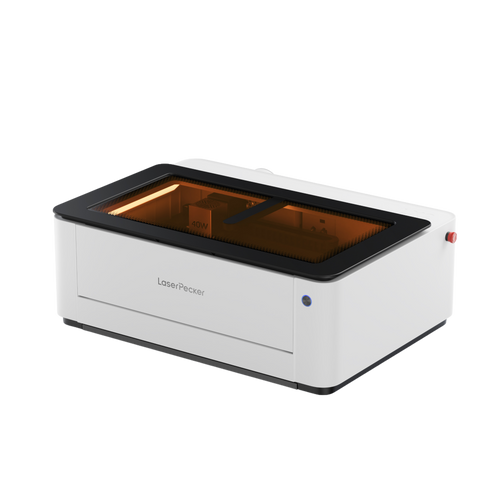
Laser engraving machines use a focused laser beam to engrave designs onto metal ring surfaces with high precision. Unlike traditional engraving methods, the laser does not physically touch the jewellery. Instead, it removes a fine layer of material to create clean, accurate, and highly detailed markings.
This non-contact process makes laser engraving especially suitable for valuable metals such as gold, silver, platinum, and titanium. Many UK jewellery businesses now prefer laser engravers because they offer faster production, consistent results, and excellent engraving accuracy for personalised jewellery.
In addition, some modern laser engraving machines support rotary attachments, allowing rings to rotate smoothly during engraving for improved alignment on curved surfaces.
Common Applications
- Custom jewellery studios
- Wedding ring engraving
- Personalised couple rings
- Small business engraving services
- Batch engraving with customised text or symbols
Part 3: Why Laser Engravers Are the Best Choice for Ring Engraving
Comparison of Ring Engraving Machines
| Machine Type | Precision | Detail Quality | Maintenance | Batch Production |
|---|---|---|---|---|
| Hand Engraving Machine | Medium–High (skill-dependent) | Suitable for simple lettering and decorative patterns | Low | Low |
| Mechanical Engraving Machine | Medium | Consistent text and basic designs | Medium | Moderate |
| Laser Engraving Machine | Very High | Fine details, logos, and complex artwork | Medium | Excellent |
Laser engraving has become one of the most advanced solutions for modern ring engraving. Compared with traditional hand or mechanical engraving methods, laser systems provide greater precision, faster production speeds, and more flexibility for custom jewellery work.
For UK jewellery engraving businesses and personalised jewellery studios, laser engraving technology offers a reliable way to produce detailed engravings while reducing manual setup and production errors.
Several advantages make laser engraving especially suitable for ring engraving applications.
Reason 1: Superior Precision for Small Surfaces
Laser beams can engrave extremely fine details on narrow ring bands with excellent accuracy. Small lettering, symbols, fingerprints, and decorative artwork can remain sharp and clearly visible even on compact curved surfaces.
This level of precision is especially important for jewellery engraving, where clean alignment and detail quality directly affect the final appearance.
Reason 2: Faster Production Speed
Once the digital design file is prepared, the laser engraving machine can engrave rings quickly and consistently. This helps jewellery businesses process personalised orders more efficiently compared with traditional engraving methods.
For workshops handling multiple customer orders, faster engraving speeds can significantly improve workflow efficiency.
Reason 3: Non-Contact Processing
Unlike mechanical engraving tools, lasers do not physically touch the ring surface during engraving. This non-contact process reduces the risk of scratches, pressure marks, or deformation on delicate jewellery pieces.
It is particularly useful when engraving thin wedding bands or high-value precious metals.
Reason 4: Flexible Customisation
Laser engraving systems use digital artwork files, making it easy to switch between names, dates, symbols, logos, or custom graphics without replacing physical tools.
This flexibility makes laser engravers highly suitable for personalised jewellery businesses and ring customization services.
Reason 5: Scalable Production
Laser engraving works efficiently for both single personalised rings and larger batch orders. Whether creating one bespoke wedding ring or processing multiple customised products, laser systems provide stable and repeatable engraving quality.
For jewellery studios that require both precision and productivity, laser engraving offers a scalable long-term solution.
Recommended Laser Engraving Machine for Ring Engraving: LaserPecker LP5
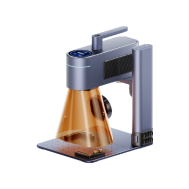
The LaserPecker LP5 is a compact laser engraving system designed specifically for high-precision jewellery engraving and ring customization. Unlike large industrial machines, the LP5 combines professional engraving performance with a compact footprint suitable for small workshops, jewellery studios, retail shops, and home-based engraving businesses in the UK.
Feature 1: High Precision for Small Curved Surfaces
The LP5 delivers engraving precision up to 0.0027 mm, allowing users to engrave fine text, intricate symbols, and detailed artwork on curved ring surfaces.
Feature 2: Adjustable Settings for Different Metal Types
Users can adjust laser parameters according to the metal type being engraved.
Feature 3: Rotary Extension Support
When paired with a rotary extension, the LP5 can rotate rings smoothly during engraving.
Feature 4: Efficient Workflow for Custom Orders
Because the LP5 uses digital design files, jewellers can quickly switch between different engraving projects without changing engraving tools or complicated machine setups.
Feature 5: 20W Fibre Laser for Stable Engraving Quality
The 20W fibre laser provides stable energy output for producing sharp, high-contrast engravings with reliable depth consistency across metal surfaces.
Feature 6: Improved Indoor Safety for Jewellery Workshops
When combined with the LaserPecker LP5 Safety Enclosure, the LP5 achieves Class 1 Laser Safety protection, making it more suitable for professional indoor working environments.
The LP5 can also be paired with the LaserPecker Desktop Smoke Purifier to help filter smoke, odours, and airborne particles generated during engraving and cutting.
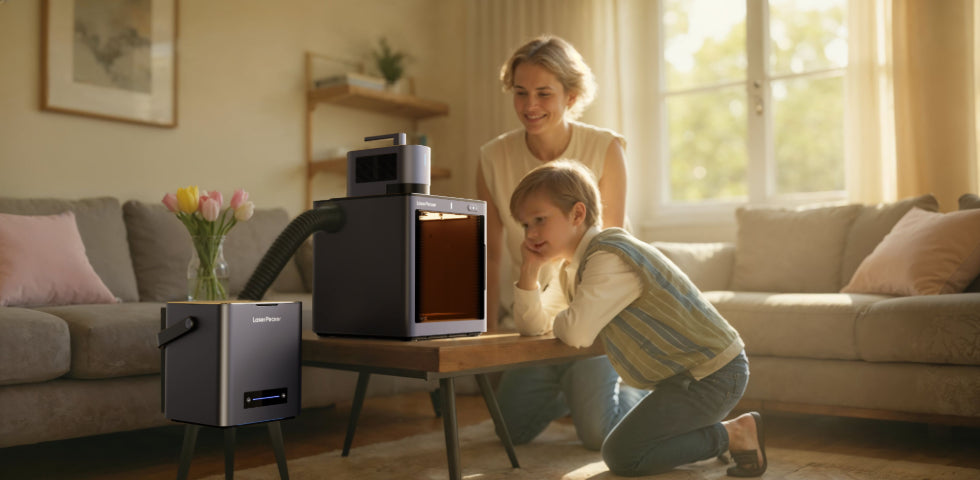
Overall, the LaserPecker LP5 offers jewellers a precise, efficient, and user-friendly solution for modern jewellery engraving and ring customization. With high engraving accuracy, rotary extension support, and improved indoor safety options, it provides a reliable workflow for producing high-quality customised rings.
FAQs: Common Questions About Ring Engraving Machines
Q1. What is the best method for engraving rings?
Laser engraving is widely considered one of the best methods for ring engraving because it delivers high precision, consistent detail quality, and a non-contact engraving process that helps protect delicate jewellery surfaces. It is especially suitable for personalised rings, wedding bands, and detailed custom designs.
Q2. Can laser engraving be used for batch ring production?
Yes. Laser engraving systems are suitable for both one-off personalised orders and larger batch production. Because designs are controlled digitally, jewellers can engrave different names, dates, or messages without changing machine tooling or complicated setups.
Q3. Can a laser engrave both the inside and outside of a ring?
Yes. When used with a rotary extension, laser engraving machines such as the LaserPecker LP5 can engrave accurately on both the inner and outer surfaces of a ring while maintaining proper alignment on curved jewellery surfaces.
Q4. Should I choose a 10W or 20W laser engraver for ring engraving?
For metal ring engraving, a 20W laser engraver generally offers faster engraving speeds and stronger engraving performance on materials such as stainless steel, titanium, silver, and gold. The best option depends on your engraving frequency, material types, and production needs.
Q5. How much does ring engraving usually cost in the UK?
Ring engraving costs in the UK can vary depending on the engraving method, material type, design complexity, and order quantity. While laser engraving equipment requires a higher upfront investment, it often reduces long-term production costs for jewellery businesses handling personalised or batch engraving orders.
Q6. Is laser engraving safe for indoor jewellery workshops?
Yes. Modern laser engraving machines can support safer indoor operation when paired with proper safety accessories. For example, the LaserPecker LP5 combined with the LaserPecker LP5 Safety Enclosure supports Class 1 Laser Safety protection. It can also work with the LaserPecker Desktop Smoke Purifier to help filter smoke and odours generated during engraving.
Q7. What materials can be engraved on rings?
Laser engraving machines can engrave a wide range of ring materials, including gold, silver, platinum, titanium, tungsten, and stainless steel. Different laser settings may be required depending on the hardness and reflective properties of the material.
Q8. Is laser engraving permanent on rings?
Yes. Laser engraving creates durable markings that are resistant to fading and everyday wear. With proper engraving settings, text and patterns can remain visible for many years, even with regular daily use.
Conclusion
Ring engraving transforms ordinary jewellery into meaningful and personalised keepsakes. Although traditional methods such as hand engraving and mechanical engraving are still used in the jewellery industry, they often require advanced skills, careful handling, and longer production times.
Modern laser engraving machines provide a more precise and efficient solution for professional ring engraving. Their non-contact engraving process helps protect delicate ring surfaces, while digital controls allow names, dates, symbols, and custom artwork to be engraved with excellent accuracy and consistency.
For UK jewellers, personalised jewellery businesses, and engraving studios, laser engraving machines offer an ideal balance of precision, workflow efficiency, and design flexibility for modern ring customization and jewellery engraving projects.