
































Custom rubber stamps continue to play an important role across offices, retail packaging, education, crafts, and small business branding in the UK. From return address stamps to logo stamps and personalised packaging seals, demand for flexible small-batch production keeps growing.
Choosing the right rubber stamp making machine affects more than just engraving quality. It also influences production speed, material compatibility, operating costs, and long-term efficiency.
This guide explores how different rubber stamp making machines work, compares the most common technologies, and helps you choose the best solution for precise and reliable stamp production.

In this article:
- Part 1: What Is a Rubber Stamp Making Machine
- Part 2: 4 Types of Rubber Stamp Making Machines
- Type 1: Photopolymer Stamp Making Machines
- Type 2: Manual Rubber Carving Tools
- Type 3: CNC Engraving Machines
- Type 4: Laser Engraving and Cutting Machines
- Part 3: Why Laser Engravers Are the Best Choice for Stamp Making
- FAQs: Common Questions About Rubber Stamp Making Machines
Part 1: What Is a Rubber Stamp Making Machine?
A rubber stamp making machine is used to create custom stamps by engraving or shaping designs onto rubber or polymer stamp materials. The machine follows a digital file or hand-drawn artwork and transfers the design onto the stamp surface, allowing the same text, logo, or pattern to be reproduced repeatedly with consistent ink impressions.
Different stamp making methods use different technologies. Some machines expose photopolymer sheets to UV light, while others rely on manual carving, CNC engraving, or laser engraving systems. In the UK, laser engravers have become increasingly popular among small businesses and craft makers because they offer faster production speeds and more precise detail control for personalised stamp designs.
Regardless of the method used, the main goal is to produce sharp, clean, and reliable stamp impressions suitable for repeated daily use.

What Makes a Good Rubber Stamp?
A high-quality rubber stamp should deliver clear and consistent results over time. When choosing a stamp making machine, focus on the following factors:
- Precision: Fine details and small lettering should remain sharp and easy to read.
- Depth Control: Correct engraving depth helps prevent smudging and uneven ink transfer.
- Durability: The stamp material should withstand repeated use without cracking or losing detail.
- Consistency: Every impression should produce the same clean result across multiple uses.
- Material Compatibility: The machine should support suitable rubber or polymer materials for different applications.
If these standards are not achieved, problems such as blurred text, patchy ink coverage, or premature stamp wear can reduce both print quality and long-term usability.
Part 2: 4 Types of Rubber Stamp Making Machines
There are several types of machines used for rubber stamp production, each suited to different workflows, engraving requirements, and production scales. From traditional hand-carving methods to modern laser engraving systems, every option offers different advantages in terms of precision, speed, material compatibility, and operating efficiency.
Below are four common types of rubber stamp making machines and how they are typically used in craft studios, small businesses, and commercial production environments across the UK.
Type 1: Photopolymer Stamp Making Machines for Rubber Stamps
Photopolymer stamp making machines use UV light to cure liquid photopolymer resin into a solid stamp plate. A printed negative film is placed over the resin during exposure. The exposed areas harden, while the unexposed sections remain soft and are washed away afterwards.
This method can produce clean stamp surfaces with relatively fine detail and is commonly used for small-scale commercial stamp production.
Pros
- Suitable for Batch Production: Works well for small to medium production runs.
- Lower Equipment Cost: Generally more affordable than advanced digital engraving systems.
- Good Detail Reproduction: Capable of producing relatively sharp stamp impressions.
Cons
- Multi-Step Workflow: Requires exposure, washing, drying, and curing processes.
- Messy Material Handling: Liquid resin can be difficult to manage cleanly.
- Limited Material Compatibility: Primarily supports photopolymer materials only.
- Lower Durability: Stamps may wear faster compared to laser-engraved rubber stamps.
Type 2: Manual Rubber Carving Tools for Rubber Stamps
Manual rubber carving involves carving designs directly into rubber sheets using hand tools such as carving knives or gouges. Designs are usually sketched or transferred onto the rubber surface before unwanted material is removed manually.
This traditional approach is popular among hobbyists, artists, and DIY creators producing personalised or one-off stamp designs.
Pros
- Low Initial Cost: Only basic carving tools are required.
- Creative Flexibility: Suitable for artistic and handmade stamp styles.
- No Software Needed: Ideal for beginners who prefer manual crafting methods.
Cons
- Lower Precision: Fine lettering and detailed graphics are difficult to achieve.
- Time-Consuming: Hand carving requires patience and significant manual effort.
- Poor Repeatability: Reproducing identical designs consistently is challenging.
- Skill Dependent: Final quality varies greatly based on carving experience.
Type 3: CNC Engraving Machines for Rubber Stamps
CNC engraving machines use computer-controlled rotary cutting tools to engrave designs into rubber or similar materials. The machine follows digital toolpaths to remove material with controlled depth and consistent shaping.
This method is commonly used in professional workshops where repeatability and mechanical precision are important.
Pros
- Accurate Engraving: Produces consistent and repeatable stamp designs.
- Controlled Engraving Depth: Helps improve ink transfer quality.
- Suitable for Workshop Production: Useful for medium-scale professional use.
Cons
- Limited Fine Detail: Intricate graphics and very small text can be difficult.
- Slower Production Speed: Detailed engraving may take considerable time.
- Tool Maintenance Required: Rotary bits wear down and require replacement.
- Higher Investment Cost: Machines require more setup space and technical knowledge.
Type 4: Laser Engravers for Rubber Stamps
Laser engraving machines use a highly focused laser beam to vaporise rubber material and create precise stamp designs. The laser removes selected areas while leaving raised surfaces that form the final stamp pattern.
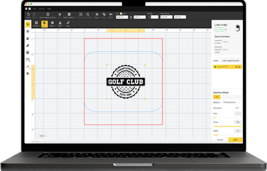
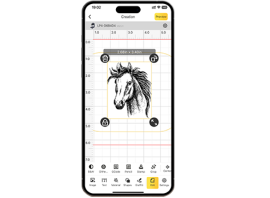
Because the process is fully software-controlled, users can design stamps digitally and send files directly to the machine with minimal setup. This makes laser engraving one of the fastest and most efficient solutions for both custom orders and batch production.
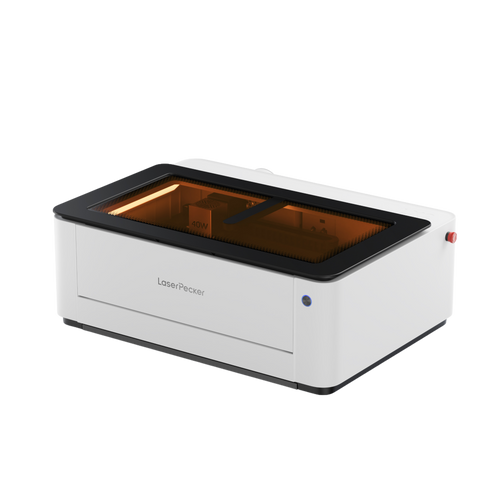
For UK home workshops and small businesses, compact laser engravers such as the LP4 or LX2 are increasingly popular because they combine high engraving precision with space-saving designs. Machines with enclosed protection systems, such as LX2, also provide Class 1 Laser Safety, which is especially important for indoor studio environments.
Pros
- High Precision: Excellent for fine text, logos, QR codes, and intricate graphics.
- Clean Engraving Results: Produces sharp and highly consistent impressions.
- Fast Digital Workflow: Minimal setup and efficient production speed.
- Easy Design Editing: Digital files can be modified and reused quickly.
- Ideal for Business Use: Suitable for both personalised orders and bulk production.
- Reduced Manual Labour: Less physical handling compared to traditional methods.
Cons
- Higher Initial Investment: More expensive upfront than manual carving tools.
Part 3: Why Laser Engravers Are the Best Choice for Stamp Making
| Method | Precision | Speed | Contact Process | Edge Quality | Complex Designs | Setup Cost |
|---|---|---|---|---|---|---|
| Photopolymer Stamp Making Machines | High | Medium | No (UV Exposure) | Clean | Good | Low to Medium |
| Manual Rubber Carving Tools | Low | Slow | Yes (Hand Tools) | Rough to Moderate | Limited | Low |
| CNC Engraving Machines | Medium | Slow to Medium | Yes (Tool Contact) | Moderate | Moderate | Medium to High |
| Laser Engraving and Cutting Machines | High | Fast | No (Non-Contact) | Very Clean | Excellent | Medium to High |
Among all rubber stamp production methods, laser engraving machines offer the best balance of precision, workflow efficiency, and production flexibility. They are widely used by UK small businesses, online sellers, craft studios, and custom branding workshops where consistent quality and fast turnaround times are essential.
Reason 1: High Precision for Fine Details
Laser engraving systems can reproduce extremely fine text, intricate logos, and detailed elements such as QR codes with impressive clarity. Because the laser beam is digitally controlled, it produces sharp edges and highly accurate engraving results that are difficult to achieve with manual carving or rotary cutting systems.
This level of precision is especially valuable for personalised stamps, packaging logos, and small lettering commonly used in business branding.
Reason 2: Fast and Efficient Production
Once the artwork is prepared, the engraving process requires very little setup time. Laser engravers can complete stamp production quickly, making them ideal for one-off custom orders as well as batch production.
Compared with traditional carving or photopolymer workflows, laser engraving significantly improves productivity while reducing manual labour and processing steps.
Reason 3: Non-Contact Processing for Cleaner Results
Laser engraving is a fully non-contact process, meaning no physical cutting tool touches the rubber material during production. This helps eliminate issues such as uneven pressure, tool wear, or material distortion.
As a result, the finished stamp surface remains clean, consistent, and highly detailed, with fewer mechanical defects than traditional engraving methods.
Reason 4: Excellent Repeatability for Business Use
Laser engraving machines follow digital design files with high accuracy. Once the engraving settings are configured, the same design can be reproduced repeatedly with consistent quality.
This makes laser systems highly reliable for businesses producing custom logo stamps, return address stamps, and branded packaging stamps where consistency is essential across multiple orders.
Recommended Laser Engraver for Rubber Stamps: LP2 Plus
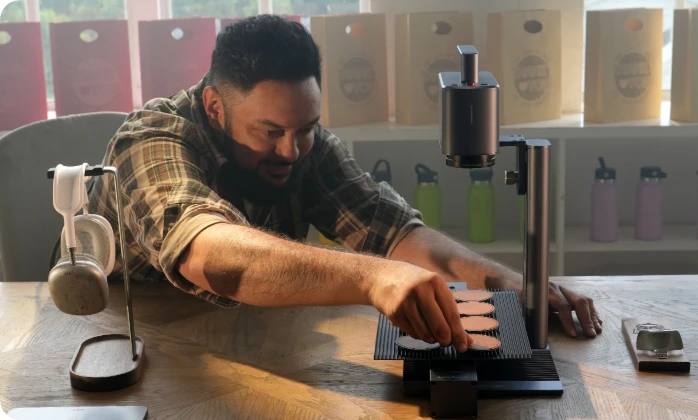
The LP2 Plus is a practical solution for small businesses, home workshops, and creators looking to produce custom rubber stamps with professional-quality results. It combines precision, portability, and ease of use, making it suitable for both beginners and experienced users.
For UK users working indoors, the LP2 Plus can also be paired with the LaserPecker Standard Enclosure to achieve Class 1 Laser Safety, providing additional protection for home studios and small office environments. When combined with the LaserPecker Desktop Smoke Purifier, the system can help filter fumes and odours generated during engraving, creating a cleaner and safer indoor workspace.
Overall, the LP2 Plus is an excellent choice for users starting a personalised stamp business or producing customised designs on demand.
-
High-Precision Engraving
Capable of engraving fine lettering, detailed logos, and intricate patterns with clean and accurate results. -
Compact and Space-Saving Design
Its compact footprint fits easily into home studios, small workshops, or office environments. -
Adjustable Power Settings
Power levels can be adjusted to suit different rubber materials and engraving requirements. -
Beginner-Friendly Software
Easy-to-use software allows new users to start engraving without a steep learning curve. -
Fast Engraving Speed
Efficient processing improves turnaround times for both single orders and batch production. -
Portable and Flexible
The lightweight design makes it easy to move and use across different workspaces. -
Enhanced Indoor Safety
When used with the LaserPecker Standard Enclosure and LaserPecker Desktop Smoke Purifier, the machine offers a safer and cleaner engraving environment for indoor use.
FAQs: Common Questions About Rubber Stamp Making Machines
Q1: What is the best machine for making rubber stamps?
For hobby projects and occasional crafting, manual carving tools may be suitable for simple stamp designs. However, for professional production or small business use, laser engraving machines are generally the preferred option. They provide higher precision, faster production speed, and better consistency for custom stamps featuring logos, names, and detailed text.
Q2: Is laser engraving better than photopolymer stamp making?
In most cases, laser engraving offers a more efficient and user-friendly workflow. Unlike photopolymer systems, laser machines do not require film exposure, chemical washing, or lengthy preparation processes. This makes laser engraving especially suitable for personalised stamp production and repeat orders.
Q3: Can a laser engraving machine engrave rubber safely?
Yes, laser engraving is widely used for rubber stamp production. The laser removes material to create a raised stamp surface for ink transfer. Proper ventilation is important because rubber engraving can generate smoke and odours during operation. Many UK home workshops use compact smoke purification systems to improve indoor air quality.
Q4: What is the ideal engraving depth for rubber stamps?
Most rubber stamps are engraved between approximately 0.8 mm and 1.5 mm deep, depending on the stamp design and ink application. Correct engraving depth helps produce sharp text, clean impressions, and better ink distribution, particularly for detailed designs.
Q5: Can I start a rubber stamp business from home with a laser engraver?
Yes, many UK creators and Etsy sellers run small custom stamp businesses from home using desktop laser engraving machines. Compact systems are ideal for personalised products because they require minimal workspace while supporting efficient small-batch production.
Q6: What materials can be used for custom rubber stamp making?
In addition to laser rubber sheets, some creators also use acrylic, wood, and self-inking stamp materials for stamp production. Laser engraving machines support multiple materials, making them suitable for personalised office stamps, craft stamps, logo stamps, and creative branding products.
Conclusion
Rubber stamp production has evolved significantly, moving from traditional manual carving and photopolymer methods to modern digital laser engraving technology. Today, laser engraving machines offer one of the most efficient and reliable solutions for producing personalised stamps with high precision and consistent quality.
For UK creators, small businesses, and home workshops, laser systems provide a practical way to create custom logo stamps, address stamps, craft stamps, and branded products with greater efficiency. They support detailed engraving, flexible customisation, and scalable production, helping businesses meet the growing demand for personalised rubber stamp products in 2026 and beyond.